Partial Lunar Eclipse 2026: Here’s all you need to know before the Moon turns red on August 28
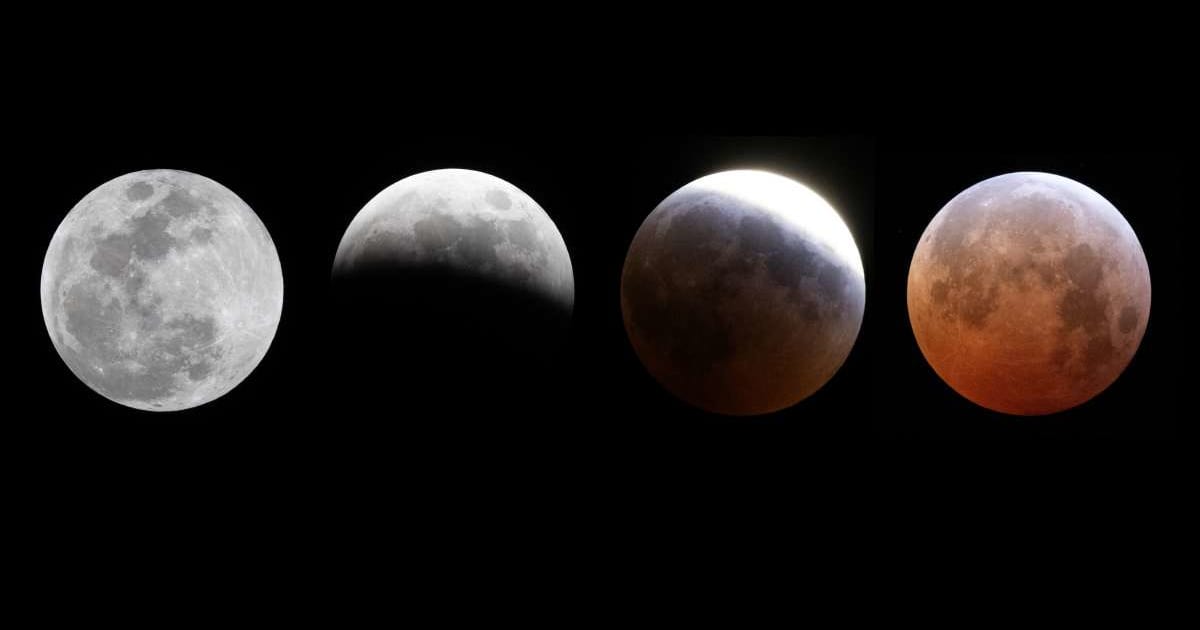
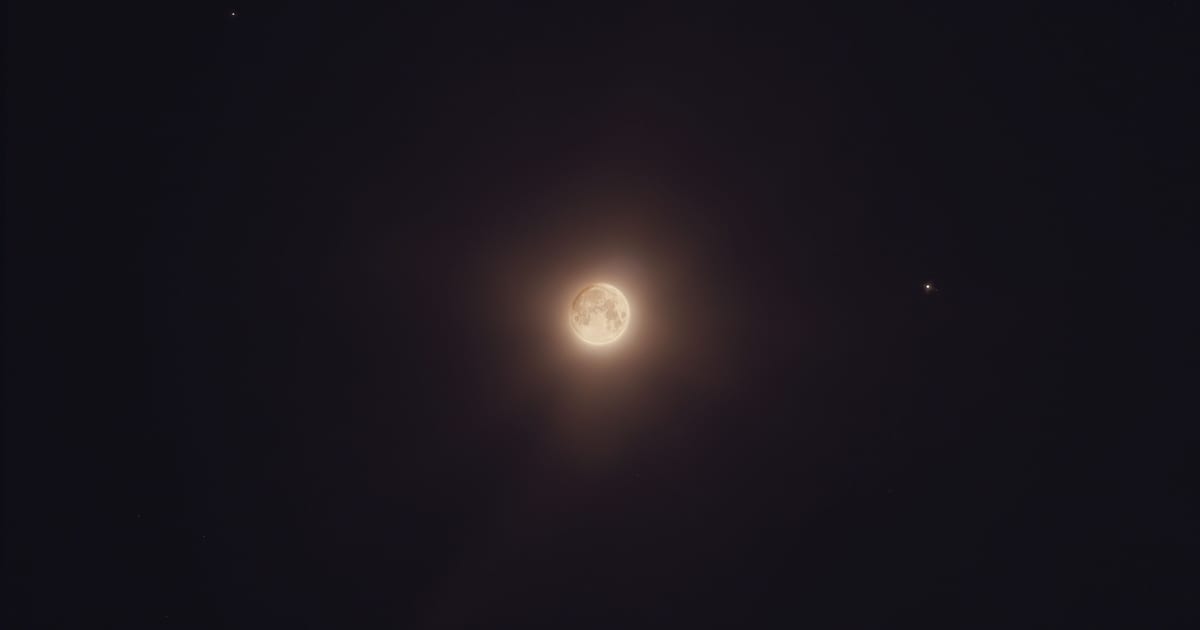
We are just hours away from a partial lunar eclipse that will turn the Moon red on the night of August 27-28. The phenomenon will be seen across the Americas, Europe, and Africa, and over a billion skywatchers have a chance to see at least some part of it if the weather is favorable. During the eclipse, more than 96 per cent of the Moon's disk will be within Earth's umbra—the central part of the shadow where the Sun is completely blocked by Earth.
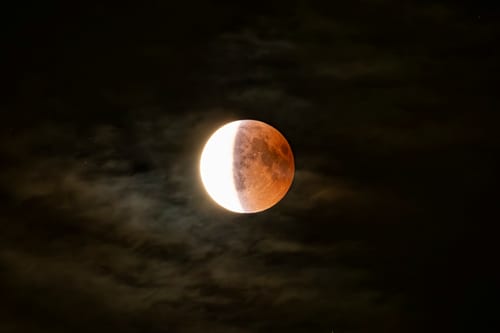
The best lunar eclipse till December 2028
With only a thin sliver of the partially eclipsed Moon visible outside the umbra, the partial lunar eclipse tonight will be the deepest one till December 31, 2028. That’s when the Earth will cover the Moon entirely over Europe, Africa, Asia, and Australia.
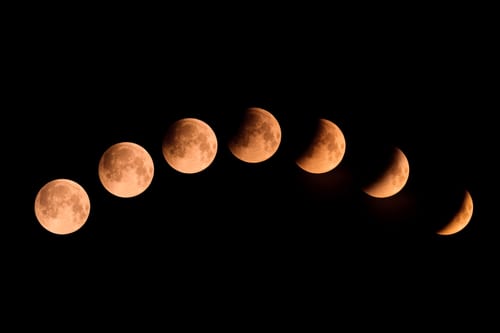
According to Time and Date, about 12 percent of the world's population (roughly 987 million people) will see the eclipse from start to finish, while around 16 percent (1.3 billion) will see only the partial phase and miss the phase where the Moon starts entering/exiting Earth’s shadow (the penumbral stages). Besides, this eclipse is part of the Saros 138 series, and the next one in this series will occur on September 7, 2044, says NASA.
When will the eclipse begin?
The phases of the eclipse will take place simultaneously for everyone on the night side of Earth, but timings will vary depending on the location. The partial eclipse will begin at 10:33 pm EDT on August 27 and will peak at 12:12 am on August 28 and end at 1:51 am. In Europe and Africa, the eclipse will begin in the early hours of August 28 before sunrise. If you are in the U.S., check the timings for select cities here.
Which are the best places to watch?
In the U.S., there are cities where the entire eclipse will be visible, and then there are places where viewers will see only the peak and final phase. The former includes cities like Washington DC, New York City, Philadelphia, Chicago, Austin, Dallas, Miami, and others, whereas the latter includes Seattle, San Francisco, Los Angeles, and Las Vegas, among others. Check the full list of cities here.
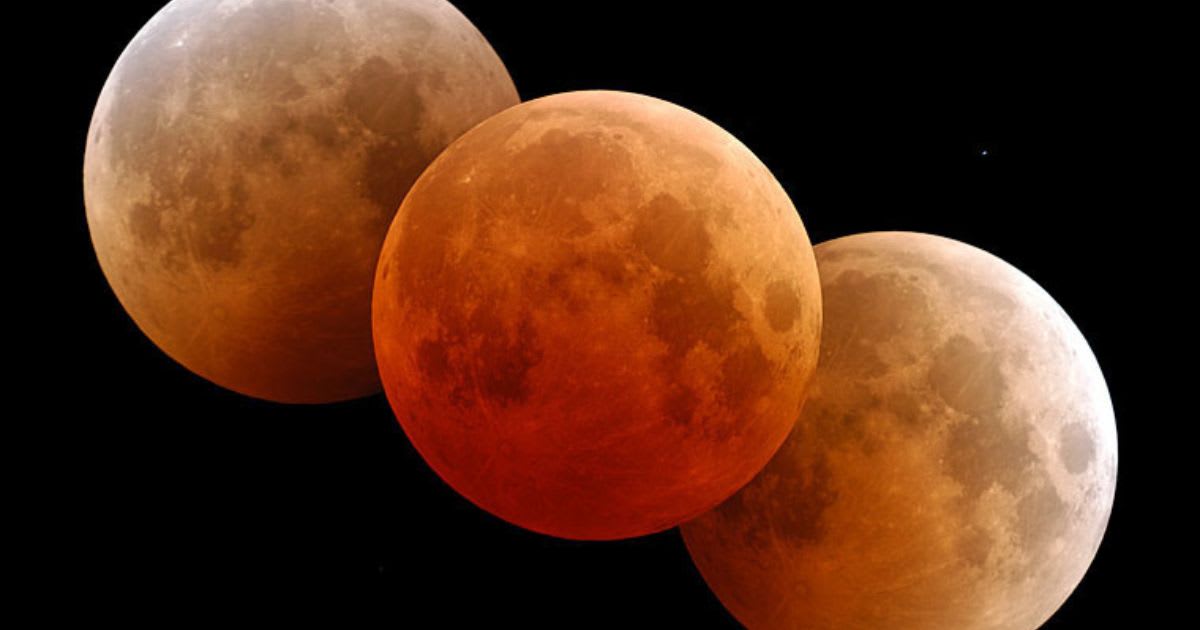
Outside the U.S., the best European cities are Rome, Vienna, Paris, Lisbon, Amsterdam, London, and Berlin, along with Africa’s Casablanca, Johannesburg, and Cairo, among others.
Will weather spoil the evening in the U.S.?
According to the Weather Channel, bad weather is likely in some parts of the U.S. While there’s a possibility of scattered showers and storms from Virginia through the two Carolinas to Florida and the Lower Mississippi Valley, skies will largely be clear in the states of Oklahoma and Texas.
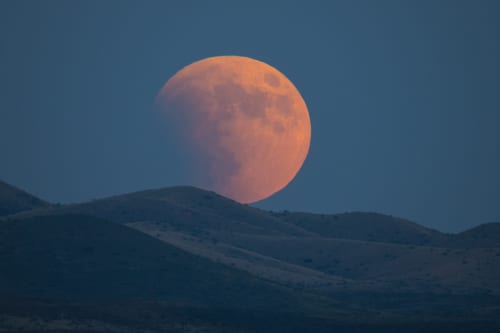
In the west, weather conditions will be good for viewing, with isolated showers and thundershowers forecast for the Rockies and Desert Southwest. The northeast, however, might experience scattered showers and thunderstorms, and parts of Kansas and Nebraska may also receive scattered thunderstorms. Conditions over the Midwest will largely be favorable, but clouds may drift to Iowa or Missouri.
Are there any livestreams planned?
Yes. In case the weather plays the villain and the skies aren’t clear in your area, there are live streams you can watch on YouTube. Time and Date will begin its stream at 10 pm EDT on August 27, and the Virtual Telescope Project has scheduled its broadcast at 9:30 pm EDT.
More on Starlust
2028 could be the best year yet for the Perseid meteor shower, expert says; here’s how
Moon Phases 2026: What will the Moon look like on August 27-28?