Russian segment of the International Space Station has begun leaking again, raising safety concerns
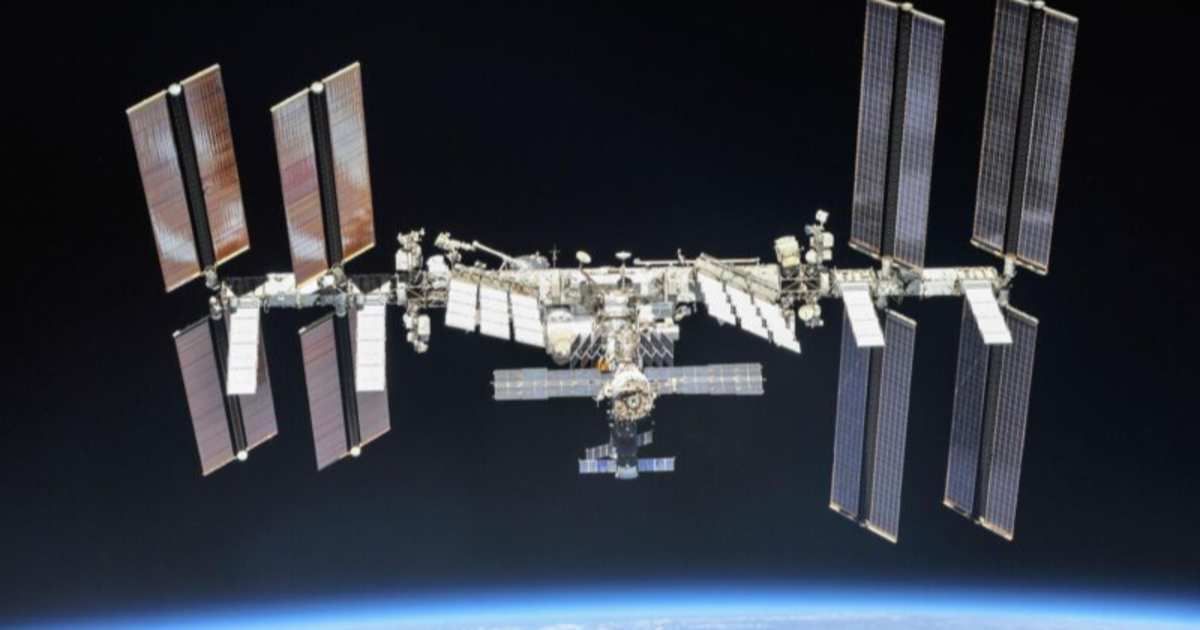
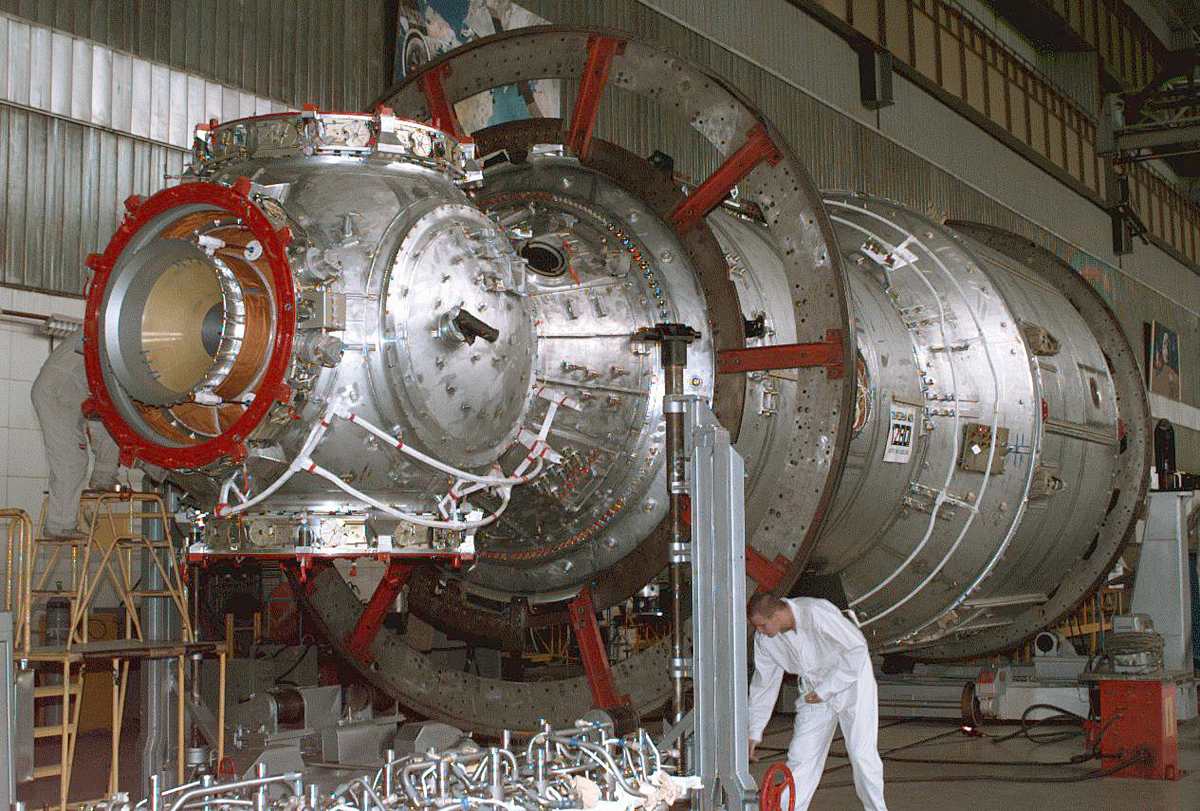
After hoping a persistent atmospheric leak in the Russian segment of the International Space Station (ISS) was permanently sealed, NASA has recently shared details about the recurring breach with Ars Technica. This breach involves the internal atmosphere of the space station venting into the vacuum of space from the PrK module. This is essentially a transfer tunnel at the station, which connects an aft docking port for visiting vehicles to the main Zvezda service module.
It has also been revealed that a gradual drop in pressure was observed when the crew was in the process of unloading the recently arrived Progress 95 cargo spacecraft. This was being done by Russian cosmonauts aboard the ISS on May 1, 2026. Ever since then, the drops in pressure have been carefully monitored, requiring the occasional repressurization of the compartment. Ars Technica also reported that the leak has not affected any of the station's inhabitants' regular activities, which include scientific research and the daily maintenance of the space habitat.

According to the same report, NASA had managed to reach a stable configuration of pressure inside the PrK module back in January after several applications of sealant and further testing of the fix. This came as a relief to both Roscosmos and NASA, with the latter having had to postpone a private astronaut mission by Axiom Space to the orbital laboratory last year due to anomalous pressure readings in the tunnel. The mission, Ax-4, eventually made its way to the station in late June 2025 after inspections confirmed it was safe for the four astronauts to arrive.
Fortunately, a safety measure to keep pressures inside the space station exists with the provision of locking the PrK vestibule when not in use, which isolates the effects of the leak to the small module. However, this particular section is put to use for docking visiting Russian vehicles. These could be either uncrewed cargo missions, like the aforementioned Progress resupply freighters, or crewed missions, like the Soyuz MS-28. It remains to be seen if NASA and Roscosmos will make changes to their plans for the upcoming Soyuz MS-29 mission in light of this development, with both agencies historically disagreeing on their assessment of the risks involved—NASA expressing concern over potential structural failure while Roscosmos maintains a less alarmed stance. The ISS is now in its 26th year of continuous habitation by humans, and leaks such as these point to the eventual end of its operations towards the end of this decade. With its controlled de-orbit planned for 2030, NASA has begun to look forward to the commercial era of low Earth orbit operations.
More on Starlust
How to spot the International Space Station with the naked eye before it deorbits in 2030
Vast secures funding of $500 million to speed up building its 'Haven' private space stations