Roscosmos spacecraft to make a destructive re-entry into Earth’s atmosphere after departing the ISS
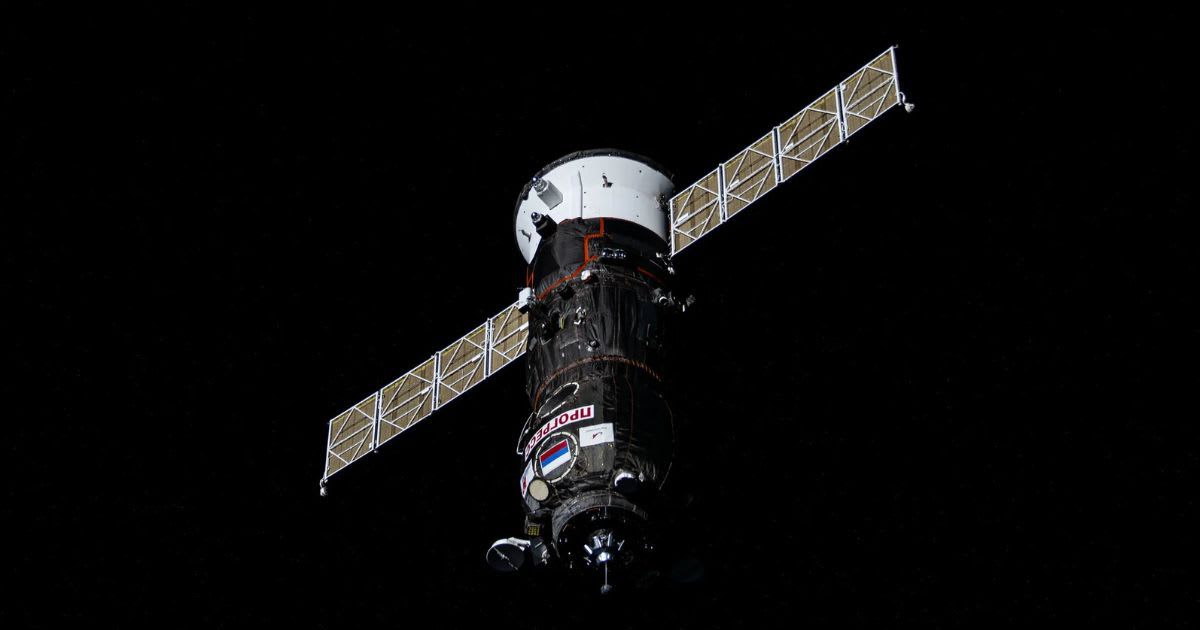
Russian cargo spacecraft Progress 92 is all set to make a planned destructive re-entry into Earth's atmosphere as the single-use ship completes its mission. According to NASA, the unpiloted Roscosmos vehicle undocked from the International Space Station at 9:24 a.m. EDT on Monday. It detached from the space-facing port of the Poisk module, where it had been docked since its arrival nearly nine months ago.
The Progress 92 cargo craft approaches the station with the docked Soyuz MS-27 crew ship in view. Watch live now on @NASA+... https://t.co/uhGBvVWVHS pic.twitter.com/ov4j3HaSy1
— International Space Station (@Space_Station) July 5, 2025
The ISS crew members would load discarded materials into Progress 92, and the Roscosmos spacecraft’s controlled re-entry is simply a waste disposal exercise. The trash burns up safely in the atmosphere, concluding the cargo ship’s months-long resupply mission to the space station. The Russian spacecraft was launched on July 3, 2025, aboard a Soyuz rocket from the Baikonur Cosmodrome in Kazakhstan. After a two-day journey, Progress 92 docked to the Poisk module and delivered about three tons of food, fuel and supplies to the ISS crew.
The Progress 92 cargo craft approaches the station with the docked Soyuz MS-27 crew ship in view. Watch live now on @NASA+... https://t.co/uhGBvVWVHS pic.twitter.com/ov4j3HaSy1
— International Space Station (@Space_Station) July 5, 2025
Cargo vehicles like Progress 92 remain docked to their station while their supplies are gradually unloaded. Over time, their supply is replaced with station waste, after which these single-use vehicles undock and burn in the atmosphere. Progress 92 replaced Progress 90, which undocked from the same Poisk port after a seven-month mission. Progress 93 remains docked to the Zvezda service module since September 2025. The Roscosmos vehicle and its American counterparts — Northrop Grumman's Cygnus and SpaceX's reusable Dragon — are the three cargo ships that carry supplies to the ISS.
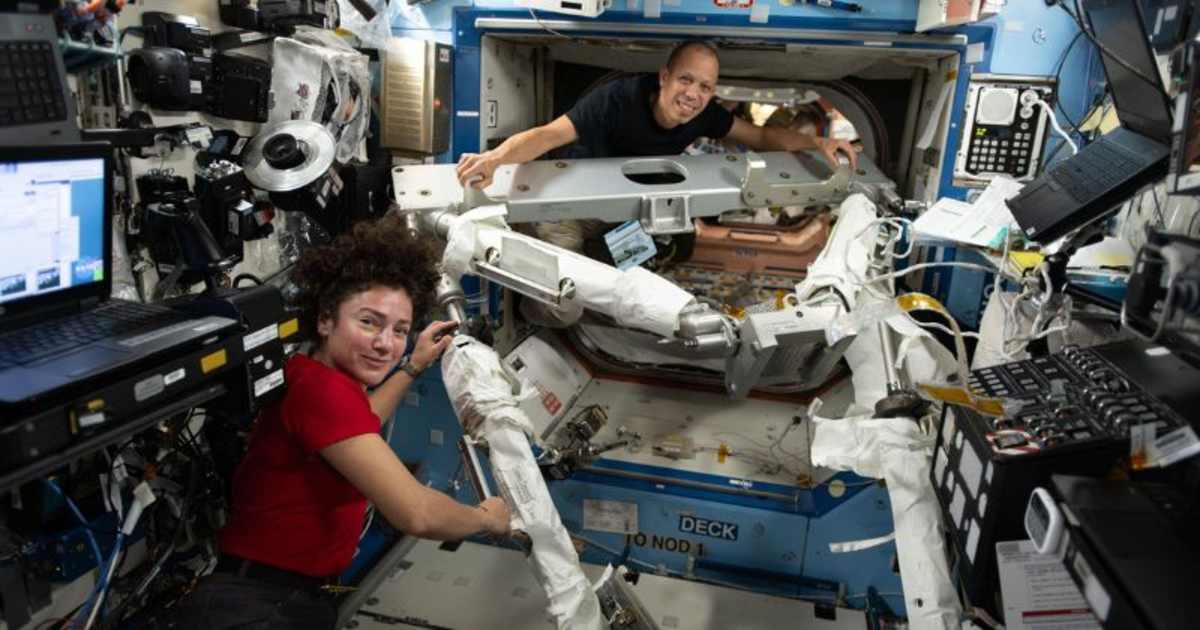
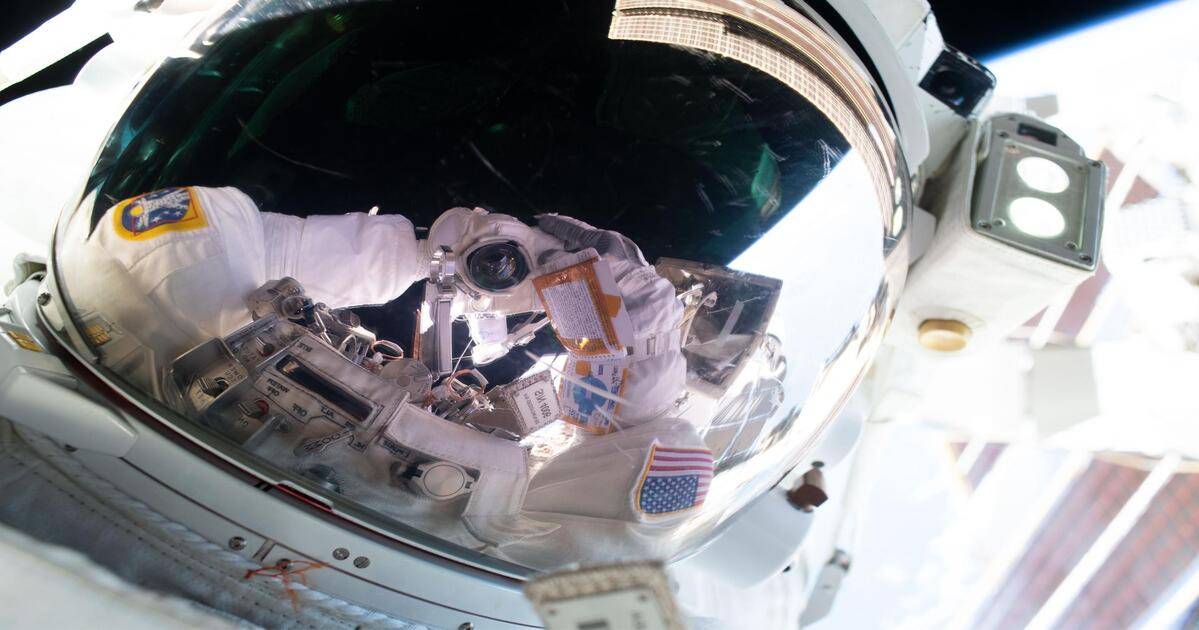
In the meantime, the Expedition 74 crew is busy preparing for more challenging tasks like an upcoming spacewalk later this week. NASA astronauts Chris Williams and Jessica Meir are expected to exit the Quest airlock around 8:00 a.m. Wednesday, March 18, to install a modification kit and route cables along the port side of the ISS. Due protocol, like collecting vital signs, replacing batteries in EVA suits, and configuring equipment was completed this week, confirmed NASA in a press release. The station prepares for the next roll-out solar array to be installed during a later spacewalk.
LIVE: We're giving a preview of our next two spacewalks, taking place outside the @Space_Station on March 18 and April 1. https://t.co/c0E91TX5wh
— NASA (@NASA) March 16, 2026
Progress 92 is an example of the continuing international collaboration in terms of crew and cargo aboard the ISS, involving all space agencies like NASA, ESA, JAXA, CSA, and of course, Roscosmos. The three cosmonauts in the orbiting lab carried out daily operational tasks while their agency’s cargo ship undocked and readied itself for a destructive atmospheric re-entry. ISS Commander Sergey Kud-Sverchkov photographed payload equipment for documentation and inspected voltage converters. Later, flight engineer Sergei Mikaev joined him to log daily work activities and test communications software. Mikaev and flight engineer Andrey Fedyaev also conducted some physical fitness tests.
More on Starlust
What cargo did SpaceX's Dragon capsule bring back to Earth after undocking from the ISS