On this day 12 years ago, NASA's MAVEN spacecraft entered Mars orbit. It may crash soon.
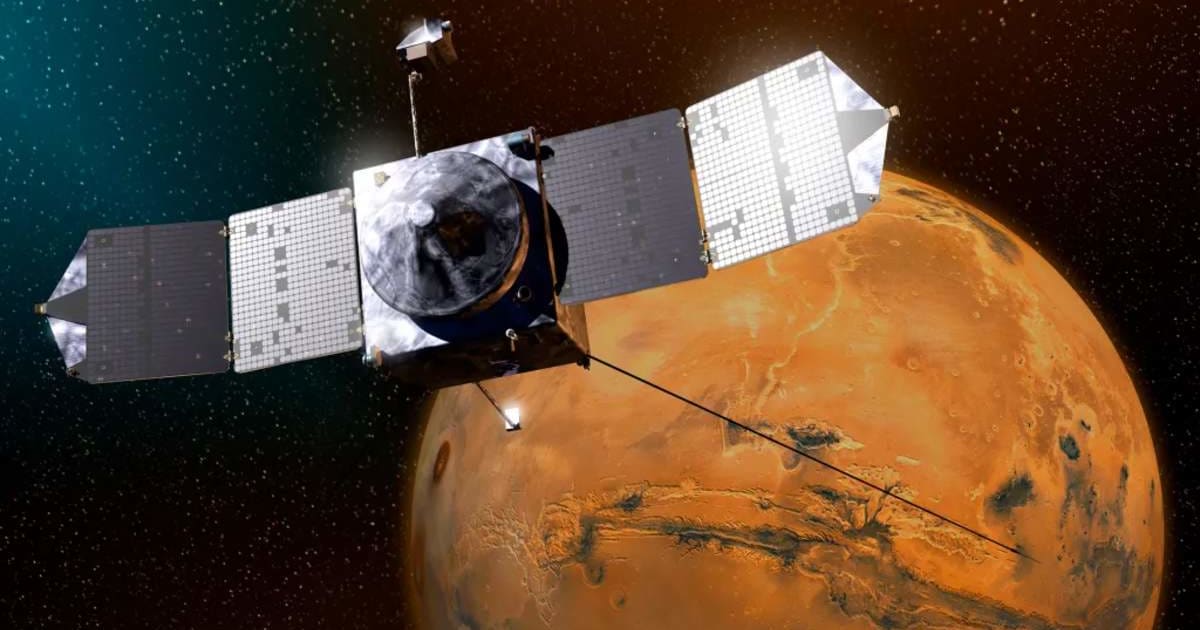
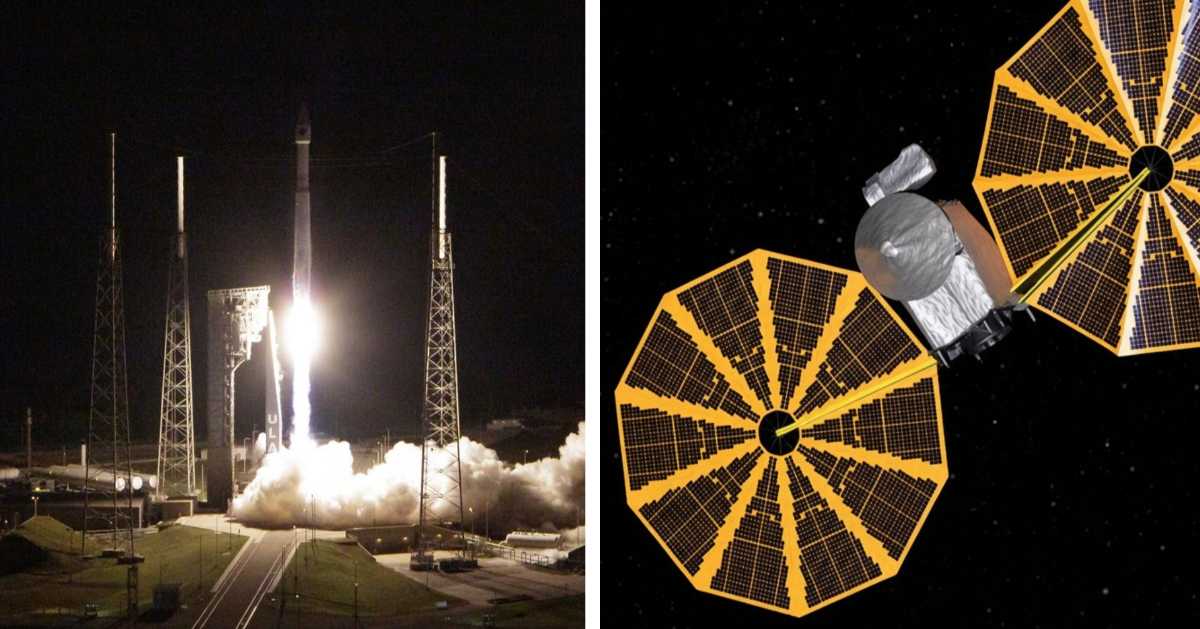
Exactly 12 years ago today, on September 21, NASA’s MAVEN orbiter entered the orbit of Mars, kickstarting a decade-long science mission that produced invaluable results. MAVEN, short for Mars Atmosphere and Volatile Evolution, took 10 months to reach the red planet after its launch on November 18, 2013, from Cape Canaveral Air Force Station, Florida, atop an Atlas V 401 rocket. It was supposed to last just one year but went on to orbit Mars for 11 years before finally being declared dead by NASA in June 2026.
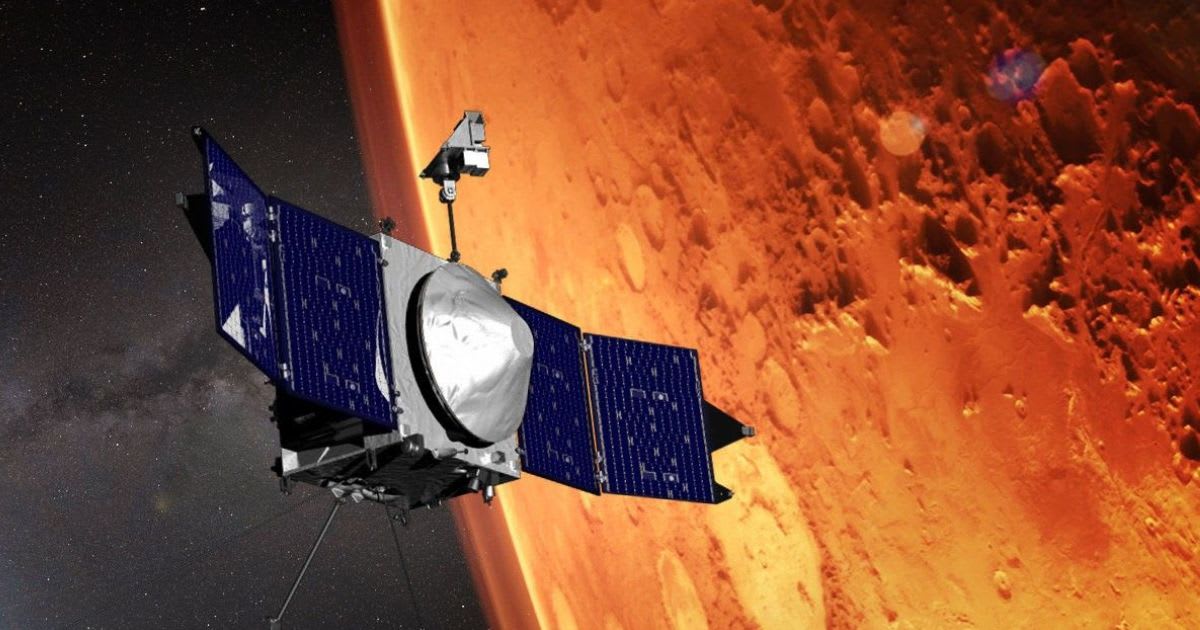
The objective of MAVEN was to study how Mars lost its atmosphere and ultimately its water over time. It was the first mission devoted to understanding the planet's upper atmosphere and how the loss of its gases led to a change in the climate. Scientists believe that Mars had oceans of liquid water billions of years ago, but something triggered the atmospheric loss, which eventually left the planet dry. The Martian atmosphere today is composed almost entirely of carbon dioxide, and it is about just one percent as thick as the Earth’s. But there are features that could only have formed by liquid water, and if water was in abundance, it's possible life may also have emerged there.
Scientists believe that Martian water may have either escaped into space or seeped into the crust, and MAVEN was tasked with supporting the investigation using a suite of eight instruments. The orbiter weighed 5,410 pounds (2,454 kilograms) at the time of launch, and it was orbiting Mars in an elliptical orbit that came as close as 150 kilometers to the surface.
What did MAVEN achieve?
According to NASA, MAVEN uncovered the Sun’s impact on Mars during heightened solar activity. It discovered that the erosion of Mars’ atmosphere increases significantly during solar storms. Thanks to the orbiter, scientists were able to study how solar wind and solar storms continually strip away Mars’ atmosphere and their impact on making it an arid world. It also discovered that on Mars, protons create new kinds of auroras everywhere on the planet, unlike Earth, where proton auroras occur only near the poles.

Another major finding was of ‘atmospheric sputtering’, meaning the atoms are knocked out of the atmosphere by energetic charged particles slamming into the atmosphere. The orbiter discovered sputtering of argon at high altitudes in the exact locations that the energetic solar particles crashed into the atmosphere. It was the first time this process was witnessed on another planet. Thanks to MAVEN, scientists also now know that dust storms on Mars can loft water molecules far higher into the atmosphere than usual, which increases the loss of water into space.
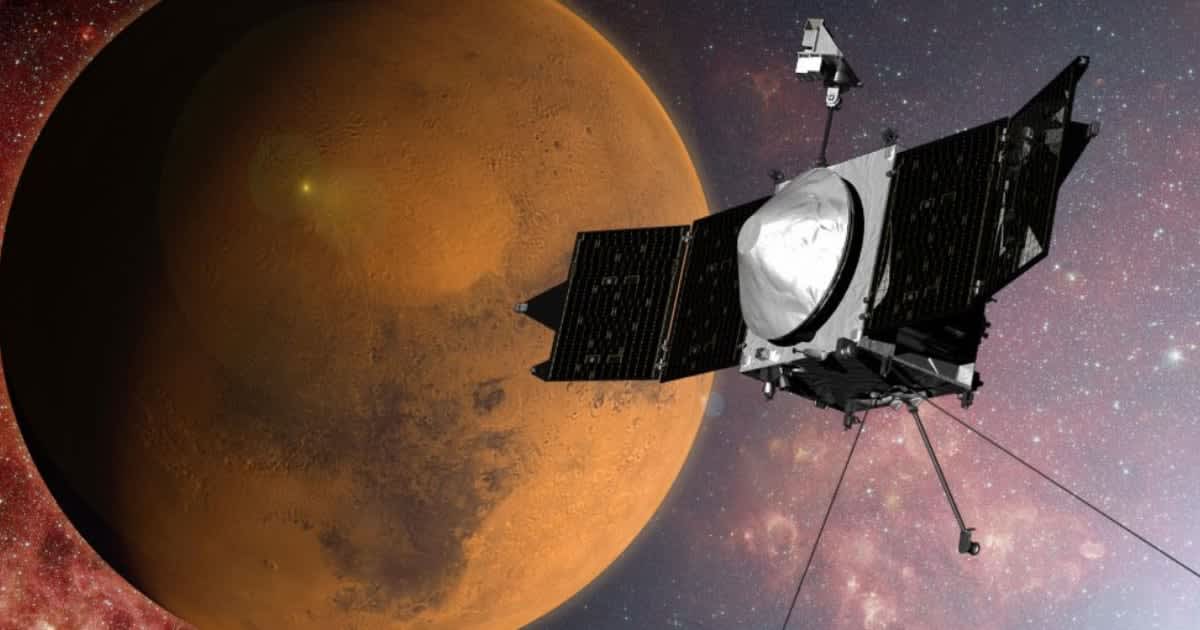
In December 2025, the MAVEN team experienced an unexpected loss of signal after the orbiter passed behind Mars and made multiple attempts to establish contact. After several months of effort, NASA announced in June 2026 that the mission had come to an end. The mission was a result of collaboration between multiple companies and institutions. The orbiter was built by Lockheed Martin, which also managed mission operations, whereas the University of Colorado, Boulder, provided two science instruments and managed science operations. The University of California at Berkeley’s Space Sciences Laboratory also provided four science instruments for the mission, whereas NASA’s Goddard Space Flight Center managed the MAVEN project and the Jet Propulsion Laboratory (JPL) provided navigation and Deep Space Network support, as well as Electra telecommunications relay hardware and operations.
What happens to MAVEN next?
Now that MAVEN has suffered a fatal issue and drained its batteries, its orbit will gradually decay and it will begin falling into Mars. According to the University of Colorado, the orbiter will eventually burn up upon entering the thin Martian atmosphere, but some of its components will impact the surface.
More on Starlust
Mars looks purple in a stunning new ESA image. Here's what's behind the color
Scientists just found a bizarre new form of ice that could explain what’s inside Uranus and Neptune