NASA races to reach silent MAVEN spacecraft ahead of December 29 solar conjunction
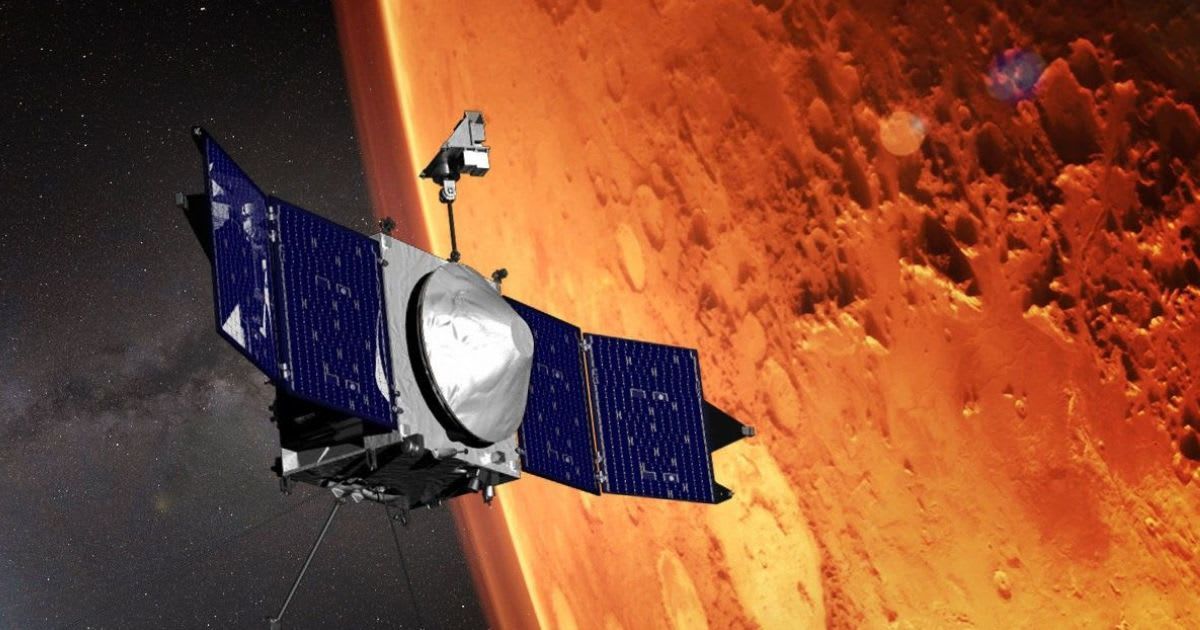
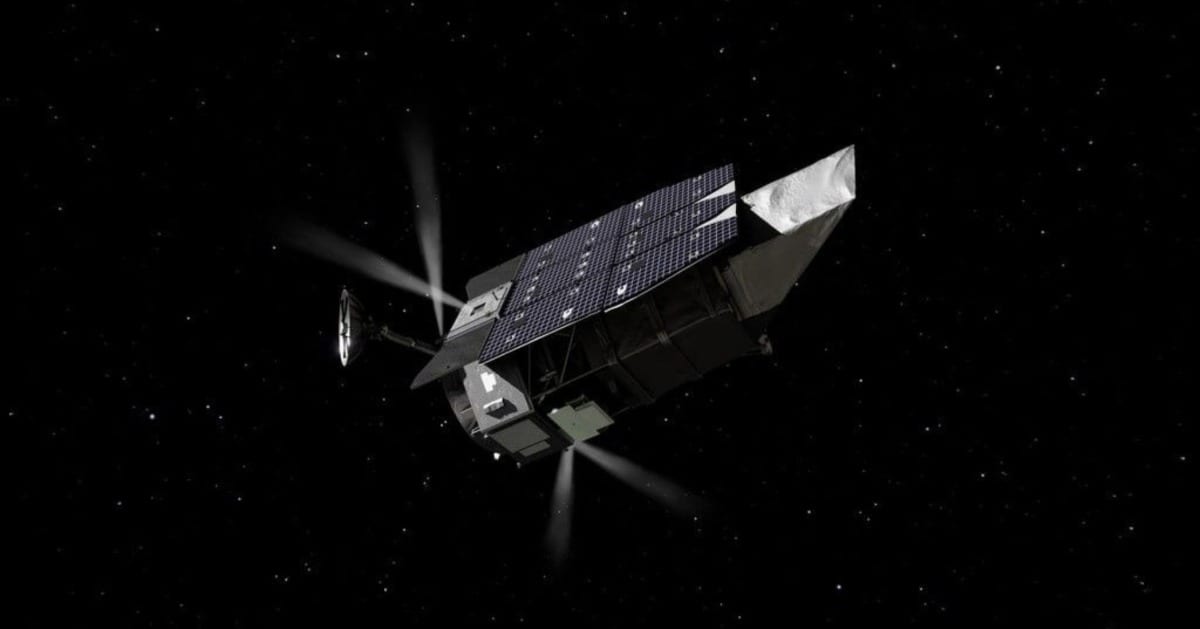
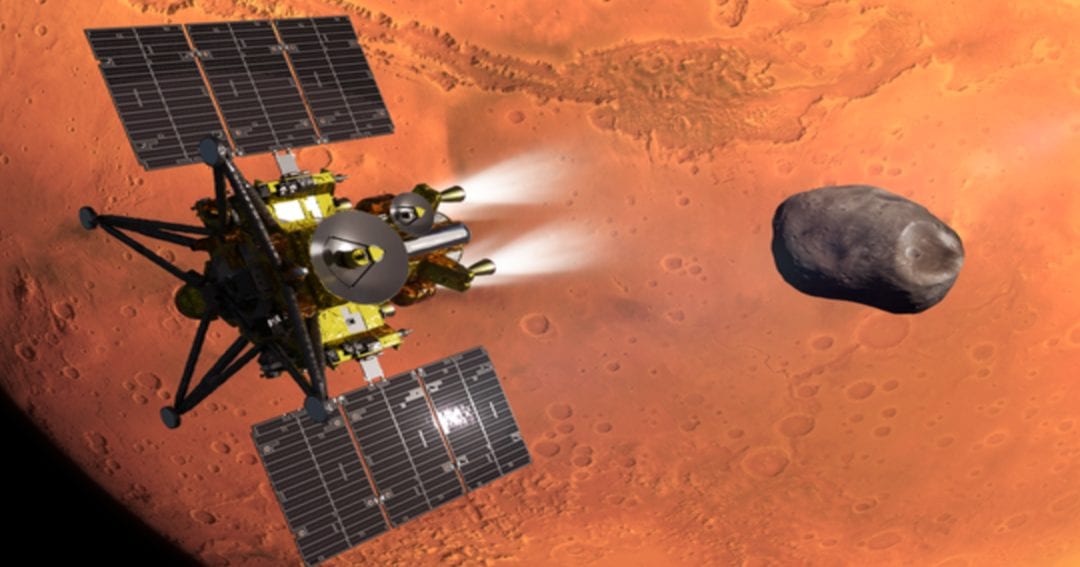
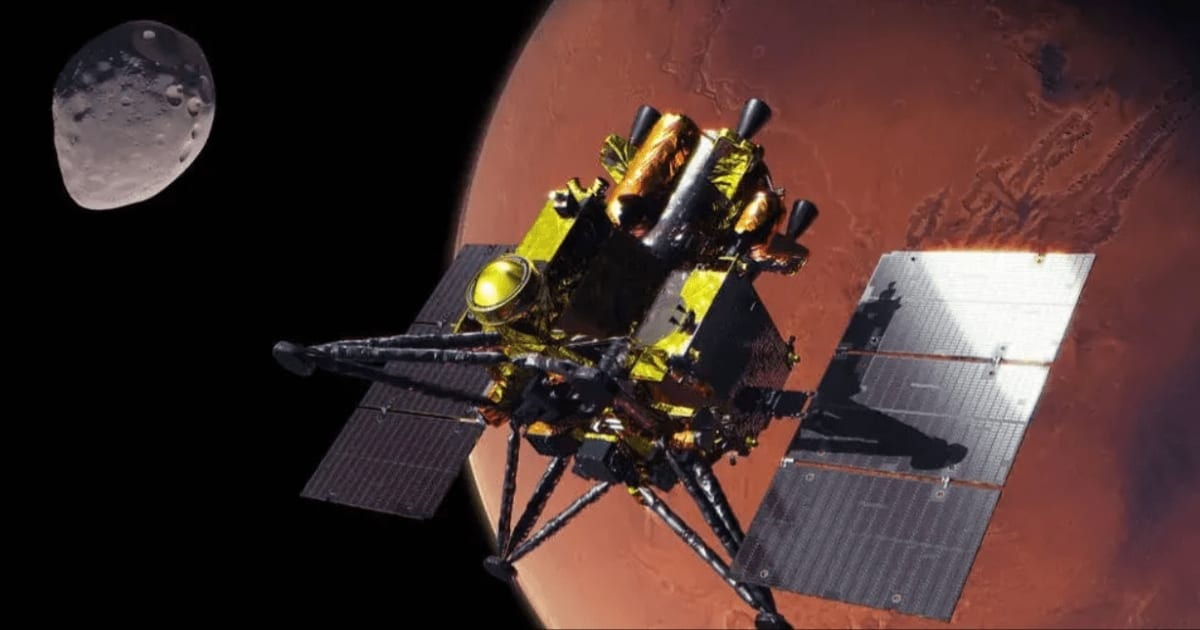
NASA engineers are putting in extra hours to work on restoring contact with the MAVEN spacecraft, which went silent earlier this month. The mission team has not detected any signal from the craft since December 6, and a great astronomical event is about to make the recovery more difficult, according to NASA.
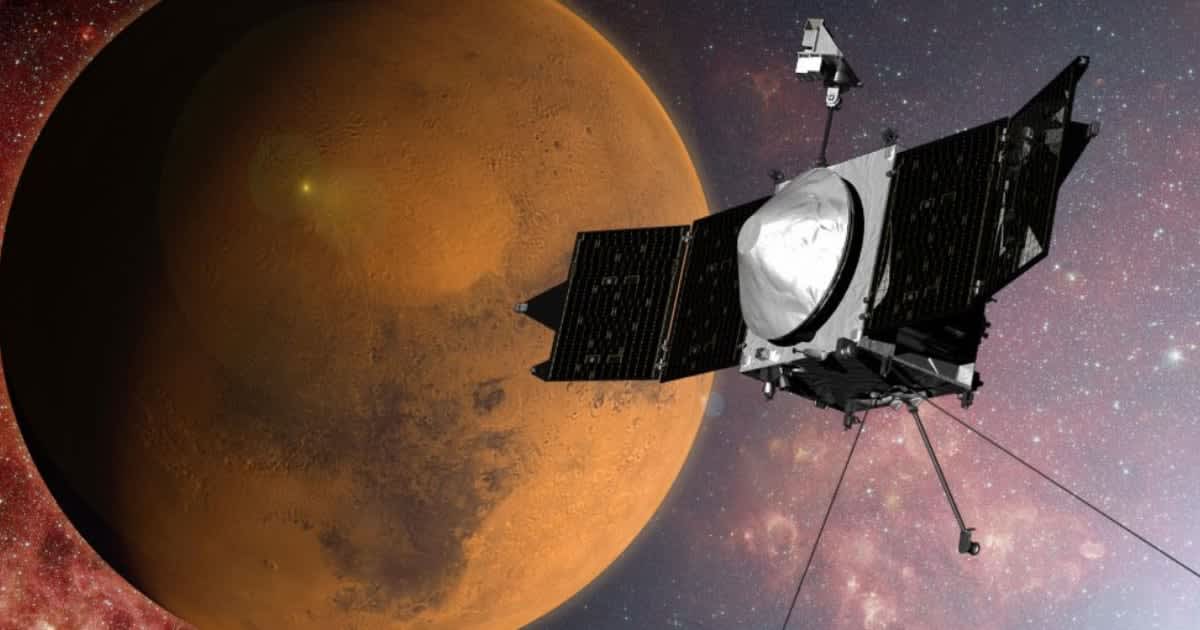
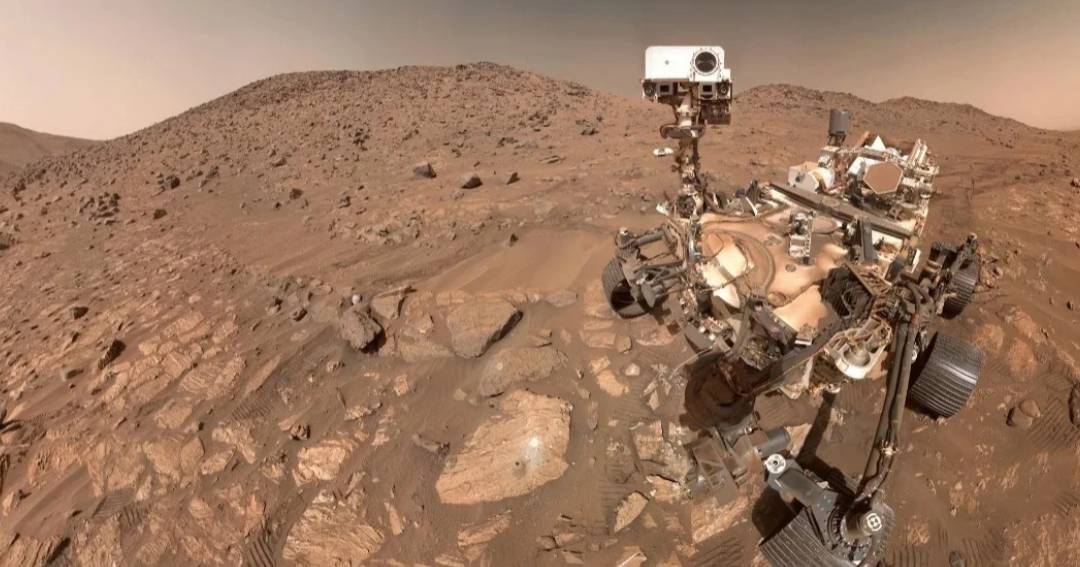
NASA, in collaboration with the Deep Space Network, has been sending wake-up commands to deep space and listening very carefully for any reply. Also, to clarify the reason why MAVEN ceased communication, the scientists are analyzing the data fragments from a radio test done just before the silence began. Moreover, the team even got the Curiosity rover to take pictures of MAVEN's anticipated trajectory on December 16 and 20, although the rover could not detect the object.
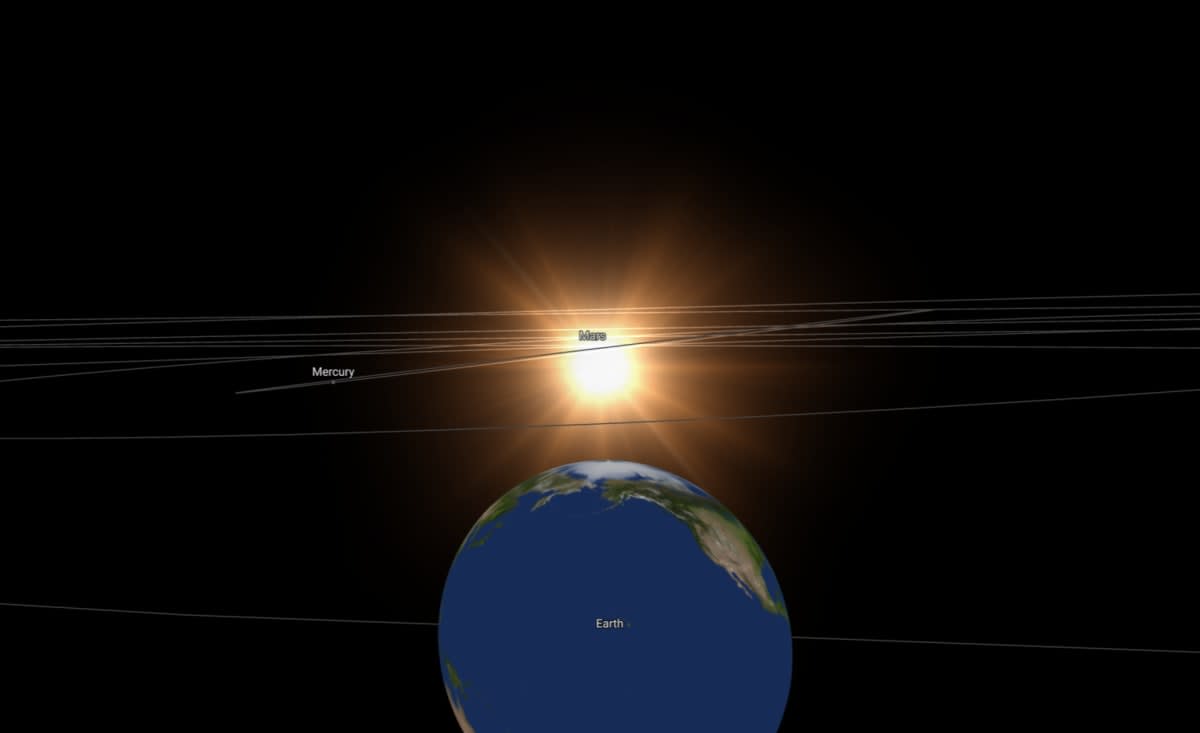
The ongoing recovery process is being pressured by an upcoming solar conjunction, which makes the situation critical. Mars and Earth will be positioned on opposite sides of the Sun starting December 29. The Sun's hot ionized gas can interfere with radio signals during this time, thus making it impossible to communicate safely with any mission on Mars. A natural phenomenon of this type will put NASA in a situation where it will have to stop its recovery attempts for a few weeks. The agency intends to start its activities right away, with the communication to be reestablished and the spacecraft's condition to be determined just after the shutdown of solar conjunction on January 16.
Although complete communication was cut off since the beginning of December, a "fragment" of data that was very weakly captured by the Deep Space Network has given a few hints. The analysis implies that MAVEN was rotating in a strange way when it was last seen from behind Mars. Moreover, the signal's frequency indicates that MAVEN might have moved out of its planned orbit. Engineers are meticulously analyzing this tracking data to uncover what exactly caused the malfunction.
MAVEN, besides its own scientific mission, acts like a critical cell tower for the rovers on the Martian surface. NASA has changed the communication route through another spacecraft so that Perseverance and Curiosity can still send their data to Earth. The Mars Reconnaissance Orbiter, Mars Odyssey, and the European Space Agency's Trace Gas Orbiter are all coming to the rescue. Rover teams have already modified their daily routines to coordinate with these alternative satellites, thus allowing the science operations to go on without a hitch.
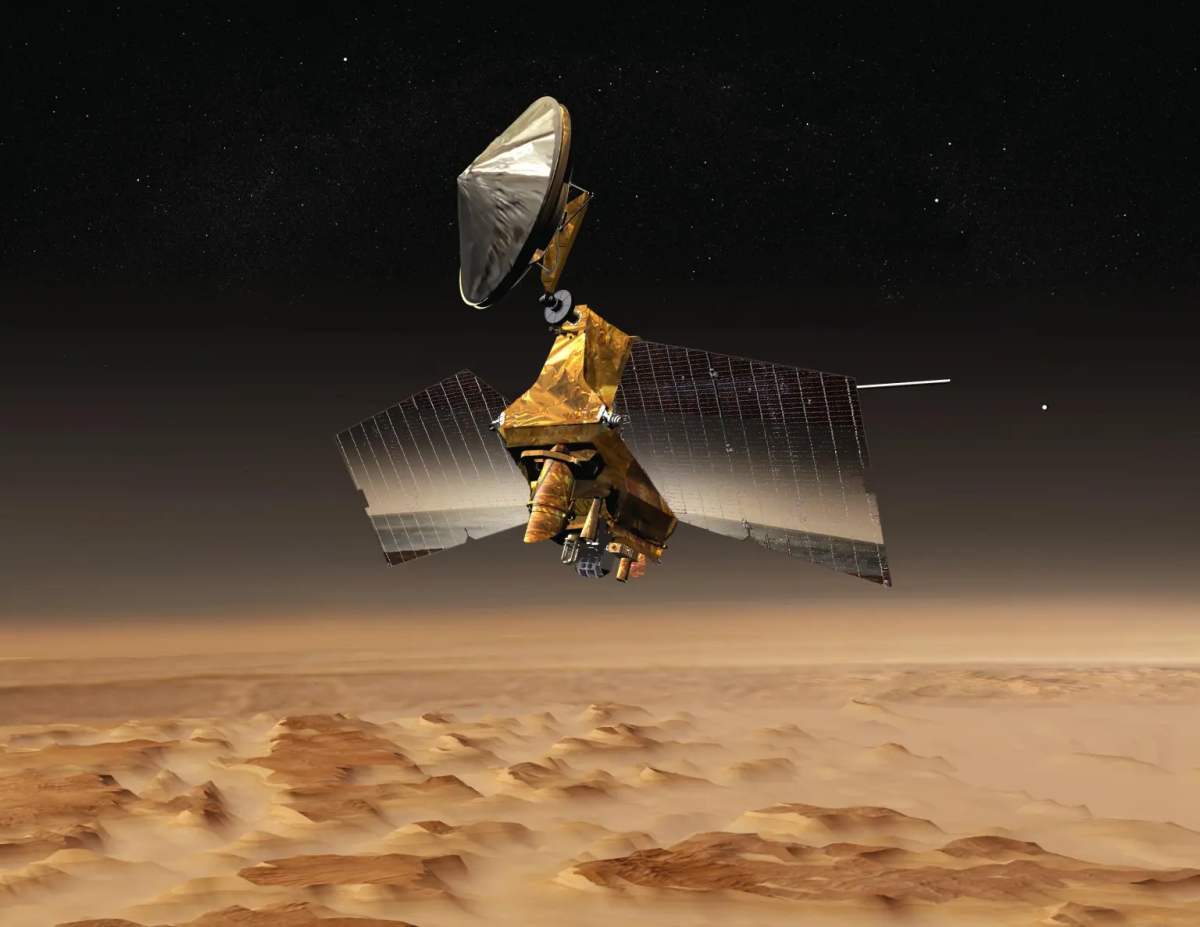
The situation is not that bad; in the past, MAVEN has survived really bad technical concerns. In February 2022, the spacecraft went silent because of a power problem with its motion sensors. The team, in that case, very skilfully and with great precision performed very technically complex repair work by teaching the spacecraft to navigate using just the stars. MAVEN, in the end, very soon (three months later) returned to full operation, proving its capability to recover from a major anomaly. Even though the waiting for a signal is stressful, the spacecraft's past of coming back indicates it might get a way to stabilize and call home after all.
More on Starlust
NASA loses contact with MAVEN orbiter as it goes silent behind Mars
NASA's Curiosity has learned four new tricks to boost efficiency after 13 years exploring Mars