Data from Chinese rover suggests Mars had liquid water as recently as 757 million years ago
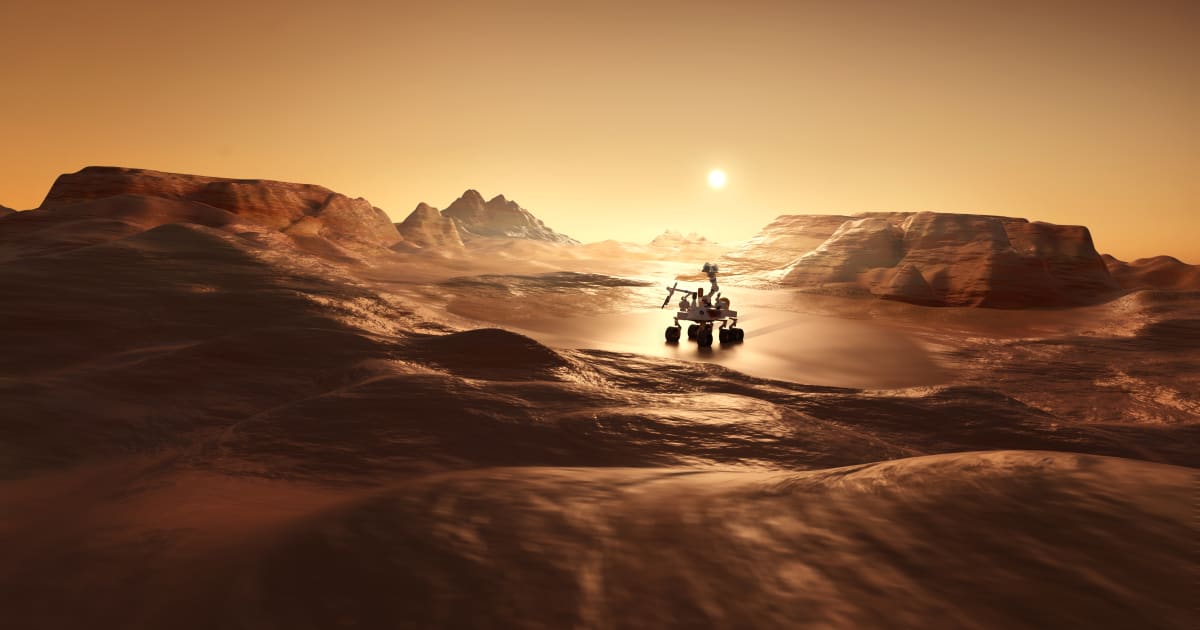
Mars may have had liquid water on its surface much more recently than scientists thought, a new study suggests. Researchers studying data from China's Zhurong rover identified euhedral selenite—a large-crystal variety of gypsum—in southern Utopia Planitia, a massive impact basin that spans 3,300 kilometers and is the largest such feature in the entire solar system. They interpret the deposit as a primary evaporite formed from surface water. The deposit lies on a surface dated to about 757 million years ago, suggesting that liquid water may have been present on Mars long after the period when its major rivers and lakes are thought to have existed.
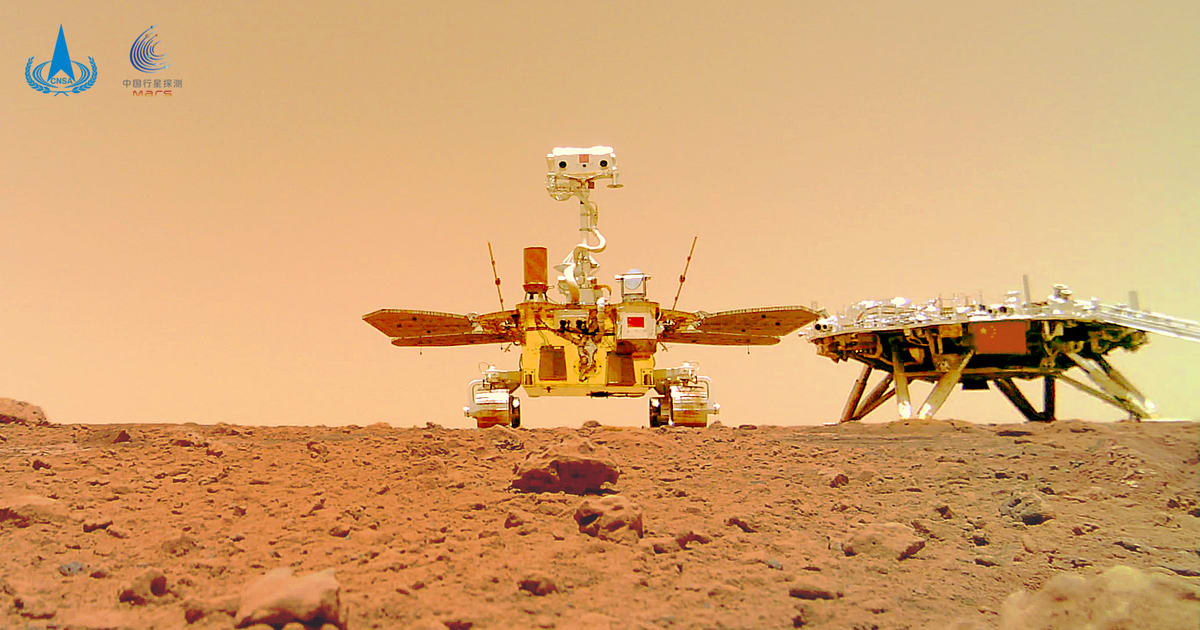
Mars is mainly thought to have become cold and dry by the time the Amazonian period began, about 3 billion years ago. Most evidence for lakes, rivers, and other surface-water environments comes from much earlier in the planet's history. The new study, published in Nature, points to a later time when water may have reached the Martian surface.
What did Zhurong find?
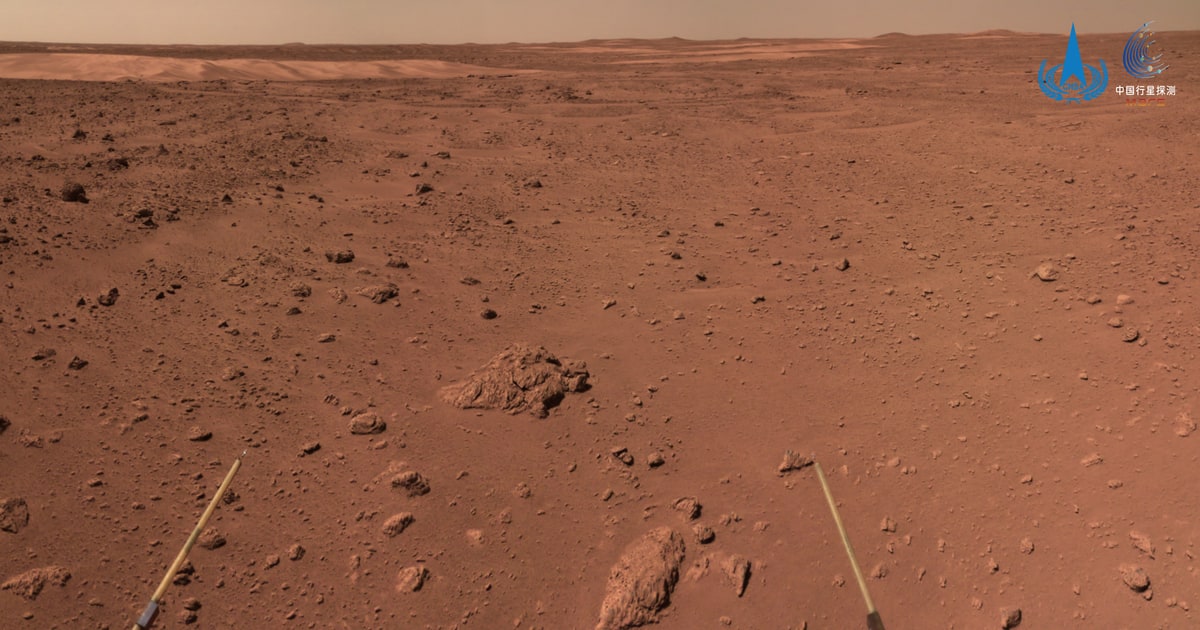
As Zhurong moved across southern Utopia Planitia, it observed a 5 to 10-centimetre thick layer of flat, plate-like rocks. Large crystals were visible on the rocks, with their shapes resembling Christmas trees, and their form, chemical signature, and structure were found to be consistent with euhedral selenite, a large-crystal variety of gypsum. Researchers think that this layer formed from surface water as it evaporated and left minerals behind.
How could the water have reached the surface?
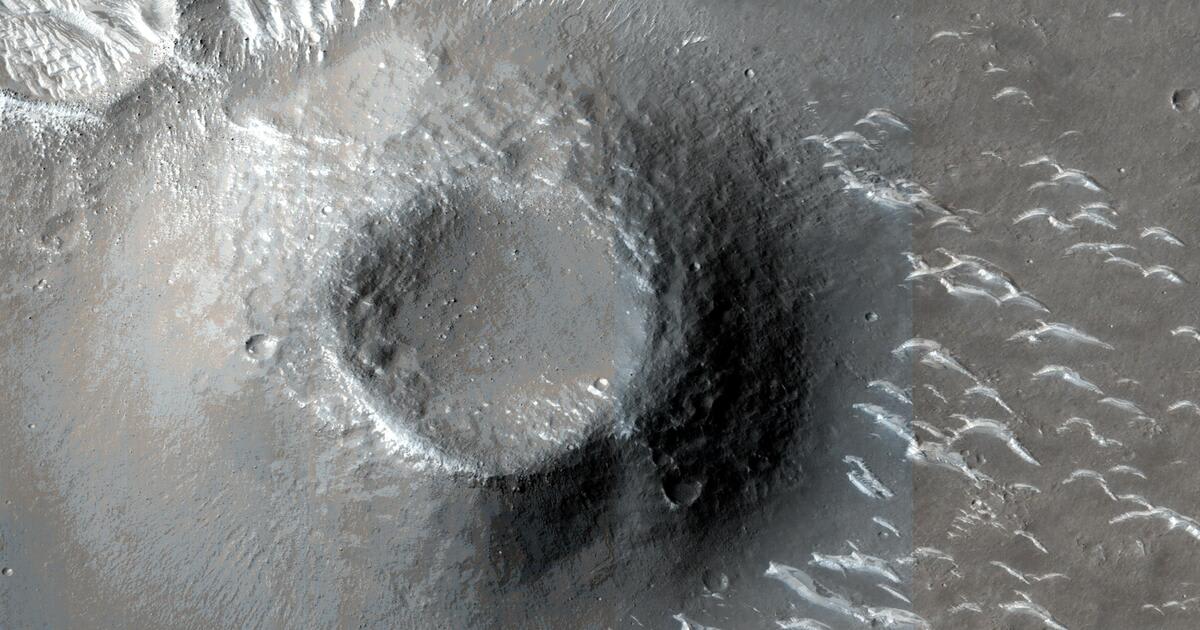
The researchers suggest that salty groundwater may have risen toward the surface, possibly driven by heat from magmatic activity, and could have collected in a shallow layer beneath an ice-covered surface. Freezing would have caused some of the ice to be lost through sublimation, leaving the water increasingly salty. This could have helped gypsum crystals form as the salts became more concentrated.
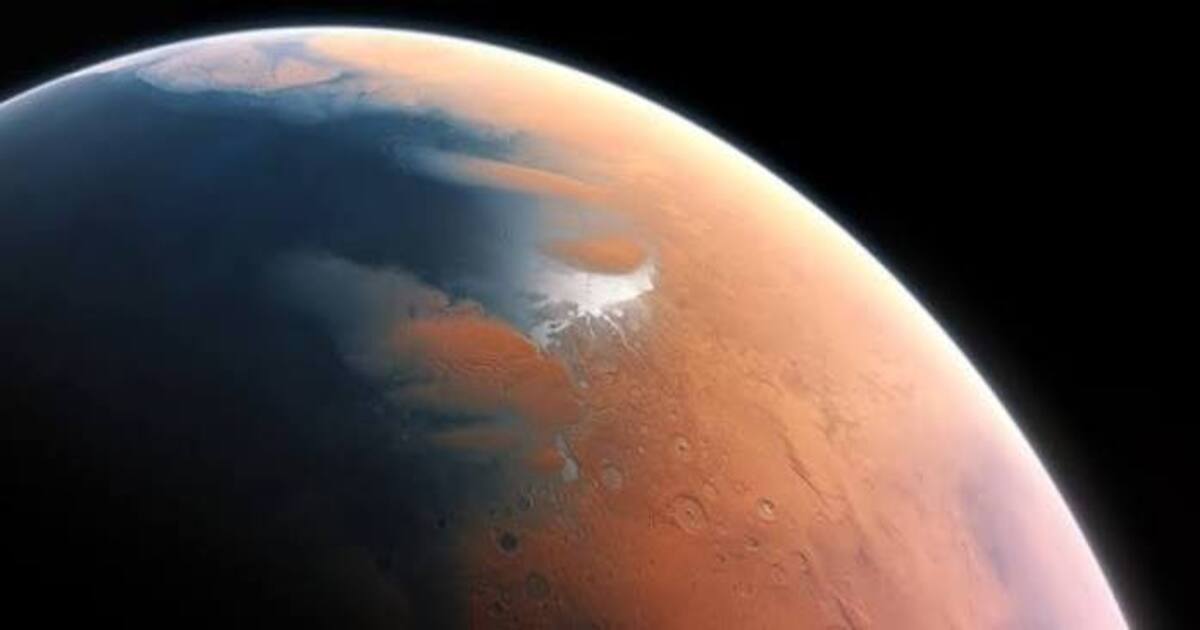
The study estimates that forming the observed evaporite would have required a cumulative water-equivalent column of 6.25 to 25 meters. That does not mean a 25-meter-deep lake existed at the site. The liquid layer could have been around a meter deep or less at any one time, with groundwater supplying more water repeatedly or continuously.
Why does age matter?
Given that the surface containing the deposit is estimated to be only about 757 million years old, researchers considered the possibility that the crystals formed much earlier and were later exposed by erosion. Their analysis, however, favors an explanation in which the evaporite formed at or near the surface at a more recent time in Mars' history.
Earlier observations from Zhurong had already pointed to water-related activity at the landing site, and the new finding adds a mineral clue, identifying a selenite gypsum deposit and linking its formation to surface water.
The crystals may preserve clues about ancient water
The large selenite crystals may also contain fluid inclusions—small pockets of brine trapped inside the crystals as they formed. The researchers say these inclusions could preserve the chemical composition of the water from which the crystals formed.
The finding does not mean Mars had a large lake or ocean at the site. Instead, the researchers' model points to a local source of surface water, possibly supplied by saline groundwater. The result suggests that liquid water may have reached the Martian surface much later than the period when major water bodies are thought to have existed on the Red Planet.
More on Starlust:
ExoMars rover to search for signs of ancient life in vast Martian clay deposit
NASA's Mars Perseverance rover finds buried river delta in Jezero, improves chances of finding life