'Best. Mars. Mission. Ever.': A look at MAVEN's achievements as NASA bids goodbye to spacecraft
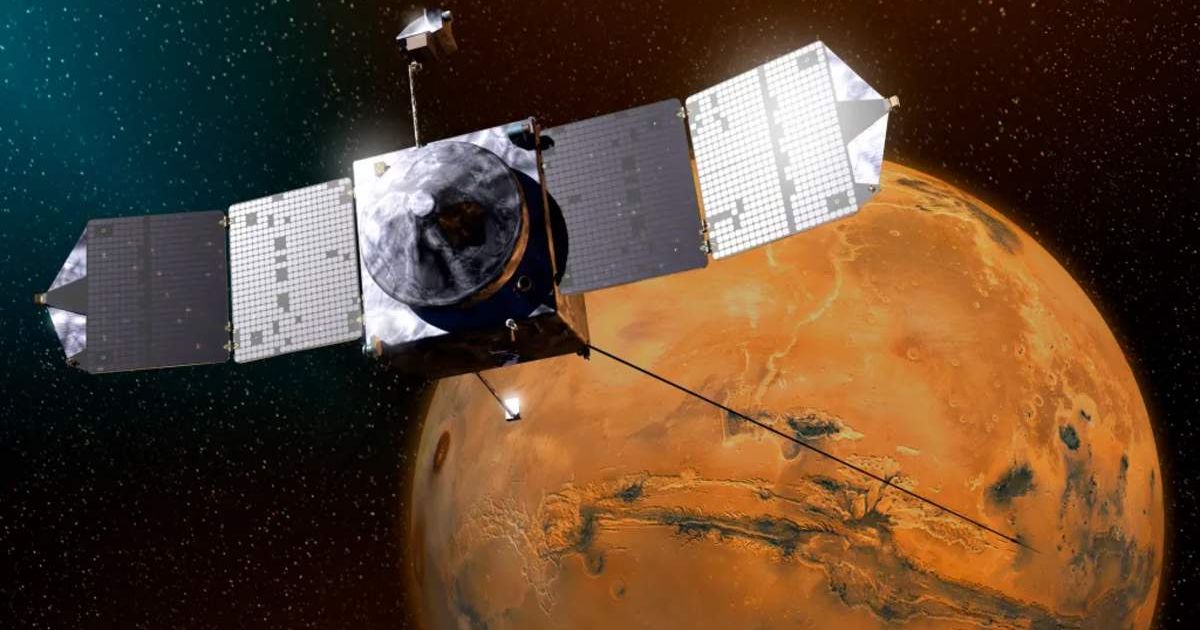
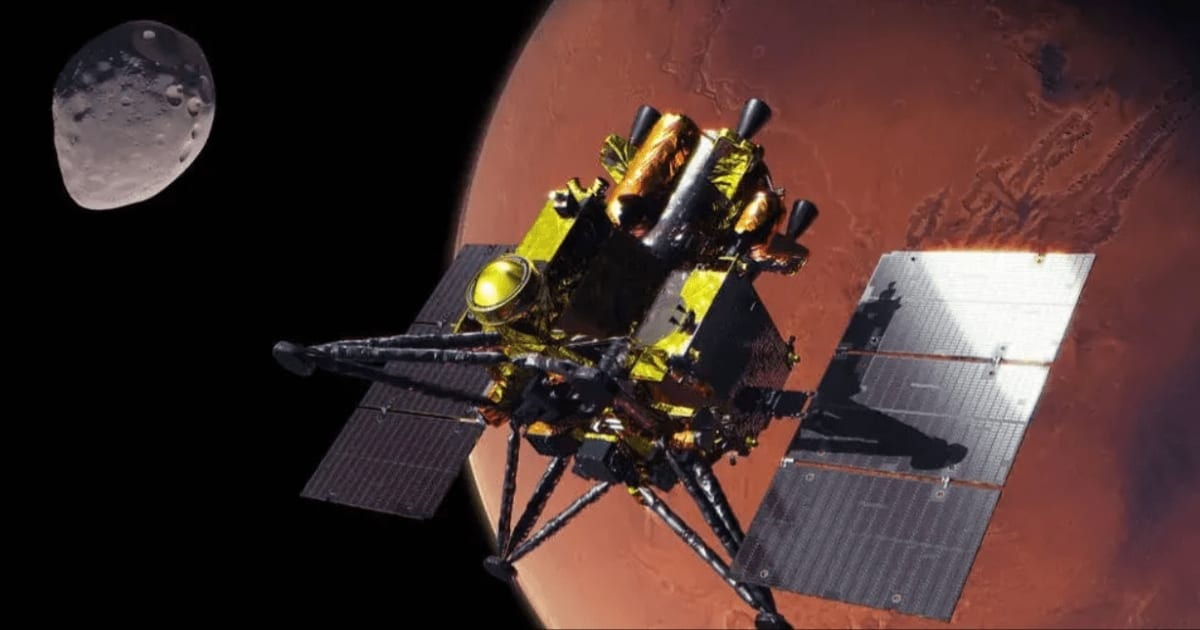
On June 3, 2026, NASA officially announced the end of its MAVEN mission (short for Mars Atmosphere and Volatile EvolutioN). This decision came after an anomaly that left the MAVEN spacecraft unrecoverable. The spacecraft was launched in November 2013 and kept operating for over 11 years, a full decade beyond its original one-year mission. Speaking at Wednesday's media teleconference, Mike Moreau, the MAVEN project manager, said the team has "really experienced the loss of a loved one with the end of the mission here." Shannon Curry, MAVEN's principal investigator, added, "The team was certainly broken up about this, but at the same time, we're incredibly proud of the science we've accomplished over the last decade," she said, calling MAVEN "the best observer of atmospheric escape anywhere in the solar system" and, without hesitation, "Best. Mars. Mission. Ever."
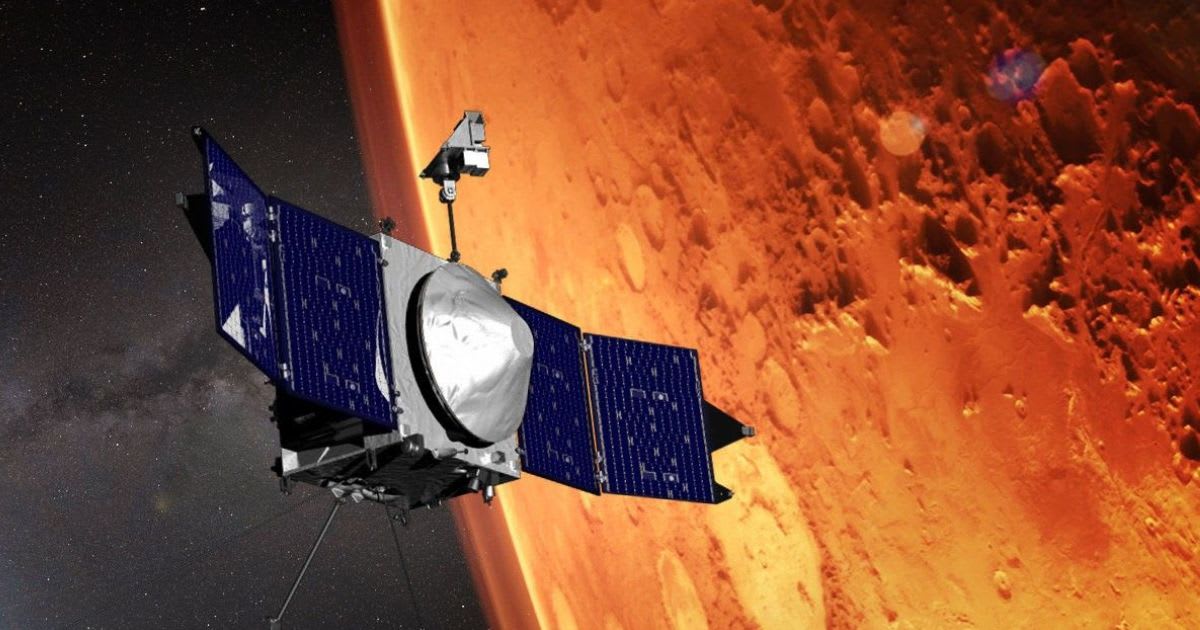
The satellite sent its last transmission on December 06, 2025. It passed behind Mars as part of its regular orbit, but when it emerged on the other side, NASA's Deep Space Network received no signal. A fragment of telemetry data recovered from the analysis of radio signals showed that the spacecraft had entered safe mode and was spinning at an unexpectedly high rate. That uncontrolled spin drained its batteries, which cut power to the communications system entirely. NASA assembled an anomaly review board in February 2026, whose findings were consistent with what the mission team had already concluded: MAVEN is not recoverable, and it can no longer perform its role.

NASA's investigation is ongoing, and these are described as preliminary findings. The full report is not expected until later this year. For now, the space agency has begun the formal decommissioning process, with the complete mission dataset being archived following standard procedures. Commenting on the accomplishments made by MAVEN in a statement, NASA's Planetary Science Division director Louise Prockter said, "The science MAVEN has given us is key to informing what kind of radiation protection and safety measures we must take before sending humans to Mars. The data collected from MAVEN will continue to provide valuable insight into Mars for decades to come."
What MAVEN accomplished in over a decade at Mars
MAVEN was the first mission ever launched entirely to study Mars' atmosphere. The mission's goal was to study how Mars interacts with the Sun and how its atmosphere has been lost to space over billions of years. Understanding this matters because it's the atmosphere that once kept Mars warm enough to hold liquid water on its surface. "The MAVEN mission has truly advanced our understanding of the Martian atmosphere and evolution," Curry said. "This dataset has had a tremendous impact on the field. Our science team is exceptionally proud of all of these amazing discoveries." Over its lifetime, the team produced more than 800 published research papers, with more still in the pipeline.
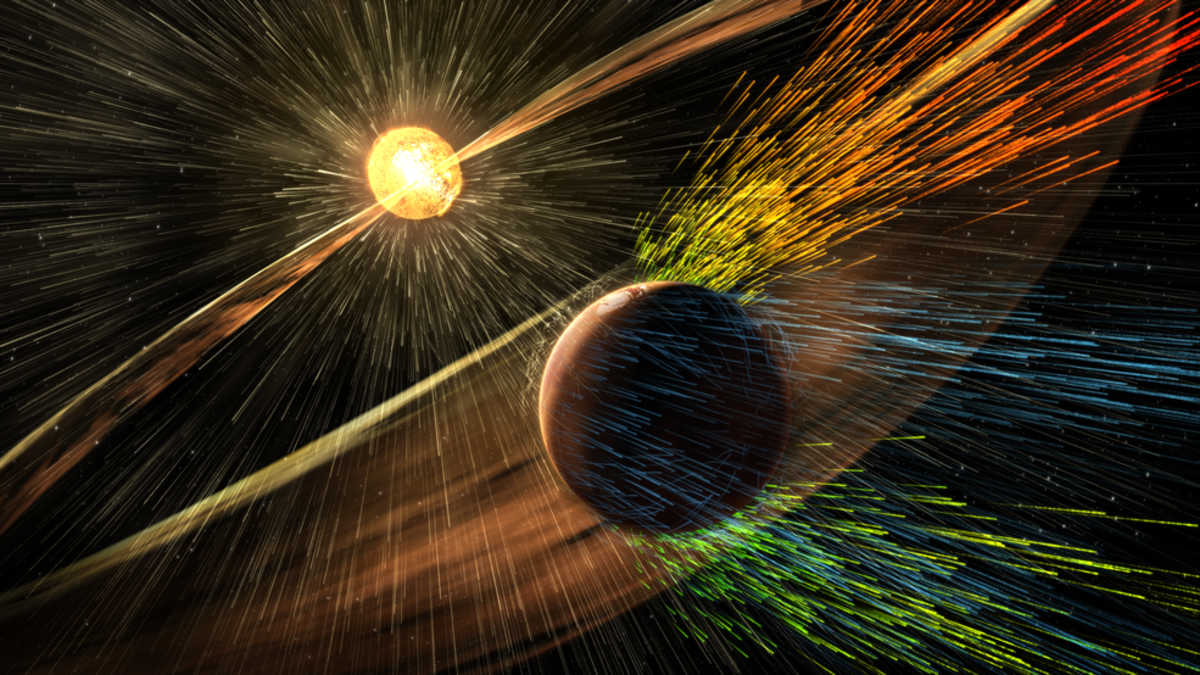
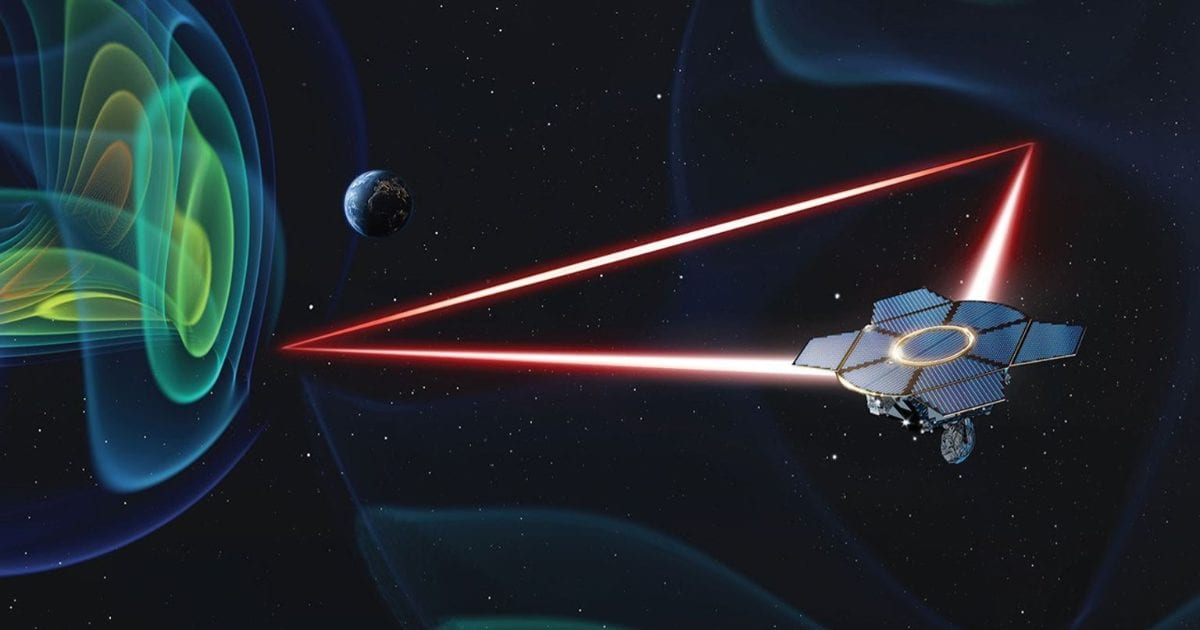
One of MAVEN's earliest and most significant findings was that solar storms dramatically speed up the loss of Mars' atmosphere. The Sun constantly sends out a stream of charged particles called the solar wind. On Earth, a global magnetic field deflects most of that stream. Mars lost its global magnetic field long ago, so the solar wind hits the atmosphere directly. During solar storms, the erosion becomes much more severe. MAVEN was the only spacecraft capable of simultaneously measuring the Sun's output and Mars' atmospheric response, and this gave scientists unprecedented insights into the whole dynamic.
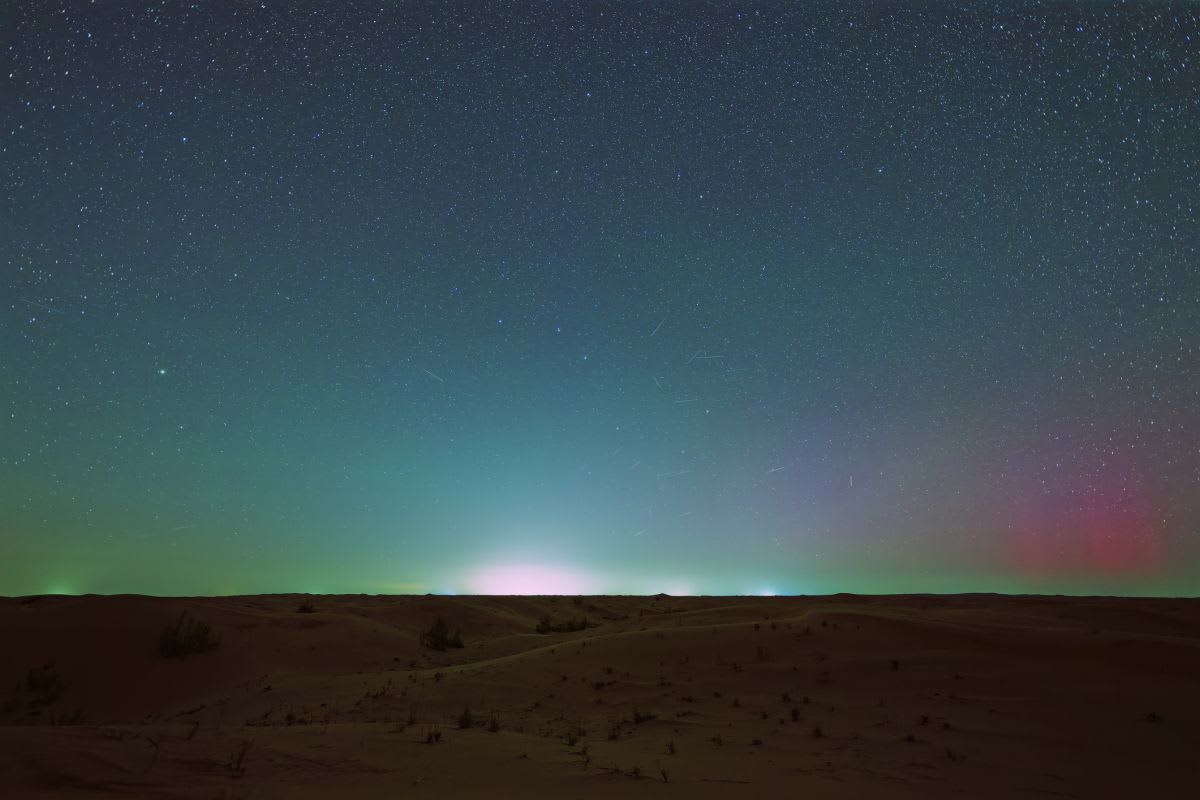
Another key discovery was observing several types of auroras on Mars. These auroras are visible glows that appear when energetic particles from the Sun plunge into the atmosphere and cause gases to emit light. Because of the fragmented and weak magnetic environment of Mars, they can appear anywhere across the planet. MAVEN also made the first-ever measurement of atmospheric sputtering at any planet. In this process, ions move at high speed and crash into the upper atmosphere and knock gas molecules out into space. Using 11 years of data, the team identified sputtered argon at high altitudes in exactly the locations where energetic particles were crashing in.

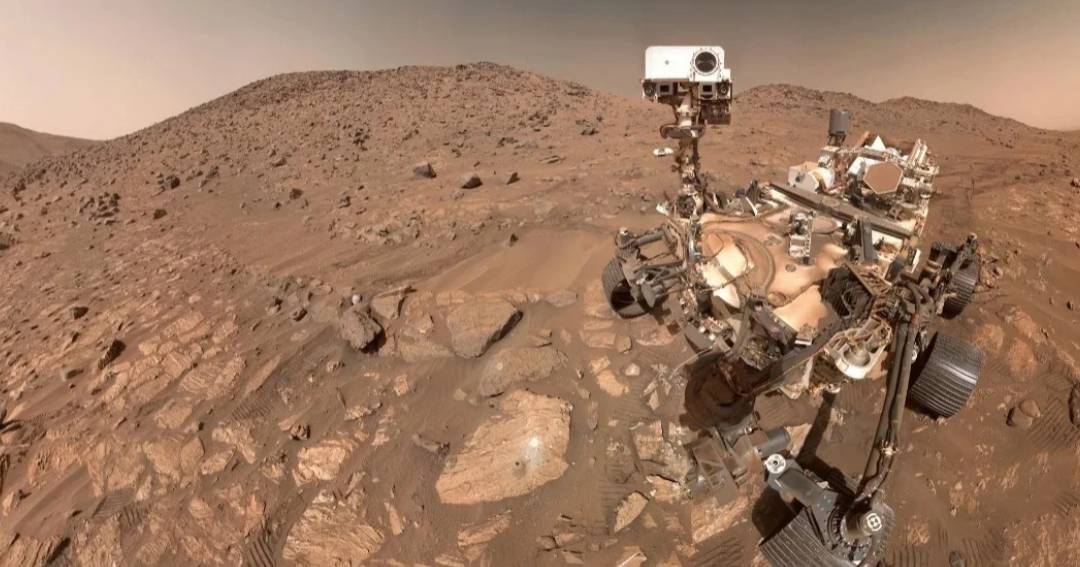
In one of its last campaigns, MAVEN contributed to NASA's observations of comet 3I/ATLAS as it passed through the inner solar system. This was done by capturing images across multiple wavelengths and taking high-resolution UV images to identify hydrogen coming from the comet. It was also a key part of NASA's Mars Relay Network, as it helped send data from Mars rovers back to Earth. It even holds the solar system record for the most data relayed from another planet in a single day. NASA is now archiving the full mission dataset for the science and exploration communities to continue working with for years to come.
More on Starlust
This Paralympian from the UK could become the first physically disabled person to live in space