Taurid meteor shower to hit first peak on October 14, 2026—Viewing tips and what to expect tonight
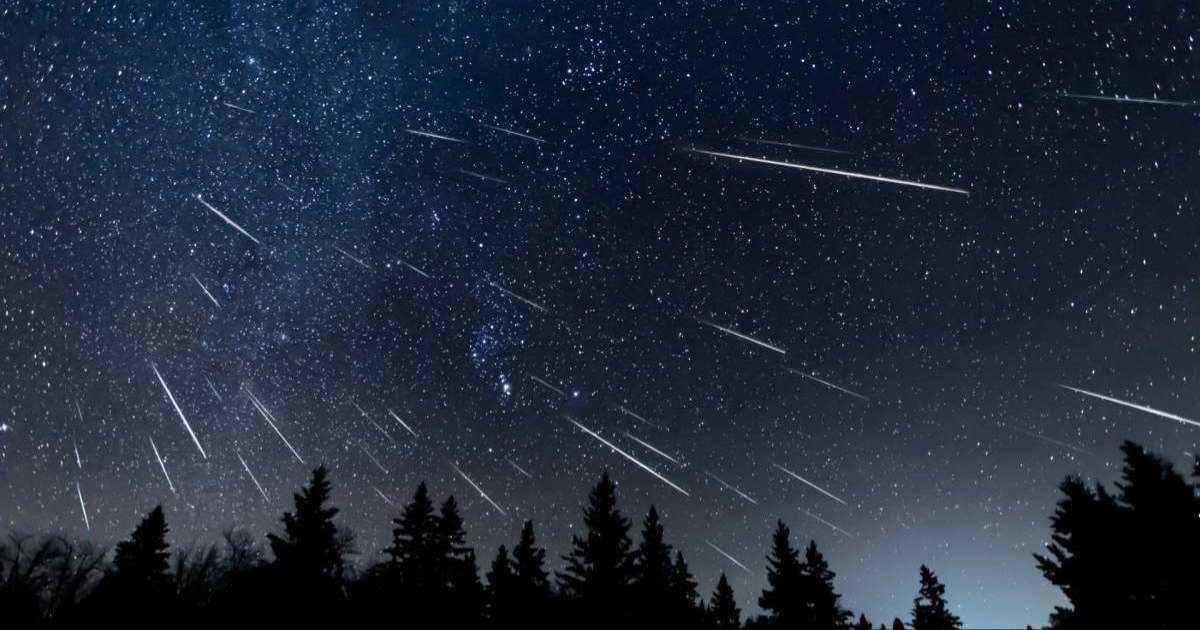
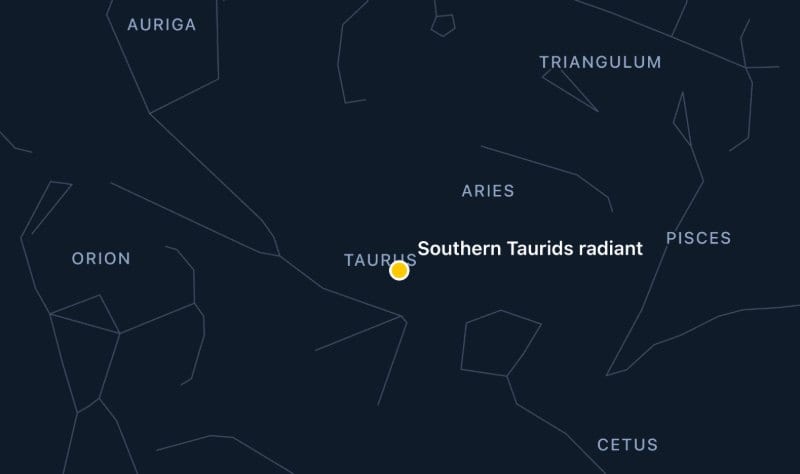
The Southern Taurids, which have been active since September, are about to reach their ‘peak’, and observers may have a good chance to spot some fireballs in the night sky. According to the American Meteor Society, the Southern Taurids are a complex annual meteor shower that has two peaks. The first is called the annual component, which happens on October 14—this is when Earth is passing through the densest part of a comet’s debris tail—and the second is the fireball-swarm component, which peaks on the night of November 4-5 and brings a swarm of meteors.
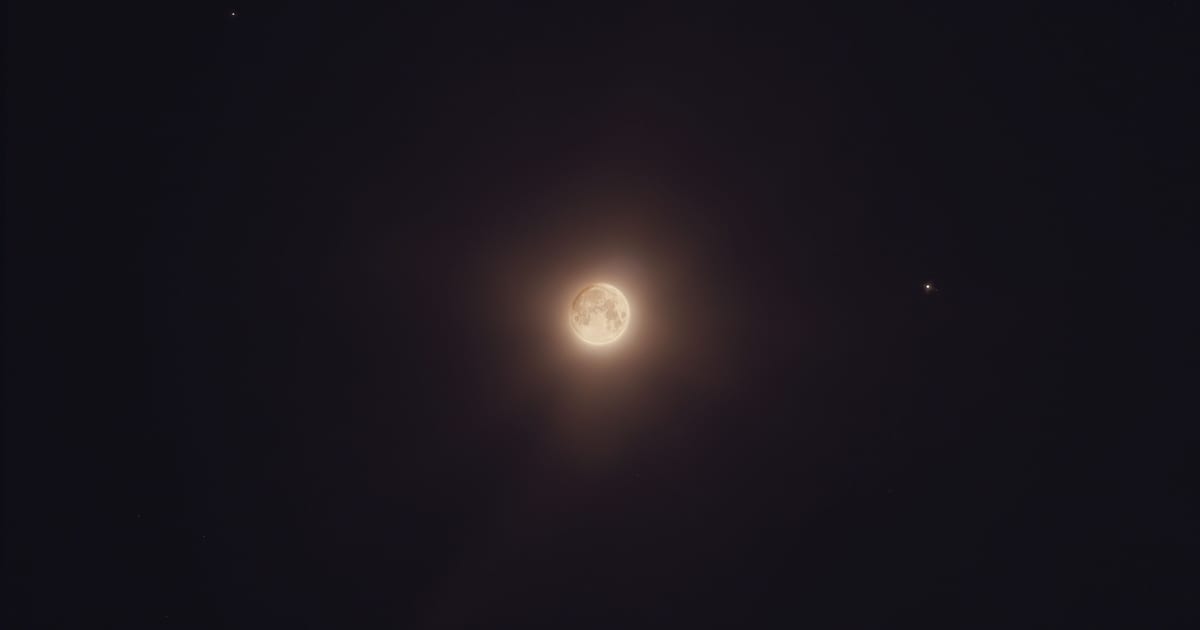
What you may see during the October 14 peak is a small number of meteors—just about five an hour—but they could be exceptionally bright and make up for the lack of numbers. These meteors will travel at a velocity of 17 miles per second, giving observers ample time to spot them. Visibility should not be a problem, as the Moon will be in its waxing crescent phase with just 15 to 16 percent illumination.
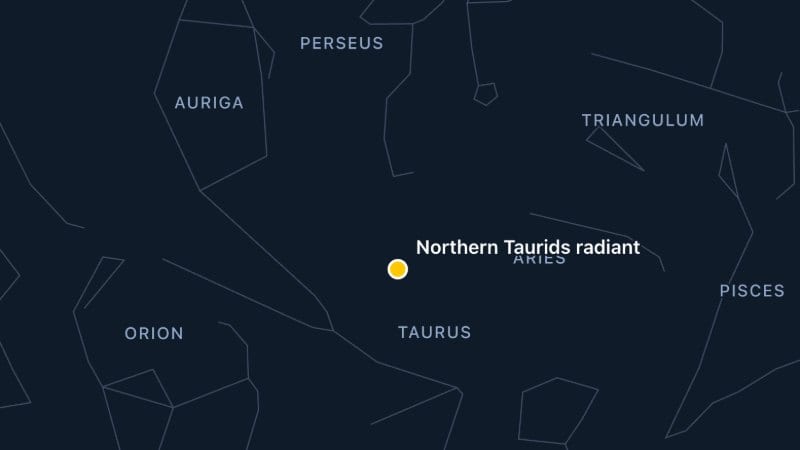
There are also the Northern Taurids, which are active from October 13 to December 2, according to EarthSky. The two showers will overlap until the Southern Taurids end on November 20. Both streams have their radiant (apparent point of origin in the sky) at or near the constellation Taurus (the bull), and they’re visible from the northern and southern hemispheres. The best time to look for them is after midnight when the constellation is high in the sky. The Northern Taurids, which will peak on November 11-12, also produce fewer meteors (about five per hour) under ideal conditions, but they are often bright and relatively slow-moving at about 18 miles per second.
Where do Taurids come from?
The parent comet of the Taurids, Comet 2P/Encke, was first discovered by Pierre F. A. Mechain on January 17, 1786. Interestingly, it is not named after its discoverer but after Johann Franz Encke, who calculated the comet's orbit.
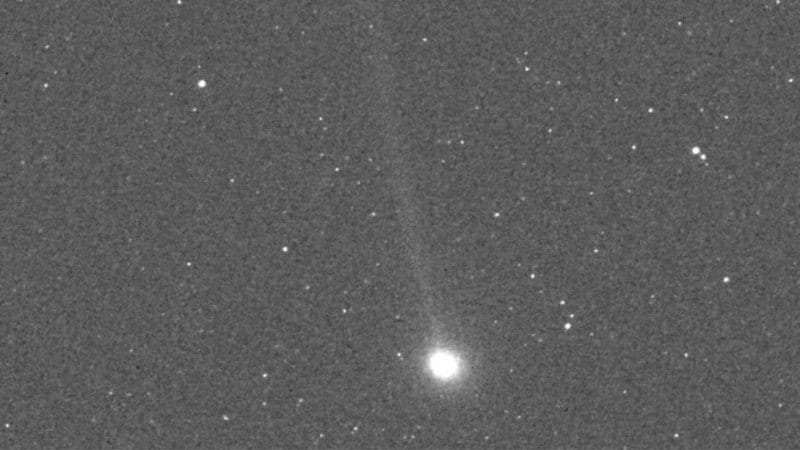
According to NASA, this comet has a diameter of nearly three miles and has the shortest orbital period of any known comet within our solar system (3.3 years). The letter P in 2P/Encke signifies that it is a periodic comet, which has an orbital period of less than 200 years.
What else to expect in October?
On October 14, the Moon will be in close conjunction with Antares, a red supergiant star in the Scorpius constellation. The duo will appear a few degrees apart in the southwest about 45 minutes after sunset in North America, whereas in some parts of the world the Moon will pass in front of Antares, creating what is called an occultation. On October 16, Jupiter, Mars, and Regulus—the brightest star in the constellation Leo—will appear to form a straight line in the pre-dawn southeastern sky. A week later on October 21-22, the Orionid meteor shower will peak, producing up to 20 meteors per hour. The American Meteor Society says that the Orionid display has been low to average in recent years, but in the years 2006-2009 it produced as many as 75 meteors per hour.
More on Starlust
Spot Capella, Arcturus and Sirius: 3 bright stars are dazzling the October night sky
October's Full Moon 2026: Peak date, city-wise timings and viewing tips for Hunter's Moon