Axiom, Prada join hands to create new inner layer for spacesuits slated to be worn during Artemis IV
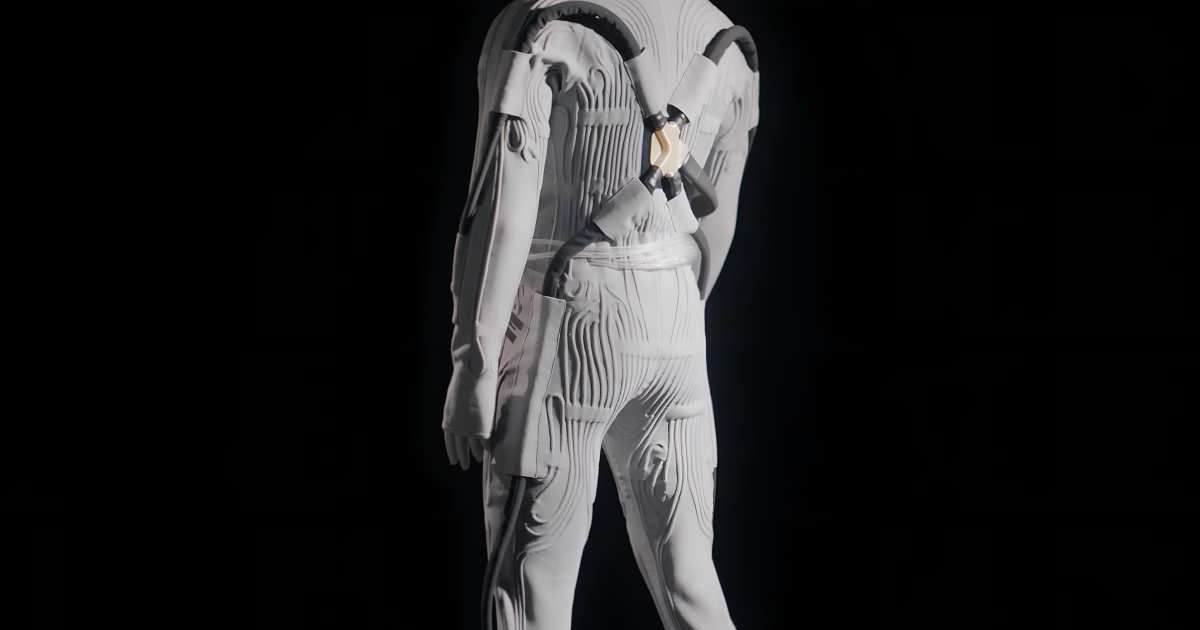
Axiom Space and Prada have collaborated to create a new inner garment for the Axiom Extravehicular Mobility Unit (AxEMU) spacesuit, which is due to be worn by the astronauts of Artemis IV when exploring the Moon. The inner layer, called the Liquid Cooling and Ventilation Garment (LCVG), was revealed by the companies on June 7, 2026. As the name suggests, the LCVG relies on the transport of liquids via a network of tubes embedded all over the garment to maintain temperatures the astronauts find comfortable while being subjected to the inhospitable conditions of the lunar surface.
Axiom Space has teamed up again with @Prada to introduce the Liquid Cooling and Ventilation Garment (LCVG), the innermost layer within the #AxEMU spacesuit that is designed to protect astronauts from the elements when they explore the lunar surface for the first time in more than… pic.twitter.com/Oqoz8x8Ohj
— Axiom Space (@Axiom_Space) June 7, 2026
The benefit of having the Italian luxury fashion brand be a part of the inner garment's development is in the innovative design concepts, such as engineered knitting, that Prada brings to the table. "By bringing together the best in both aerospace engineering as well as luxury craftsmanship and advanced product development, we have developed a garment that neither company could have created independently, and that is exactly the kind of cross-industry thinking that will define the next era of human spaceflight," said Axiom's CEO and President, Dr. Jonathan Cirtain.
Ahead of humanity’s return to the lunar surface, Axiom Space and Prada unveiled the Liquid Cooling and Ventilation Garment (LCVG) designed to be worn by astronauts inside the Axiom Extravehicular Mobility Unit (AxEMU) spacesuit.
— PRADA (@Prada) June 8, 2026
The LCVG collaboration draws on Prada's expertise… pic.twitter.com/c09B4YmVSJ
The collaborative nature of the LCVG's development meant advanced 3D modeling techniques were employed to ensure that the garment keeps the wearer cool and ventilated throughout eight-hour-long extravehicular activities, or EVAs. Since Prada has also perfected high-performance fabrics, their expertise in finding the right materials was also drawn from in making the LCVG reliable enough to be worn several times over long-term missions. The way the inner garment works in dissipating the heat generated by an astronaut's metabolism is by circulating cold water through tubes that cover the human body's major muscle groups; this heated water is then routed to the portable life-support system in the AxEMU spacesuit's backpack-like unit. Once there, the thermal energy is transferred to a secondary system and expelled into space, allowing the chilled water to recirculate in a continuous, closed loop.
As a backup to the aforementioned network of water-carrying pipes, the inner garment also features a redundant cooling circuit, which was considered vital given the extremes in temperatures. Lunar temperatures can plummet lower than minus 410 degrees Fahrenheit and rise above 250 degrees Fahrenheit due to the lack of an atmosphere. The LCVG also has a separate set of tubes that offer ventilation to the wearer; fresh oxygen is pumped continuously across the astronaut's face to wash away exhaled carbon dioxide, which is then routed into the life-support unit's scrubbers in a cyclical fashion.

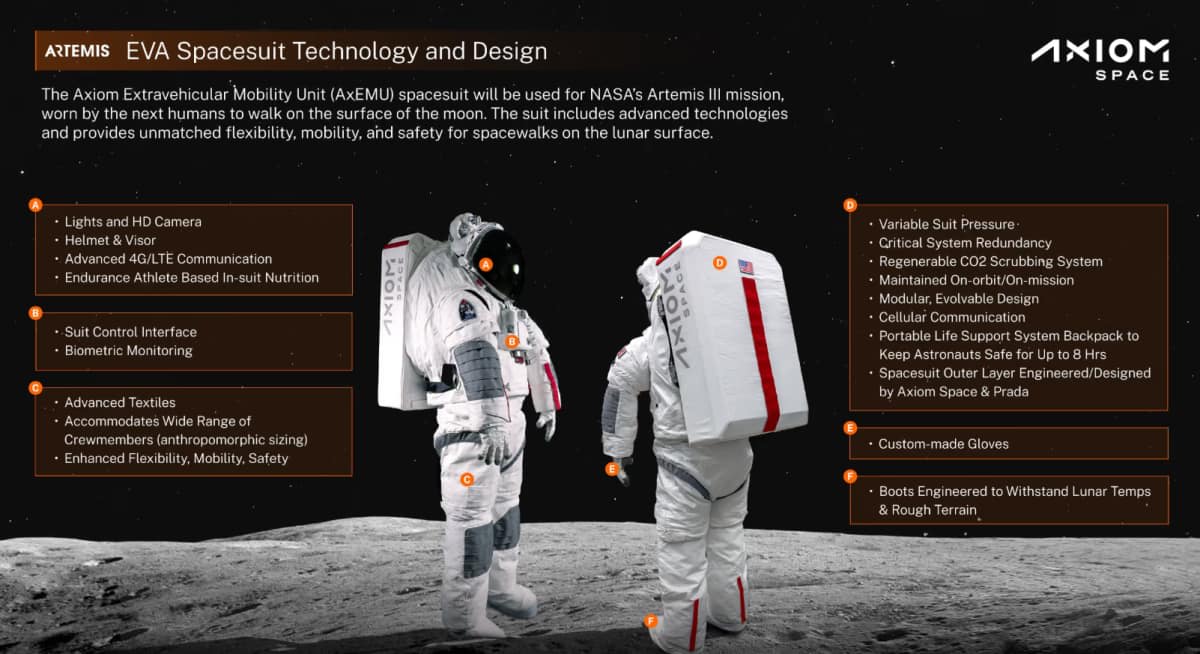
The LCVG is not the only component of Axiom's spacesuit that has seen the intervention of Prada. The 113-year-old company was also part of the development of the outer layer of the AxEMU, which must protect from the above-mentioned temperature swings and be strong enough to withstand micrometeoroids that the astronauts could encounter when they land on the lunar south pole. “When we unveiled the AxEMU, we announced that the collaboration between Prada and Axiom Space would continue beyond that first milestone. Today, we are proud to present a new achievement born from the unique combination of Axiom Space’s pioneering expertise and Prada’s know-how in design, pattern-making, and advanced materials, ahead of humanity’s return to the lunar surface,” said Prada Group Chief Marketing Officer and Head of Sustainability, Lorenzo Bertelli. Recently, questions were raised about the readiness of the spacesuit by the NASA Office of Inspector General. However, NASA Administrator Jared Isaacman remained confident that it would be Axiom's AxEMU that will be worn when astronauts touch down on the Moon in 2028.
More on Starlust:
What sets the Artemis II crew's bright orange spacesuit apart from past missions' gear
NASA scientist reveals what would happen to your body in the vacuum of space without a spacesuit