NASA's Lunar Gateway controversy grows as module manufacturer downplays Isaacman's corrosion claims

NASA’s planned Gateway lunar space station has been making headlines after Administrator Jared Isaacman told Congress on April 22 that “the only two habitable volumes that were delivered were both corroded.” The issue, which had pretty much remained a secret until Isaacman's testimony, garnered widespread reactions, including acknowledgement and clarification from the project’s chief contractor, Northrop Grumman, and its manufacturer, Thales Alenia Space. Interestingly, while Thales confirmed the damage affecting the two critical habitation modules, the space and defense company described it a little differently than Isaacman did.
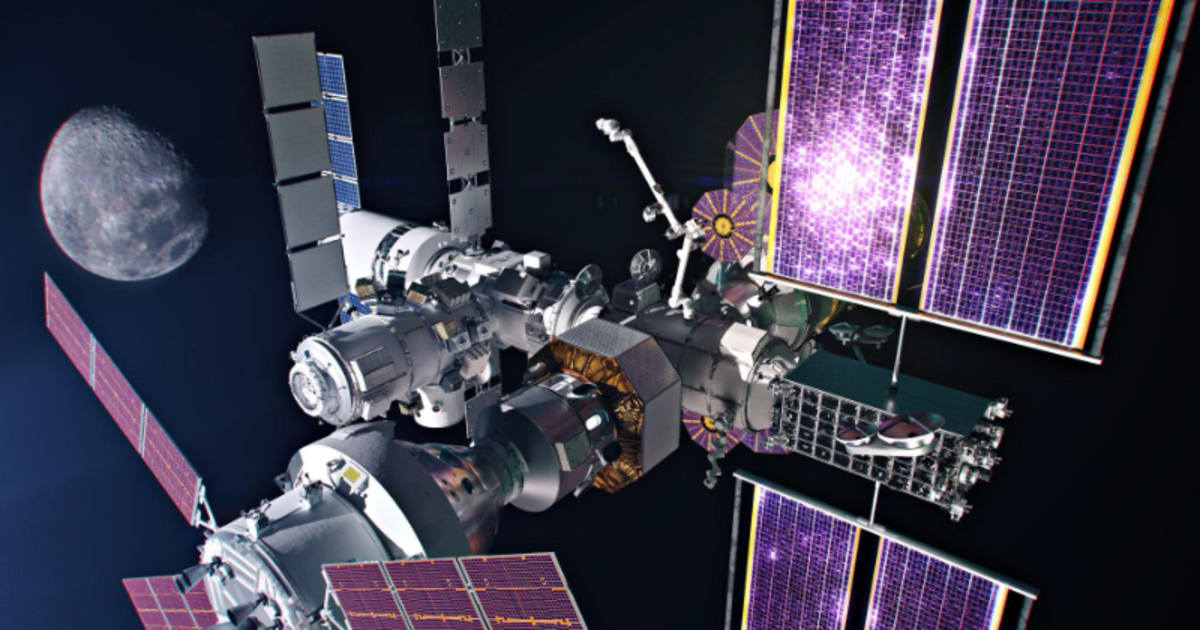
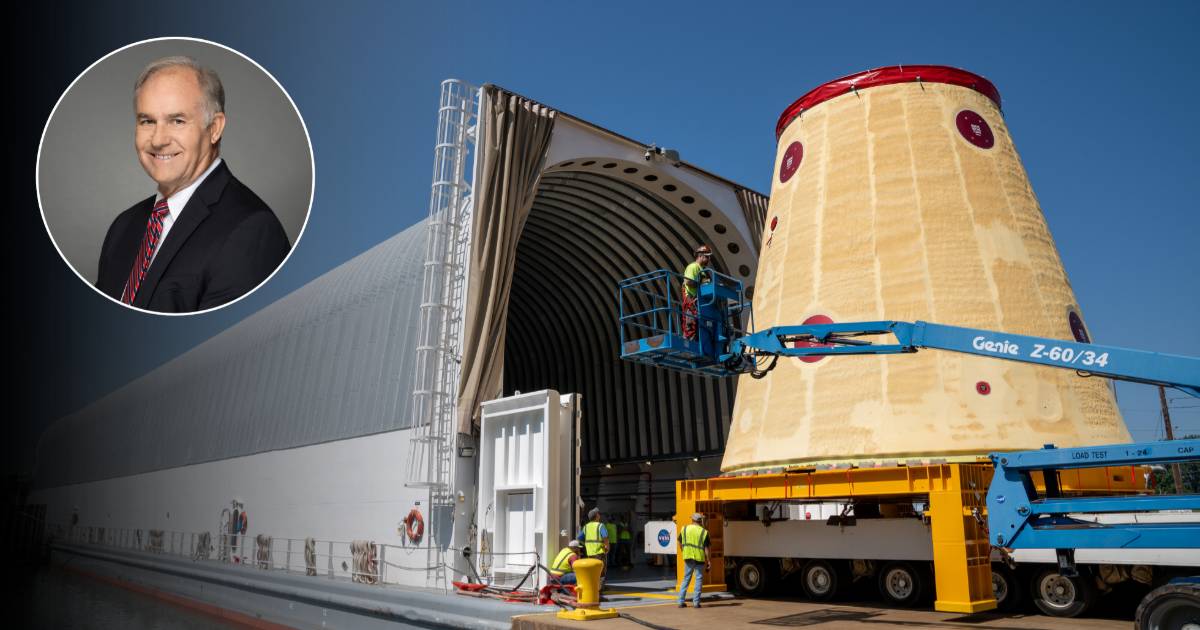
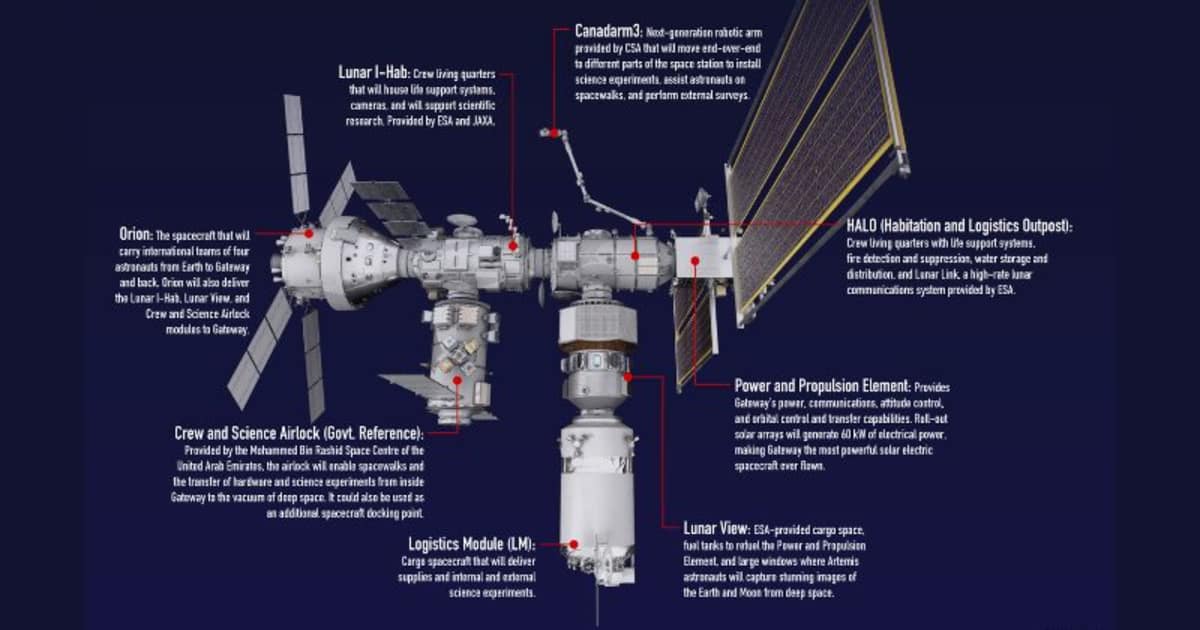
While testifying before the US House Committee on Science, Space, and Technology on the proposed budget cuts to NASA, Isaacman had discussed the now-scrapped Gateway’s future, claiming that the aforementioned issues would likely have delayed it beyond 2030. The two modules in question are HALO (Habitation and Logistics Outpost) and I-HAB (International Habitation Module). The pressure vessel structures for both modules were built by Thales Alenia Space, which broke its silence on the controversy, describing the issue as a “well-known metallurgical behavior.”
Here is the promised statement from Thales Alenia Space on the corrosion issue affecting several pressurised elements the company has produced, including the HALO and I-HAB modules for the Gateway space station. https://t.co/jF9E294D6q pic.twitter.com/RvlRLXrD9j
— Andrew Parsonson (@AndrewParsonson) April 27, 2026
"A well-known metallurgical behavior was found at the surface of the module, which will be fixed by the end of the third quarter of 2026," a spokesperson for the company said. "As for Lunar I-HAB, which is still in our facilities to date, we are also teaming up with ESA to fix soon the same related issue." Earlier, ESA had confirmed HALO, which was part of NASA's contribution to the station and had been delivered to Northrop Grumman in April 2025 before it was shipped to NASA, had arrived with signs of corrosion. ESA’s contribution (with JAXA providing life support and environmental control systems), I-HAB was also confirmed to have a similar but less severe issue. However, the agency said it had not yet been shipped to NASA.
"Preliminary findings indicate that the issue likely results from a combination of factors, including aspects of the forging process, surface treatment, and material properties. A dedicated tiger team was established for I-Hab under the guidance of ESA to solve this issue," an ESA spokesperson said. "Based on the investigation and available data, the corrosion issue was understood to be technically manageable and did not constitute a showstopper for I-Hab, which was, in any case, in better condition than HALO from a corrosion point of view."
Thales isn’t new to space manufacturing, having built nearly 50% of the International Space Station's pressurized volume, which remains operational after 25 years—a fact that the company did not forget to mention in their statement. This includes producing some key pressurized structures, such as the Columbus laboratory and Harmony module, as well as the cargo modules for the Cygnus spacecraft. Claiming that they had encountered similar “metallurgical behavior” while manufacturing the ISS modules, Thales argued that this experience helps them deal with the current issue better.
Respectfully, I am not sure how it was the “wrong forum.” I was testifying under oath before the United States Congress. I was asked a question about the status of the Gateway hardware, and I gave an honest answer and shared our intent to work with industry and partners to pivot,…
— NASA Administrator Jared Isaacman (@NASAAdmin) April 25, 2026
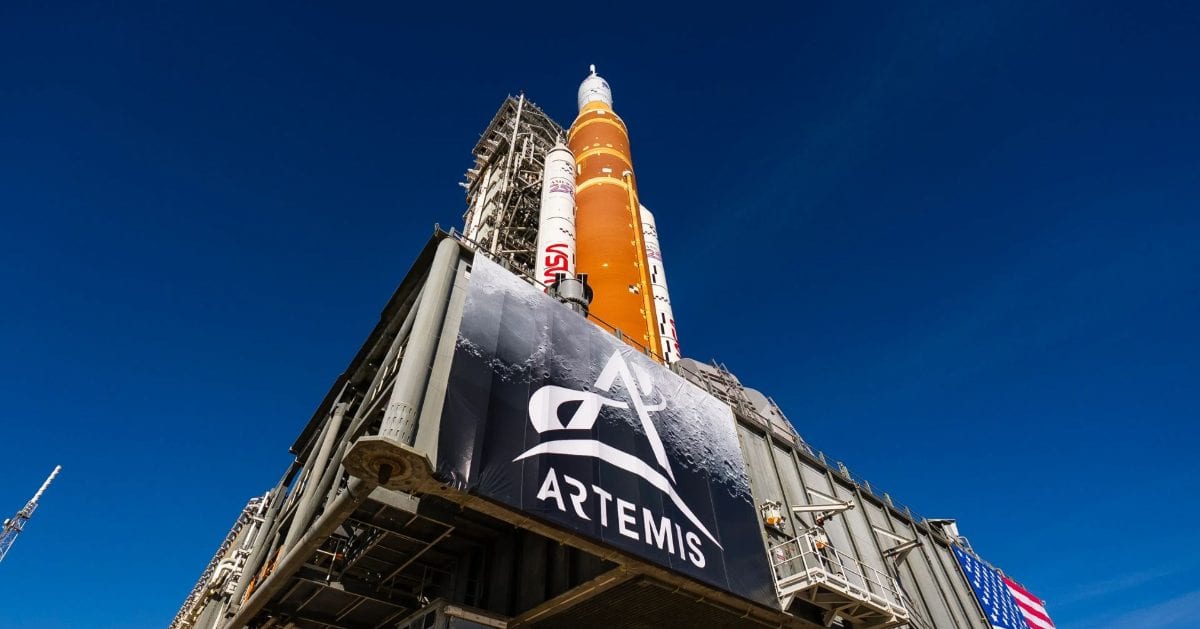
The Lunar Gateway program has been fading in importance, with NASA announcing that it would “pause Gateway in its current form" just before Artemis II’s launch. In a move to implement President Trump’s National Space Policy, the agency halted Gateway’s development to redirect focus toward lunar surface operations and a Moon Base. As a result, it is likely that the station’s hardware could be repurposed for surface habitats instead, including the HALO and I-HAB modules. Speaking on a potential repair plan for Gateway, Isaacman took to X as he remarked, “I am not sure there is a deterministic approach to repair, nor that one is even warranted at this point.”
More on Starlust
NASA 'pauses' Gateway lunar space station for Artemis, shifts focus to $20 billion moon base
Artemis II was just the beginning; the hardest stretch for NASA’s Moon ambitions begins now