Why is NASA’s Nancy Grace Roman Telescope headed to the Lagrange Point a million miles away?
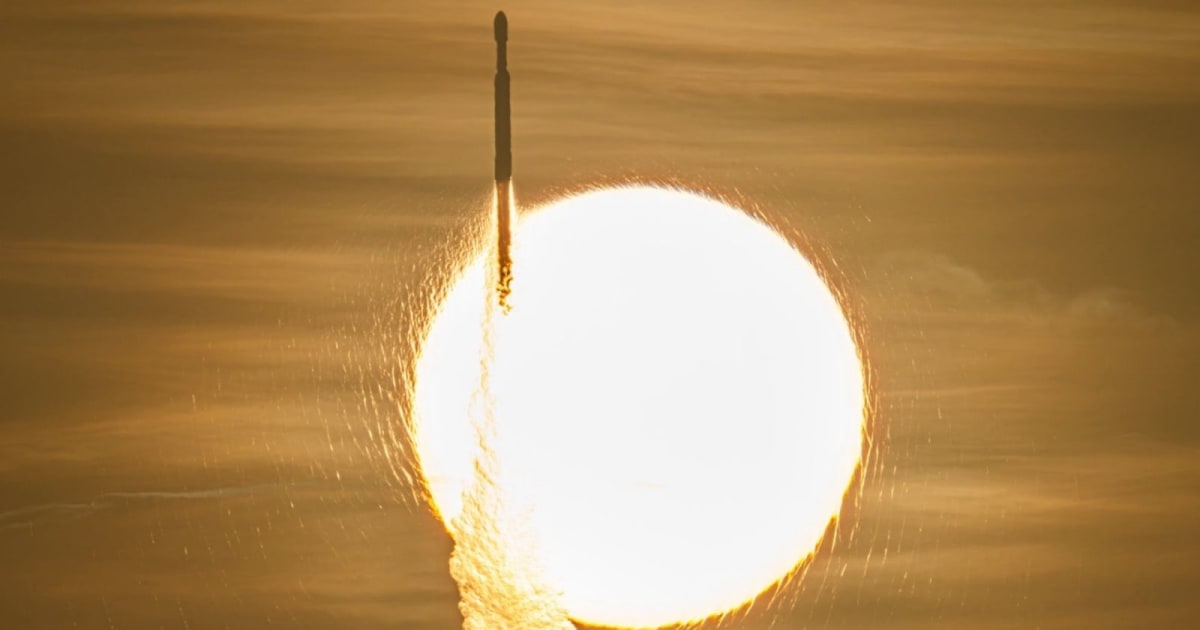
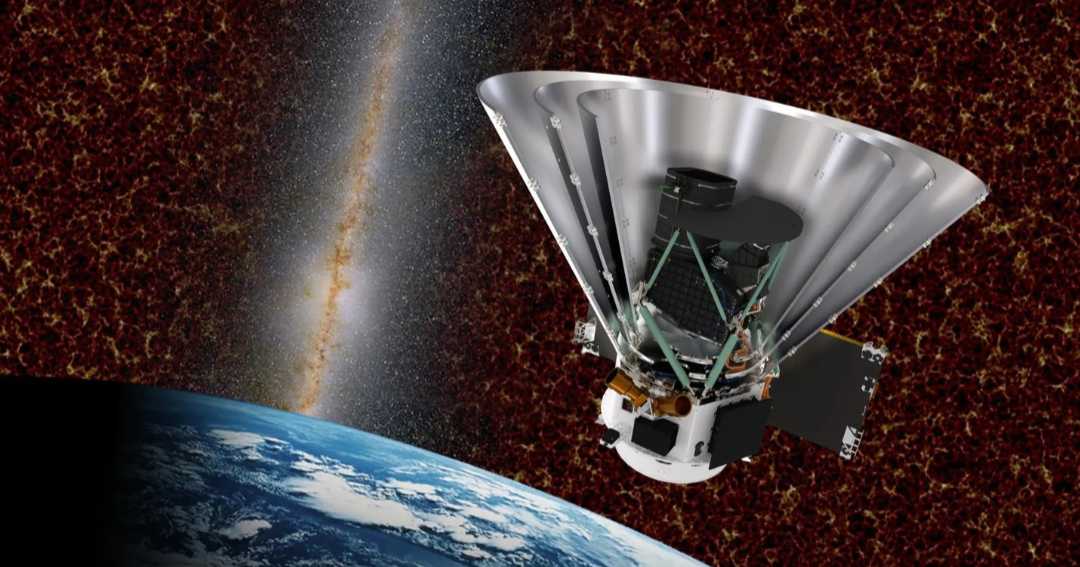
NASA’s brand new Nancy Grace Roman Space Telescope successfully launched atop SpaceX's Falcon Heavy rocket earlier today (August 30) with the objective to transform our view of the universe. The $4 billion observatory is on its way to the second Earth-Sun Lagrange Point, or L2, to take panoramic pictures of the cosmos in order to unravel mysteries of the dark universe and find potentially habitable planets.
Falcon Heavy lifts off from pad 39A in Florida for the 13th time! pic.twitter.com/qh63XvOVtV
— SpaceX (@SpaceX) August 30, 2026
The L2 lies roughly a million miles from Earth, and it’s the same location that houses the James Webb Space Telescope. But why did NASA choose L2 instead of deploying it in Earth’s orbit like the Hubble telescope?
Why is the Roman telescope headed to Lagrange Point 2?
The Lagrange Point 2 or L2, is one of the five Lagrange Points around the Sun. Lagrange Points are special regions in space that are created by the gravity of two large objects, like the Sun and the Earth in this case. Three of these five spots—L1, L2, and L3—are unstable, whereas the other two are considered stable locations.
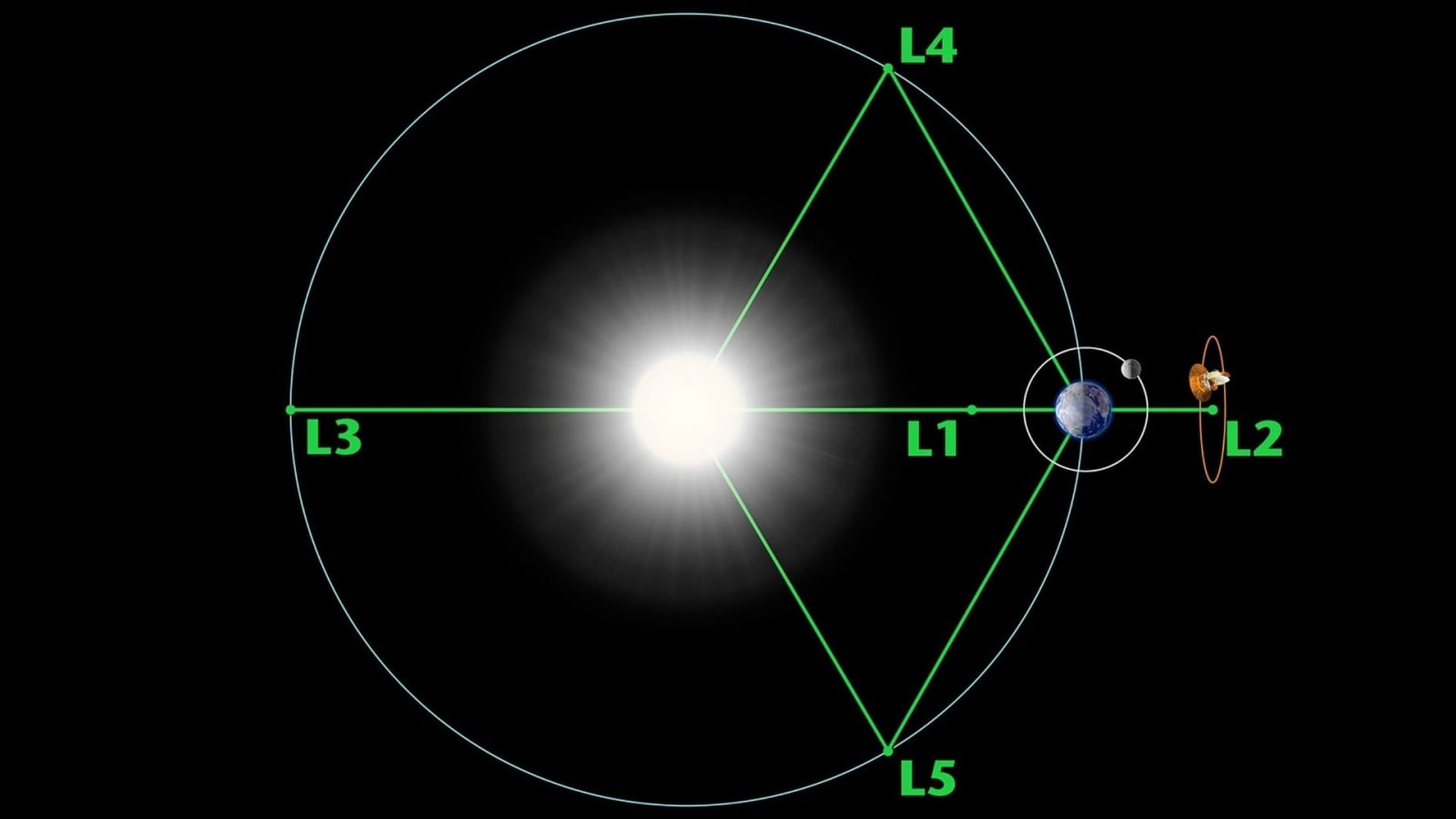
It is worth noting that Roman won't exactly sit at L2 but will move in a large orbit. NASA explains that the gravity of the two bodies will work together with Roman’s motion around the Sun to hold it roughly in place and minimize fuel consumption. L2 is unstable on a timescale of roughly 23 days and so the observatory will need to regularly carry out course and attitude corrections by firing its thrusters so as not to drift away from the halo orbit. This is where the Roman telescope will spend the majority of its propellant once it reaches its destination.
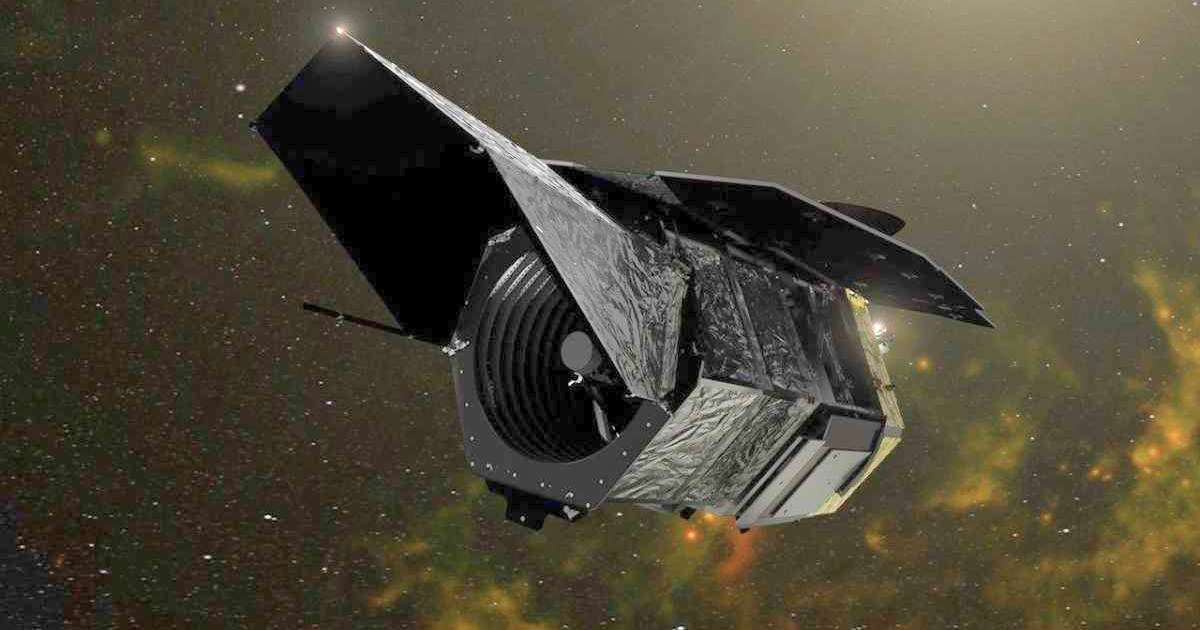
But there are numerous advantages to installing a telescope at L2. Firstly, it provides an uninterrupted view of the sky, which will allow Roman to make the best of its wide field of view (at least 100 times greater than Hubble). Since Earth will be about a million miles away, it won't block much of its view.
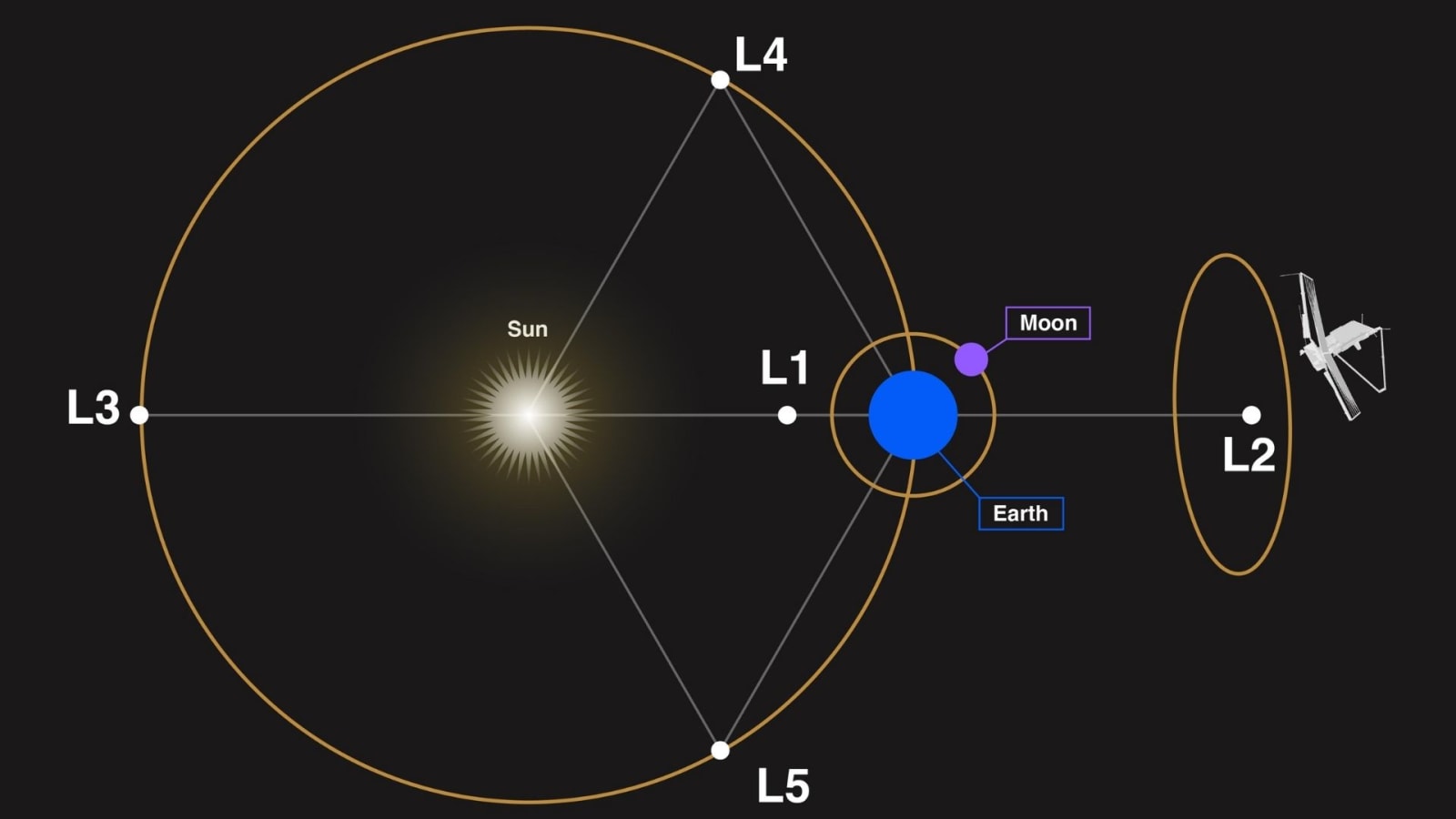
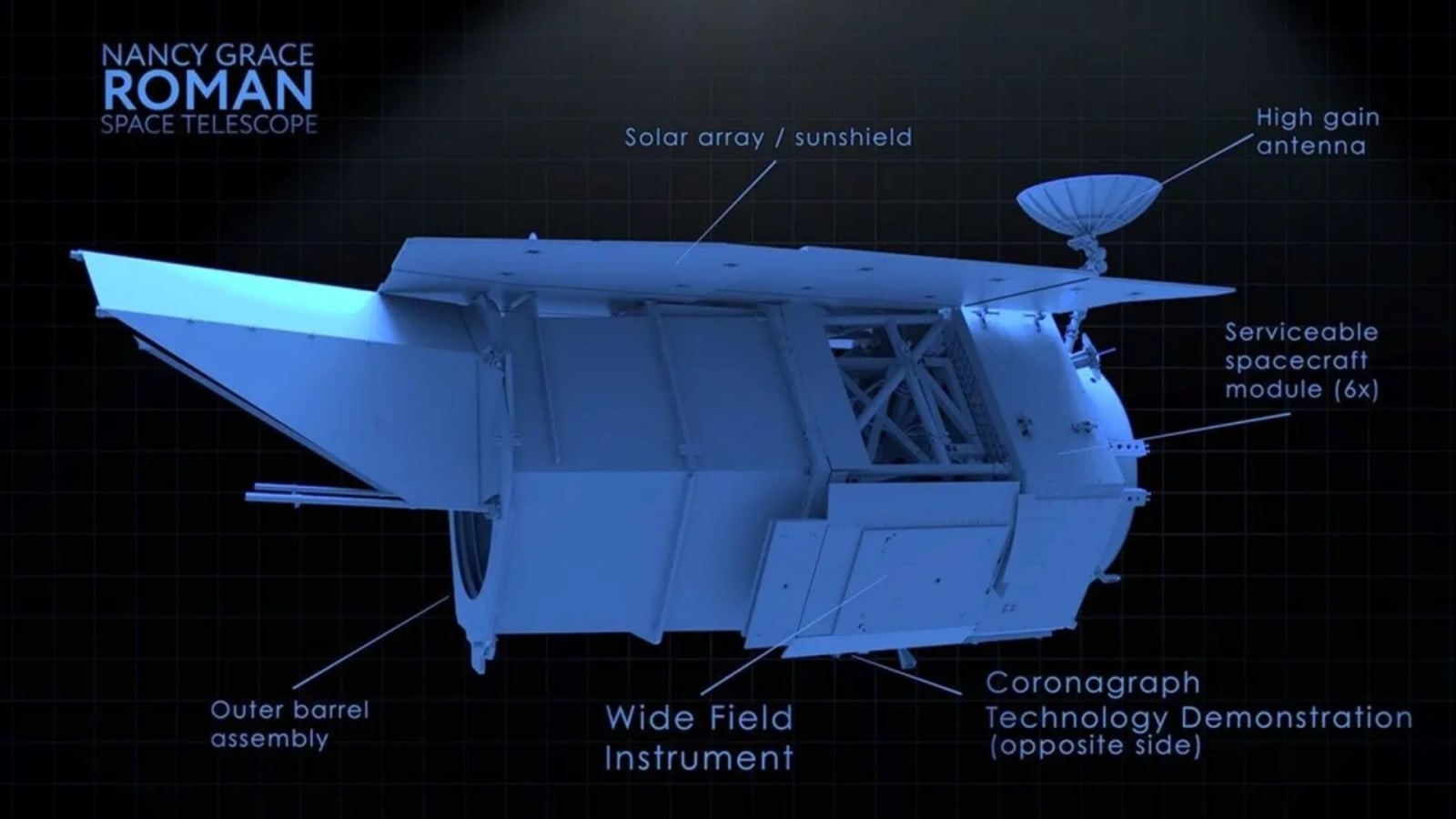
Secondly, because Roman will conduct sky surveys in infrared light, which is basically heat, its instruments need to be protected from irrelevant heat sources such as those from the Sun as well as from the Earth and the Moon. L2 offers just that. It will allow the observatory to keep the Sun, Earth, and the Moon behind it, allowing it to draw adequate amounts of solar power while keeping it appropriately shielded. This is why the Webb telescope also operates at L2—its instruments are protected from sunlight to collect sensitive infrared light from deep space objects. Roman has a Lower Instrument Sun Shade composed of Solar Array Sun Shield and Deployable Aperture Cover that will maintain optimum temperature for the telescope’s instruments.
Now that the launch is successful, Roman will enter its commissioning phase wherein mission teams will carry out a series of instrument checkouts and calibrations before it reaches L2—that is, three months from now.
What is the Roman telescope designed to study?
The Roman telescope’s objective is to answer key questions related to dark energy and dark matter and how common planets like ours are. Throughout its five-year primary mission span, it will observe billions of cosmic objects, including galaxies, star systems, exoplanets, black holes, and exploding stars called supernovae.

“This mission could change our fundamental understanding of the universe, dark matter, dark energy, maybe 100,000 more exoplanets. This is a really exciting time,” NASA administrator Jared Isaacman said prior to launch.
More on Starlust
Why NASA's Nancy Grace Roman Space Telescope could change how we see the universe?
NASA’s Roman Space Telescope may finally reveal how the universe's first black holes formed