SpaceX CRS-35: Dragon delivers over 6,300 pounds of supplies including power upgrade to ISS
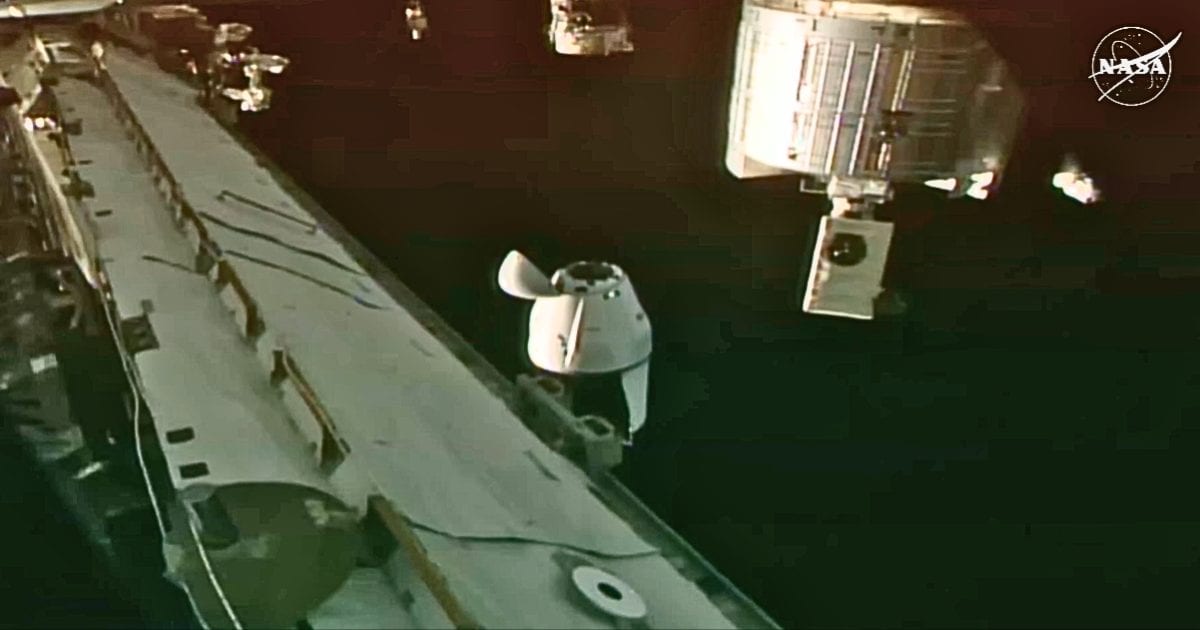
The SpaceX Dragon cargo spacecraft for the company's 35th commercial resupply services (CRS-35) mission autonomously docked with the International Space Station (ISS) at 10:27 a.m. EDT on Thursday, October 15, delivering more than 6,300 pounds (2,860 kilograms) of supplies, scientific equipment, and the final pair of upgraded solar arrays. The rendezvous between Dragon and ISS took place at the space-facing port of the station’s Harmony module. NASA astronaut Anil Menon took charge as the ISS' prime crew member during Dragon's arrival, tracking the spacecraft’s approach and its autonomous maneuvers.
A @SpaceX Dragon loaded with over 6,300 pounds of science, supplies, and roll-out solar arrays docked to the space station's Harmony module at 10:27 a.m. EDT today. More... https://t.co/FQUnitou49 https://t.co/27vQDgAGQy
— International Space Station (@Space_Station) October 15, 2026
NASA streamed live coverage of the action on its official platforms, with the streaming commencing at 9:00 a.m. EDT when Dragon was at a distance of around 2.3 miles from the station.
Look up, Houston! You might just see double. 👀 Thursday morning around 5:36 a.m. CDT, you could catch not one, but TWO spacecraft passing overhead! The International @Space_Station and @NASA’s @SpaceX CRS-35 cargo spacecraft will be visible in the Houston sky ahead of docking. Consider it a cosmic double feature before your morning coffee! ☕
— NASA's Johnson Space Center (@NASAJohnson) October 14, 2026
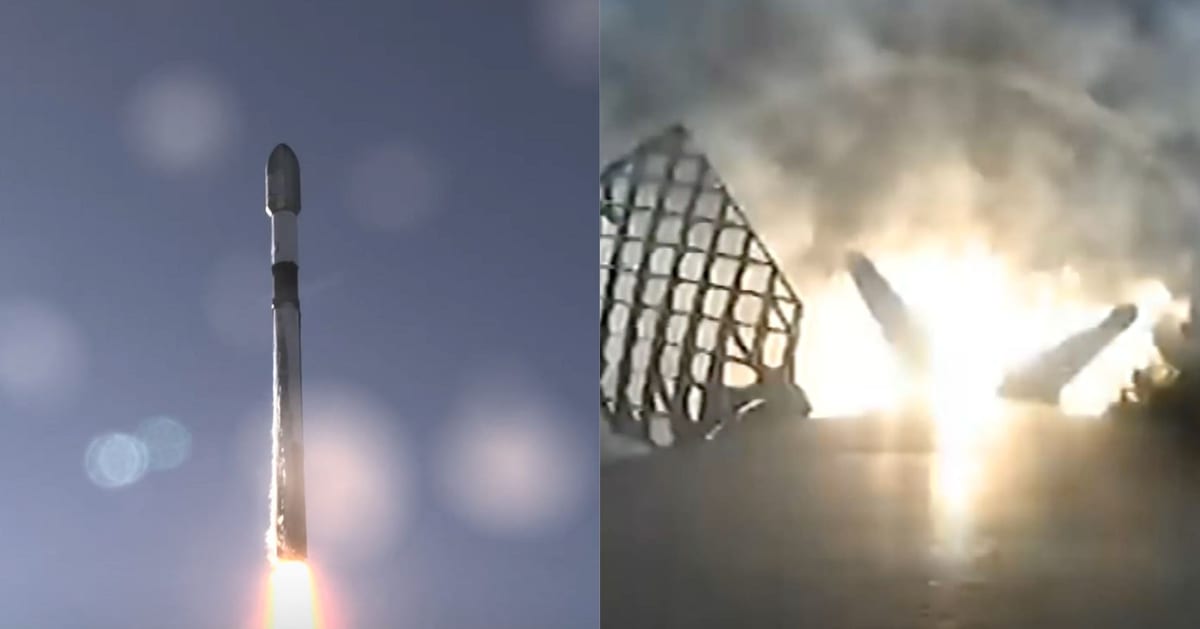
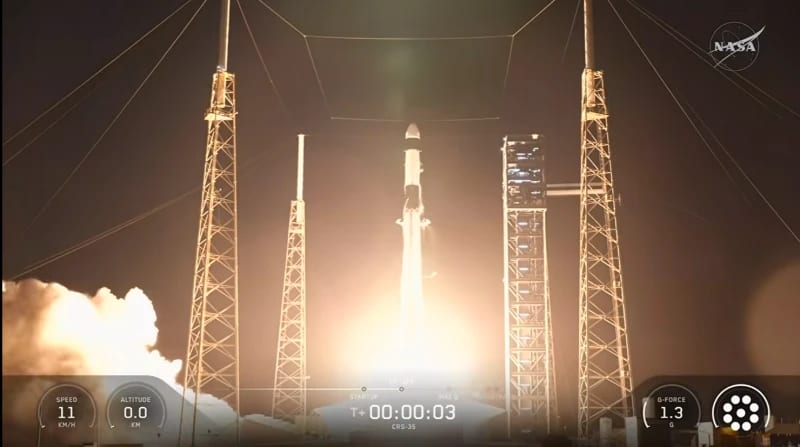
The spacecraft launched aboard a Falcon 9 rocket at 6:33 a.m. EDT on Tuesday, October 13, from Space Launch Complex 40 at Cape Canaveral Space Force Station in Florida. NASA said the Expedition 75 crew members aboard the ISS were preparing for Dragon's arrival on Wednesday, October 14, besides running eye checks, servicing spacesuit gear, and rehearsing cutting-edge robotics solutions on the station. Anil Menon, along with Joshua Kutryk of the Canadian Space Agency, teamed up with NASA flight engineers Jessica Watkins and Luke Delaney on Wednesday afternoon for a call with mission controllers, where they went over cargo operations planned for after the spacecraft's arrival.
The final two International Space Station Roll-Out Solar Arrays (iROSAs) were among the most awaited cargo being carried by Dragon. These compact, deployable arrays will be installed on the station’s exterior by astronauts as they conduct spacewalks planned for later this fall. The arrays are designed to supplement the ISS’ existing solar power system, boosting the electricity available for scientific experiments and daily operations. They will also support the station’s eventual safe and controlled deorbit at the end of its operational life.
Another power upgrade is coming ⚡ The final pair of roll-out solar arrays have arrived at the space station aboard the latest SpaceX Dragon resupply.https://t.co/C6T9ISEAeg https://t.co/Ypl7ijqv69
— International Space Station (@Space_Station) October 15, 2026
Beyond the solar arrays, Dragon carried equipment for several investigations on human health, biotechnology, and materials science. Among the hardware is equipment for an experiment developing artificial retinas in microgravity aimed at treating people with vision issues. Another investigation involves three-dimensional heart tissue models to advance drug testing in upcoming missions. Also, Dragon includes materials to investigate the creation process of a novel kind of glass in microgravity and brain organoids—small, laboratory-grown structures that model the development of the human brain—that will support research on neurodegenerative diseases.
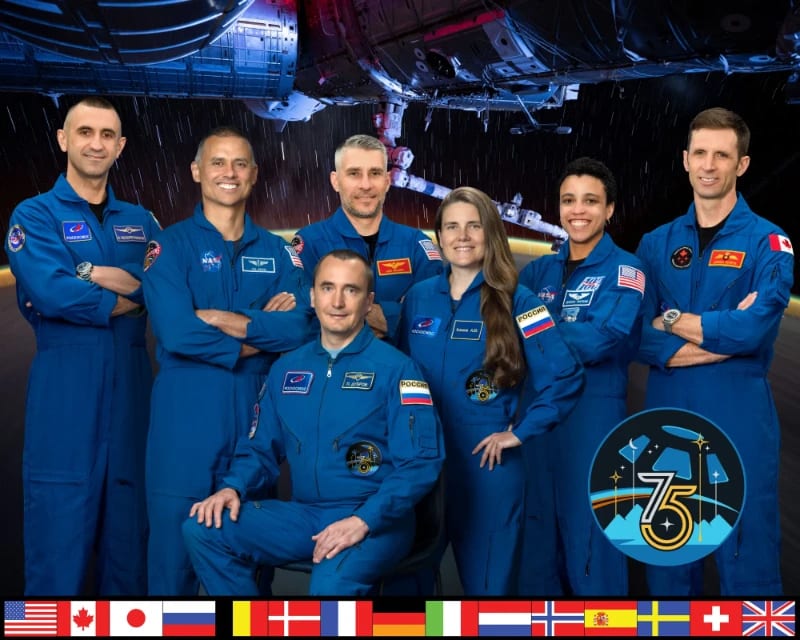
Dragon is expected to remain docked with the ISS until mid-November. It will then depart and return to Earth with time-sensitive research materials and other cargo, making a splashdown off the coast of California. This return trip is the aspect that makes Dragon stand out, as it happens to be the sole operational cargo vehicle currently that is capable of transporting freight back to Earth.
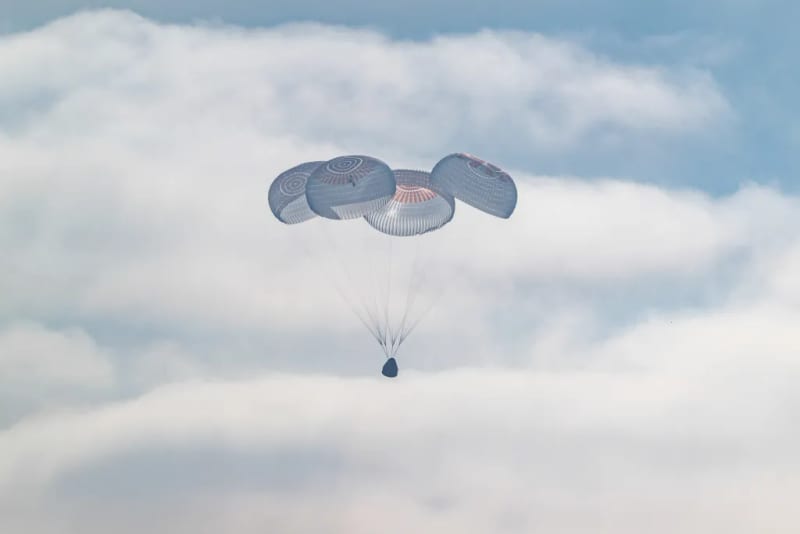
SpaceX's solid partnership with NASA on ISS-related missions continues, as earlier this month, the company completed two major crewed-mission milestones: it launched the Crew-13 astronauts on a record-fast trip to the ISS on October 1, then brought the Crew-12 astronauts safely back to Earth on October 8, with both the trips using the company's Dragon spacecraft.
More on Starlust
NASA confirms Artemis II crew saw five lunar impact flashes—‘Most ridiculous thing I’ve ever seen’
NASA awards SpaceX $946 million for three more crew missions to the International Space Station