NASA to roll SLS rocket off launch pad today—all details here
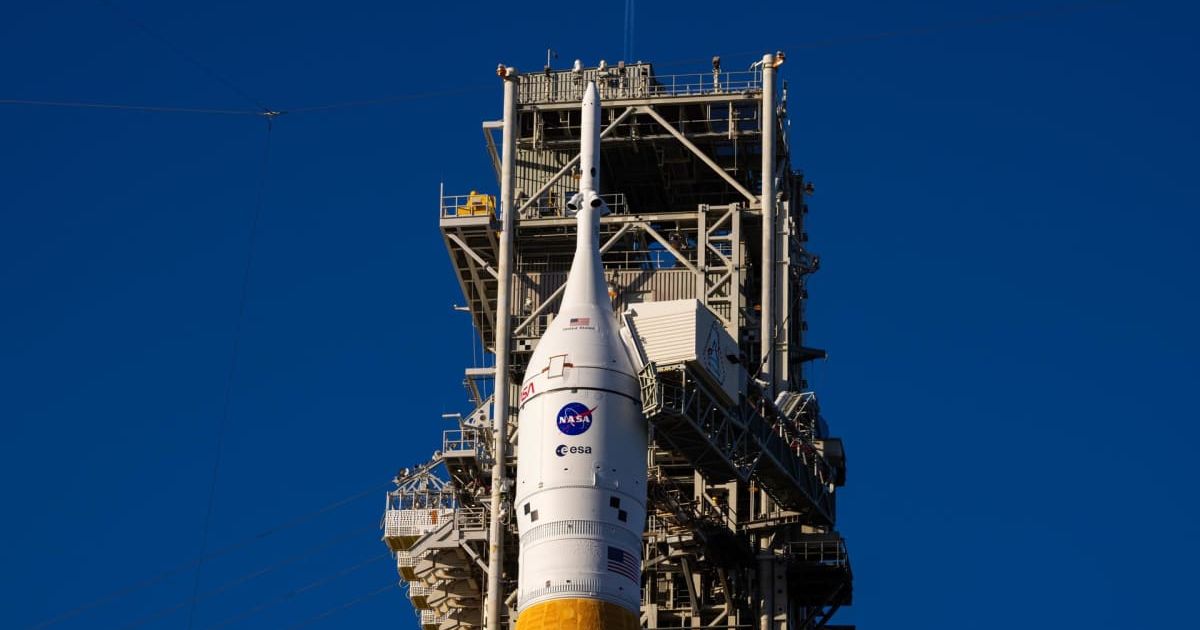
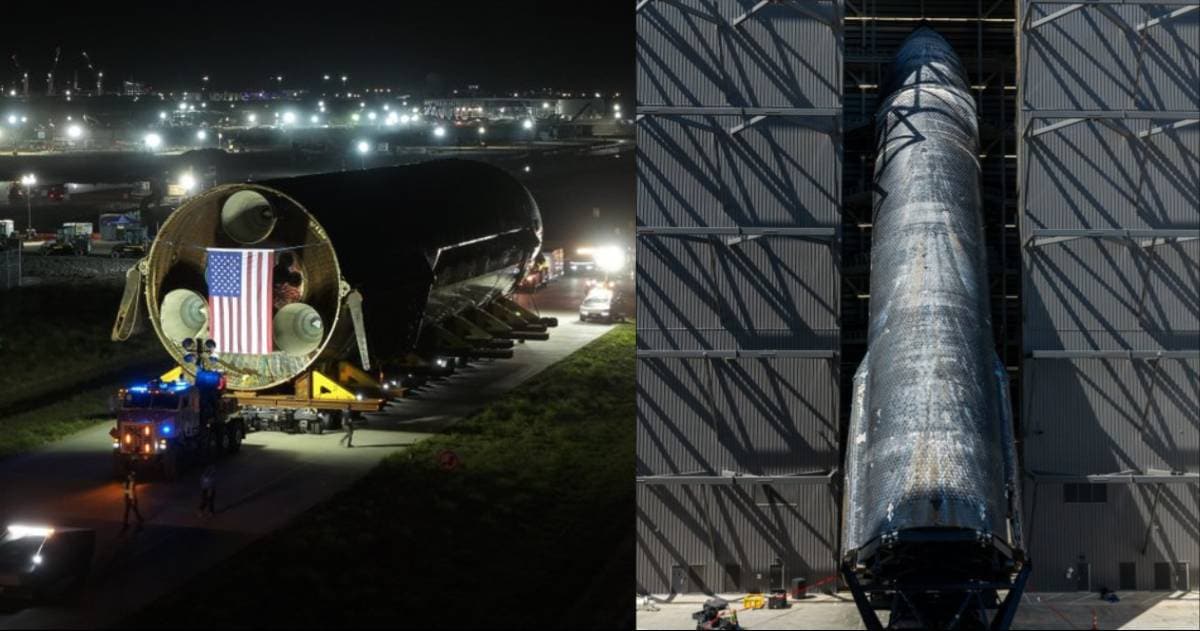
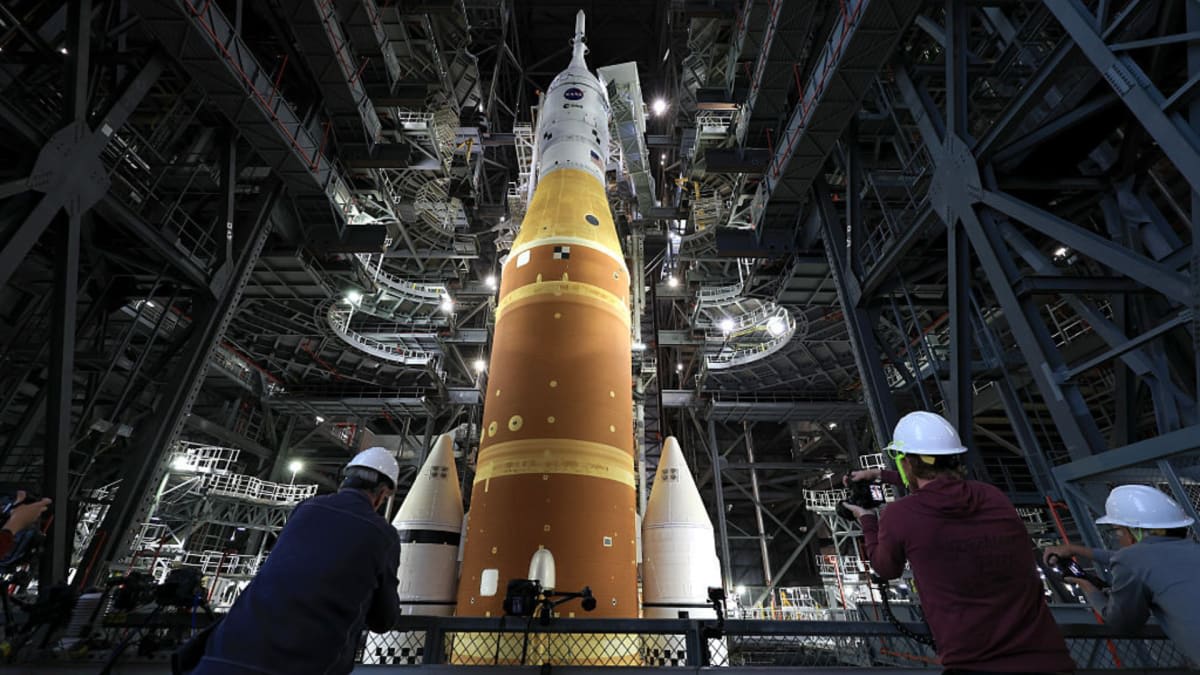
The morning of Wednesday, February 25, 2026, will see NASA move its massive SLS rocket for the Artemis II mission back to the vehicle assembly building (VAB). While NASA’s original plan was to make the move earlier, cold temperatures and high winds forced the agency to postpone it. The Explorations Ground Systems team will now begin rolling the rocket out at around 9 am EST. Teams at the Kennedy Space Center in Florida will continue to be on the lookout for weather conditions that could affect the process.
The reason for this rollback is an issue that was encountered in the aftermath of the second wet dress rehearsal. While the second fueling test was largely a success, with NASA having overcome the hydrogen leak issue, teams were not able to properly flow helium into the interim cryogenic propulsion stage (ICPS) of the SLS rocket after the test. While the exact cause of the issue hasn't been pinpointed yet, NASA informed that it was looking into the ground-rocket interface of the lines used to route helium, a valve in the upper stage, and a filter between the ground and the rocket.
We’re targeting around 9am EST (1400 UTC), Wednesday, Feb. 25, to begin rolling the Space Launch System rocket and Orion spacecraft off the launch pad and back to the Vehicle Assembly Building @NASAKennedy. Read the latest @NASAArtemis updates: https://t.co/7gicm7DWBt
— NASA (@NASA) February 24, 2026
The journey to the vehicle assembly building spans about 4 miles and is expected to take 12 hours to complete. Once inside the vehicle assembly building, platforms to access the source of the helium issue will be built. While they are at it, teams will also access the upper stage to replace some batteries. More battery replacement and testing will be done in the flight termination system as well.
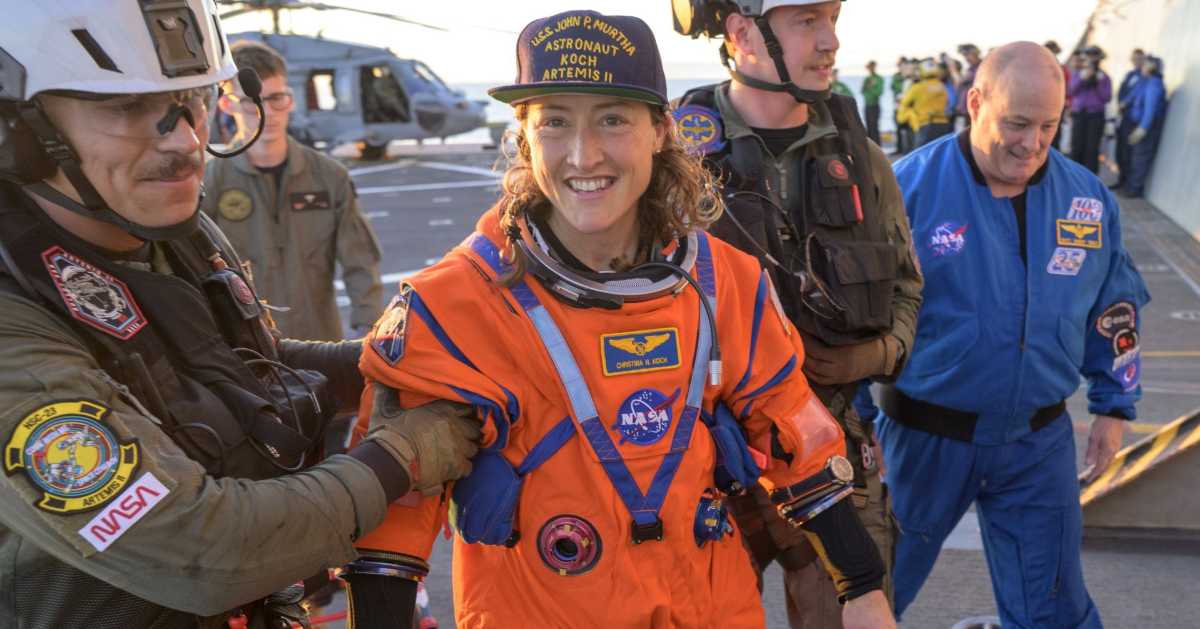
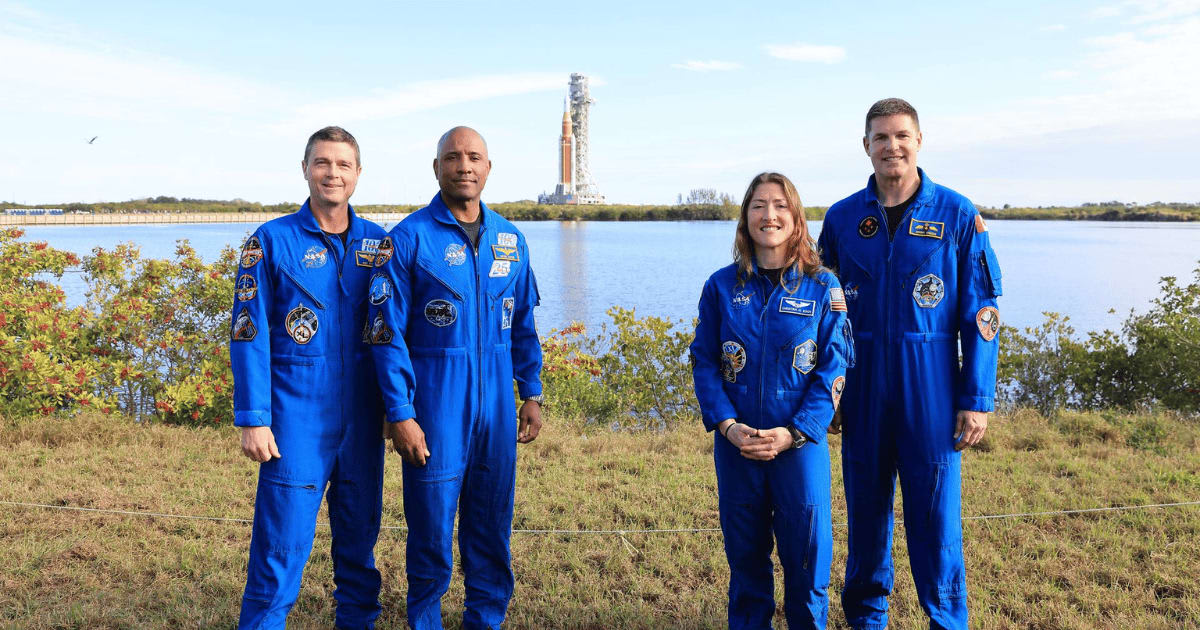
Meanwhile, the crew of Artemis II was released from quarantine on February 21, 2026. Out of the crew consisting of NASA’s Reid Wiseman, Victor Glover, Christina Koch, and the Canadian Space Agency’s Jeremy Hansen, the latter two were reported to have been practicing their flying chops in a T-38 earlier in the month.
The Artemis II crew members were released from quarantine on Feb. 21 and remain in Houston as NASA prepares to roll back Artemis II to the Vehicle Assembly Building at Kennedy Space Center in Florida. Returning to the VAB is required to determine the cause of an issue with the… pic.twitter.com/eWvmOQfck7
— Kennedy Space Center Visitor Complex (@ExploreSpaceKSC) February 23, 2026
Once the helium flow issue has been fixed, NASA hopes to get the rocket back out to the launchpad for a possible launch in April. While the entire program has been beset with setbacks since the scrubbing of the original February launch window, NASA leadership remains optimistic over the future of Artemis II and is expected to address the media later in the week. This mission serves as a test flight of Orion’s life-sustaining capabilities in the inhospitable lunar surroundings.
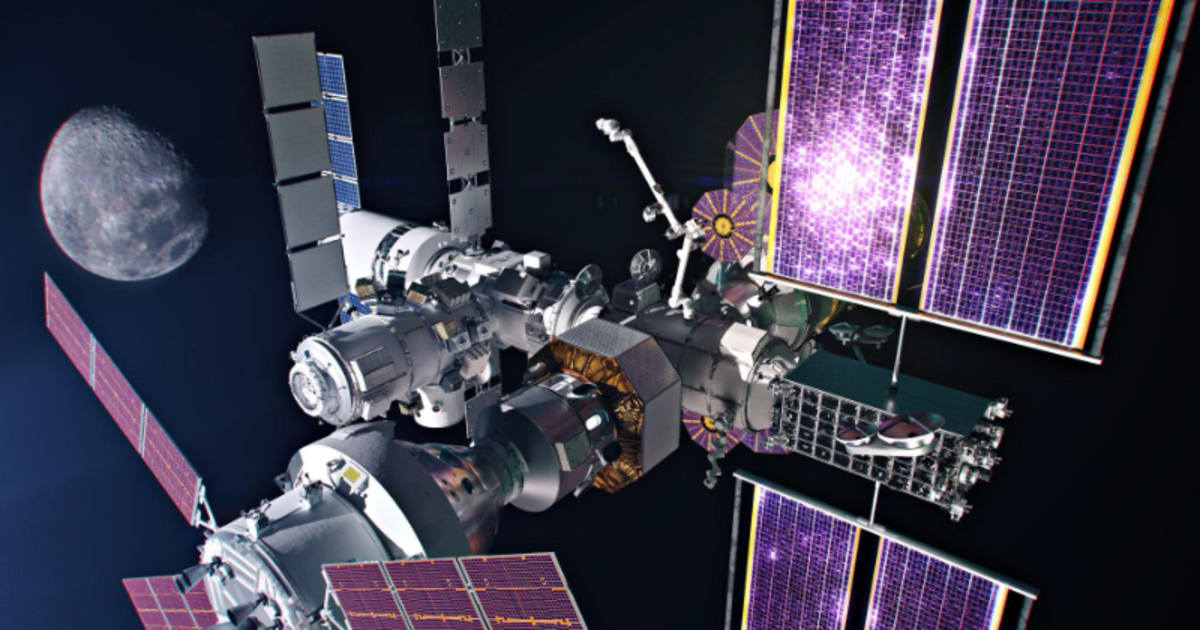
With NASA leaving no stone unturned, the fate of Artemis II will determine if the agency can take its next step on the lunar surface. This milestone of human achievement has been put on the agenda of Artemis III and slated for 2028 at the moment. That turn will serve as a stepping stone for more sustained exploratory missions, such as Artemis IV, which will help set up a lunar orbiter in Gateway to conduct science and look beyond at Mars.
More on Starlust
Artemis II crew will use this roller-coaster-inspired system to escape to safety during emergency
'The best of humanity': NASA's Artemis II crew and their accomplishments so far