How the Artemis II crew will eat and use the bathroom inside Orion
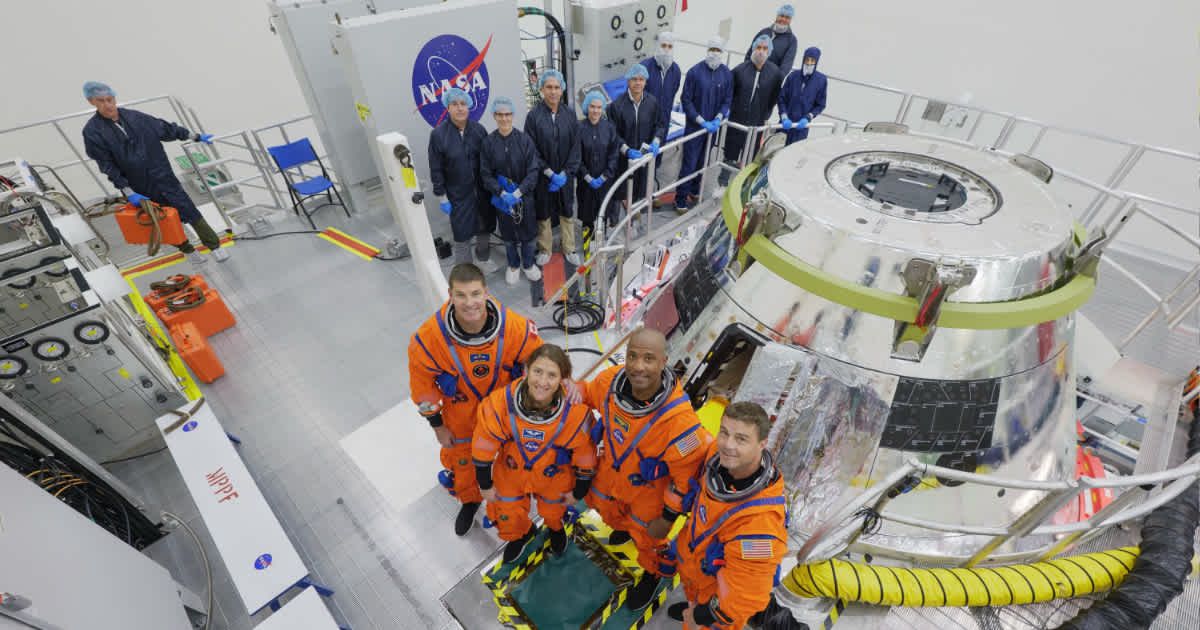
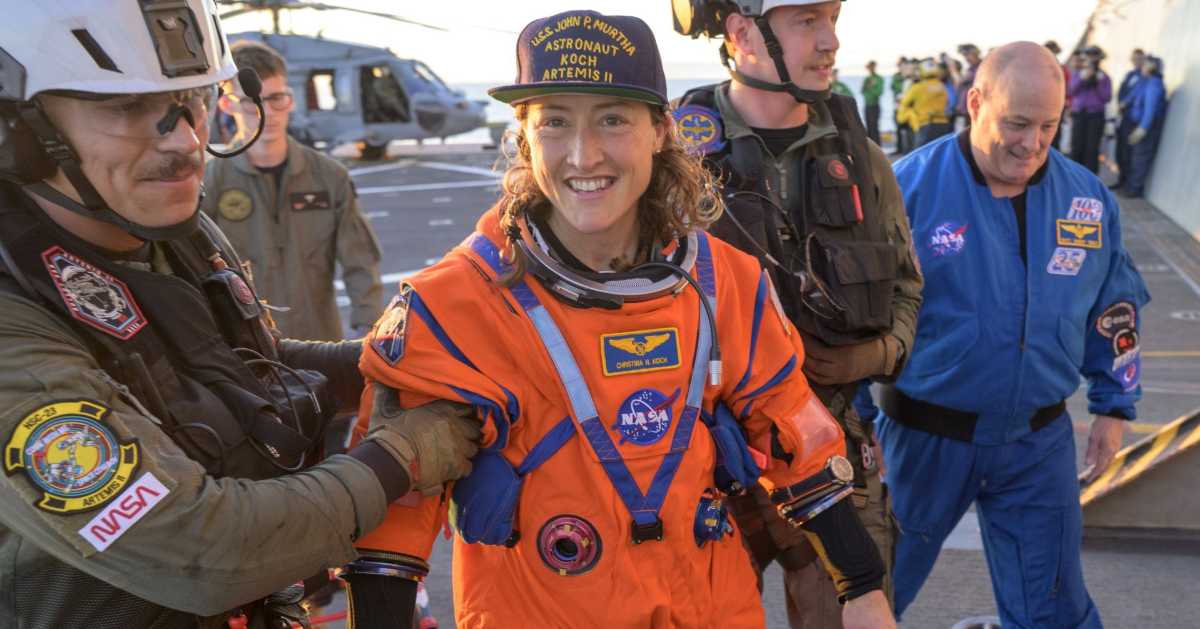
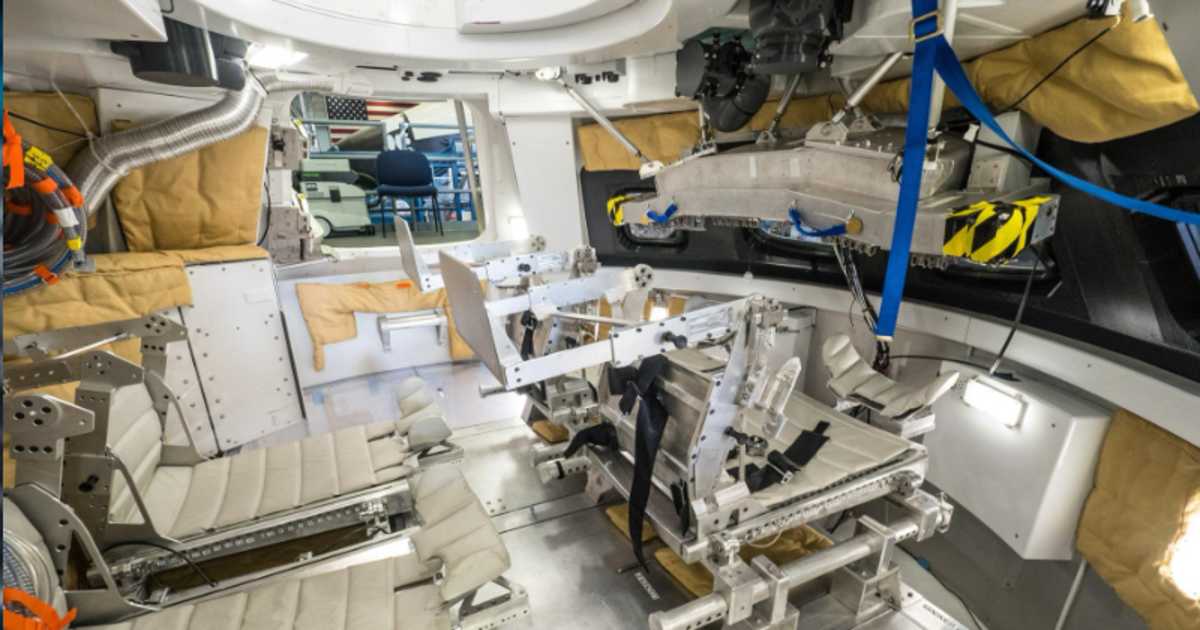
As NASA prepares to send humans back to the vicinity of the Moon for the first time in over 50 years, many people are asking the same practical question: How do four astronauts manage basic needs like eating and using the bathroom inside a spacecraft the size of a camper van? The Artemis II mission, now scheduled for no earlier than March 2026, will carry astronauts Reid Wiseman, Victor Glover, Christina Koch, and Jeremy Hansen on a 10-day journey around the Moon using a free return trajectory. While the Orion capsule is packed with cutting-edge technology, life inside revolves around a small hygiene bay and a compact kitchen setup designed for a weightless environment.
The "Lunar Loo"
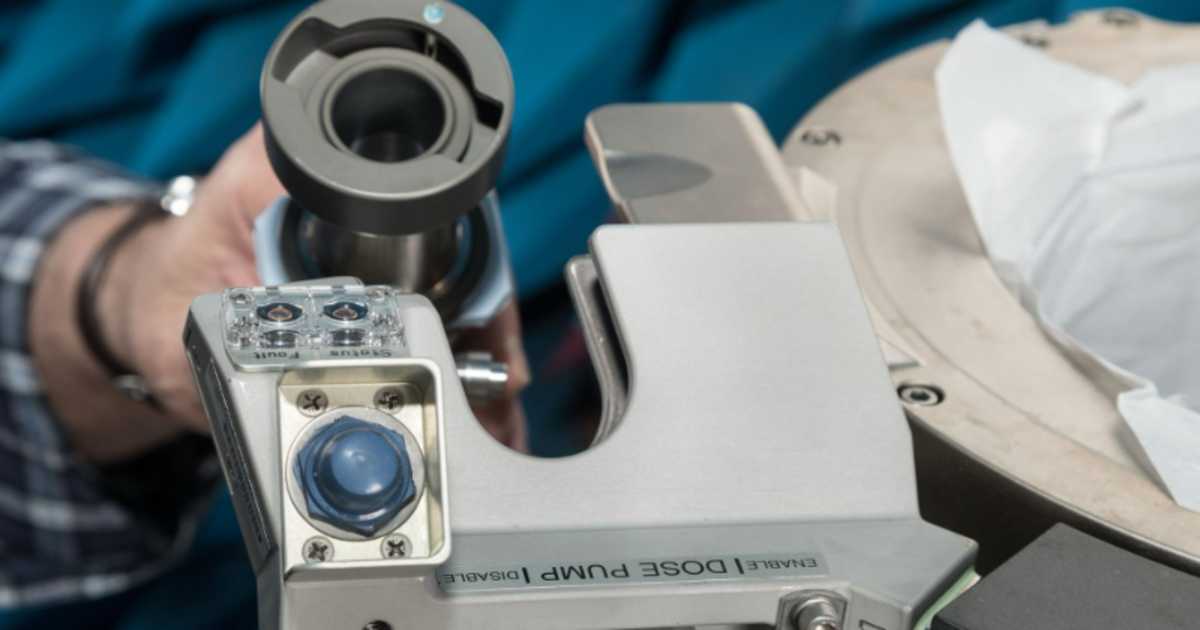
The Orion spacecraft features NASA’s newest Universal Waste Management System (UWMS). This toilet was specifically designed to be 65% smaller and 40% lighter than previous models to save precious space on deep-cosmos missions. To work in a weightless environment, the UWMS creates suction, which pulls waste away from the body and into the toilet. The new design also features a more ergonomic seat and specially shaped funnels that allow male and female crew members to use the system more comfortably. By automating the airflow when the lid is opened, the system also helps control odors, making life much more pleasant in the cramped quarters of the capsule. “We recycle about 90% of all water-based liquids on the space station, including urine and sweat,” explains NASA astronaut Jessica Meir, a part of Crew-12 to the ISS.
Food on the menu during the mission
While there is no gourmet kitchen on board, the Artemis II crew will not be stuck with squeeze tubes of paste. Instead, they will enjoy a menu that has been carefully selected based on the astronauts’ personal preferences and requirements, including shrimp cocktail, cashew chicken curry, and chocolate pudding cake. To eat, astronauts use a water dispenser to rehydrate their food and a food warmer to heat it up. The crew has already spent time at NASA’s Space Food Systems Laboratory, taste-testing and selecting their personal menus to ensure they stay healthy and happy during the high-stakes flight. For future missions, NASA has also come up with the Deep Space Food Challenge: Mars to Table, a competition designed to encourage civilians to create Earth-independent food for long missions to Mars. About this, Greg Stover, acting associate administrator of NASA’s Space Technology Missions Directorate at NASA, said, “In the future, exploration missions will grow in both duration and distance from Earth. This will make the critical question of feeding our astronauts more complex, requiring innovative solutions to allow for long-term human exploration of space.”
Resting and staying fit inside Orion
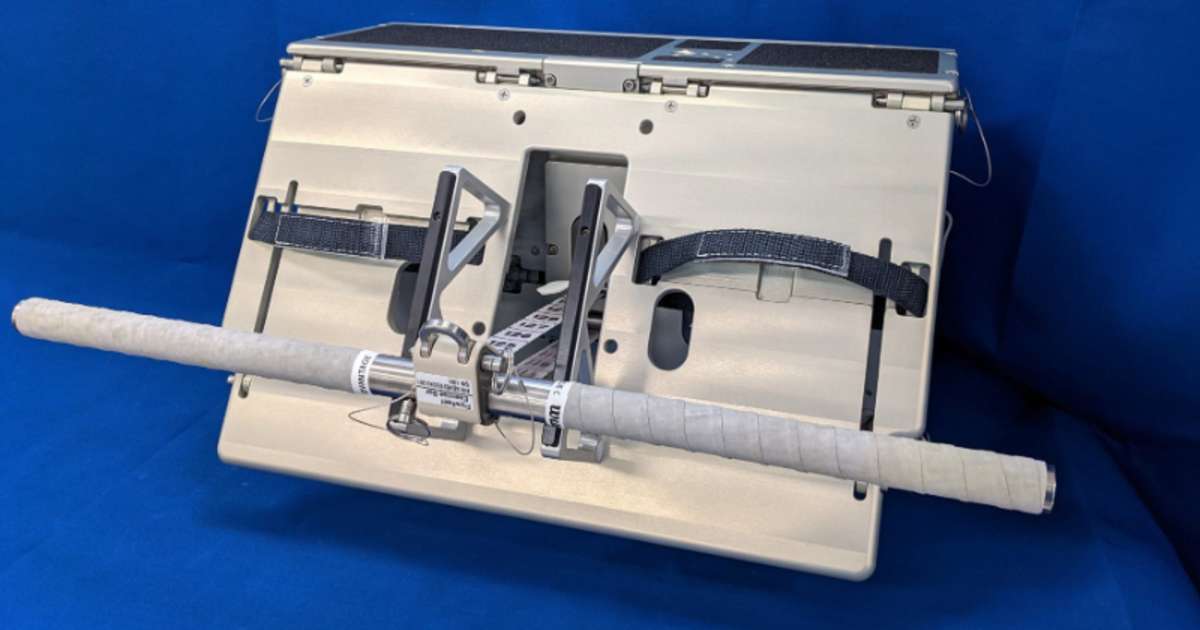
With only about 330 cubic feet of living space, roughly the size of a small room, the four astronauts must be highly organized. According to NASA, when they aren't working or observing the lunar surface, they sleep in sleeping bags tethered to the walls to keep from floating into equipment. They will also set aside 30 minutes each day for physical exercise so as to minimize muscle and bone loss. For this, the crew will have a flywheel, a simple cable-based device maxing out at 400 pounds of load that can be used for workouts like rowing, squats, and deadlifts.
The Artemis II mission is critical, as the success of each mission in the program determines how the next one progresses. With Artemis I achieving its goals, this one is meant to prove that humans can live comfortably, even if it’s a bit snugly, inside Orion. With Artemis II, NASA is clearing the path for the first humans in over half a century to set foot on the Moon. For the crew of Artemis II, these 10 days will be a stern test of endurance and teamwork, and the technology that makes their quality of life inside Orion easier will certainly play a part in a successful mission
More on Starlust
Will Artemis II rocket be rolled back into Vehicle Assembly Building? Here's what NASA said
What part of the Moon will the astronauts get to see on the Artemis II mission?