NASA postpones Artemis II SLS rocket rollback, citing bad weather
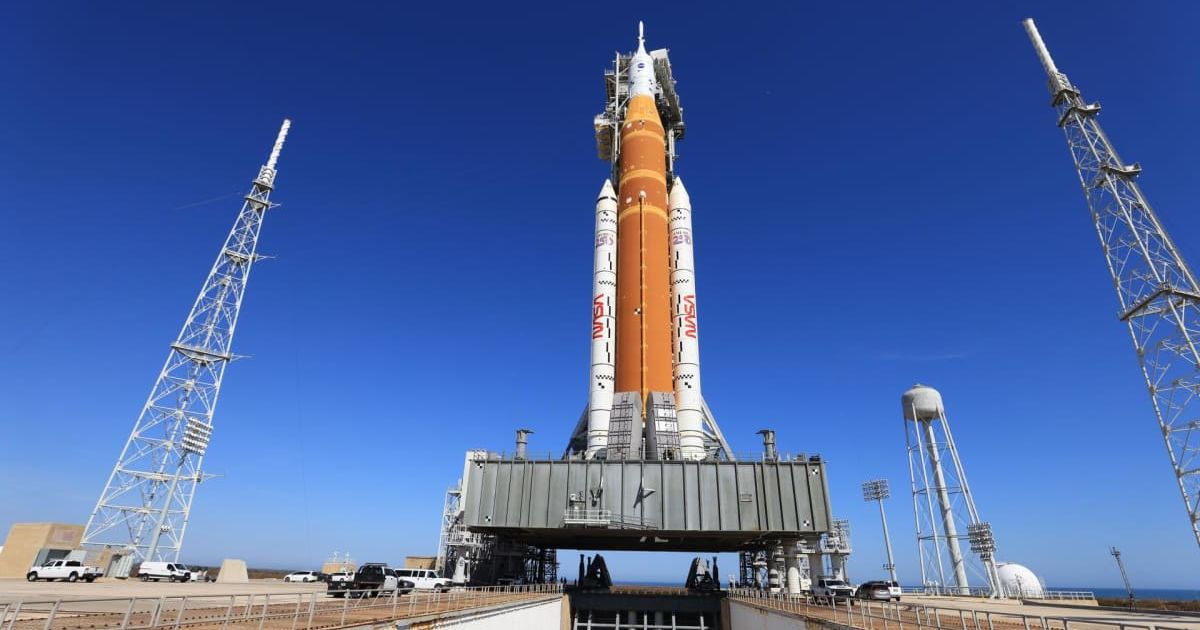
Cold temperatures and high winds in Cape Canaveral, Florida, on Tuesday, February 24, 2026, have forced NASA to decide against rolling Artemis II’s massive SLS rocket back to the Vehicle Assembly Building (VAB) on the day. The move is now slated to take place on the following day, February 25. While the probability of moving the 322-foot-tall feat of aerospace engineering was initially slim, thanks to contingency plans made by NASA, a lack of clarity over a helium flow issue to the rocket’s upper stage meant the decision had to be made reluctantly. NASA Administrator Jared Isaacman took to X to express the importance of the rollback: “Regardless of the potential fault, accessing and remediating any of these issues can only be performed in the VAB."
Due to weather, we're now targeting early Wednesday, Feb. 25, to roll our Moon rocket off the launch pad and back to the Vehicle Assembly Building at @NASAKennedy. Get more @NASAArtemis updates on our blog: https://t.co/N6HJLLhuRw pic.twitter.com/d8YQbVk7RN
— NASA (@NASA) February 24, 2026
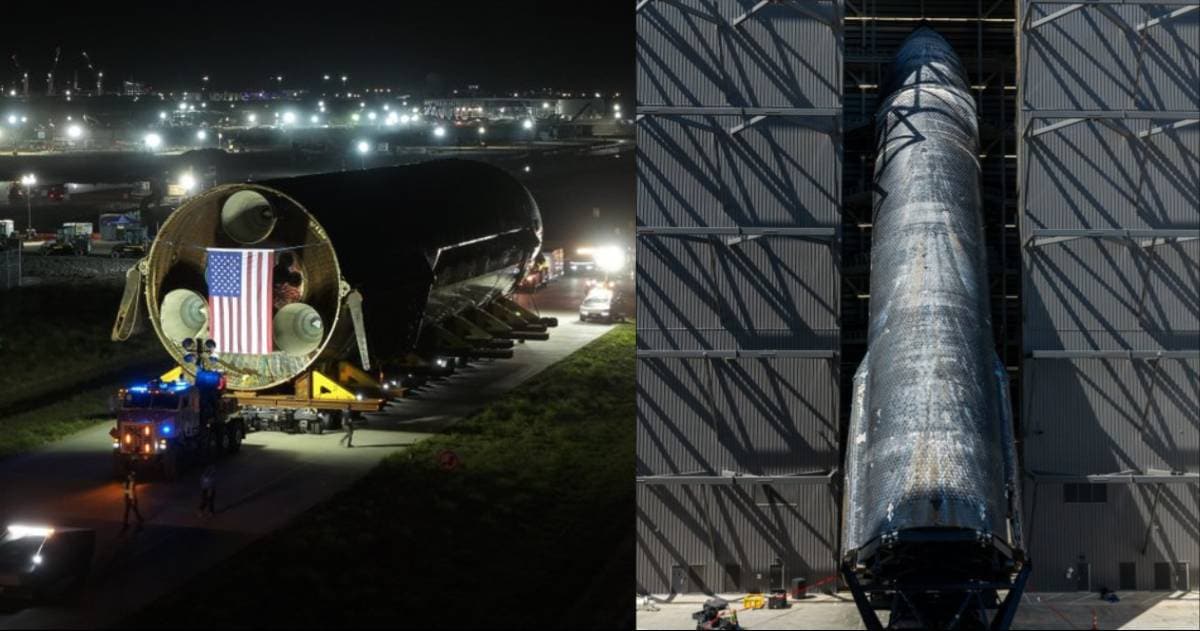
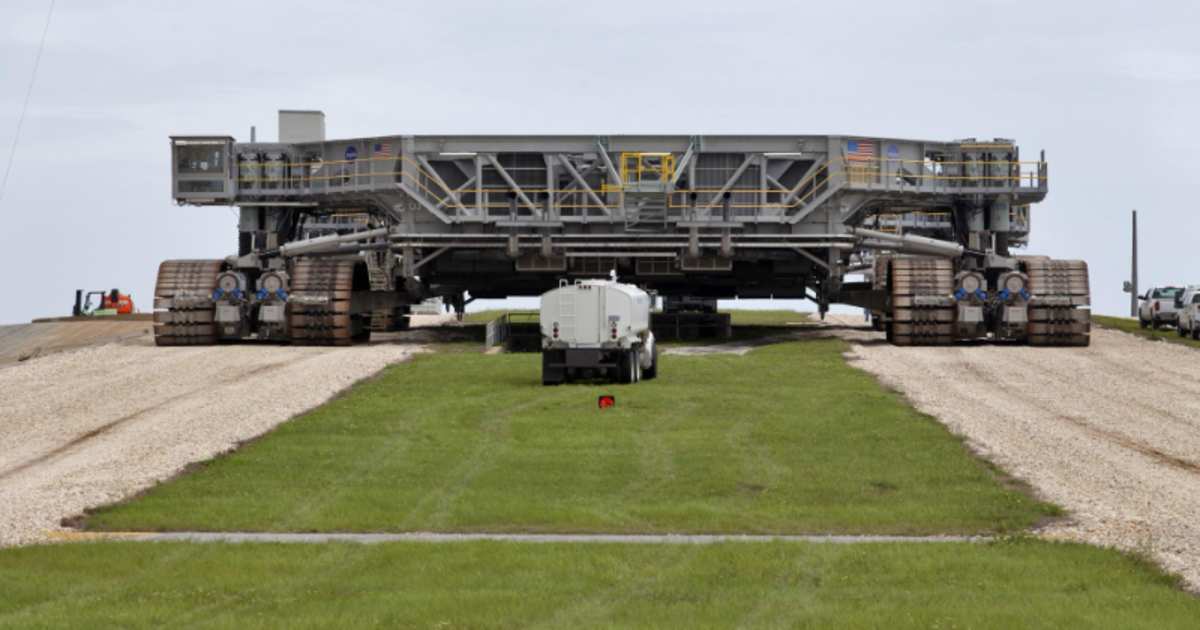
NASA’s EGS (Exploration Ground Systems) team is responsible for transporting the vehicle with the aid of the Crawler-Transporter 2. The name comes from the incredibly slow and steady pace at which the rocket is transported to and from the VAB, with the four-mile trek taking up to 12 hours. Nevertheless, with the stakes being so high, EGS can never be too careful, given the fact that high wind speeds have been prevailing at the Kennedy Space Center. The transporter, which is over 50 years old and was used for moving Apollo’s Saturn V rockets as well, has undergone modifications to make it fit to carry the modern lunar rocket.
What this move means is that a launch on March 6 is beyond the realms of possibility for NASA. Consequently, the four-member crew of Commander Reid Wiseman, Pilot Victor Glover, Mission Specialist Christina Koch (all from NASA), and Mission Specialist Jeremy Hansen of CSA (Canadian Space Agency) came out of quarantine as well. They only need to be in quarantine for a fortnight before launch. Additionally, NASA noted the postponement of the rollback to Wednesday will give teams enough time to "complete preparations at the launch pad that were limited by high winds in the area."
NASA is evidently looking to save as much time as possible so as to keep hopes alive for a launch in April. As soon as the rocket is back at the VAB, teams will begin installing the platforms to access the area of the helium issue. Reflecting the disappointment felt by enthusiasts around the world as well as the people at NASA after the ICPS issue surfaced, Isaacman also stated, “As mentioned previously, we will begin preparations for rollback, and this will take the March launch window out of consideration. I understand people are disappointed by this development. That disappointment is felt most by the team at NASA, who have been working tirelessly to prepare for this great endeavor.”
As an update to my earlier post.
— NASA Administrator Jared Isaacman (@NASAAdmin) February 21, 2026
- The ICPS helium bottles are used to purge the engines, as well as for LH2 and LOX tank pressurization. The systems did work correctly during WDR1 and WDR2.
- Last evening, the team was unable to get helium flow through the vehicle. This… https://t.co/Qte3nEXwQb
Despite what has been one setback after another, Isaacman shared his optimism for the future of the Artemis program. “We will return in the years ahead, we will build a Moon base, and undertake what should be continuous missions to and from the lunar environment. Where we begin with this architecture and flight rate is not where it will end," Isaacman stated.
More on Starlust
Artemis II crew will use this roller-coaster-inspired system to escape to safety during emergency
Artemis II's free return trajectory: What it is and how it will protect the astronauts