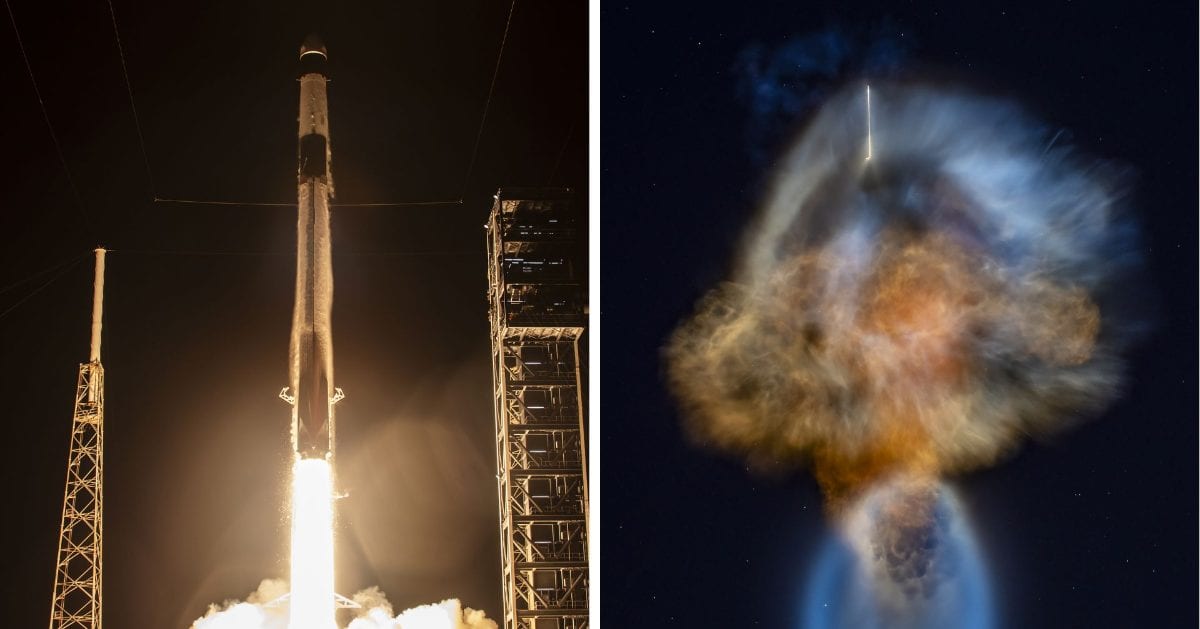
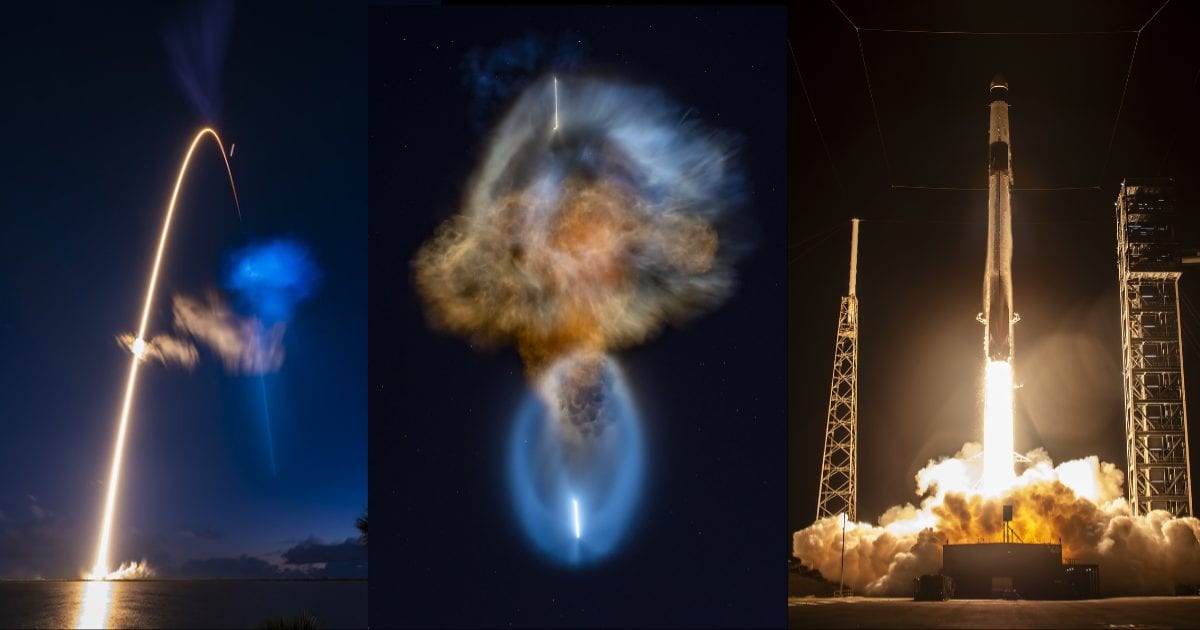
NASA announces SpaceX Crew-13 for International Space Station mission in September 2026
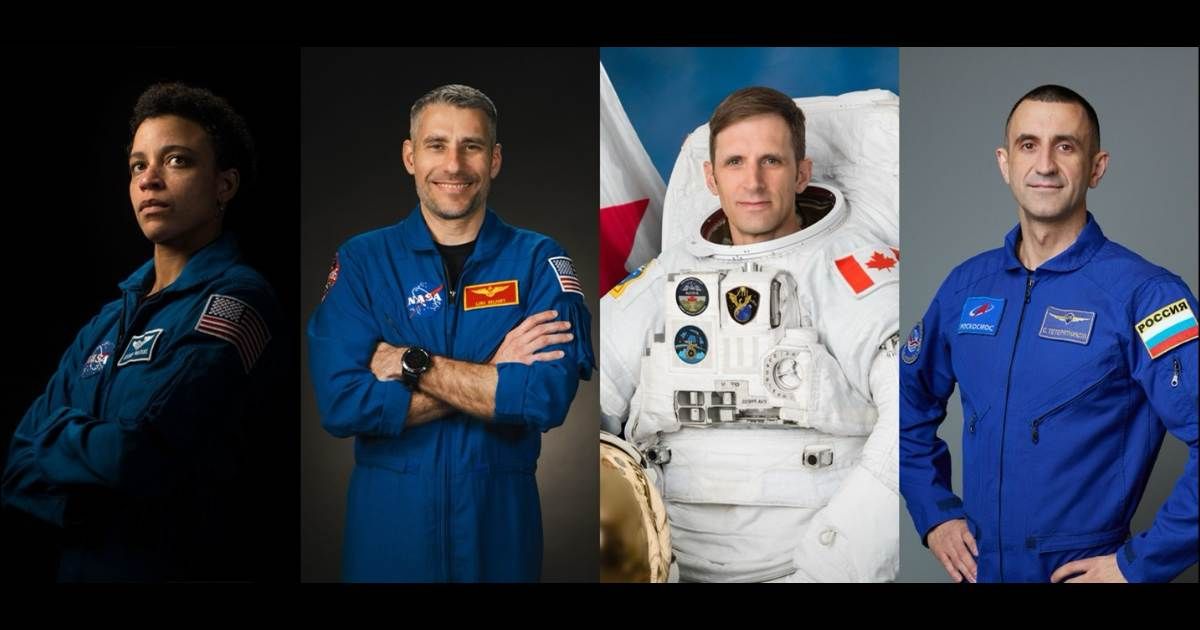
NASA has officially announced the four-person crew scheduled to launch to the International Space Station as part of the SpaceX Crew-13 mission. This team, representing space agencies from three different countries, is slated for a mid-September departure to the orbiting laboratory for a long-duration science expedition. NASA moved the launch date up from November 2026 to maintain a steady frequency of crew rotation. Once Crew-13 arrives at the station, the group will form part of Expedition 75 on board the ISS to conduct various technology demonstrations and scientific research.
As part of @NASA’s @SpaceX Crew-13 mission, four crew members from three space agencies will launch no earlier than mid-September to the International Space Station for a long-duration science expedition.
— International Space Station (@Space_Station) April 23, 2026
NASA astronauts Jessica Watkins and Luke Delaney will serve as spacecraft…
Leading the mission is NASA astronaut Jessica Watkins, who will serve as the mission's commander. This flight marks a historic personal milestone for Watkins, as she will become the first NASA astronaut to fly on a SpaceX Dragon spacecraft twice. A seasoned geologist who previously studied the surface of Mars with the Curiosity rover team, Watkins first visited the station in 2022 as part of the SpaceX Crew-4 mission. She will be joined by Pilot Luke Delaney, a former Naval aviator and research pilot at NASA’s Langley Research Center. While Watkins brings 170 days of orbital experience to the table, this will be the first trip to space for Delaney.
Canada is heading back to the @Space_Station! 🚀
— Canadian Space Agency (@csa_asc) April 23, 2026
CSA astronaut Joshua Kutryk is assigned to NASA’s SpaceX Crew-13. Launching no earlier than September 2026, he’ll be the first Canadian to fly under NASA’s Commercial Crew Program.
Details: https://t.co/Zd6vXwY5Oj pic.twitter.com/g2zKsg1OHm
The international contingent of the crew includes two mission specialists - Joshua Kutryk from the Canadian Space Agency and Roscosmos’ Sergey Teteryatnikov. Kutryk is a former fighter pilot and experimental test pilot from Alberta who holds master’s degrees in space studies, flight test engineering, and defense studies. Like Delaney, this mission marks his first journey into orbit. Teteryatnikov, who has served as a test cosmonaut since 2023, will also be making his ISS debut. He has also worked as a naval engineer, specializing in ship power plants and undersea vessels.
NASA astronaut Anil Menon (@astro_anil) will join a news conference at @NASA_Johnson on April 29 to preview his upcoming station mission targeted for launch on July 14—stay tuned for liftoff! https://t.co/AIT7Q6fGy3
— International Space Station (@Space_Station) April 22, 2026
The ISS will have seen an overhaul of its inhabitants by the end of the year. Three of the current Expedition 74 members—NASA‘s Chris Williams and Roscosmos' Sergey Kud-Sverchkov and Sergey Mikaev—are scheduled to return this summer on board the Soyuz MS-28 spacecraft. The Soyuz MS-29 mission, meanwhile, will launch on July 14, 2026, and bring the trio of Roscosmos' Pyotr Dubrov and Anna Kikina, as well as NASA astronaut Anil Menon, to the station. Upon arrival, they’ll be part of Expedition 74 before transitioning to Expedition 75 upon the arrival of Crew-13.
For more than a quarter of a century, the ISS has served as a hub of research that just isn't possible on Earth. The breakthroughs achieved on the orbiting lab are not only aimed at benefiting mankind on our blue planet, but they also help NASA understand the various challenges associated with deep space missions like Artemis II.
More on Starlust
A strange egg-like object is growing on International Space Station—and astronauts are watching it