Artemis II second wet dress rehearsal: NASA overcomes SLS hydrogen leak that stalled first rehearsal
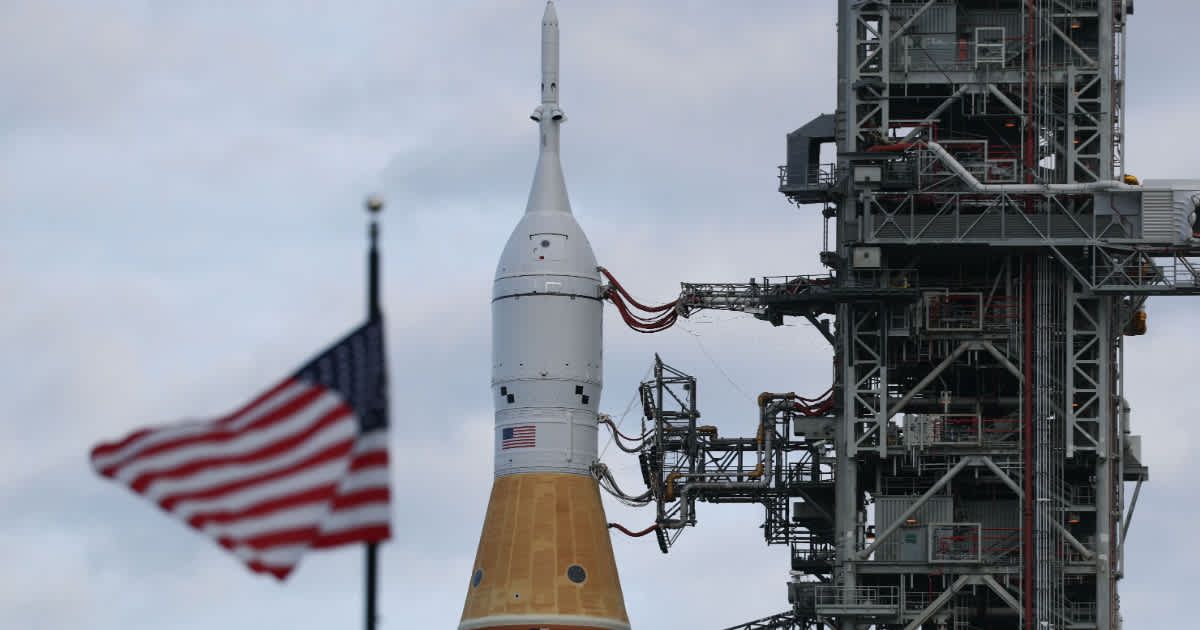
NASA successfully completed the second wet dress rehearsal for the Artemis II mission on February 19, 2026, overcoming a hydrogen leak issue that proved challenging during the first test earlier in the month. NASA shared the update at 1:07 pm EST on Thursday, clarifying that the hydrogen gas concentration remained under allowable limits and calling it “an important milestone” during the test.
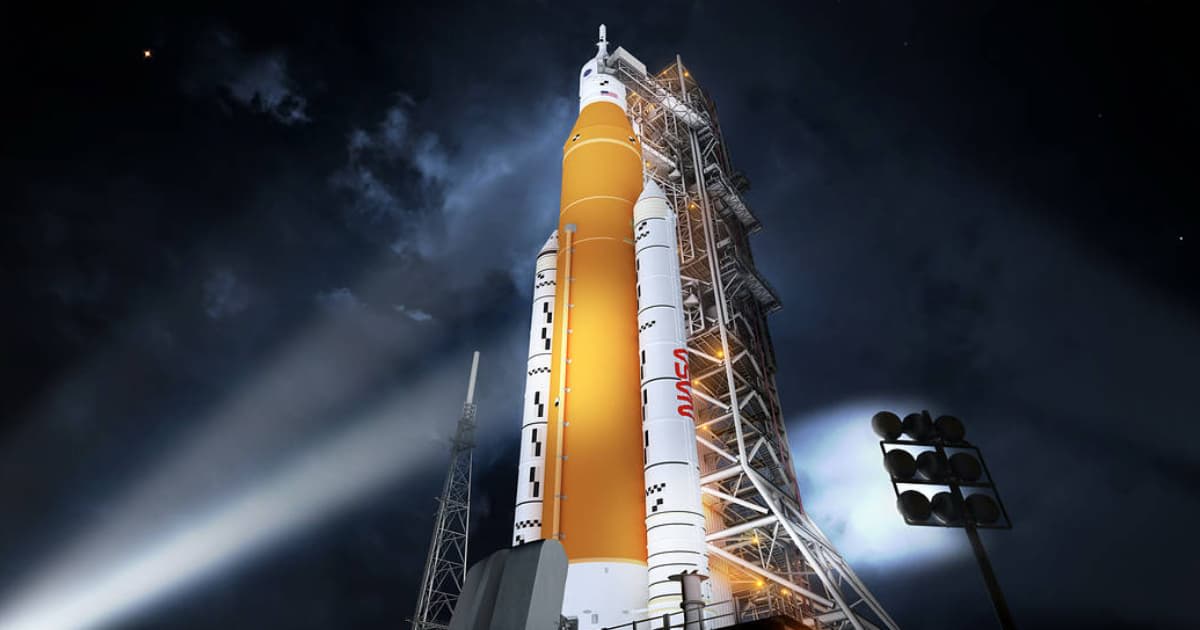
Teams at Kennedy Space Center loaded over 700,000 gallons of cryogenic liquid hydrogen and oxygen into the Space Launch System (SLS) rocket’s core stage and interim cryogenic propulsion stage (ICPS) without exceeding ground safety limits for hydrogen concentration this time. The countdown proceeded through tanking phases of top-off and replenish, after slow and fast fills. The execution of two terminal countdown runs concluded the rehearsal. The latter was stopped at T-29 seconds, ending at 10:16 pm EST as planned.
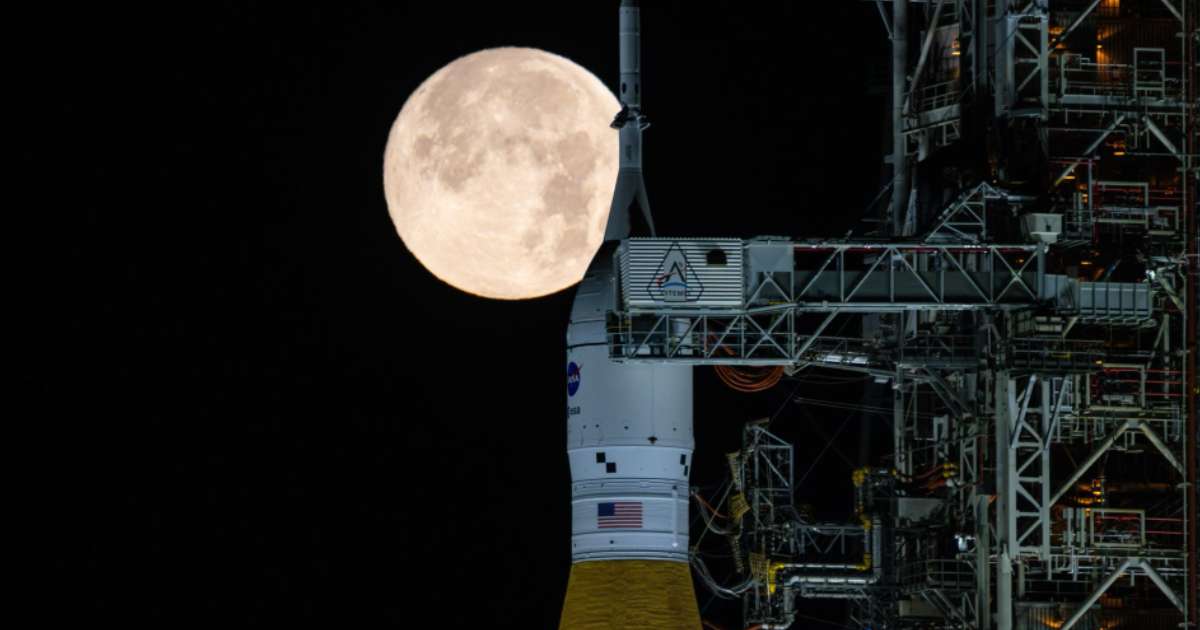
The initial rehearsal that concluded on February 3, 2026, had ended prematurely due to a hydrogen leak in a tail service mast umbilical (TSMU) interface used to fill the core stage of the rocket with the cryogenic fuel. The higher-than-allowable levels of hydrogen leak prompted the terminal count to be stopped prematurely at about T-5 minutes. NASA reacted by conducting repairs by February 9, 2026, and a confidence test on February 12, 2026. This rehearsal wasn’t without minor issues, though. A brief booster avionics voltage anomaly and a temporary ground communication drop-off did occur, but were resolved quite quickly.
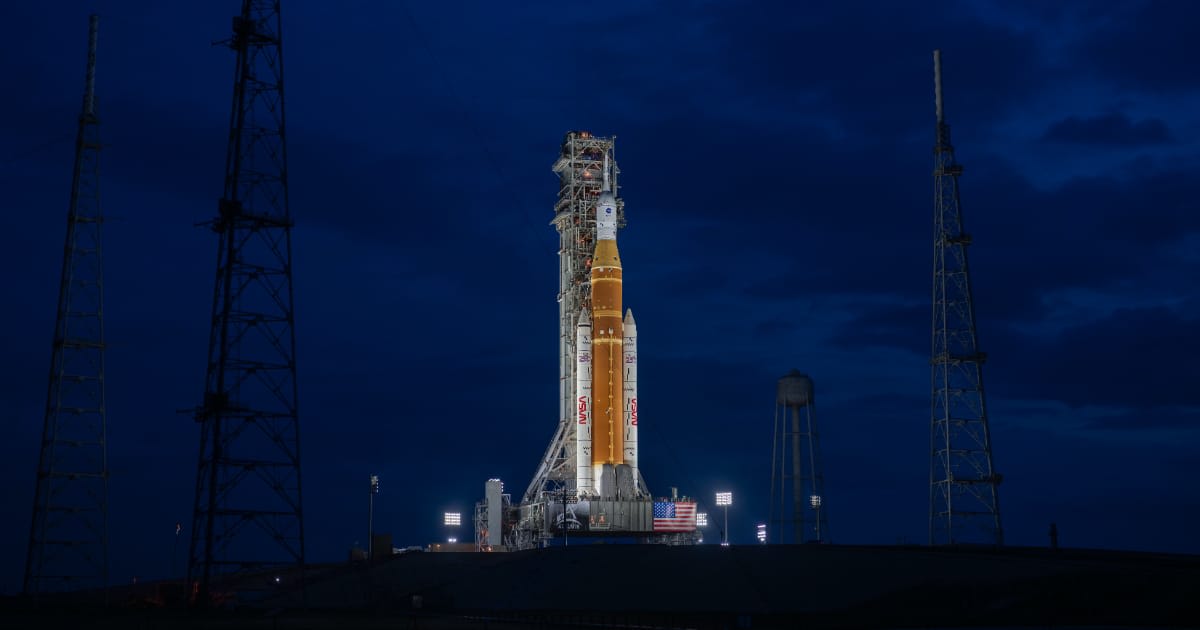
Preparations for this rehearsal began early, with the countdown beginning in the evening hours of Tuesday. Later, as teams pushed on into the early morning hours of Wednesday, the core stage was powered up around 3 am EST on February 18, 2026. This was followed by the Orion capsule’s battery charging and umbilical arm final preparations.
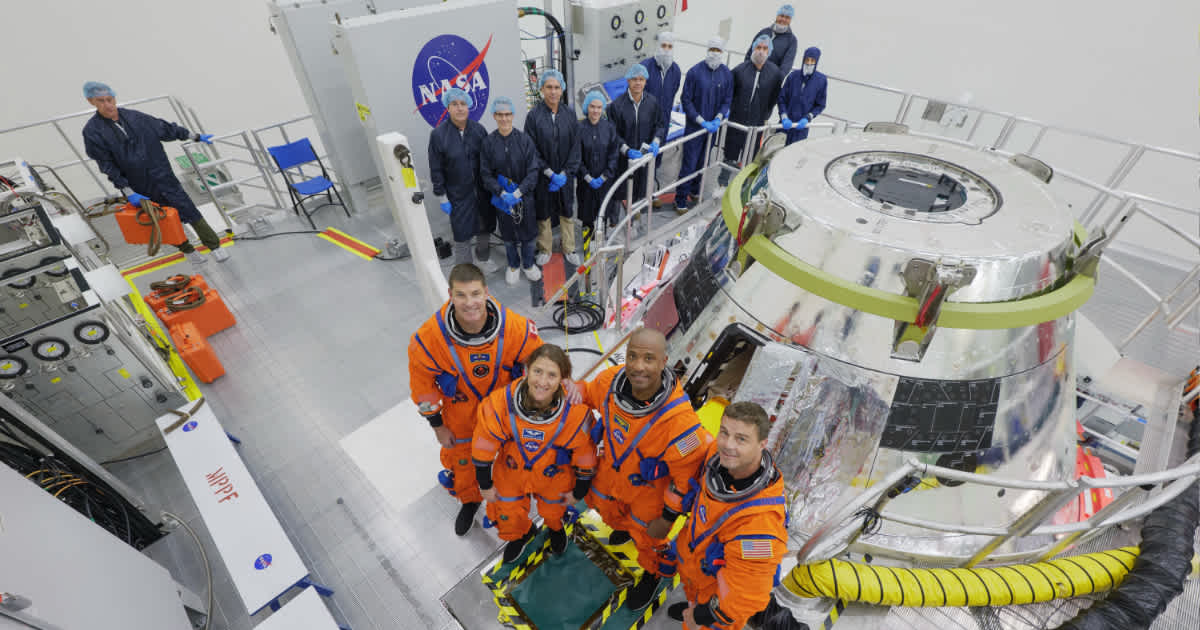
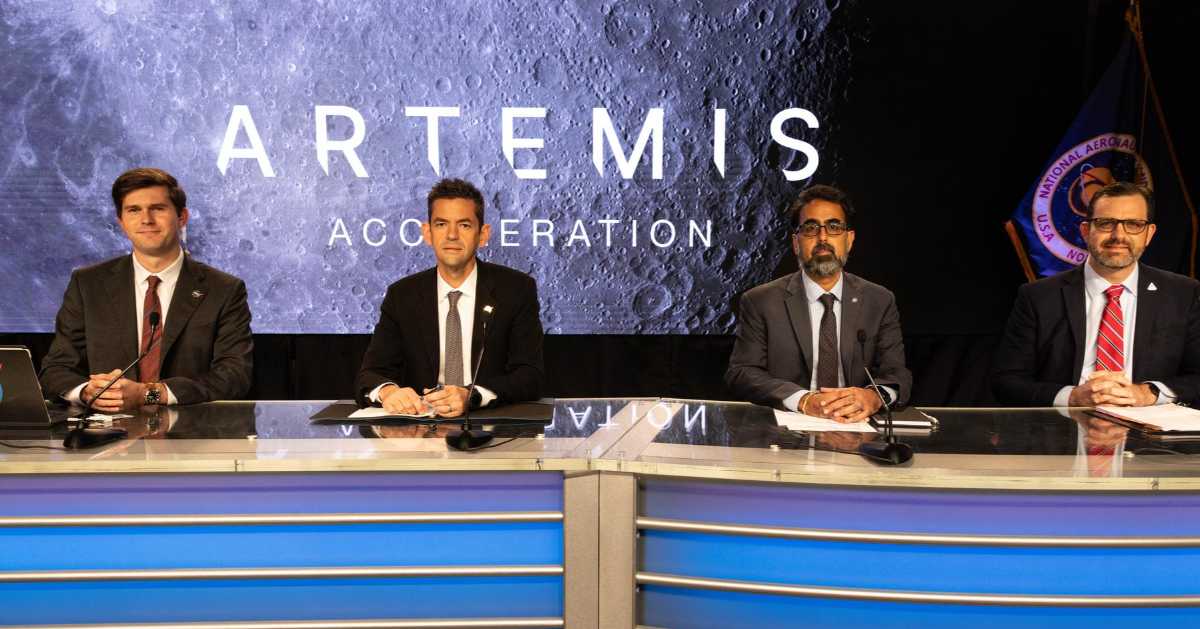
The following day’s early morning hours also saw teams configure the SLS rocket with gaseous nitrogen. This is a process that makes use of the inert nature of the gas to mitigate the chances of fire hazards. The closeout crews sealed Orion’s crew module and launch abort system hatches, even though the astronauts set to fly aboard the mission did not take part in the rehearsal. A post-rehearsal media briefing is now set to clarify NASA’s forthcoming priorities on Friday, February 20, 2026, at 11 am EST. The astronauts are also slated to enter the compulsory pre-flight quarantine late in the day.
NASA teams successfully fueled the Artemis II rocket during tonight’s prelaunch test for the lunar mission.
— NASA (@NASA) February 20, 2026
Our Artemis experts will answer questions about the important milestone and next steps during a briefing tomorrow at 11am ET (1600 UTC). https://t.co/fVjFOmK5dy pic.twitter.com/WoWwYGm99T
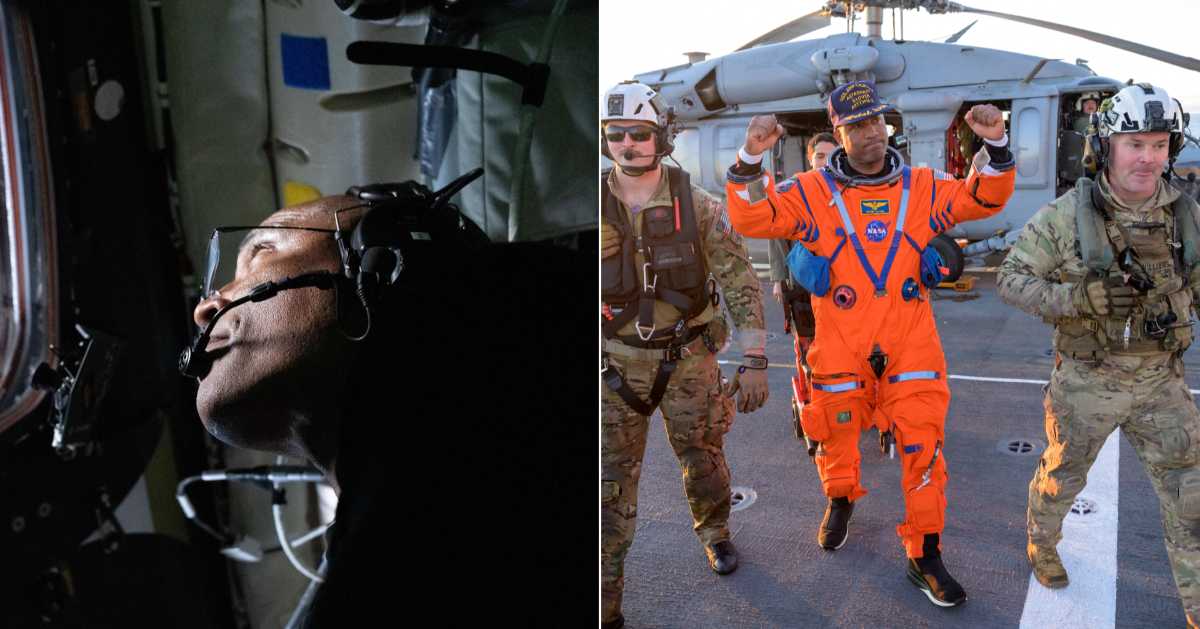
Artemis II will send NASA astronauts Reid Wiseman, Victor Glover, and Christina Koch, plus the Canadian Space Agency’s Jeremy Hansen, on the first crewed Orion flight. This mission will span a 10-day period, with a lunar flyby being the highlight of the mission. The broader Artemis program aims to establish sustainable lunar exploration, landing the first humans on the Moon in more than half a century via Artemis III in 2028. Even more research is to follow with the building of the Gateway lunar outpost, scheduled for Artemis IV.
More on Starlust
NASA could give a shoutout to your own 'Moon crew' during the Artemis II coverage: Here's how
Artemis II mission will take bone marrow cells on thumb-drive-sized chips to the Moon