Artemis II crew will use this roller-coaster-inspired system to escape to safety during emergency
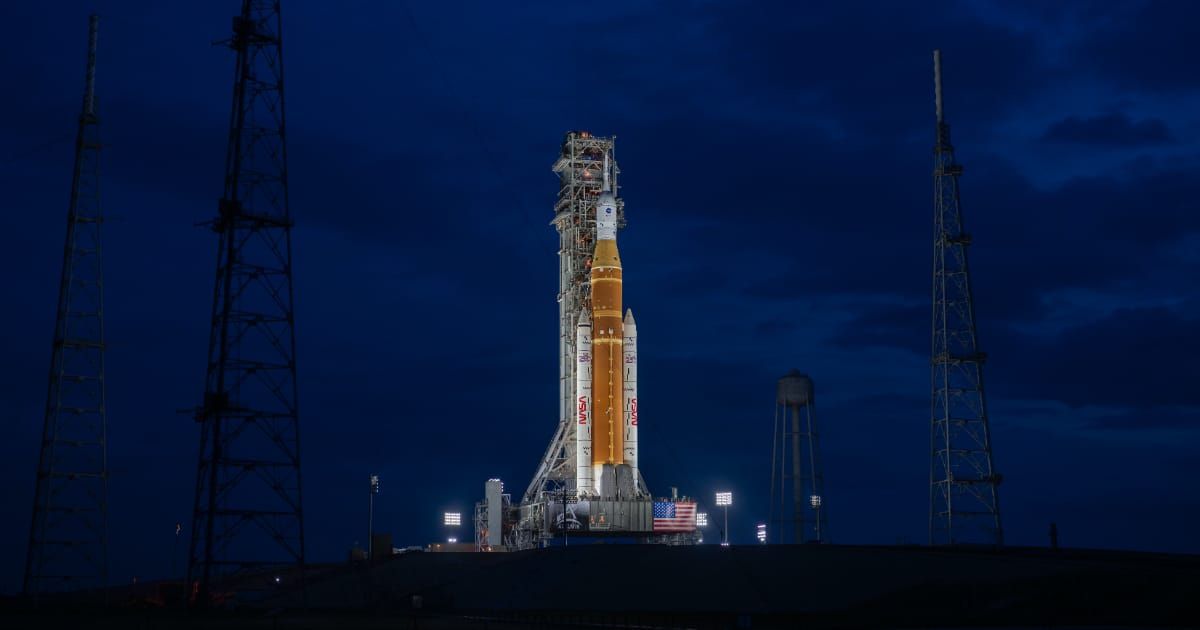
Preparations at NASA's Kennedy Space Center in Florida are in full swing for the second wet dress rehearsal of Artemis II, which will simulate launch procedures, putting the SLS (Space Launch System Rocket) and the Orion spacecraft through most launch steps ahead of a potential liftoff on March 6, 2026. Amid these preparations on Launch Pad 39B, the Emergency Egress System (EES) stands ready to whisk the astronauts and the closeout crew to safety in seconds should things go south.
First tested in 2024, this zipline-like setup provides an avenue for rapid escape from the 375-foot-high mobile launcher from the crew access arm level. Built for Artemis II and later missions within the Exploration Ground Systems (EGS) Program, EES is one of many new ground systems aiding launch operations at Kennedy Space Center. Consisting of more than 1,300 feet of cable and what are essentially ski baskets, EES connects the mobile launcher to a landing area almost a quarter of a mile away.
Interestingly, the emergency egress system uses a magnetic braking technology—the kind of brakes you see on roller coasters at theme parks like Walt Disney World or Universal. In fact, Jesse Berdis, the deputy project manager for modifications to the Artemis II mobile launcher, took some NASA engineers on a business trip to a theme park in Orlando, which happens to be just down the road from the Kennedy Space Center. Jesse revealed that the park authorities were kind enough to show them their maintenance routines and spare parts and provide them with an understanding of what things are most likely to break. The NASA team also got a chance to meet their maintenance crews and mechanics. "It was a wonderful experience," Jesse said on NASA's Curious Universe podcast.
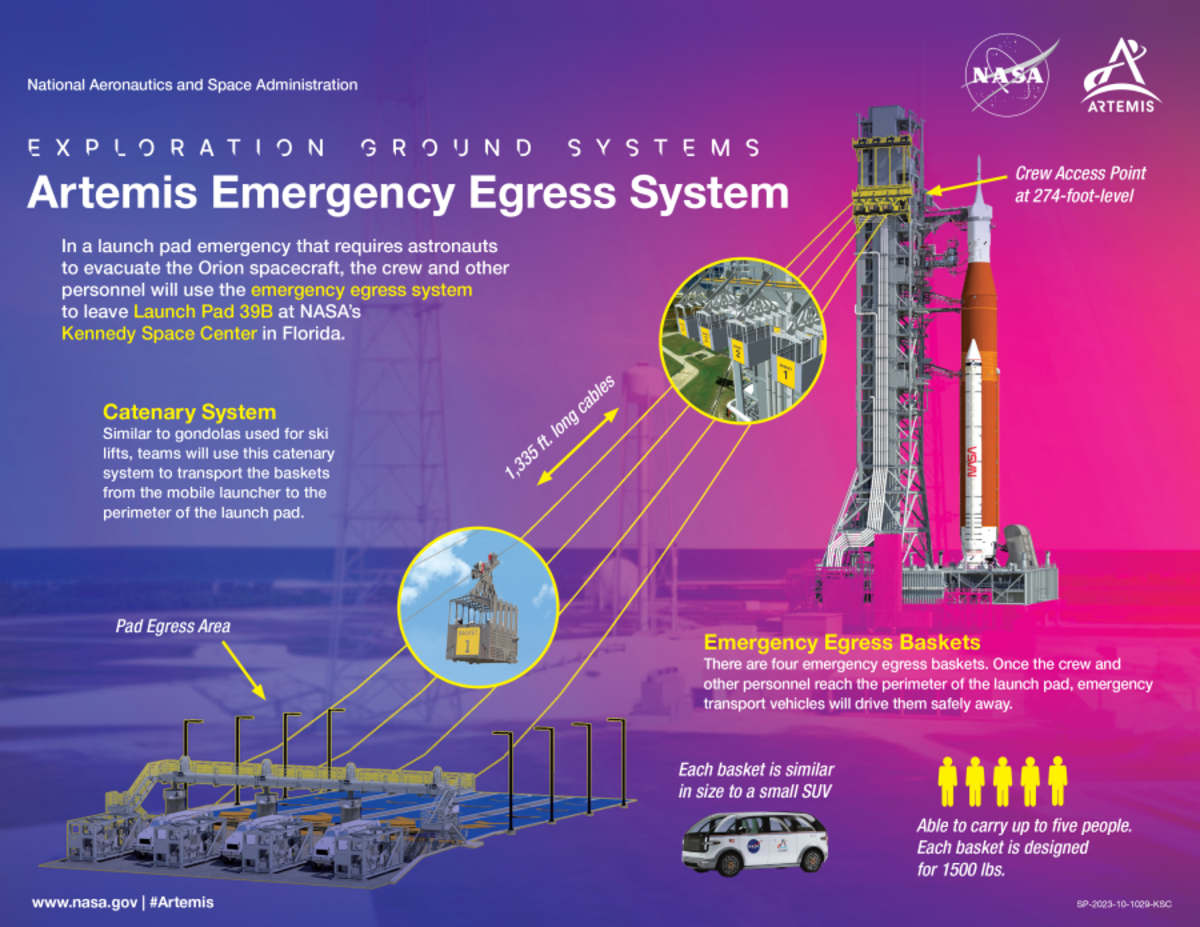
EES has four baskets, each similar in size to an SUV with the capacity to hold up to five people or 1,500 pounds, which can accelerate to 40 to 55 miles per hour down the wire before the brakes slow them smoothly to the landing spot near the pad perimeter. Once the crew is on the ground, armored vehicles will carry them to one of the triage site locations at Kennedy. Berdis noted that helicopter support will also be available if needed.
Though ground-based escape routes date back to the Apollo program, EES is one of the prime examples of how much time and effort are reserved by NASA for safety in the off chance of something going wrong. “When we send our crews to the pad during launch, their safety is always at the forefront of our minds,” said Artemis launch director Charlie Blackwell-Thompson. As Artemis II launch inches closer, with the wet dress rehearsal countdown already having begun, EES stands by like a guardian. "While it is very unlikely that we will need the emergency egress and pad abort systems, they are built and tested to ensure that if we do need them then they are ready to go," Blackwell-Thompson added.
More on Starlust
NASA conducts 'confidence test' of Artemis II SLS rocket, catches issue with liquid hydrogen flow
All hands on deck: The international collaboration behind Artemis II's SLS rocket and Orion capsule