ISS astronauts complete busy research week ahead of Saturday launch of Roscosmos’ Progress 95
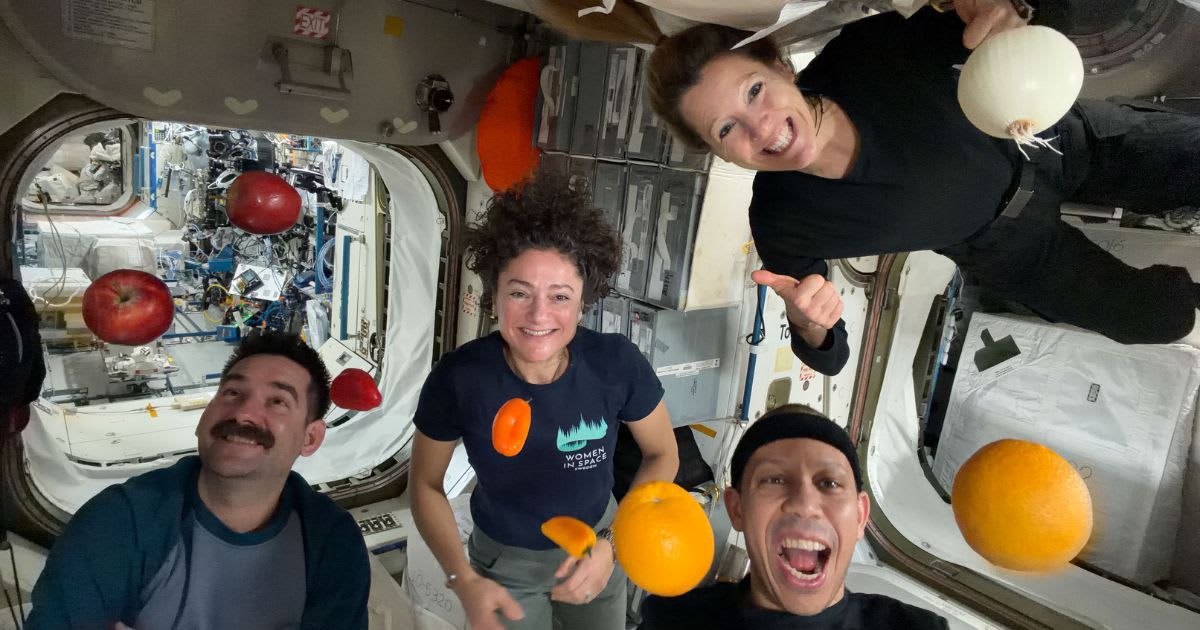
It’s a busy week aboard the International Space Station as the Expedition 74 crew awaits the imminent arrival of Progress 95 from Roscosmos. Set to launch from Baikonur Cosmodrome in Kazakhstan at 6:21 p.m. EDT (2221 UTC) Saturday, the new resupply mission will deliver critical cargo to the orbiting laboratory. The cargo craft will spend two days in orbit and dock autonomously to the space station. Meanwhile, the ISS crew members completed their routine set of tasks related to science, maintenance, and health research, among other station operations.
The Progress 95 cargo spacecraft is set to launch to resupply the Exp 74 crew at 6:21pm ET on Saturday, April 25! 🚀 Watch live coverage starting at 6pm on @NASA+. https://t.co/Z3iEU0lpS6
— International Space Station (@Space_Station) April 21, 2026
According to NASA, Progress 95 is targeting docking at 8 p.m. EDT Monday (0000 UTC Tuesday) at the Zvezda service module’s rear port. The spacecraft’s cargo includes about three tons of food, fuel and supplies to support the ongoing operations of the Expedition 74 crew. NASA will begin live coverage of this cargo ship launch on Saturday, April 25, 6 p.m. EDT (2200 UTC). As they await this cargo arrival, the seven crew members completed a full schedule of scientific research exploring human health and advancing space manufacturing.
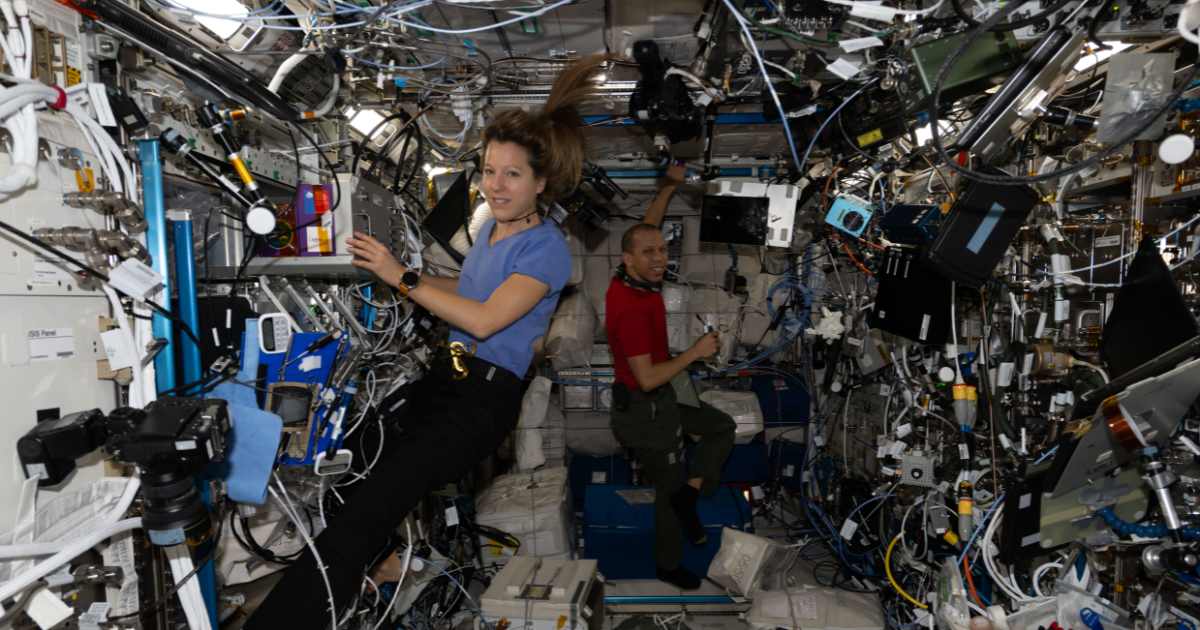
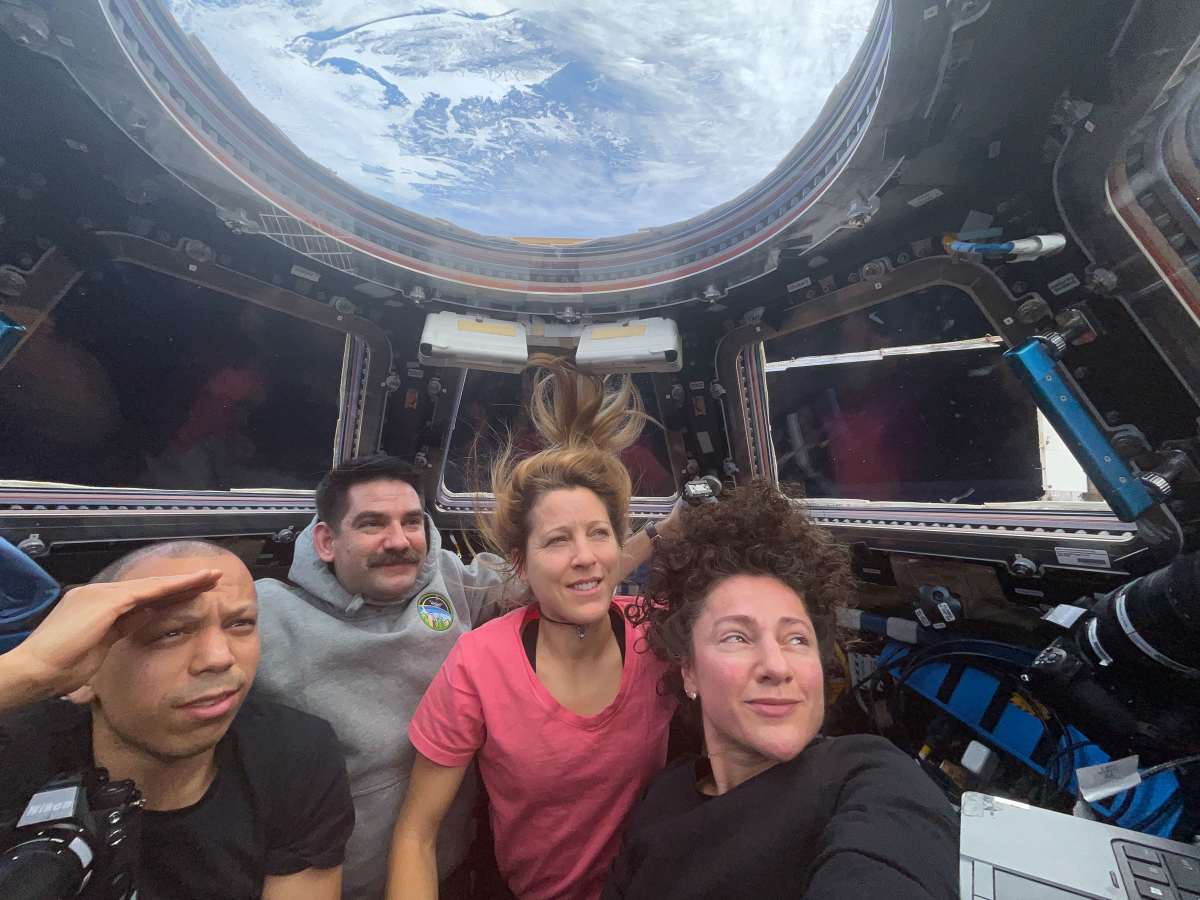
NASA flight engineers Chris Williams and Jack Hathaway completed some essential health and equipment work over the week. In the Columbus laboratory module, the astronauts conducted blood pressure measurements and performed Ultrasound 3 scans of neck, shoulder, and leg veins. The results were monitored by doctors in real time, who will use the biomedical data to keep an eye on crew health. Williams also tested the new European Enhanced Exploration Exercise Device, while Hathaway unpacked medical accessory kits and pharmaceuticals from the recently launched Cygnus XL cargo spacecraft and stowed them.
And the science begins! Remember the new experiments we promised with the arrival of the @northropgrumman Cygnus? Today we conducted MVP Cell‑09, which examines the effects of bacterial infection (Streptococcus pneumoniae) on heart tissue in microgravity. By leveraging the unique… pic.twitter.com/huPwc6PTfz
— Jessica Meir (@Astro_Jessica) April 17, 2026
Flight engineer Jessica Meir performed tasks related to medical readiness and some systems operations. The NASA astronaut trained on the Health Maintenance System, which helps prepare the crew for medical emergencies, such as when a fellow crew member is ill or injured. Meir also assisted Hathaway with unpacking cargo from Cygnus XL, after which she replaced laptop computers in the Destiny laboratory module.
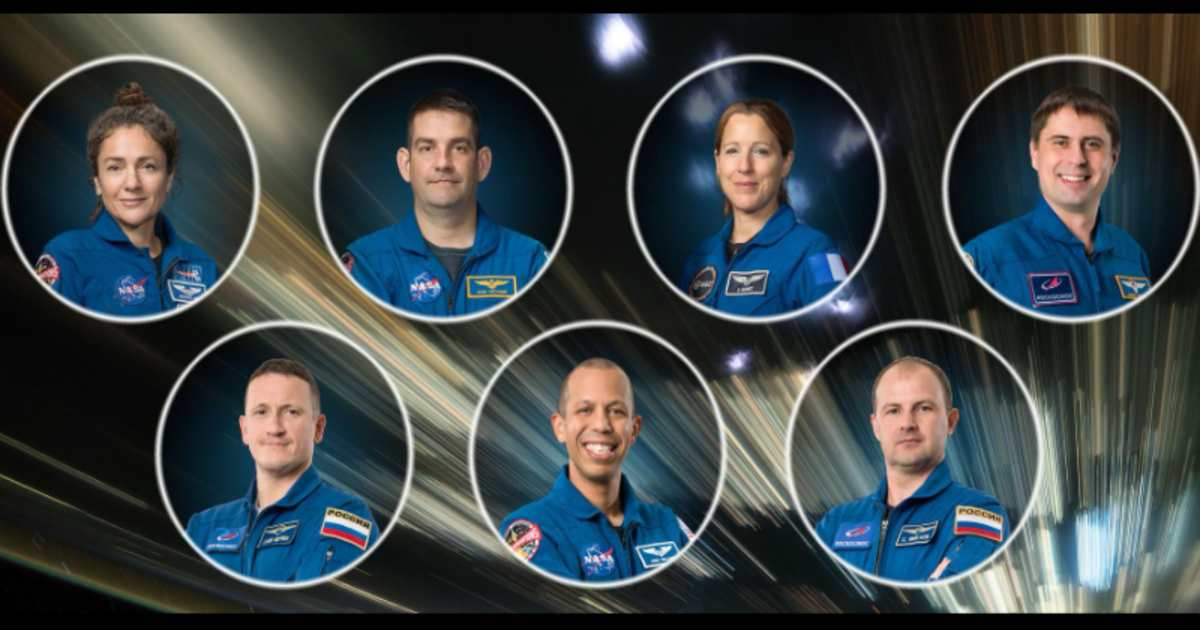
ESA’s Sophie Adenot conducted materials and plant science research. As a part of the 3D Colloidal Crystals study, the flight engineer photographed colloidal crystal samples, which are microscopic beads that form crystal-like structures. This research aims to enable the production of advanced materials in space for both Earth and space industries. The ESA astronaut also watered seeds for a botany experiment that intends to inspire young students toward space-related careers.
Furthermore, the Roscosmos crew verified systems and completed maintenance tasks over the week. Cosmonauts Sergey Kud-Sverchkov and Sergei Mikaev conducted hearing tests in the Quest airlock. Kud-Sverchkov, who is the current commander of ISS Expedition 74, also checked the Elektron oxygen generator in Zvezda, while Mikaev completed a treadmill fitness test. Roscosmos flight engineer Andrey Fedyaev cleaned air vents in the Zarya module and replaced smoke detectors in the Nauka module.
More on Starlust
NASA announces SpaceX Crew-13 for International Space Station mission in September 2026