NASA to provide major update on upcoming Artemis missions on October 23—streaming details here
Major updates on NASA’s Artemis III and Artemis IV are in order. The agency has planned a live press conference where it will share updates on the progress of its Moon missions on October 23. The conference will begin at 2 pm EDT at the Kennedy Space Center with NASA Administrator Jared Isaacman, Deputy Associate Administrator Amit Kshatriya, and Artemis Program Manager Jeremy Parsons as the participants.
Join us on Oct. 23 for an update on our plans to return American astronauts to the Moon by 2028. NASA leadership will also give details on the upcoming Artemis III mission to test critical systems needed for future Moon landings. https://t.co/m8VK2JC6n3 https://t.co/m8UCnP9suT
— NASA (@NASA) October 14, 2026
“The update will include details about NASA’s Artemis III mission that will send four astronauts to low Earth orbit next year to test critical systems needed for future lunar landings, and how plans to return American astronauts to the Moon by 2028 are progressing,” a NASA statement read. You can watch the event live on X, Discovery+, Amazon Prime, YouTube, NASA+.
High-stakes Artemis missions ahead
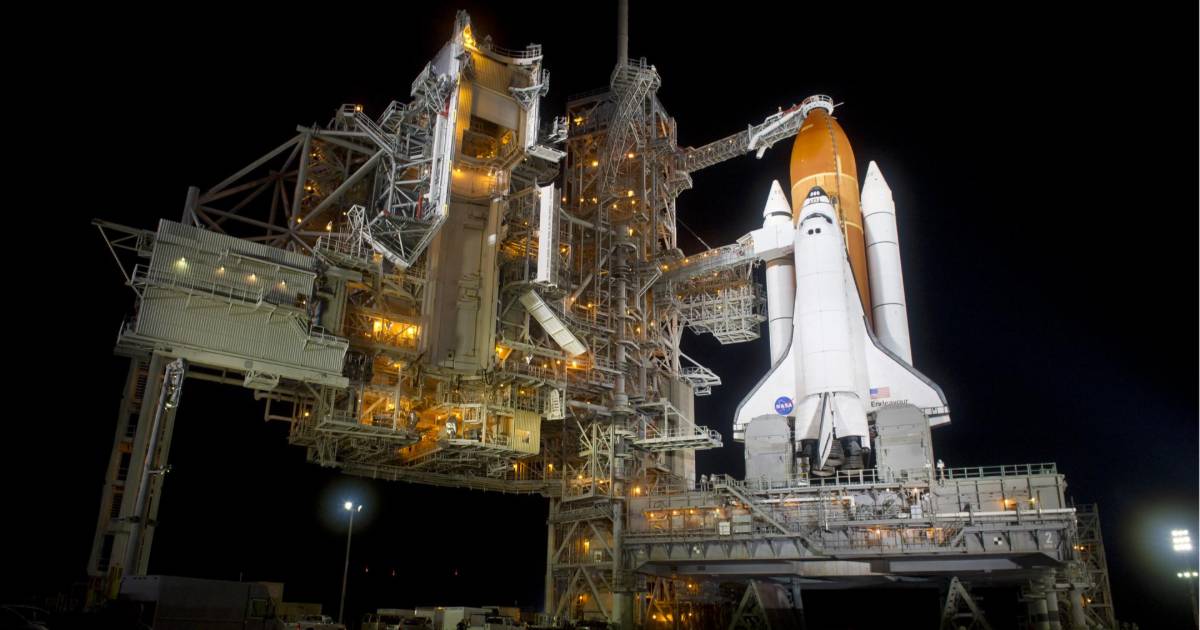
Work is in full swing for Artemis III, which is slated for launch in mid-2027. It’s an Earth-orbit mission focused on demonstrating docking capabilities of the Orion spacecraft with private landers built by SpaceX and Blue Origin. Artemis IV, on the other hand, is when astronauts will return to the lunar surface on these landers for the first time since 1972. This mission is slated for launch no earlier than 2028. Notably, the success of Artemis III will decide the launch of the next mission, which hinges on timely delivery of landers and their performance during the docking demo with Orion.
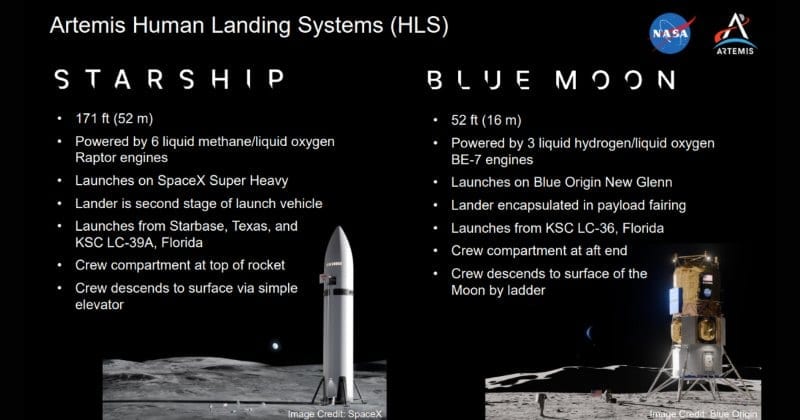
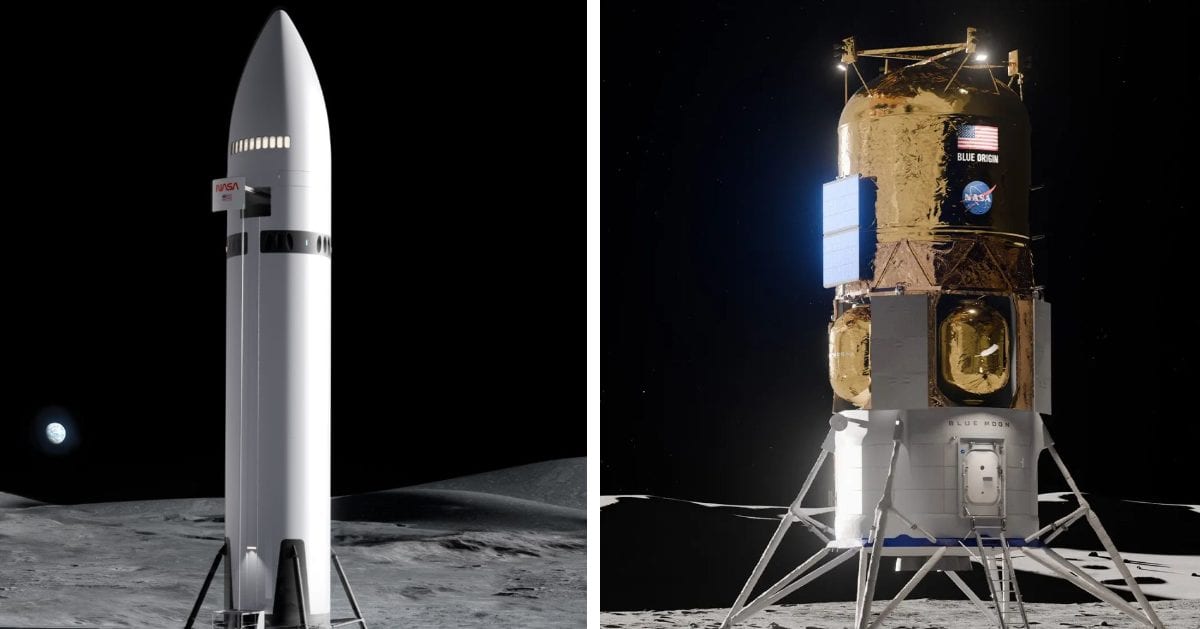
According to a timeline shared by NASA, SpaceX plans to land an uncrewed Starship on the Moon before the end of 2027, whereas Blue Origin is aiming for the first quarter of 2028 for an uncrewed mission. While Blue Origin is building its Blue Moon Mark 2 lander (52 feet tall) for the Artemis Program, SpaceX is developing a much larger vehicle (171 feet tall) to transport astronauts to the lunar surface. Both of them will be tested in Earth orbit by four astronauts who will launch atop the Space Launch System (SLS) rocket for the mission.

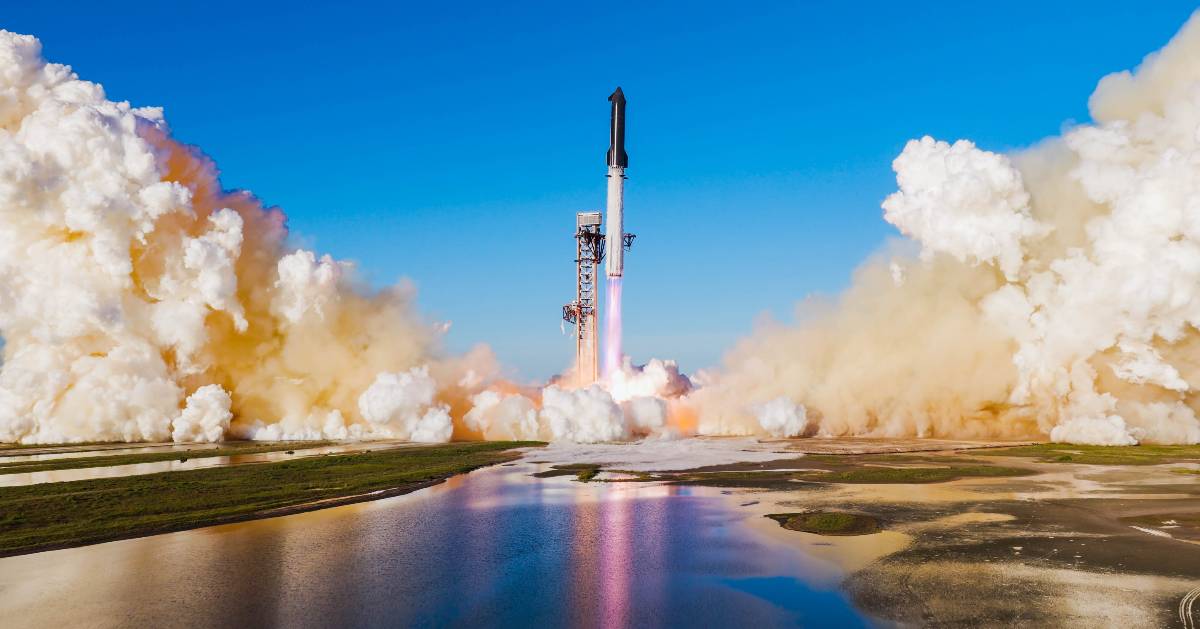
SpaceX CEO Elon Musk has said that Starship is expected to fly weekly in the first half of 2027, and a higher launch cadence may help NASA proceed rapidly toward the Moon landing. He has even said that Starship may launch twice weekly or maybe even more frequently than that by 2028. That is also the year SpaceX is hoping for its Starbase Louisiana to become operational and launch the first Starship—the first step to achieving as many as 30 launches per day.
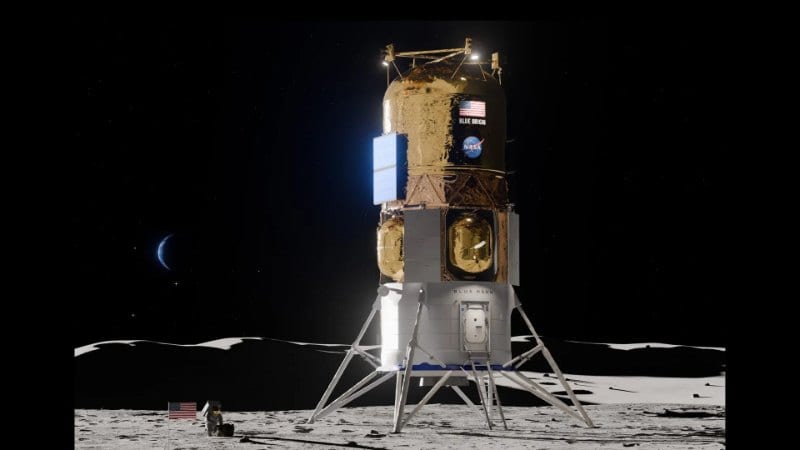
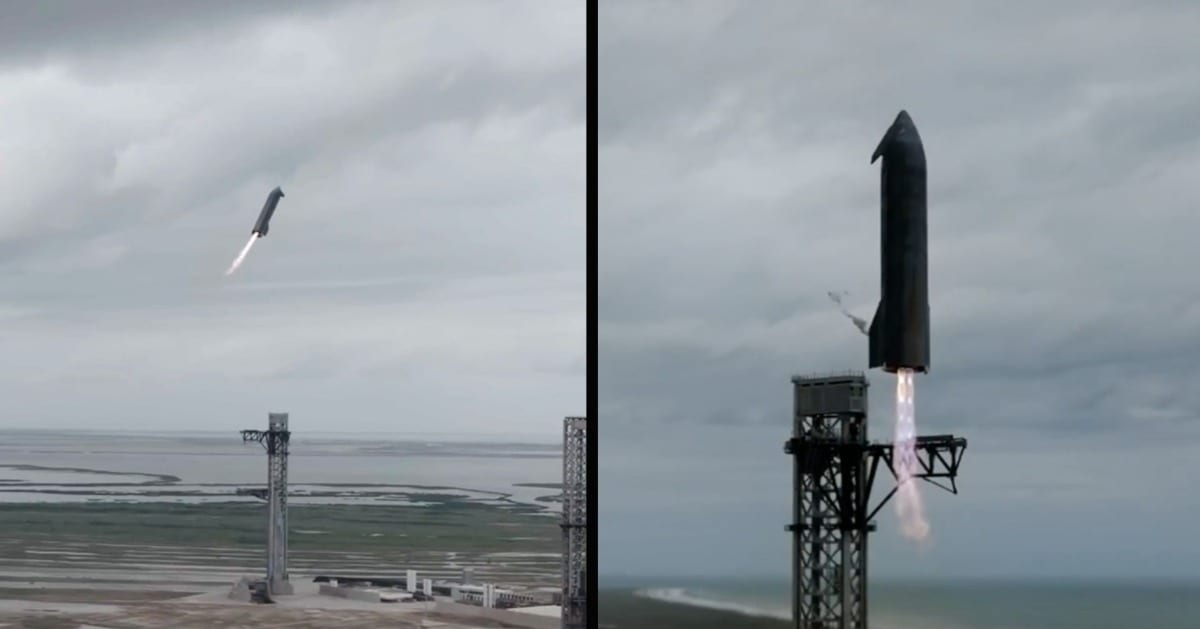
In the timeline NASA shared, it listed several milestones that the commercial landers must achieve before 2028. It includes flight testing, long-duration orbital tests, and a large-scale on-orbit propellant transfer for Starship V3, a lunar landing for Blue Origin’s Mark 1 lander, and a Moon landing demonstration from both landers. It is worth noting that Starship has flown on just one orbital mission so far, and that too wasn’t without any hiccups. Next month, the rocket will launch on its 15th integrated test flight, and SpaceX is aiming to catch both its stages using the launch tower. Recovery of both stages will be an important step in achieving full reusability with Starship. However, Musk has said that it may not be successful this time.
More on Starlust
NASA's major Moon Base update: These vehicles are on track to be delivered to the lunar South Pole
European Space Agency to build OASIS, a service station to support future missions on the Moon