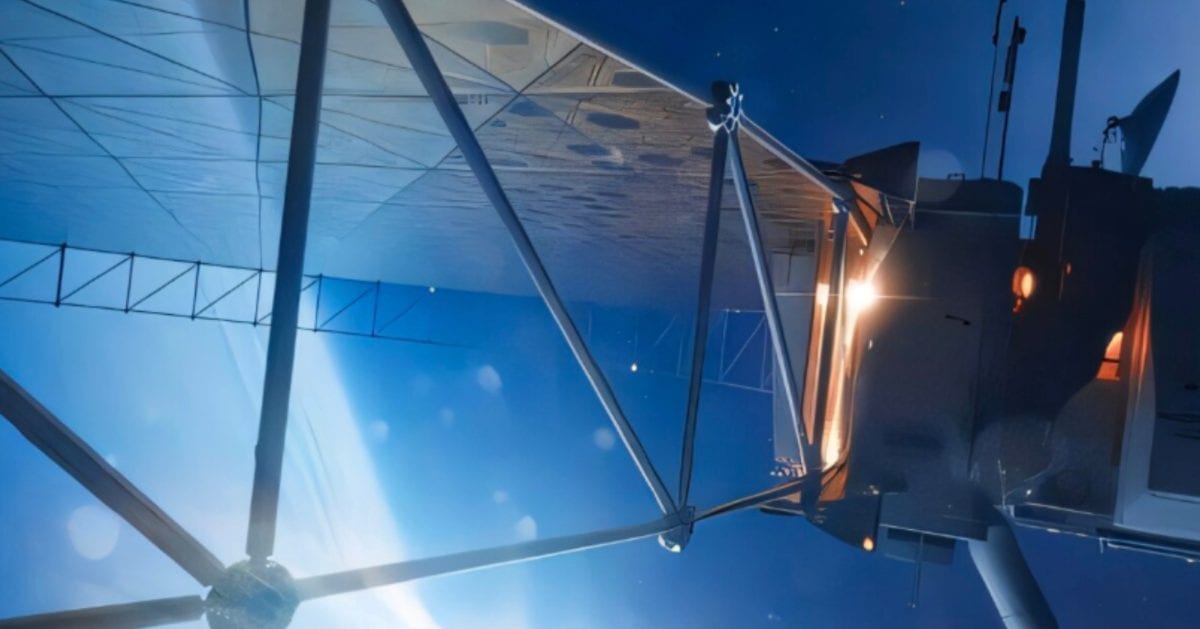
NASA's major Moon Base update: These vehicles are on track to be delivered to the lunar South Pole

Building a Moon Base is an audacious undertaking, with robotic rovers expected to do a lot of the heavy lifting, especially in the early stages of its development at the lunar South Pole. So to give folks a glimpse of how things stand, NASA shared a Moon Base video update on Tuesday, highlighting the progress on robotic rovers and the two lunar terrain vehicles (LTVs) being developed by its commercial partners, Astrolab and Lunar Outpost.
There's a lot of ground to cover when you're building a Moon Base. During the first phase of @NASAMoonBase development, robotic rovers will gather new details about the lunar South Pole region, while lunar terrain vehicles will extend the reach of each Artemis mission. https://t.co/tal41Kyght
— NASA (@NASA) October 20, 2026
These LTVs, namely Astrolab's CLV-1 and Lunar Outpost's Pegasus rover, can be driven by Artemis astronauts across the South Pole region besides being remotely operated from Earth. Since their selection for the project was announced in May, the companies have made considerable progress on the development of the vehicles, and per NASA's latest report, both the LTVs are expected to be launched to the lunar South Pole by Blue Origin's landers by 2028, before the crewed Artemis launches take place.
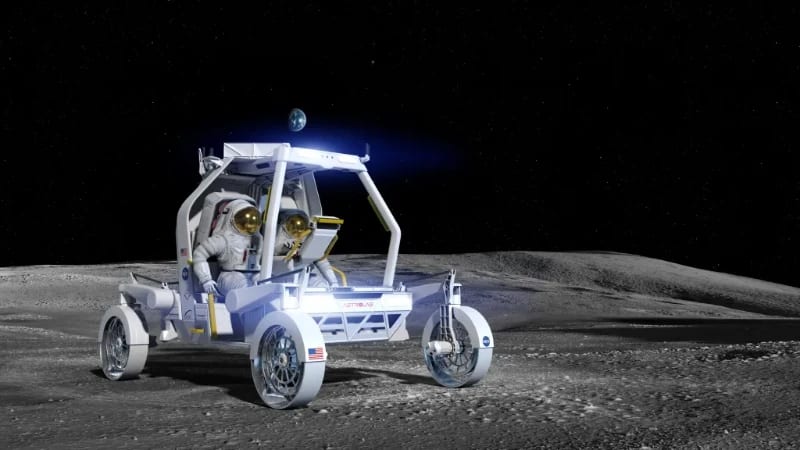
Both Astrolab and Lunar Outpost have wrapped up rover mockups for astronaut evaluations. Astrolab has delivered CLV-1's mock-up to Axiom Space, where NASA astronauts wearing mock-ups of the Artemis spacesuits assessed the vehicle's cabin, display interface, and overall design. Astrolab engineers will also test its flexible, airless wheels at NASA's Glenn Research Center. For Lunar Outpost's Pegasus, astronauts tested a full-scale mock-up of the rover at NASA's Johnson Space Center, focusing on its usability and comfort while wearing pressurized spacesuits. The company is also preparing to test Pegasus' spring-mesh tires at NASA Glenn to assess the rover's traction and mobility on simulated lunar terrain.
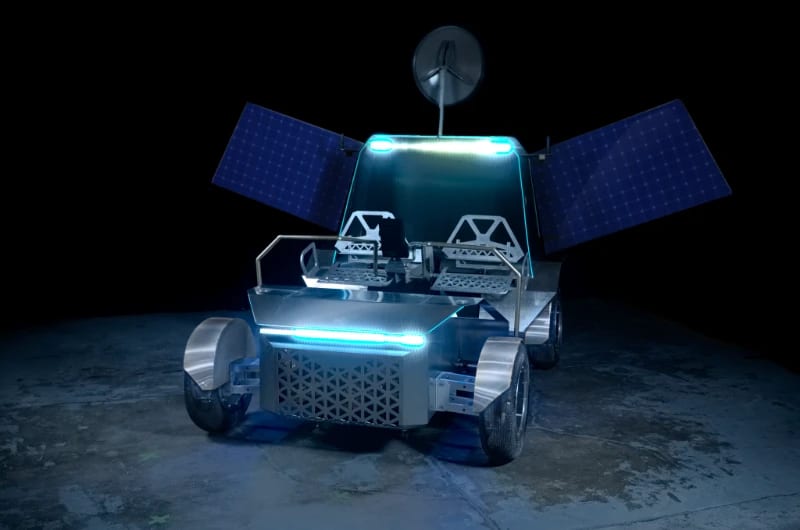
While being operated remotely from Earth, the rovers can travel up to 3.7 miles (6 kilometers) a day to map terrain, survey future mission sites, and test operations in permanently shadowed regions, where temperatures drop as low as −203°C. Artemis astronauts will later use them to explore the lunar South Pole, haul equipment, and gather geological samples. A single battery charge enables the LTVs to handle three moonwalks for each Artemis mission, carry as much as 176 pounds (80 kilograms) of the Moon's samples and equipment, and traverse a distance as far as six miles (10 kilometers).
The next chapter of human lunar exploration will unfold near the Moon’s South Pole. This interactive lets you tour the region where the Moon Base will take shape and explore its distinctive lighting, rugged terrain, and notable landmarks. Launch the interactive: https://t.co/1ShFzgLlBK
— NASA Moon Base (@NASAMoonBase) October 21, 2026
Even before CLV-1 and Pegasus are geared up for the Moon, both companies are planning to launch smaller robotic rovers on future Moon Base missions. Among them is FLIP (FLEX Lunar Innovation Platform), Astrolab's first robotic rover, planned for launch late this year. "Lunar rovers are central to our surface mobility strategy," said Robert Pickle, who leads NASA's Surface Mobility Office for the Moon Base program. “Their performance will lay the groundwork for the mobility systems that will define the next era of exploration and ultimately determine how effectively we can build, operate, and expand the infrastructure required for long‑duration exploration.”

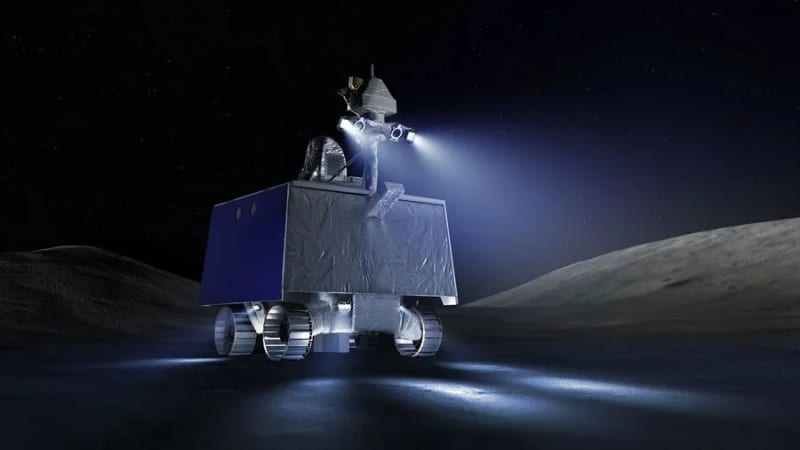
NASA also confirmed that the VIPER rover—a robotic rover designed to hunt for water ice within craters devoid of sunlight— is now completely developed. The rover, currently assembled at the agency's Johnson Space Center in Houston, will undergo final testing before it is shifted to NASA’s Kennedy Space Center in Florida, from where it is scheduled to lift off to the Moon in late 2027 on Blue Origin's Blue Moon MK-1 lander. Once it reaches the lunar surface, VIPER will travel on the surface for about 100 days, collecting relevant data on the thermal, lighting, and terrain conditions at the lunar South Pole. It can cover a large distance of over 18 miles (30 km) in 100 days, which is quite fast for a planetary rover, according to Ryan Vaughan, Project Manager of VIPER. VIPER's team is getting ready to perform some Deep Space Network compatibility testing in December, after which the rover will be prepared to ship to the lander facility.
Over the coming months, Astrolab and Lunar Outpost will conduct testing of drivable LTV mockups by teaming up with NASA astronauts to assess the vehicles’ driving and operational performance in simulated Moon conditions. While Lunar Outpost plans to conclude the preliminary design review of its rover in October, Astrolab is expected to finish it by December's end.

Meanwhile, NASA’s updated timelines show SpaceX aiming for an uncrewed Starship Moon landing by the end of 2027 and Blue Origin for an uncrewed Blue Moon landing in early 2028, setting up Artemis IV as the first crewed landing on the Moon since the Apollo program. Artemis III, scheduled for next year, will stay in low Earth orbit to test docking with both landers, but SpaceX still needs to prove in-orbit refueling, and Blue Origin depends on New Glenn returning to flight after its May pad explosion.
More on Starlust
Can NASA restrict China's access around its Moon Base? Here's what space law says
NASA's Artemis II crew reported "almost swamp-like colors" on the Moon: See the images