10 most historic International Space Station commanders — Chris Hadfield, Peggy Whitson and more
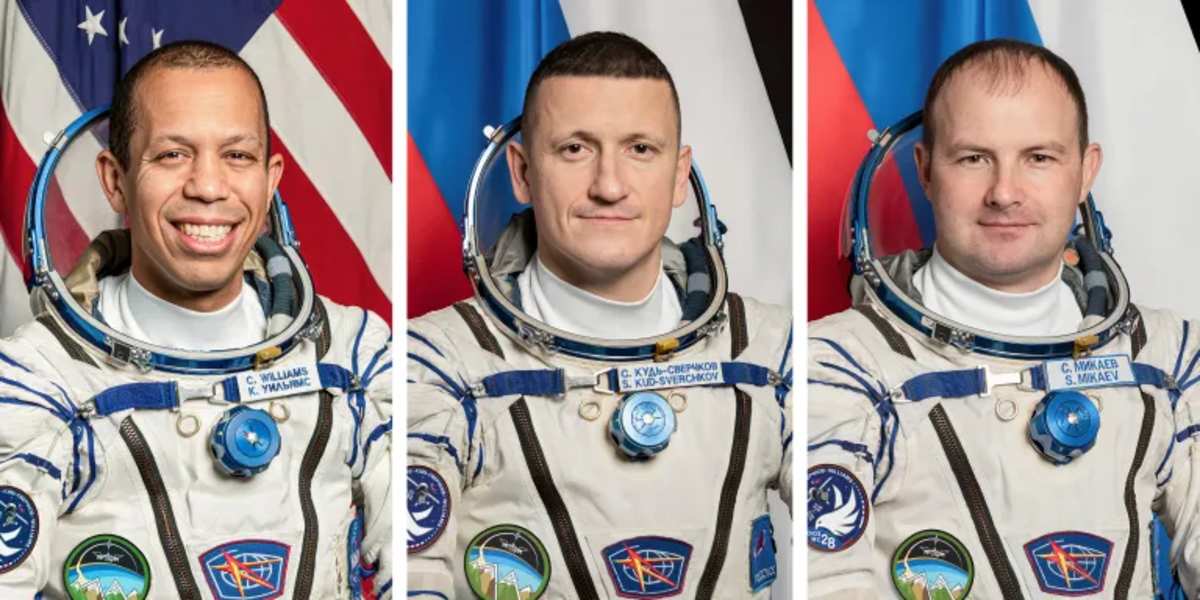
After NASA's Chris Williams, along with Roscosmos' Sergey Kud-Sverchkov and Sergei Mikaev returned to Earth from the International Space Station aboard the Soyuz MS-28, NASA's Jessica Meir became the commander in charge of Expedition 75. Meir has plenty of experience to draw from her time as an astronaut, including leadership roles.
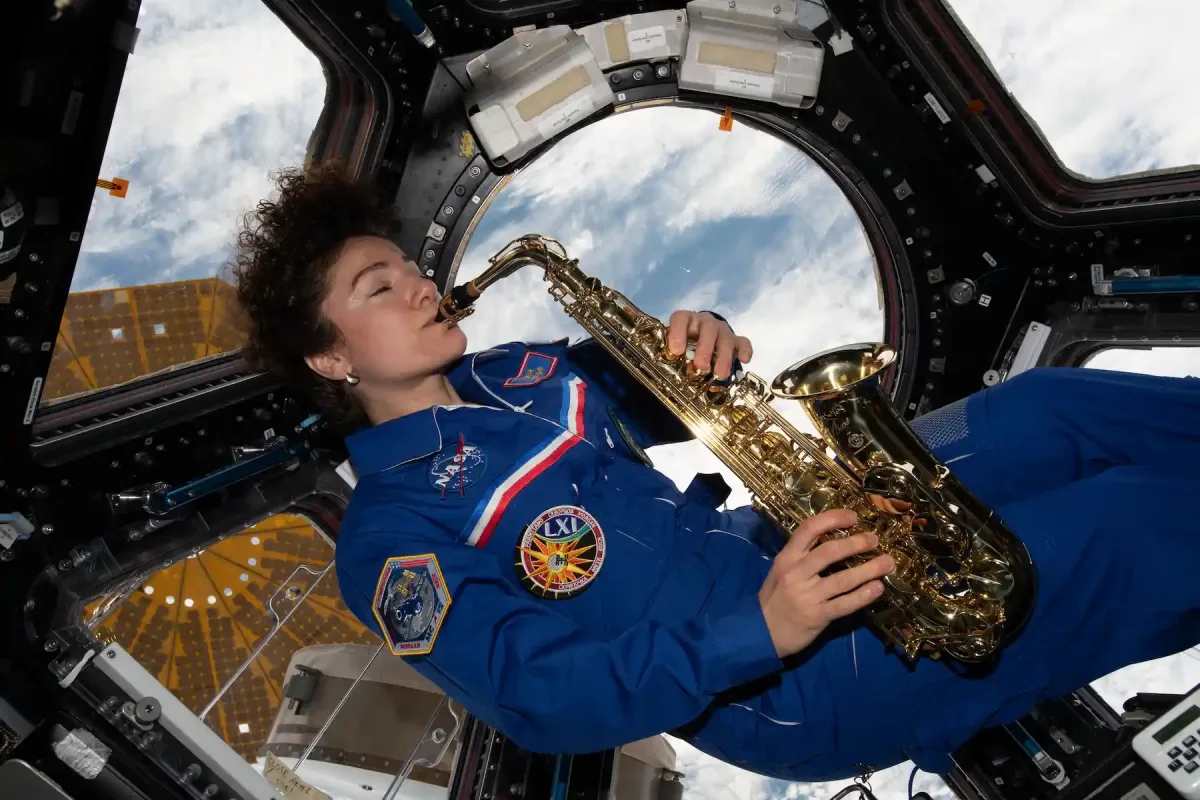
She commanded the crew of SpaceX's 12th Commercial Crew flight to the station earlier this year. She was also part of the first-ever all-female spacewalk outside the station with Christina Koch, who later became the first woman to leave Earth's orbit during the Artemis II mission. Meir has completed five spacewalks in total, having fixed the Canadarm2 robotic arm late last month. She will now have to fill the shoes left by some of the most influential commanders in ISS history, ten of whom are listed below:
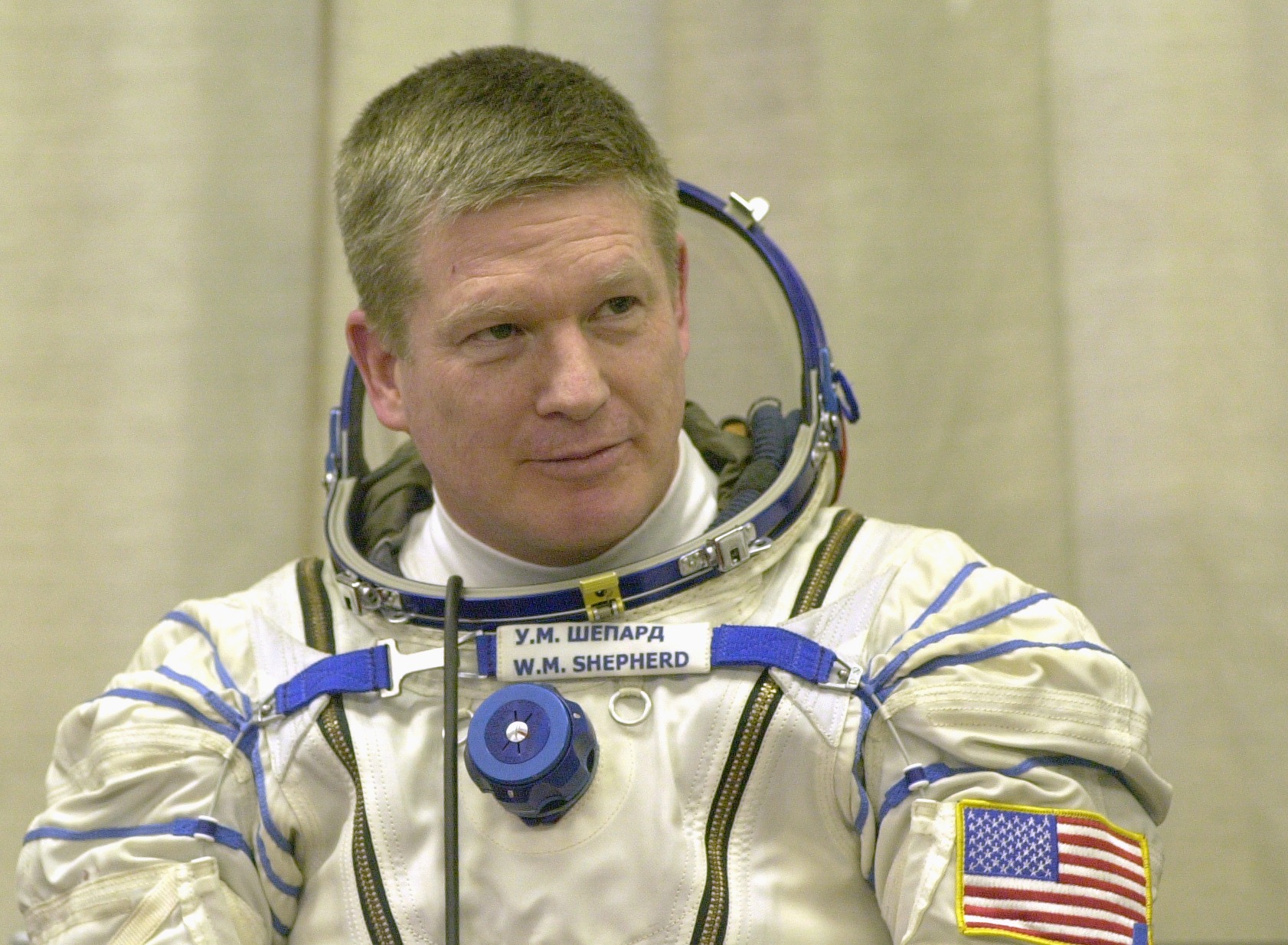
William Shepherd (NASA)
In November 2000, American astronaut William Shepherd took charge as commander of Expedition 1. Alongside Russian cosmonauts Yuri Gidzenko and Sergei Krikalev, Shepherd established the foundations of the operations on board humanity's home in space.
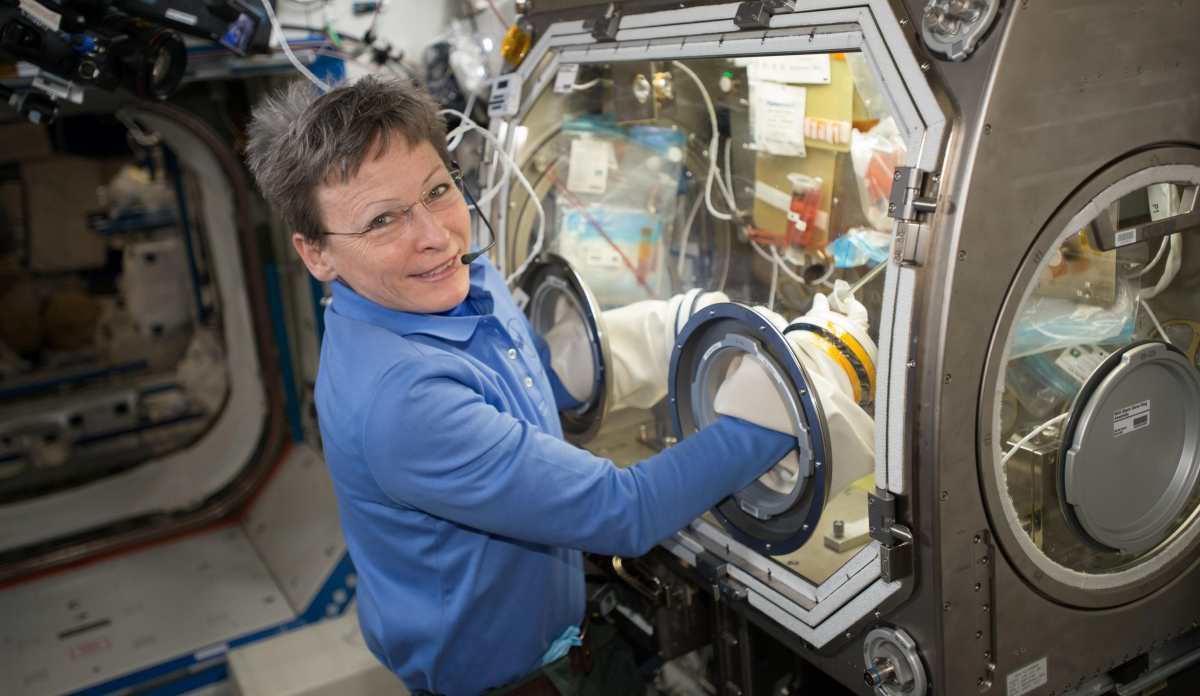
Peggy Whitson (NASA)
A trailblazer in orbital leadership, Whitson became the first female commander of the ISS during Expedition 16 in 2007 before taking over the reins again for Expedition 51 in 2017. Across all three NASA spaceflights that she was a part of, she accumulated a total of 665 cumulative days in space—the most by a US astronaut—before retiring from the agency in 2018.
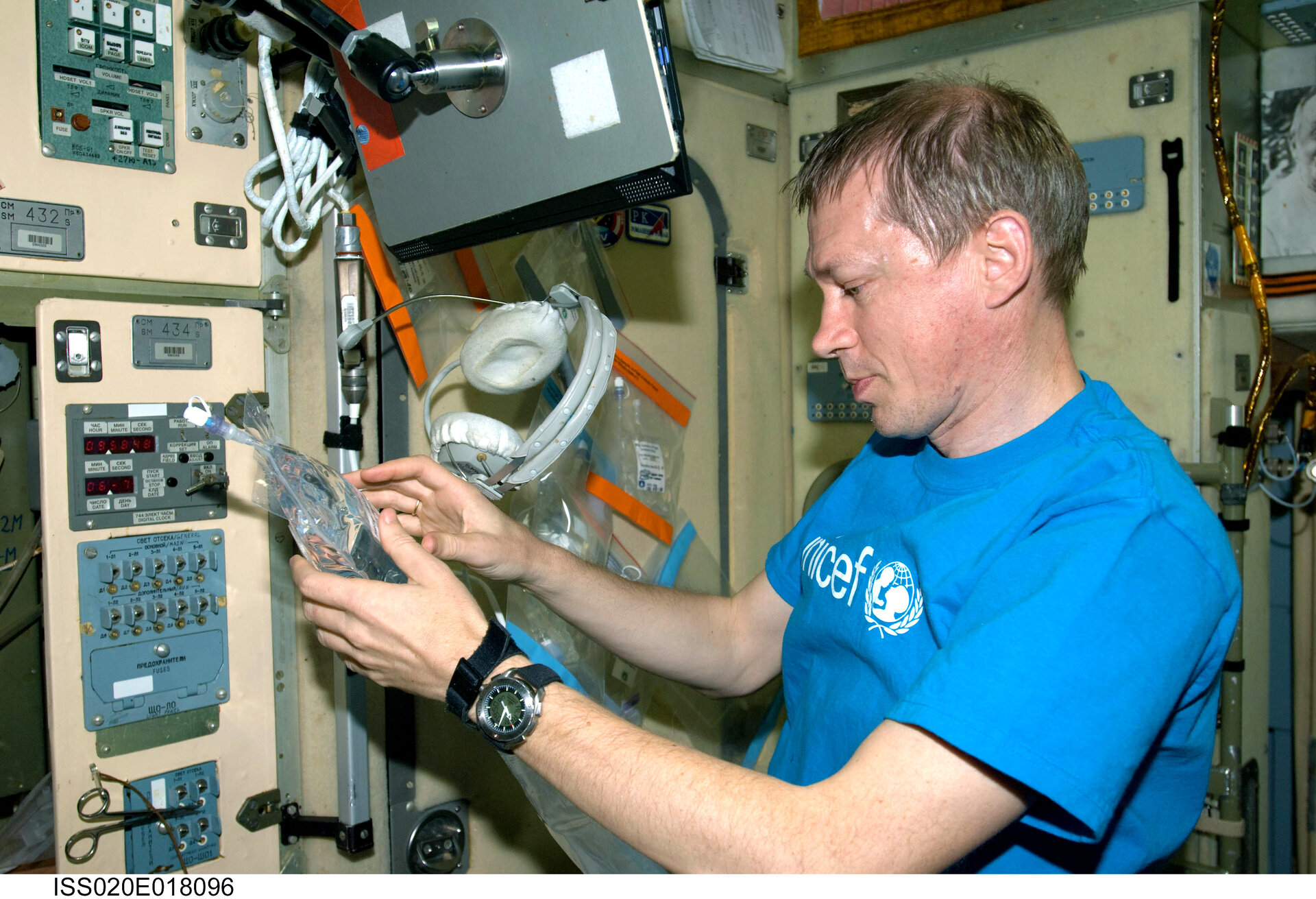
Frank De Winne (ESA)
Belgian astronaut Frank De Winne made history during Expedition 21 in 2009 by becoming the first European astronaut to command the station. His leadership demonstrated the truly global nature of the partnership that guides the outpost.
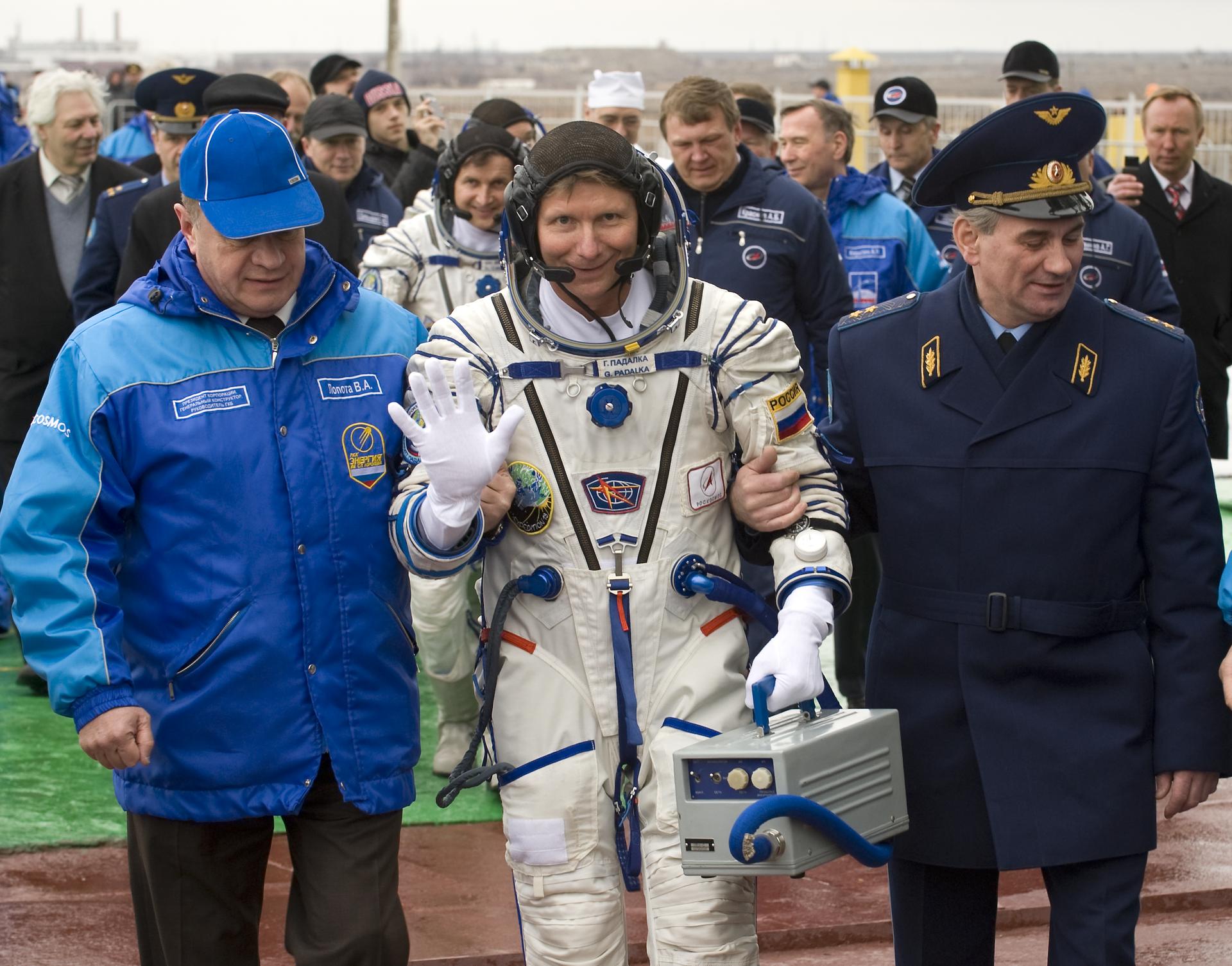
Gennady Padalka (Roscosmos)
Cosmonaut Gennady Padalka served as station commander for Expeditions 9, 19/20, 32, and 44. During his time as a cosmonaut, he spent a total of 878 days in space, orbited Earth over 13,000 times, and performed 8 EVAs
Chris Hadfield (CSA)
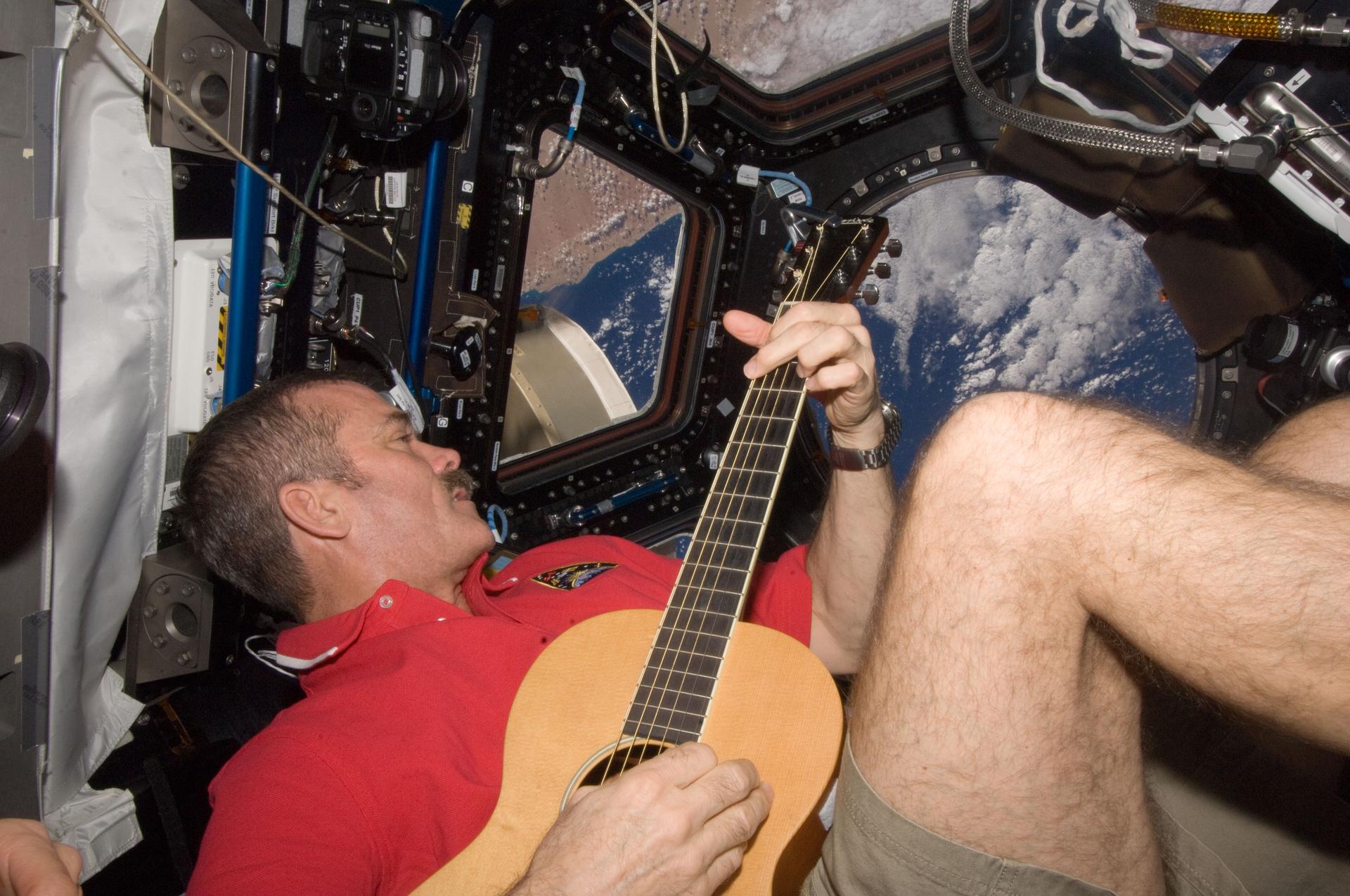
Chris Hadfield became the first Canadian to command the ISS when he took over the reins of Expedition 35 in 2013. Beyond managing scientific experiments, he made space accessible to the masses through his use of social media platforms and the videos he made on everyday life in space.
Koichi Wakata (JAXA)
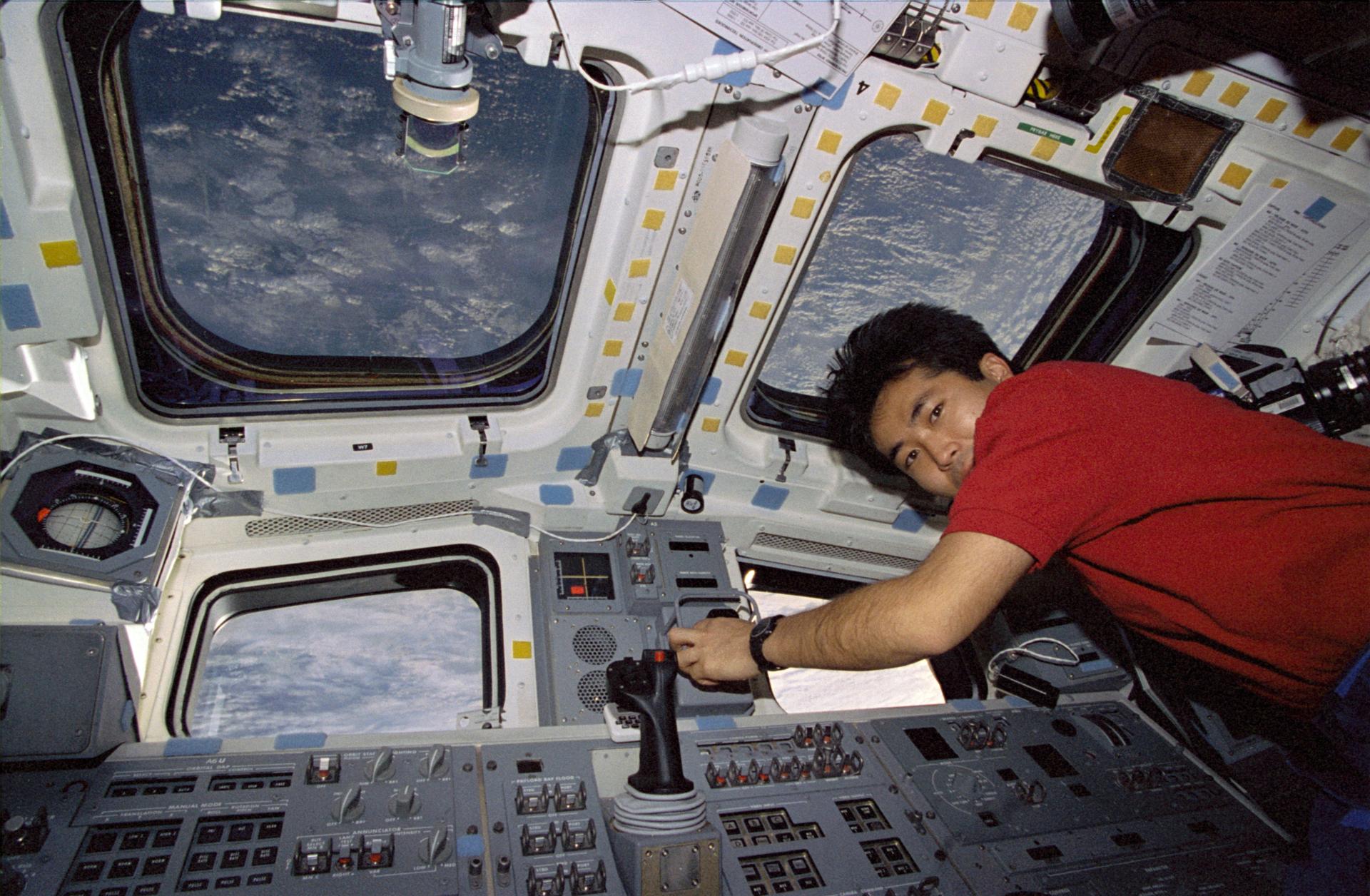
Koichi Wakata became the first Japanese ISS commander when he was given the charge of Expedition 39 in 2014. Before retiring from JAXA (Japanese Aerospace Exploration Agency) in 2024, he also set the record for the most days spent in space (504) by a Japanese astronaut.
Scott Kelly (NASA)
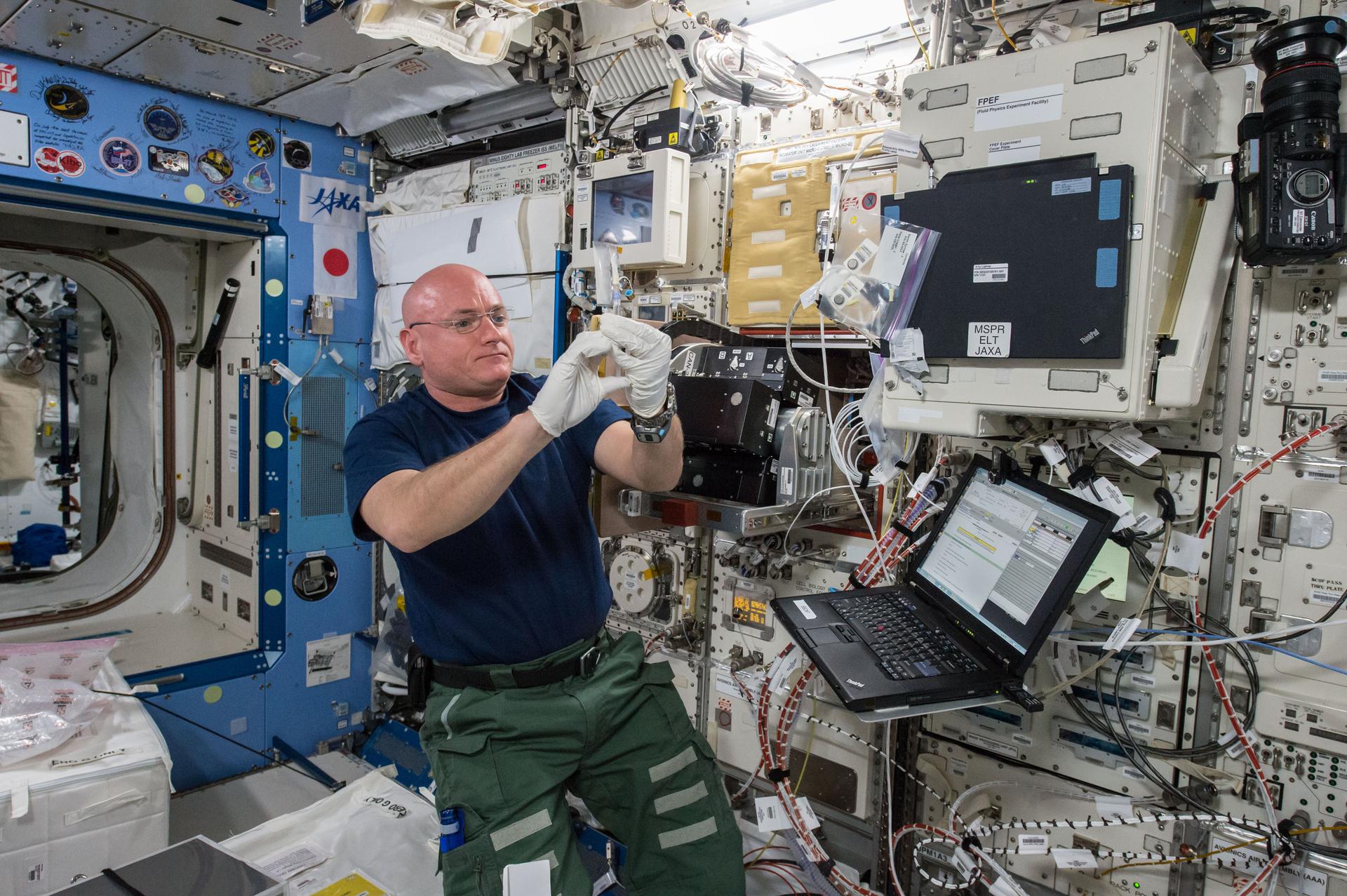
Scott Kelly led Expedition 45/46 during NASA's 'one-year mission' alongside cosmonaut Mikhail Kornienko, becoming the first American astronaut to spend a year in space. During the mission, Scott's identical twin brother, Mark, a former astronaut, participated in parallel twin studies to help scientists understand the effects of long-duration spaceflight on the body and the mind down to the cellular level.
Samantha Cristoforetti (ESA)
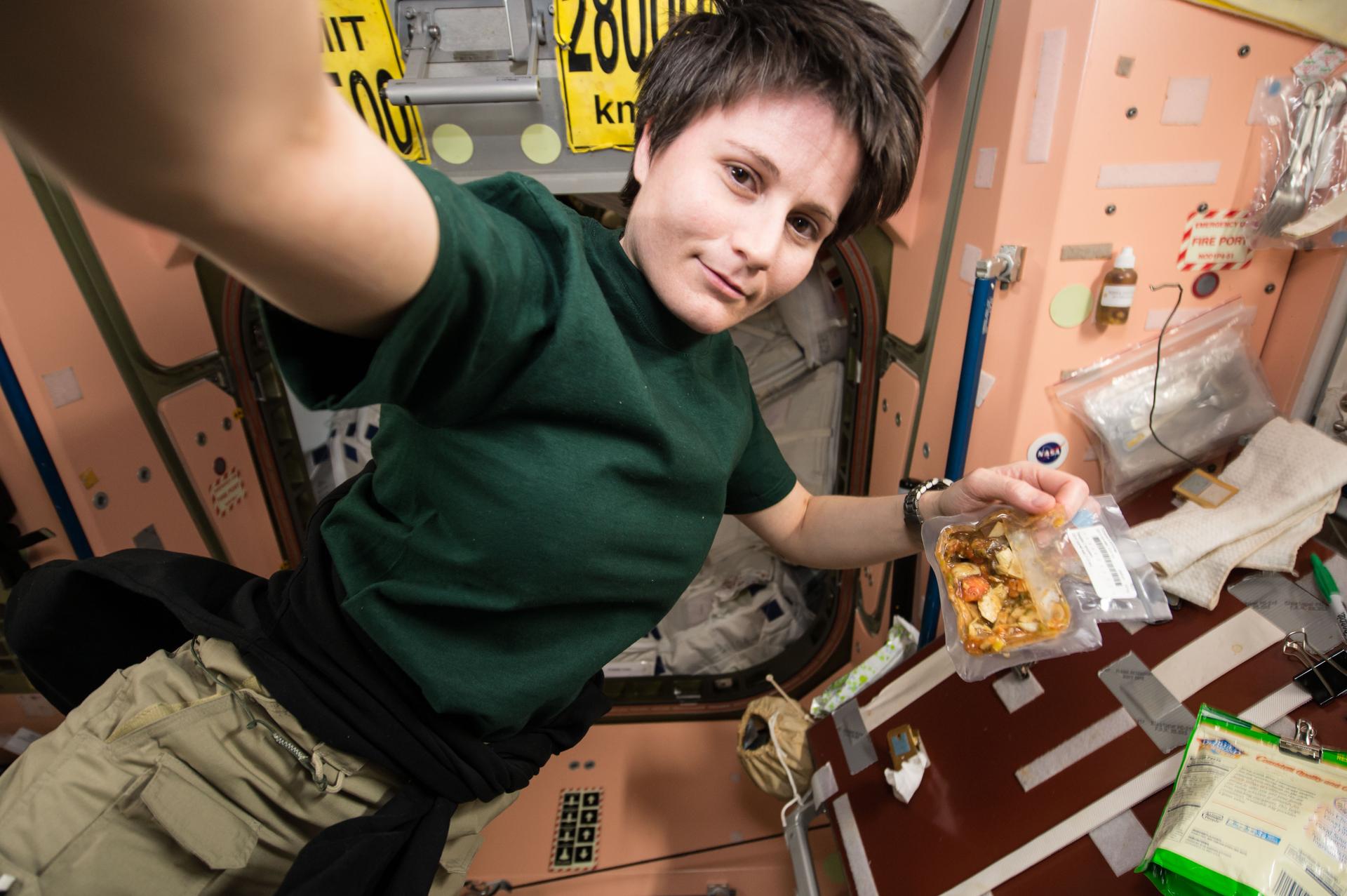
In 2022, Italian astronaut Samantha Cristoforetti became the first European woman to assume command of the station during Expedition 68. She was also the first European woman to participate in a spacewalk.
Sunita Williams (NASA)
Sunita Williams served as the commander of the ISS during Expeditions 33 and 72. Having logged 608 days in space before retiring in December 2025, Williams is second on the list of cumulative time spent in space by a NASA astronaut. She also completed nine spacewalks totaling 62 hours and 6 minutes, which is the longest by a female astronaut and the fourth-longest on the all-time cumulative spacewalk duration list.
Sergey Kud-Sverchkov (Roscosmos)
Before Meir took over the command of the ISS on July 25, it was Russian cosmonaut Sergey Kud-Sverchkov who was in charge of Expedition 74. He saw the orbital outpost through its first medical evacuation and an air leak before returning to Earth on July 26.
More on Starlust
NASA updates ISS schedule for 2026: Check new flight plan for the International Space Station