Nights on the Moon are extremely cold—and this new NASA testing rig can recreate them on Earth
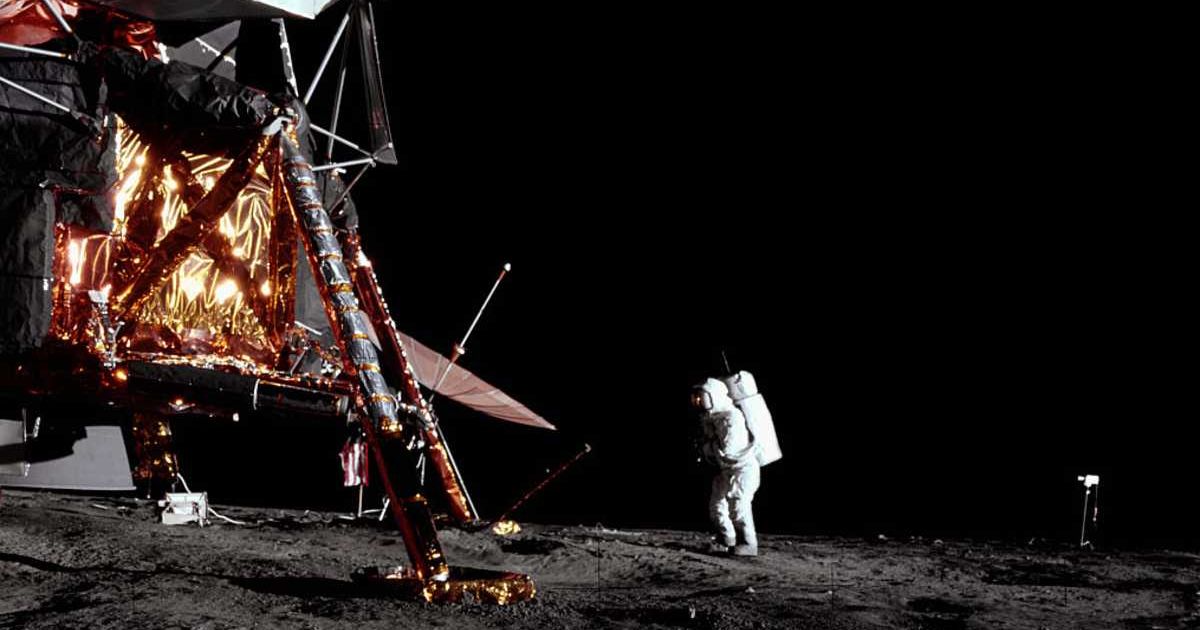
NASA has successfully developed a new way of mimicking the incredibly harsh, freezing temperatures of the lunar night. This new technology, known as the Lunar Environment Structural Test Rig (LESTR), was invented by engineers at the Glenn Research Center in Cleveland to ensure that the hardware used for future space exploration can survive the Moon's South Pole.
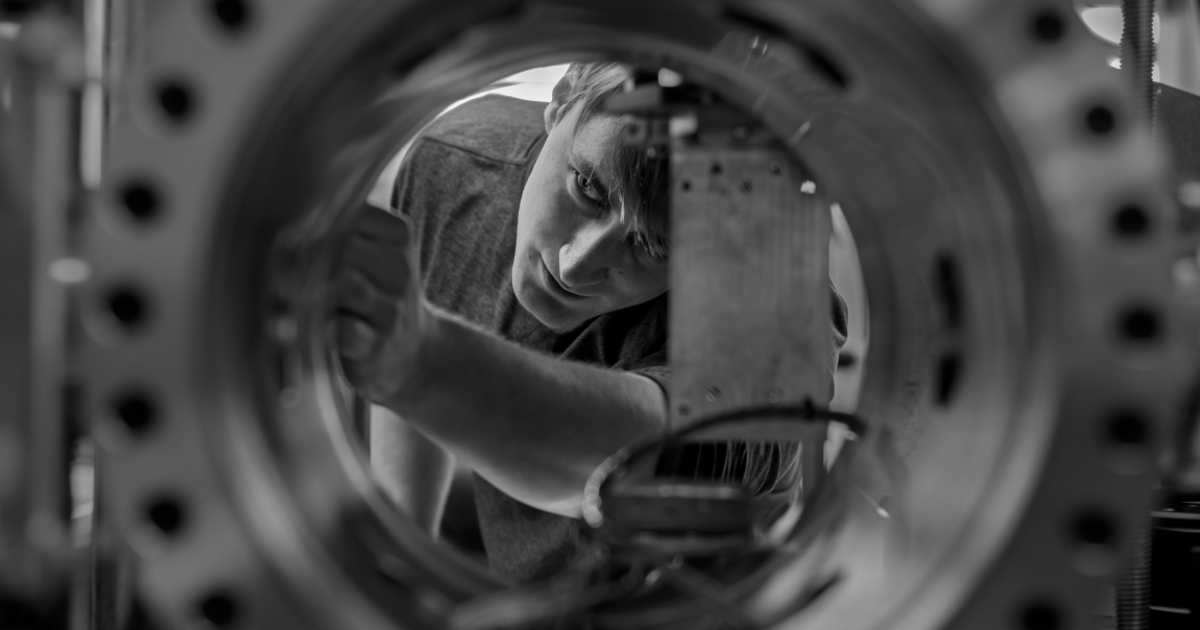
According to the agency, the rig lets temperatures plummet to -388 degrees Fahrenheit, or 40 Kelvin, replicating the thermal effects of the bitter lunar cold on essential components. Without proper testing, the extreme cold could cause these components to fail. After all, even rubber can shatter like glass in frigid conditions.
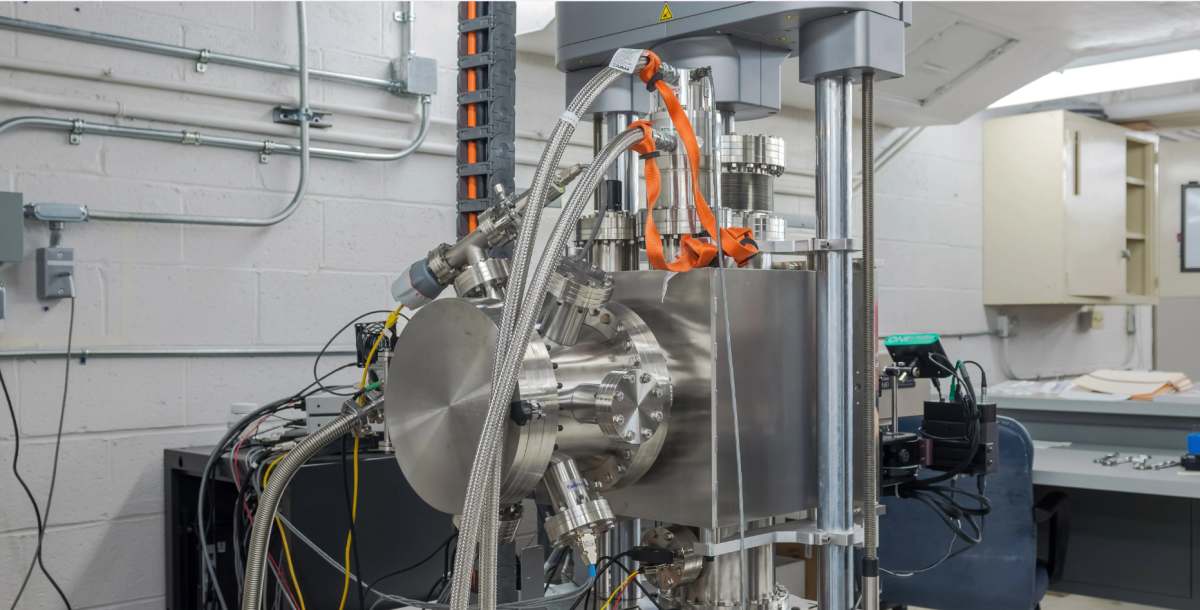
What sets LESTR apart from previous technology is its status as the first "dry" cryogenic test environment in the mechanical testing industry. Traditionally, NASA relied on liquid cryogens, such as liquid nitrogen or helium, to reach the super-cold temperatures needed for simulation. These liquids are difficult to manage and require specialized storage tanks and high-tech safety systems. However, LESTR uses a high-powered cryocooler to remove heat without the use of liquid at all. Per Ariel Dimston, the technical lead for the project, removing these fluids makes the testing process safer, more affordable, and much less complex. “This is the first mechanical test rig that escapes from all of the challenges involved with cryogenic fluids," stated Dimston.
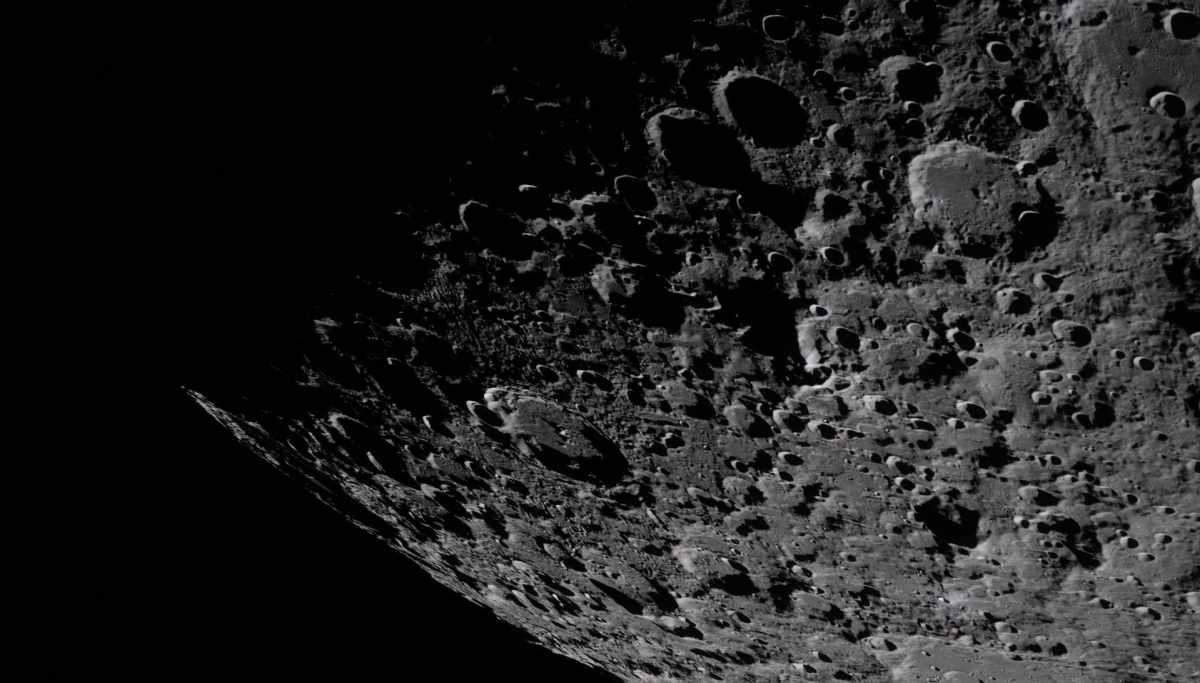
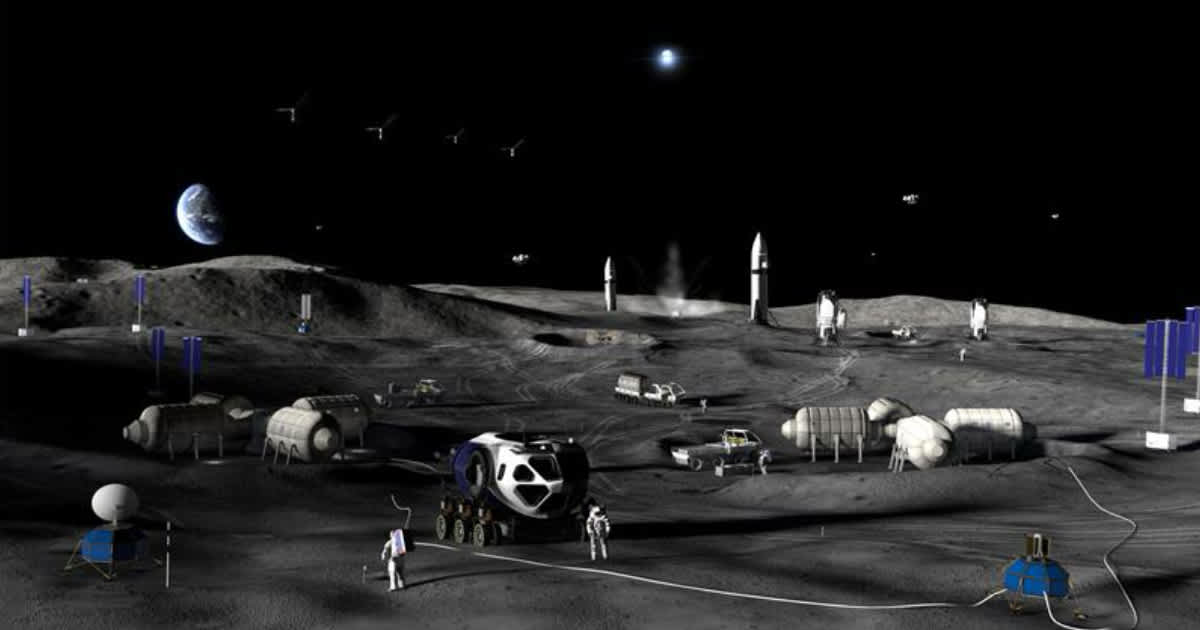
The development of this rig is a critical step in NASA's goal to build a Moon Base on the lunar south pole and perhaps, later explore Mars. Design of mission architecture requires a thorough knowledge of how materials handle the environment they are set to be deployed in. LESTR allows engineers just that by testing flight hardware across a much broader range of temperatures than ever before. This ensures that every part of a spacecraft is robust enough to handle the dramatic temperature swings on the lunar surface, which has such a wide range owing to the lack of an atmosphere that could retain heat.
At the moment, the team at Glenn Research Center is using LESTR to put several materials to the test. For example, they are examining specialized yarns that could be woven into fabrics for next-generation spacesuits to keep astronauts safe. In addition to this, researchers are also focusing on advanced materials for rover tires, specifically "shape memory alloys." These are unique metals that can return to their original form even after being bent or stretched. This will help NASA develop tires that will not go flat while traveling across the rocky, uneven terrain of the Moon, or even Mars, even in the coldest conditions imaginable.
The first version of the technology, LESTR 1, has already been delivered to Fort Wayne Metals, Indiana, with whom NASA is partnering on this project. Experts there will use it to put the shape memory alloy to the test. In the meantime, NASA is already building the second iteration of the technology, LESTR 2. This work is part of a larger effort at NASA Glenn, which houses various world-class facilities designed to mimic the most hostile environments in the solar system. These include laboratories that simulate the crushing pressure and heat of Venus, the microgravity of the International Space Station, and the airless vacuum of deep space. The agency, having laid the groundwork for future missions to the Moon through the recently concluded Artemis II mission, is eventually planning to take humans further into the solar system than ever before. So facilities like these have never been more important.
More on Starlust
Next-gen spacesuit delays threaten NASA's Artemis program and ISS operations, report warns
NASA tests its most powerful electric propulsion system yet for sending astronauts to Mars