Not everyone can fly on Artemis missions, but even middle schoolers can contribute to NASA science—here's how
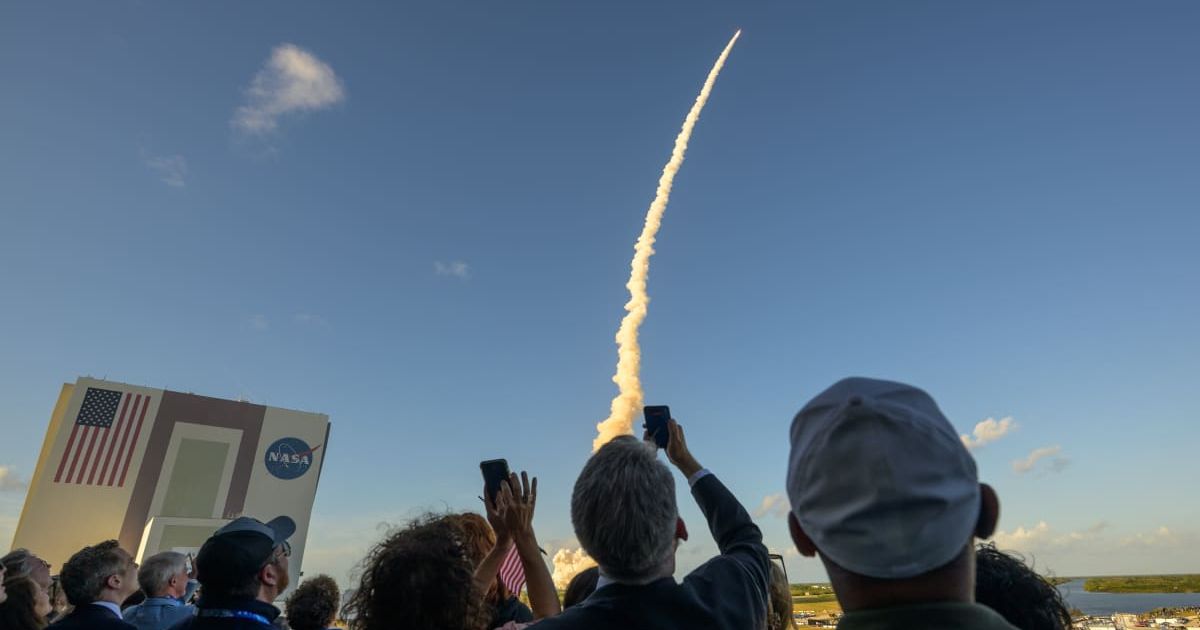
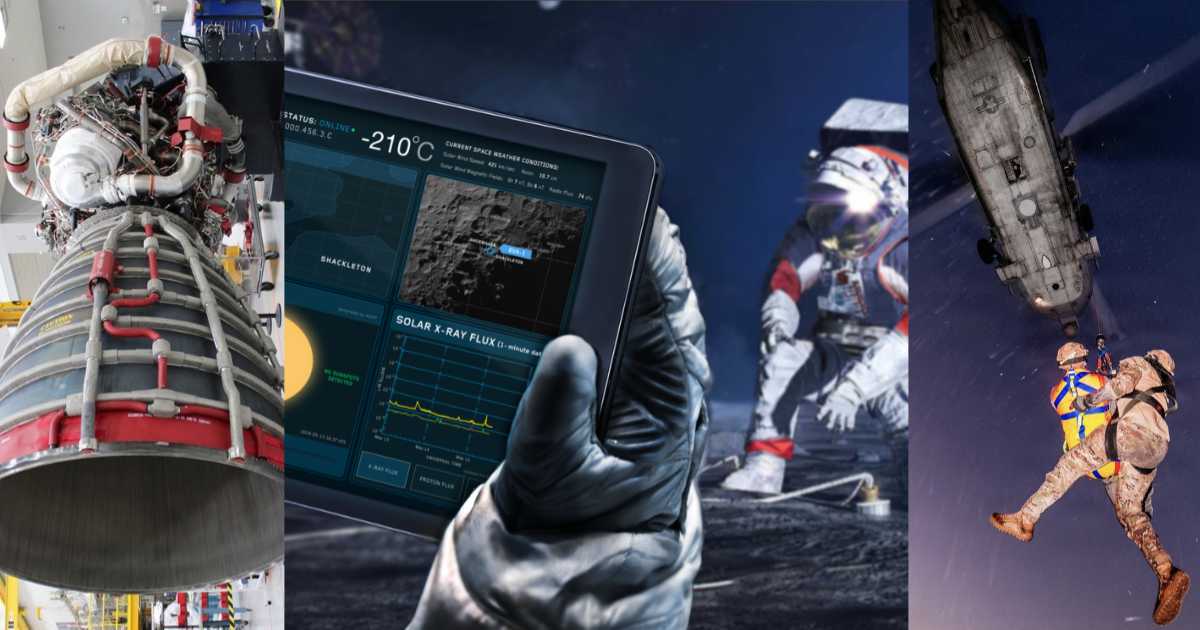
NASA has invited people from all over the world to help support their Artemis program and future human space exploration through several citizen science projects. While only a few people will ever wear a spacesuit, volunteers can play a vital role in making space travel safer and healthier for the crews heading to the Moon and beyond. Participation is open to anyone with a love of science, regardless of their citizenship, and offers a unique chance to be a part of the human endeavor to explore in the aftermath of the first crewed deep space mission in over 50 years.
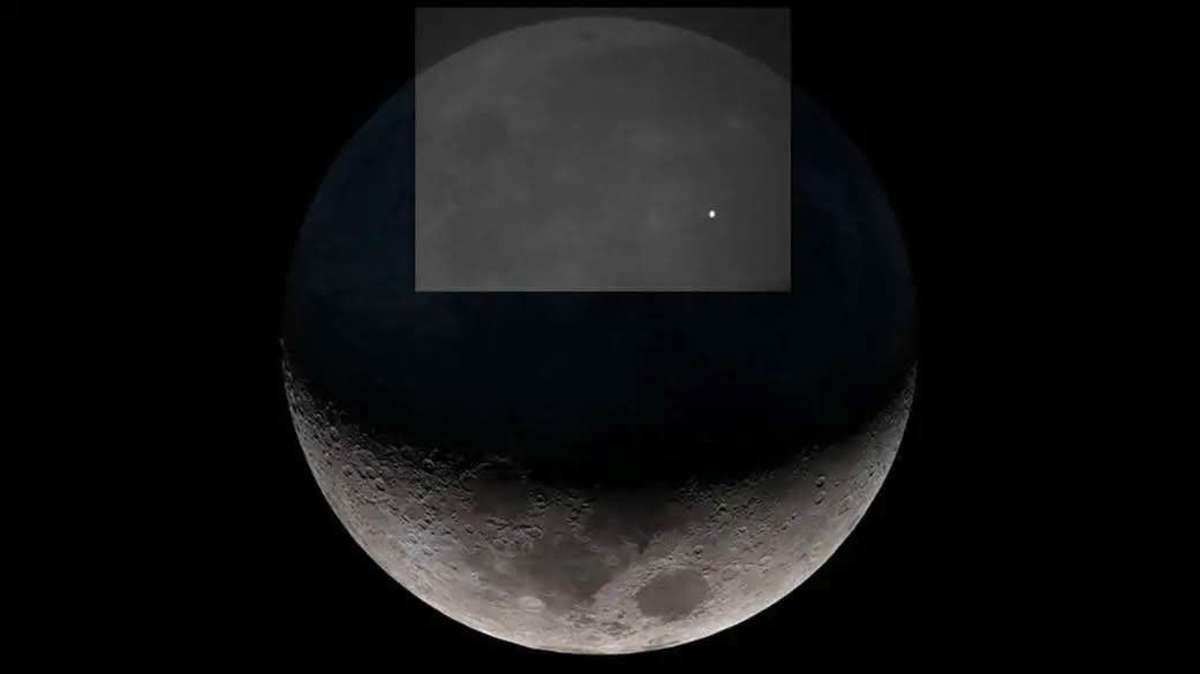
One of the most notable observations from the Artemis II mission was the recording of flashes of light from meteoroid impacts on the Moon. The flight crew of the mission observed as many as six of those events during the solar eclipse they witnessed. Now, volunteers with a telescope of at least 4 inches in diameter and video equipment can record the dark side of the Moon to catch these flashes, which are understood to be rare. This data helps scientists understand how often impacts occur and the hazards they pose, especially with NASA aiming to establish a Moon Base with semi-permanent human presence. Volunteers can get started by visiting the project website. In the same vein, the Lunar Melt project allows anyone with an internet connection to use images from the Lunar Reconnaissance Orbiter to map craters and boulders. This helps researchers understand how melted rock flows across the lunar surface, thereby revealing more about the properties of the lunar regolith.
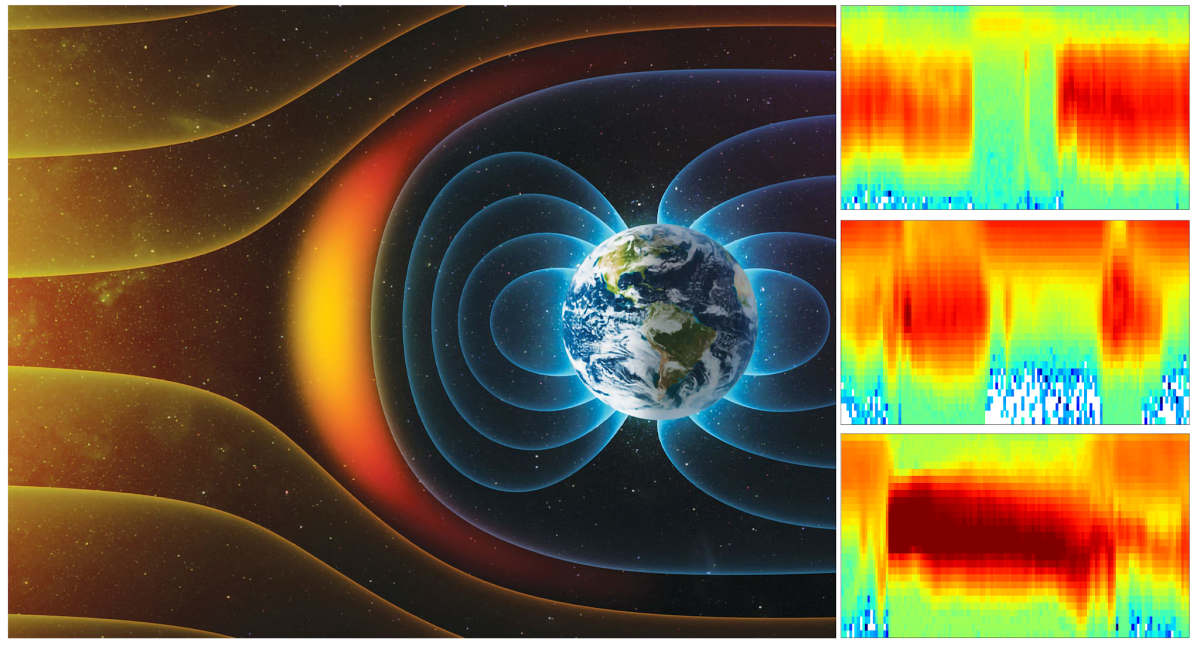
Protecting astronauts from radiation during Artemis missions is a major priority for NASA. Volunteers can spend a few minutes sorting data from NASA’s Magnetosphere Multiscale (MMS) mission (launched in 2015) with the Space Umbrella project to help scientists learn how solar storms interact with Earth‘s magnetic shield. Because solar storms pose a serious radiation threat to astronauts, this work helps missions minimize risks during deep space travel. Similarly, radio enthusiasts can join the Ham Radio Science Citizen Investigation (HamSCI) to track the dynamics of the ionosphere to understand space weather better.
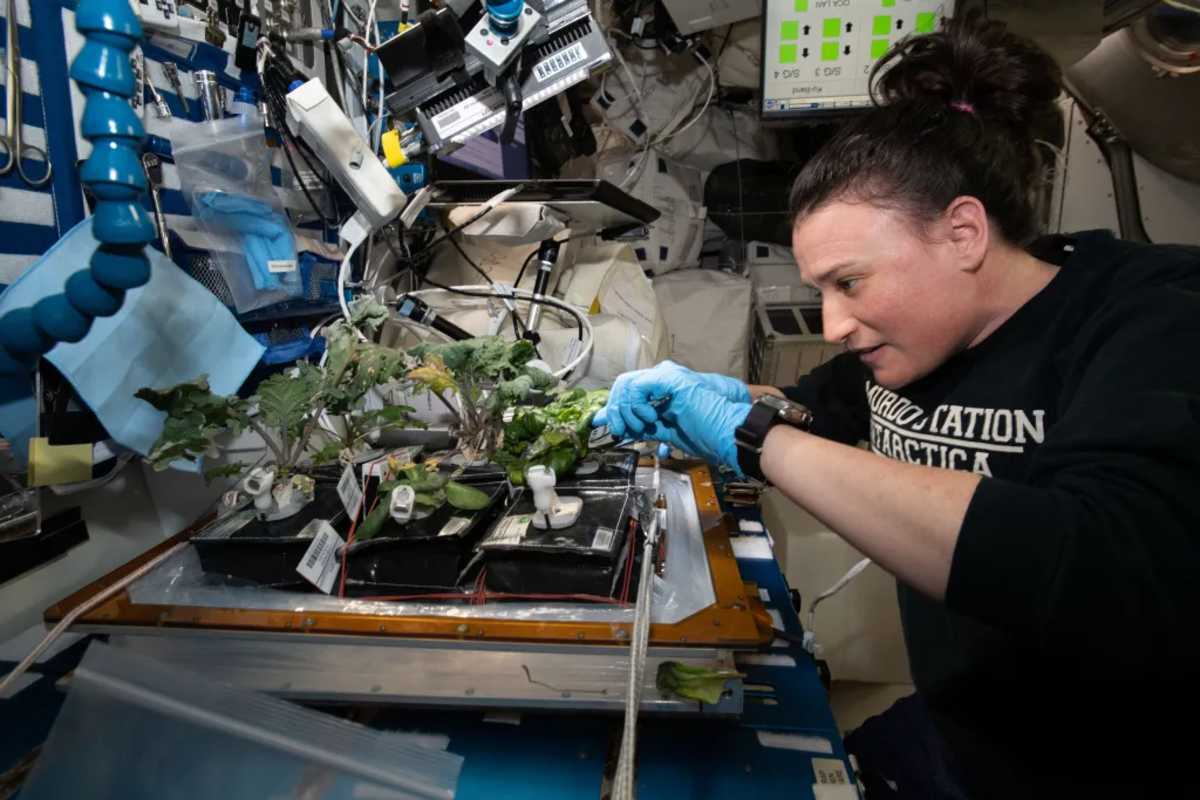
For the long-term health of crew that will be part of future missions, NASA is also looking at how terrestrial life can survive in space. Students in grades 6 through 12 can participate in Growing Beyond Earth by testing plants that could eventually become astronaut food. Students participating in the project have already helped select 5 of the 20 species that have been tested as food crops on the International Space Station. Furthermore, those with experience with data analysis can join the Open Science Data Repository Analysis Working Groups (OSDR AWGs) to study how terrestrial life forms respond to the space environment.
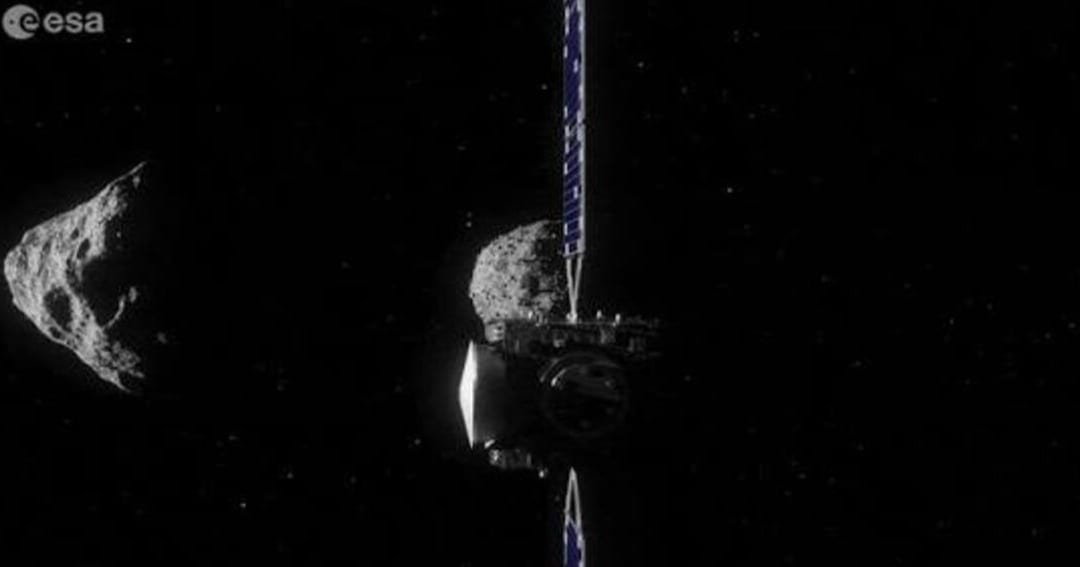
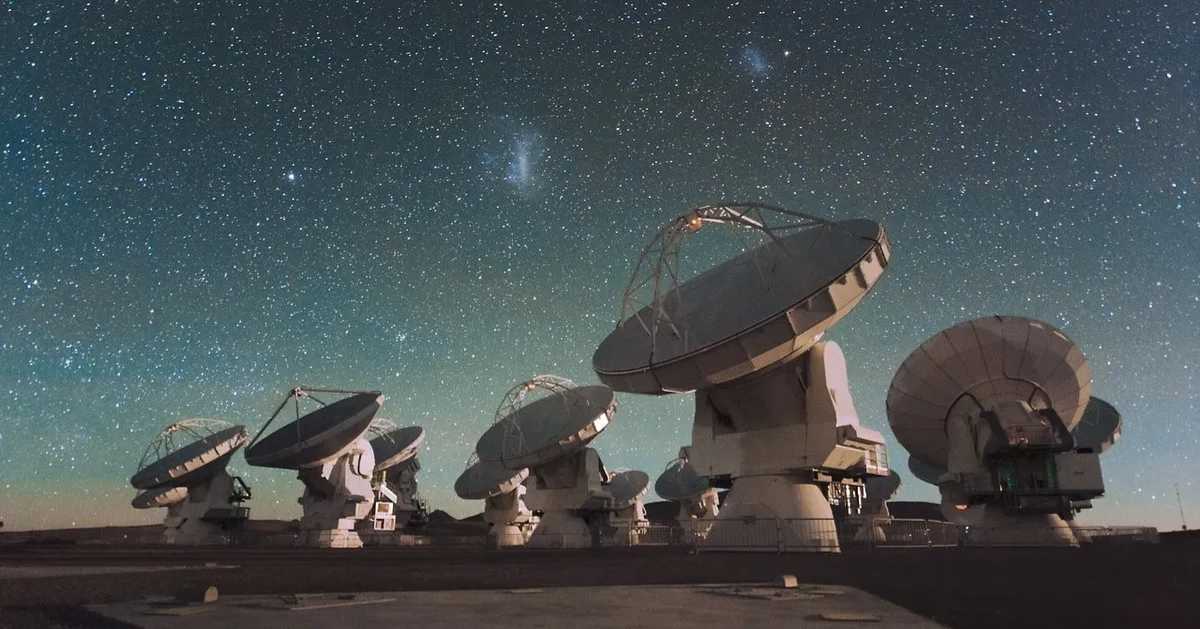
Citizen science projects are not exclusive to NASA, nor are they new. The European Space Agency recently announced a similar initiative, but one that focuses on deep-sky objects. For NASA, while the current focus remains on making Moon missions safer, the methods used by citizen scientists are broadening the scope of research into deep space travel.
More on Starlust
Earth day 2026: How satellites are tracking environmental change and helping vulnerable communities
Ancient metal-rich Martian lake could power future human industries on Mars