ISS scheduled for dramatic end as NASA targets controlled Pacific ocean impact in 2030
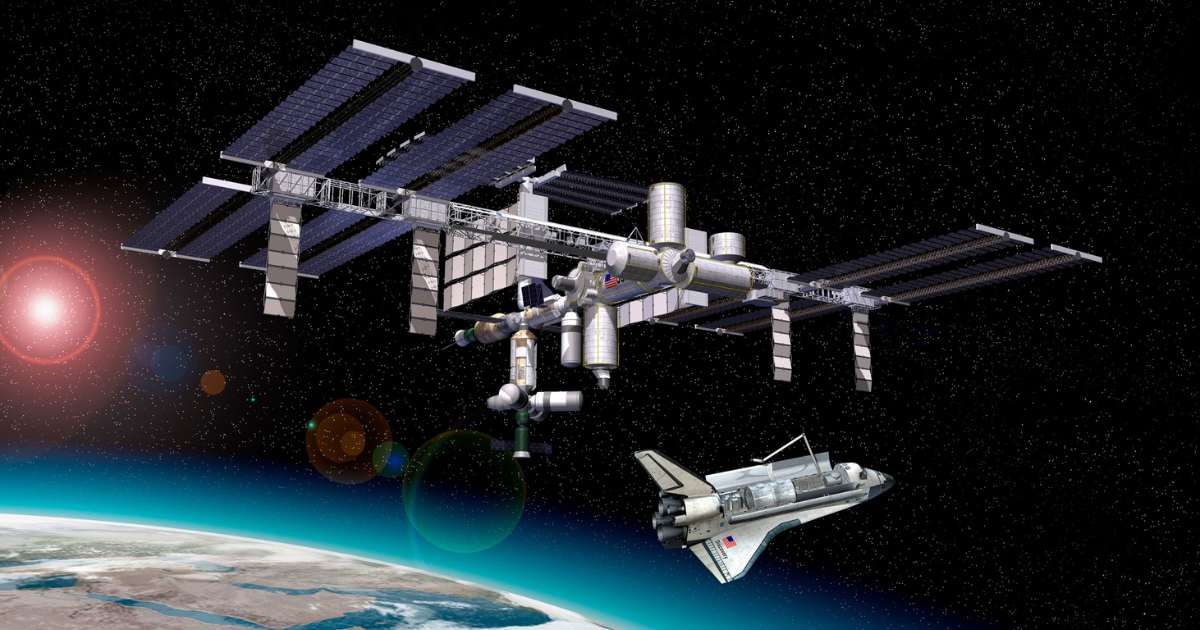
The International Space Station (ISS), an orbiting symbol of global scientific cooperation for over two decades, is slated for controlled demolition by the close of the decade. Citing the escalating costs and aging infrastructure, NASA has confirmed the station's intentional deorbiting, marking the planned end of its operational life. This unprecedented maneuver will see the massive structure deliberately crash into a seldom-visited area of the South Pacific Ocean, as per Daily Galaxy.
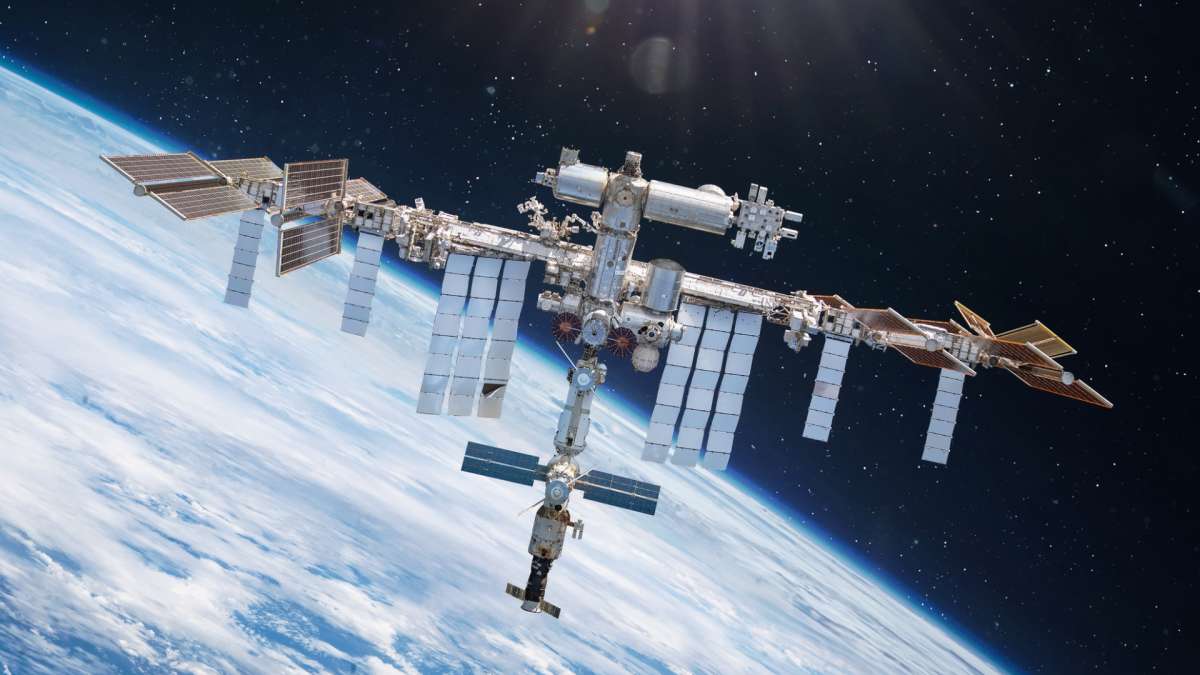
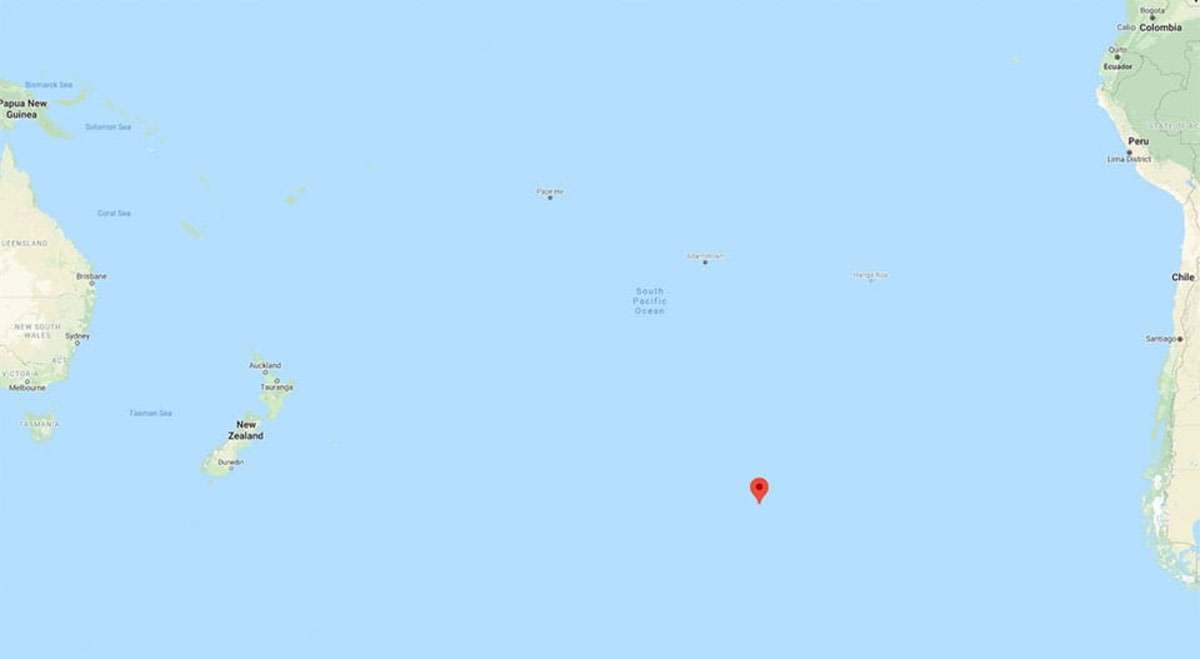
The chosen impact zone is Point Nemo, the oceanic pole of inaccessibility, selected specifically for its extreme remoteness. Located approximately 1,670 miles from the nearest coastline, this region, often termed the "spacecraft cemetery," minimizes the risk of any debris endangering populated areas. The precise location targeted for impact is 48°52.6′S 123°23.6′W. This site has a history as a final resting place for decommissioned orbital hardware, notably including the Russian Mir space station in 2001. The ISS, significantly larger and more massive, will require highly precise guidance. A modified SpaceX Dragon cargo capsule is expected to play a crucial role in steering the station through the final descent phase.
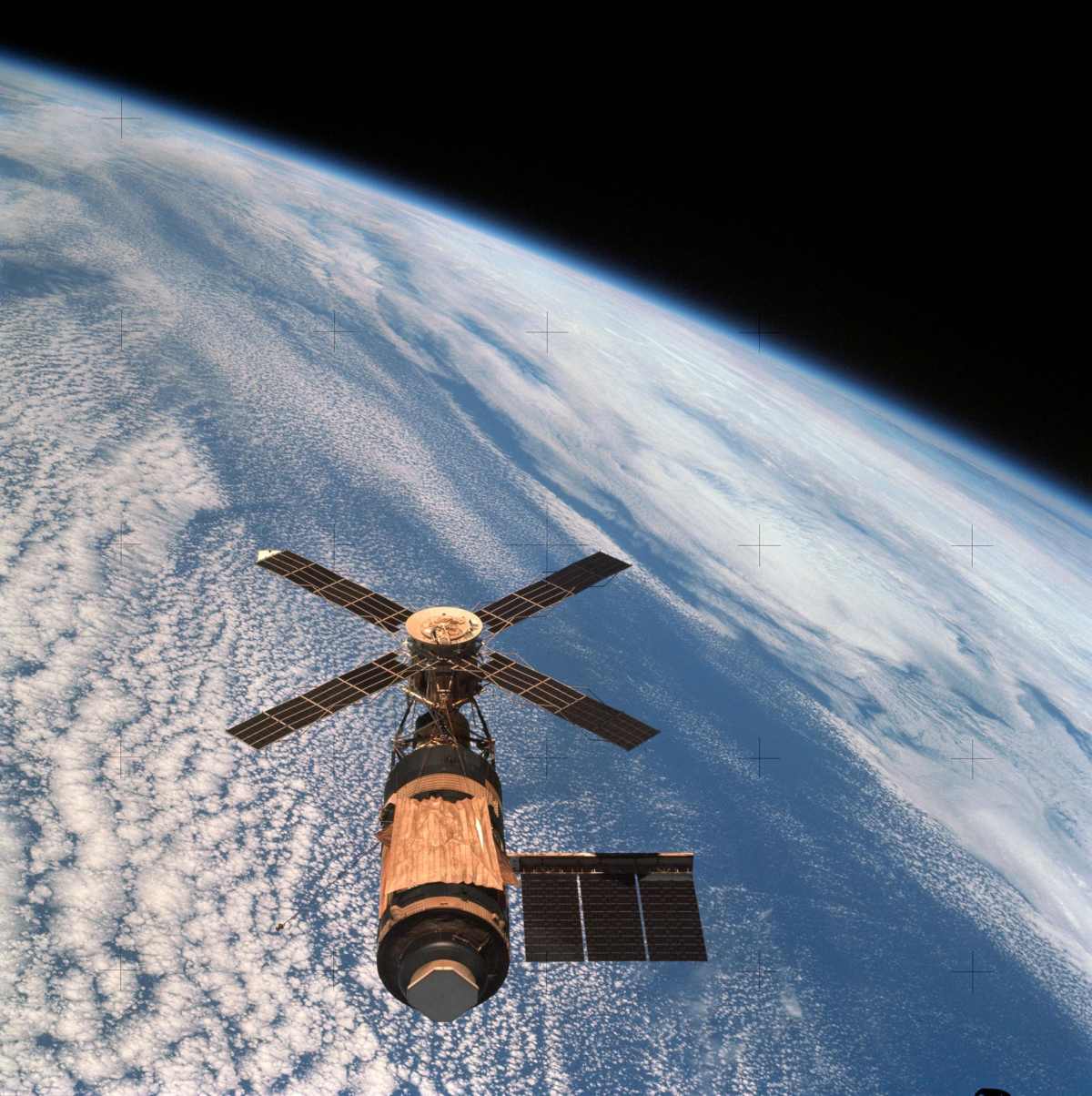
Weighing in at roughly 460 tons and spanning the size of a football field, the ISS will represent the largest human-made object ever subjected to atmospheric reentry. Engineers project a multi-stage breakup sequence as the station plummets. Initial detachment of peripheral elements like solar arrays. Subsequent fragmentation of primary modules and truss structures. Total structural collapse, exposing internal hardware to intense heat. While the majority of the station is expected to vaporize, denser, heat-resistant components may survive the fiery plunge and settle on the deep ocean floor near Point Nemo. This procedure draws heavily on data from previous, less precise deorbits, such as the 1979 reentry of Skylab.
The impending end of the ISS marks more than just the retirement of a complex piece of machinery; it signals the close of a unique geopolitical experiment. According to the Scientific American, since welcoming its first residents on November 2, 2000, the station has provided a continuous human presence in orbit for 25 years, bridging five U.S. presidential terms and surviving major global shifts. Crucially, the ISS has served as an unparalleled model for international cooperation. Formed through a post-Cold War partnership between the U.S. and Russia, it has fostered teamwork even amid severe modern tensions, exemplified by the continued close collaboration between Russian cosmonauts and international crewmates despite current global conflicts.
When the station is gone, humanity will lose not only an accessible platform for low-Earth orbit science but also a pivotal pillar of space history, per Space.com. As one expert from the University of Exeter noted, the ISS was an orbiting petri dish where crews learned to live and work together far from Earth. The infrastructural knowledge gained, both technical and interpersonal, will form the foundation for all future crewed space exploration endeavors, ensuring the ISS's legacy endures even after its physical structure plunges into the Pacific.
More on Starlust
NASA struggles to reduce activity on the International Space Station after massive budget cut