NASA's SpaceX Crew-11 astronaut opens up on his health scare that led to ISS's first medical evacuation
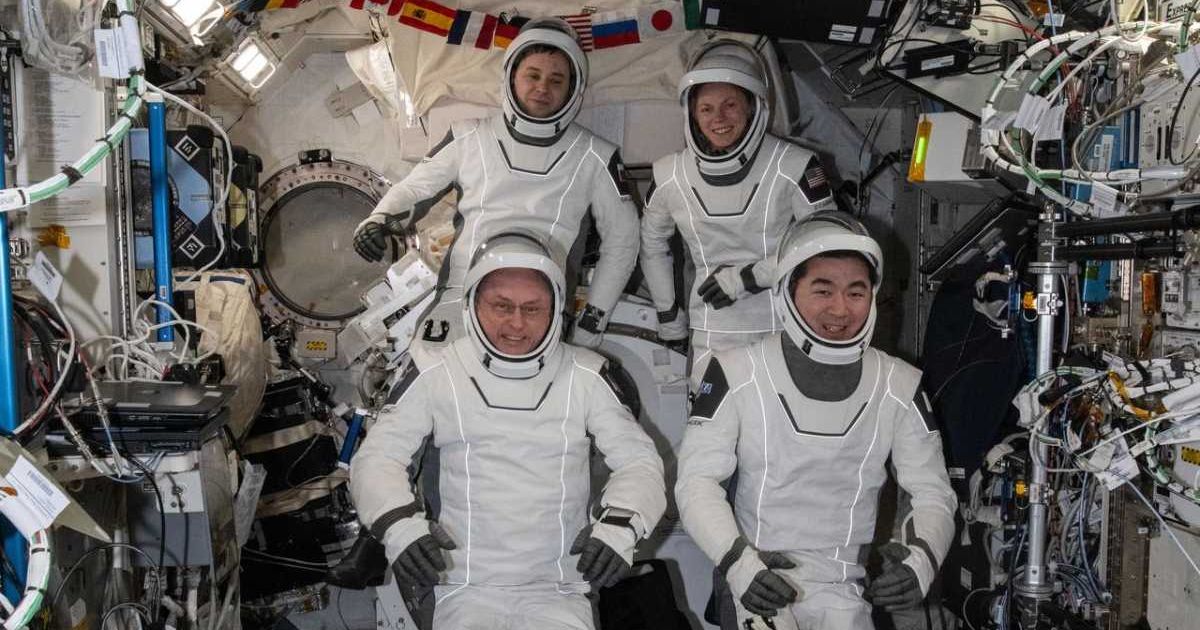
NASA has officially confirmed it was Mike Fincke, the SpaceX Crew-11 astronaut whose health scare prompted a first-of-its-kind early return from the International Space Station last month. At his request, a statement has been released to end speculation on the issue, as the agency had initially declined to identify the affected crew member.
NASA is sharing the following information at the request of NASA astronaut Mike Fincke: pic.twitter.com/J3UsExd94H
— NASA (@NASA) February 25, 2026
"On January 7, while aboard the International Space Station, I experienced a medical event that required immediate attention from my incredible crewmates," Fincke said in the statement. The incident took place just as he and crewmate Zena Cardman were getting ready for an upcoming spacewalk. Fortunately, the crew dealt with the situation, as NASA’s flight surgeons provided guidance from the ground. In the statement, Fincke said his condition stabilized soon after, but the exact nature of the medical issue still remains undisclosed.
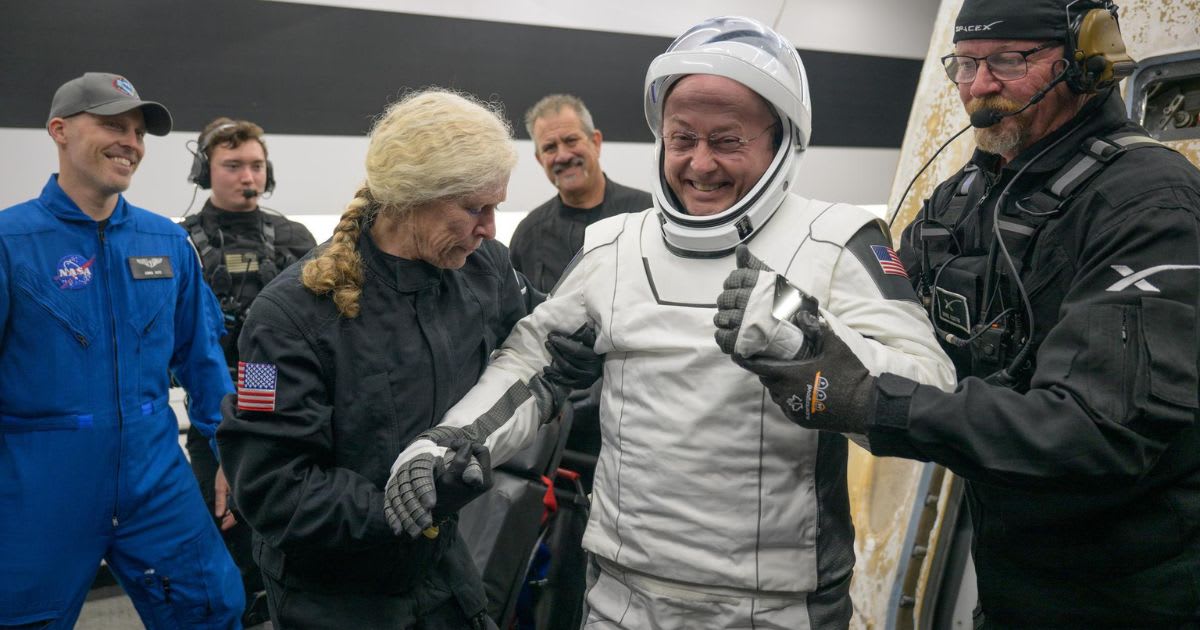
"After further evaluation, NASA determined the safest course was an early return for Crew-11—not an emergency, but a carefully coordinated plan to be able to take advantage of advanced medical imaging not available on the space station. Fincke’s condition required advanced medical imaging that was simply not available aboard the ISS," Fincke continued. NASA officially announced the course of action on January 8, and the four SpaceX Crew-11 members—Mike Fincke, Zena Cardman, Kimiya Yui, and Oleg Platonov—undocked from the ISS and splashed down in the Pacific Ocean off the coast of San Diego on January 15.

Upon landing, the astronauts were all transported to Scripps Memorial Hospital La Jolla in San Diego. In his statement, Fincke thanked NASA teams, SpaceX and medical staff at Scripps, along with his other Expedition 74 crewmates—Chris Williams, Sergey Kud-Sverchkov, and Sergey Mikayev. The trio remained aboard the ISS as a skeleton crew of three, while NASA and SpaceX accelerated Crew-12’s launch timeline. As a result, Crew Dragon “Freedom” launched aboard a Falcon 9 on February 13, which restored the ISS to its regular crew size of seven members.
Mike Fincke is now “doing very well,” and is undergoing standard post-flight reconditioning at Johnson Space Center in Houston. The astronaut has been part of NASA since 1996 and has spent 549 days in space collectively. Fincke is a veteran of four spaceflights: Expedition 9 (2004), Expedition 18 (2009), STS-134 (2011), and the recently concluded Crew-11 mission. In this last five-and-a-half-month mission, he served as a pilot and Expedition 73/74 flight engineer and commander. He has completed nine spacewalks totaling more than 48 hours outside the ISS.

This incident involving SpaceX Crew-11 member Mike Fincke will go into the history books since it’s the first-ever ISS mission to end early, citing an astronaut’s health as a reason. In 1985, the Soviet Union had similarly brought down three cosmonauts prematurely from Salyut-7, since one of them—Vladimir Vasyutin—had fallen ill during that mission.
More on Starlust
'Quite a ride': SpaceX Crew-12 commander shares first words from orbit
NASA finally rolls back Artemis II SLS rocket to the Vehicle Assembly Building—here's what's next