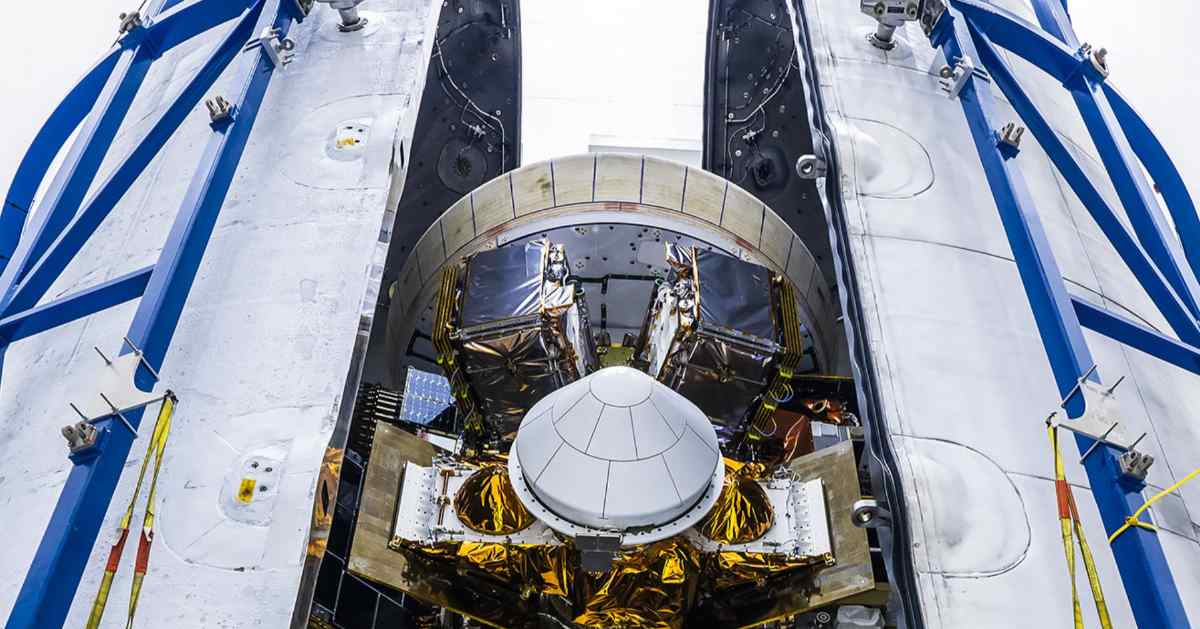
NASA's Roman Space Telescope activates the instrument built to spot hidden planets
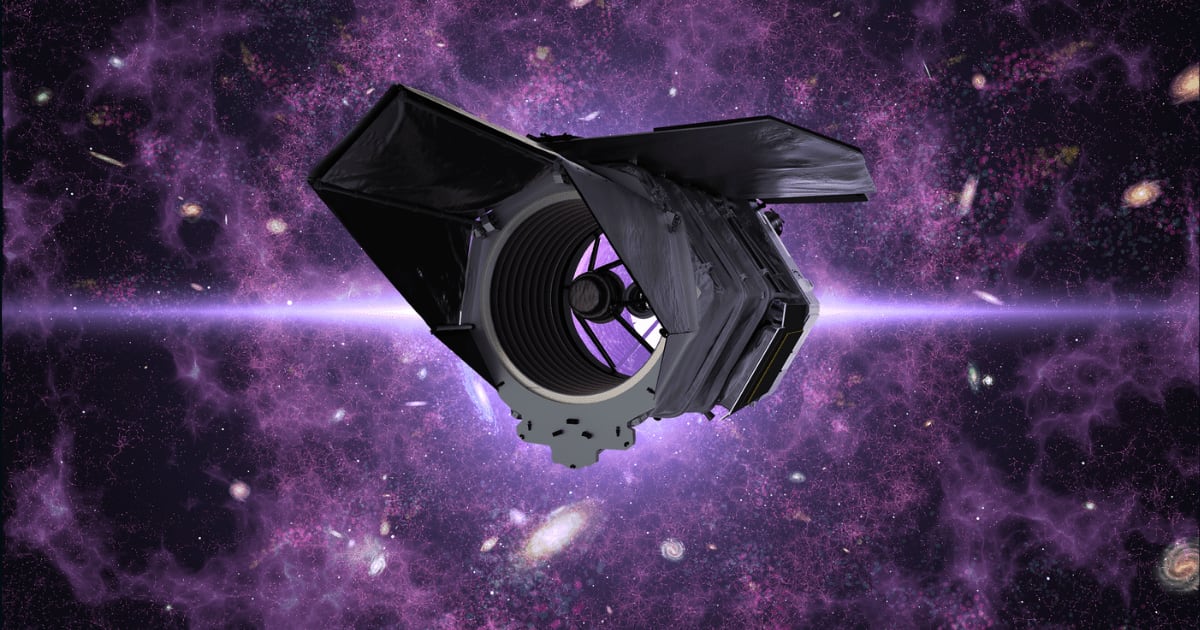
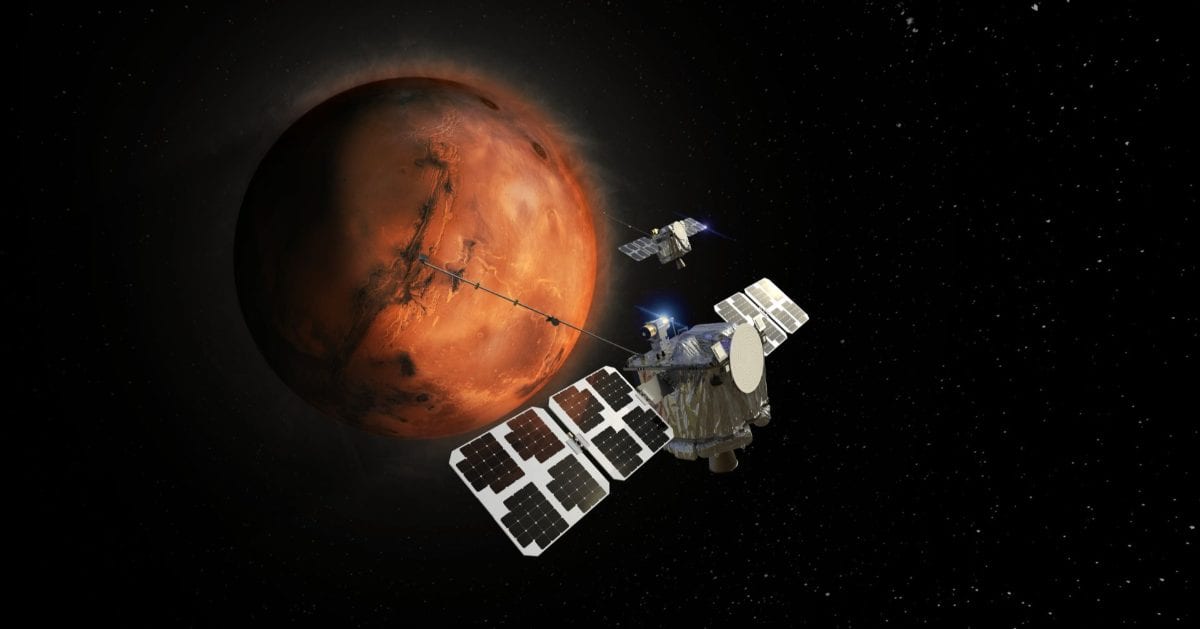
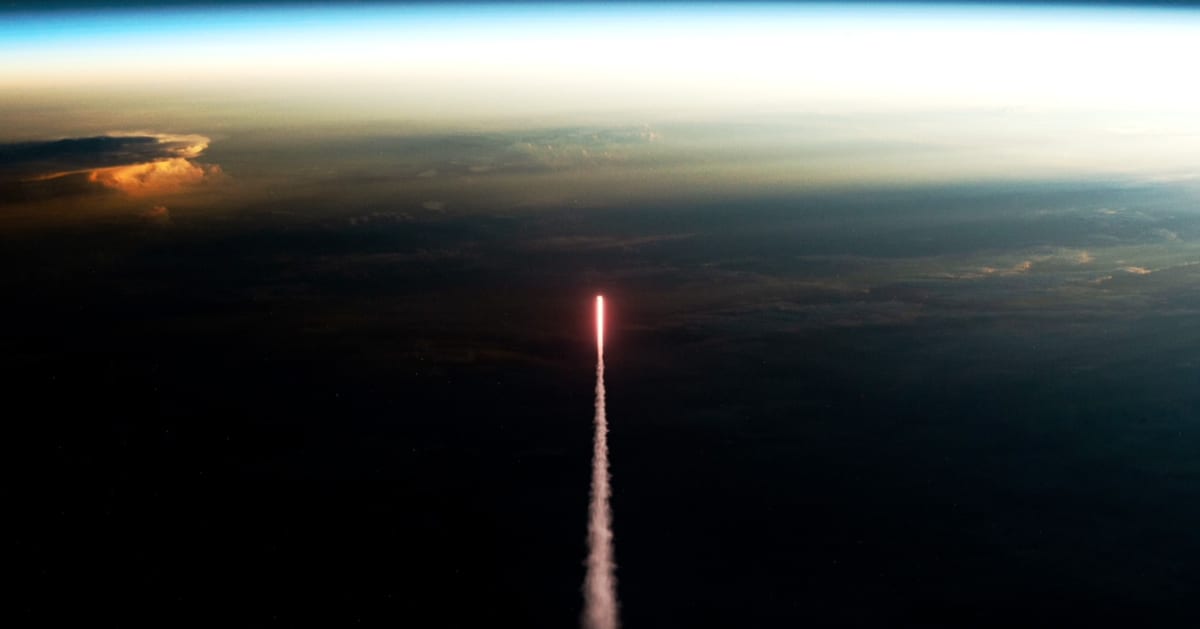
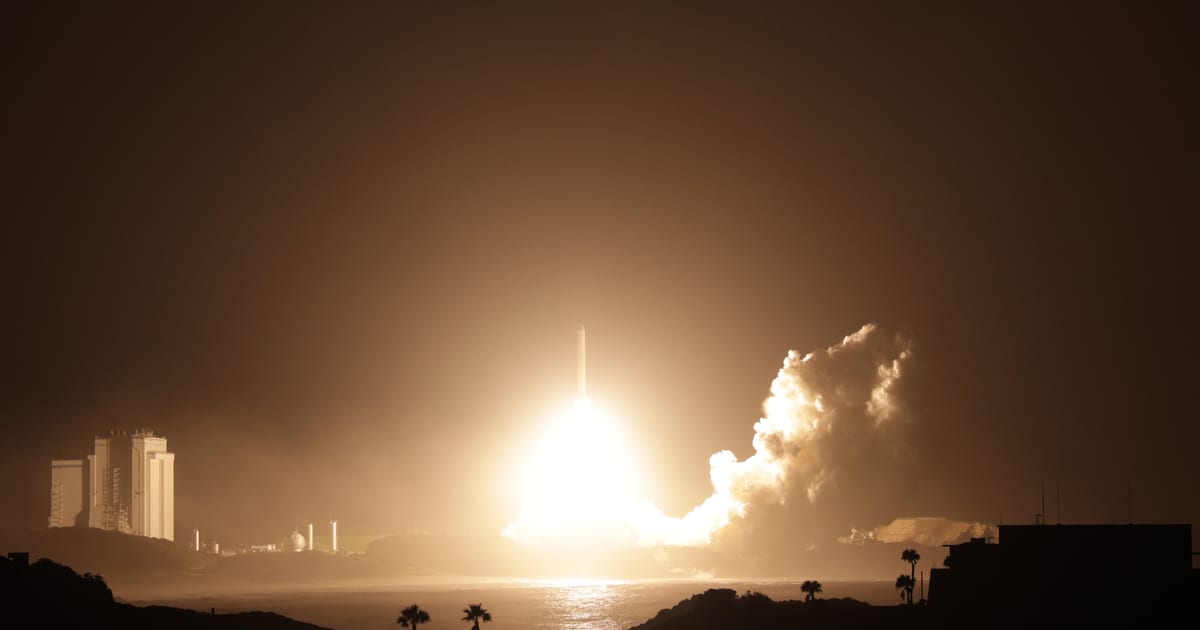
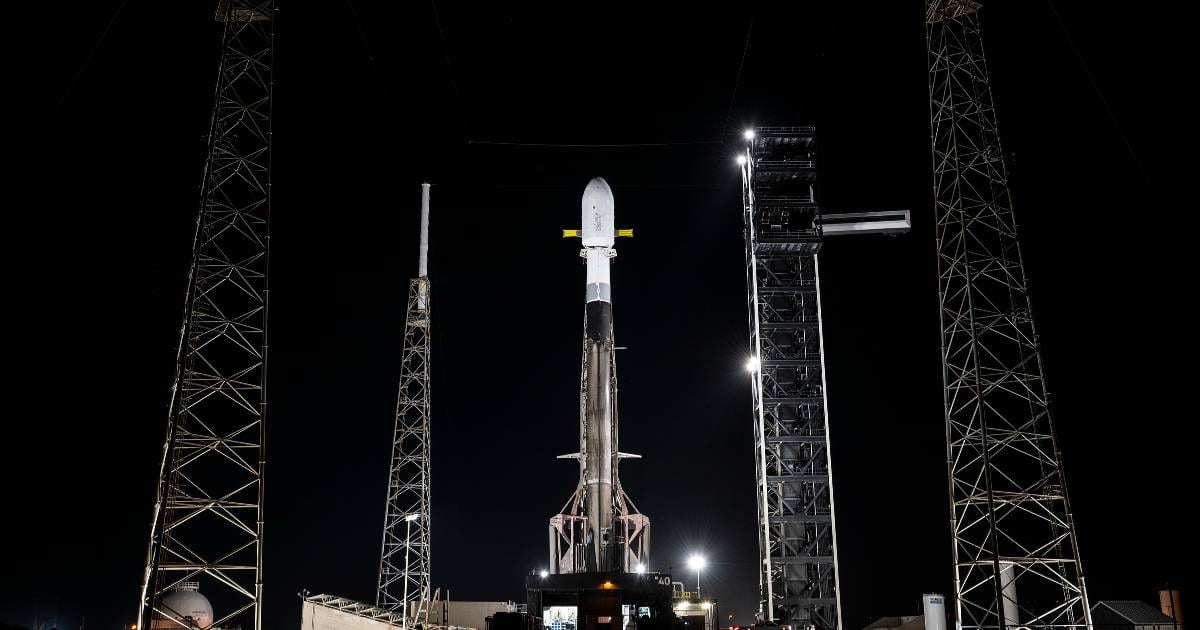
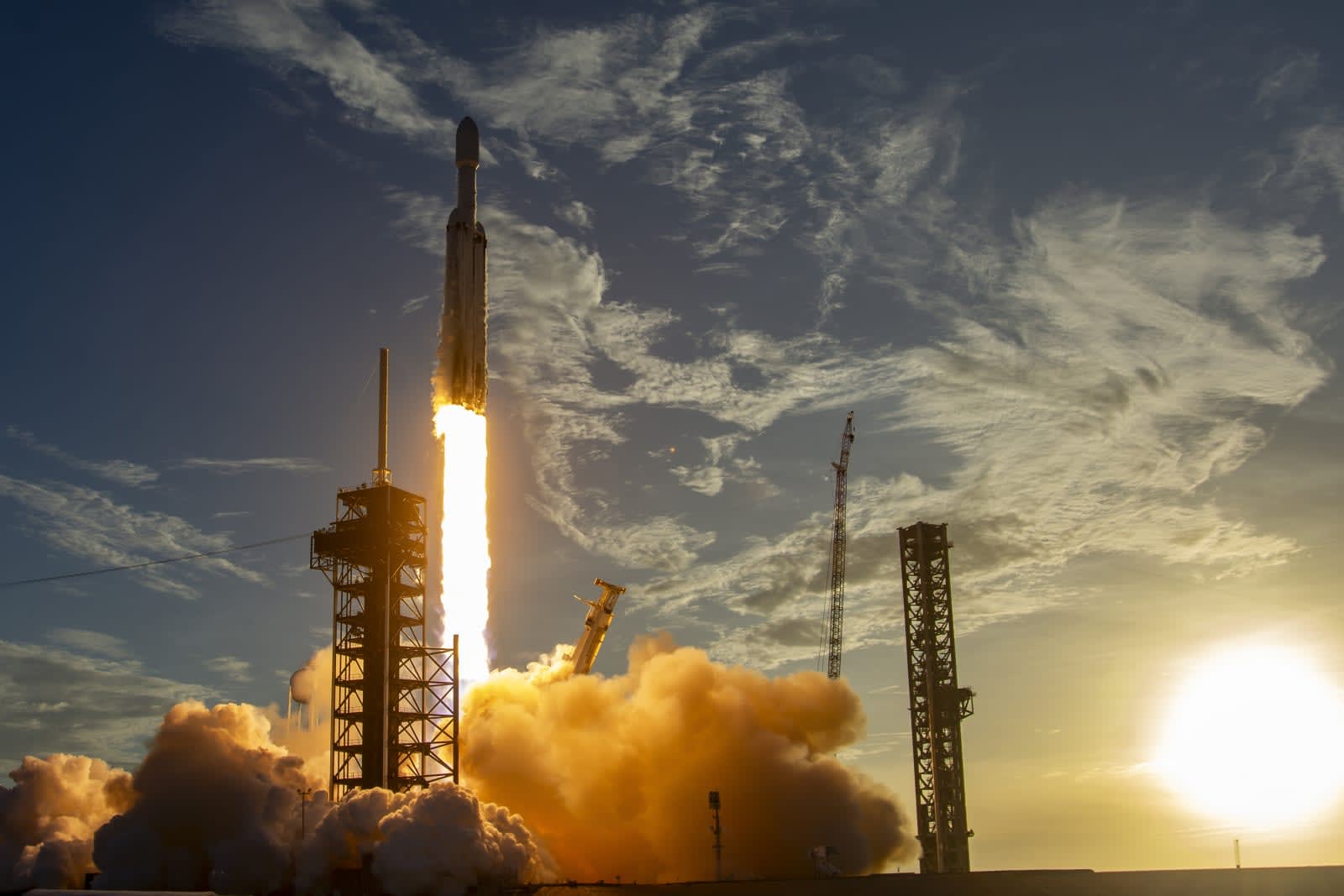
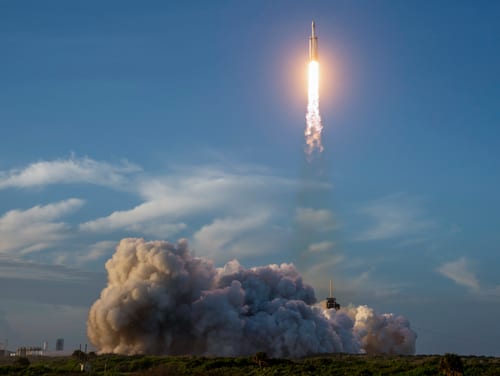
Just two days after its launch from Florida on a SpaceX Falcon Heavy rocket on August 30, NASA’s Nancy Grace Roman Space Telescope has now powered on its Coronagraph Instrument, as shared by the space agency. The activation process started at 7:27 a.m. EDT on September 1 and wrapped up about an hour later. This instrument is designed to block starlight so that scientists and researchers from around the world can finally see the planets that are hiding right next to it.
We’ve got our starglasses on! 🤩
— Nancy Grace Roman Space Telescope (@NASARoman) September 1, 2026
Roman’s Coronagraph Instrument has activated. This system of masks, prisms, detectors, and self-flexing mirrors will block out the glare from distant stars and directly image the planets and disks in orbit around them.https://t.co/1Rux9EC54J pic.twitter.com/V5AtBlx1VW
As per NASA, the Nancy Grace Roman Space Telescope will help scientists study some of the biggest mysteries of the universe, which include “dark matter, dark energy, exoplanets, and almost anything from our own solar system to galaxies at the edge of the observable universe”.
Roman is on her way, and the Golden Age of Discovery is just the beginning. pic.twitter.com/Nr5pJRyXM5
— NASA (@NASA) August 31, 2026
What does the coronagraph actually do?
The Roman Space Telescope will use a coronagraph to cancel out the glare from the stars with the help of its optics, masks, as well as the self-adjusting mirrors. This is considered one of the most advanced versions of this technology that has ever flown into space, as shared by NASA. The instrument is now switched on, but it still has a few months of calibration and testing ahead before it can start collecting data.
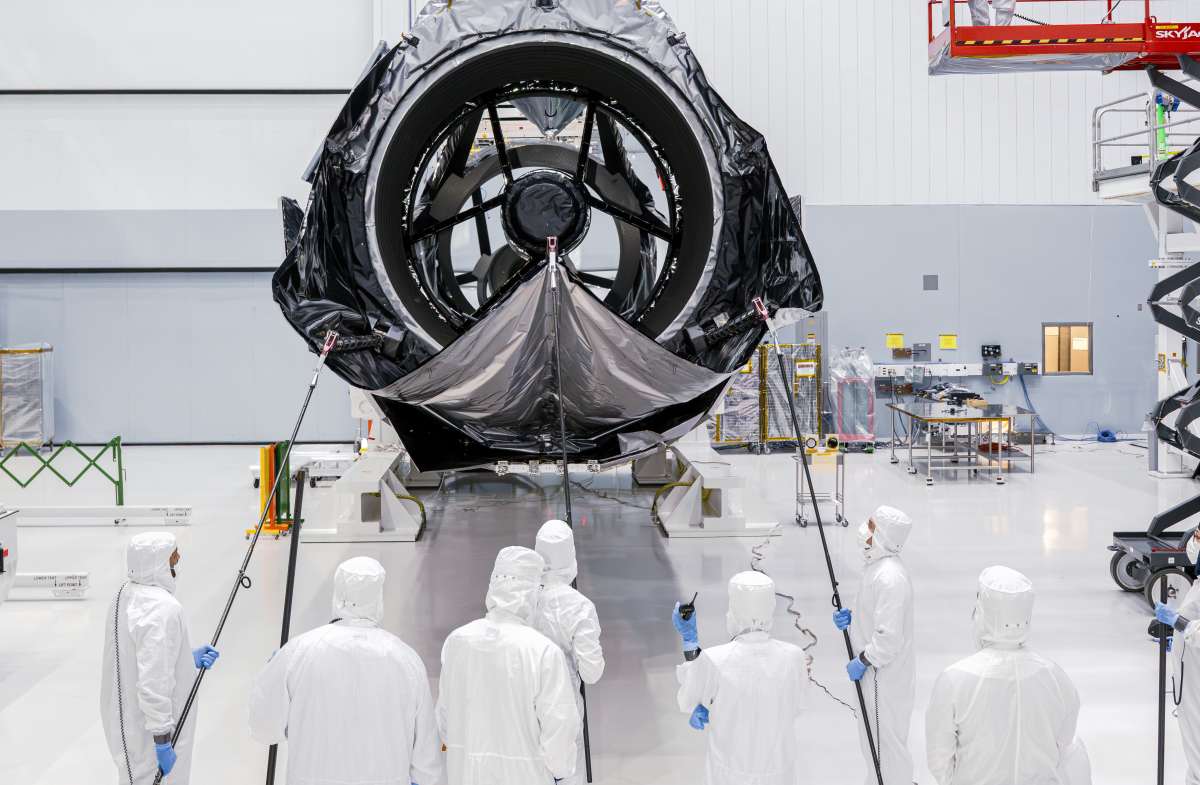
Once it’s ready to go, NASA will use it to directly photograph planets and dusty disks around nearby stars in visible light. Sharing an update on the same, NASA added in its official statement, “Using the coronagraph, scientists will photograph worlds and dusty disks in visible light to help us see giant planets that are older, colder, and in closer orbits than the hot, young super-Jupiters direct imaging has mainly revealed so far.”
How would this change what we know about the universe?
So far, astronomers have photographed exoplanets that are young, hot, and unusually large. But with Roman, NASA will be able to photograph exoplanets that are older, colder, and orbit closer to their stars. This could help scientists build a clearer picture of what more ordinary, Earth-like planetary systems tend to look like.
Along with direct imaging, Roman will also search for planets with the help of microlensing and transits. Microlensing is a method that picks up on how a planet’s gravity bends light from a star behind it. Transits, on the other hand, happen when a planet passes in front of its star and briefly dims its light.
What's next for the Nancy Grace Roman Space Telescope?
On August 31, Roman also completed its first mid-course correction burn, which is a roughly three-minute engine firing that adjusted its flight path, with a second burn possible later in the week if needed. That same day, the telescope deployed its high-gain antenna, a 5.6-foot dish weighing just 24 pounds, which will send data to Earth at up to 500 megabits per second through ground stations in New Mexico, Australia, and Japan.
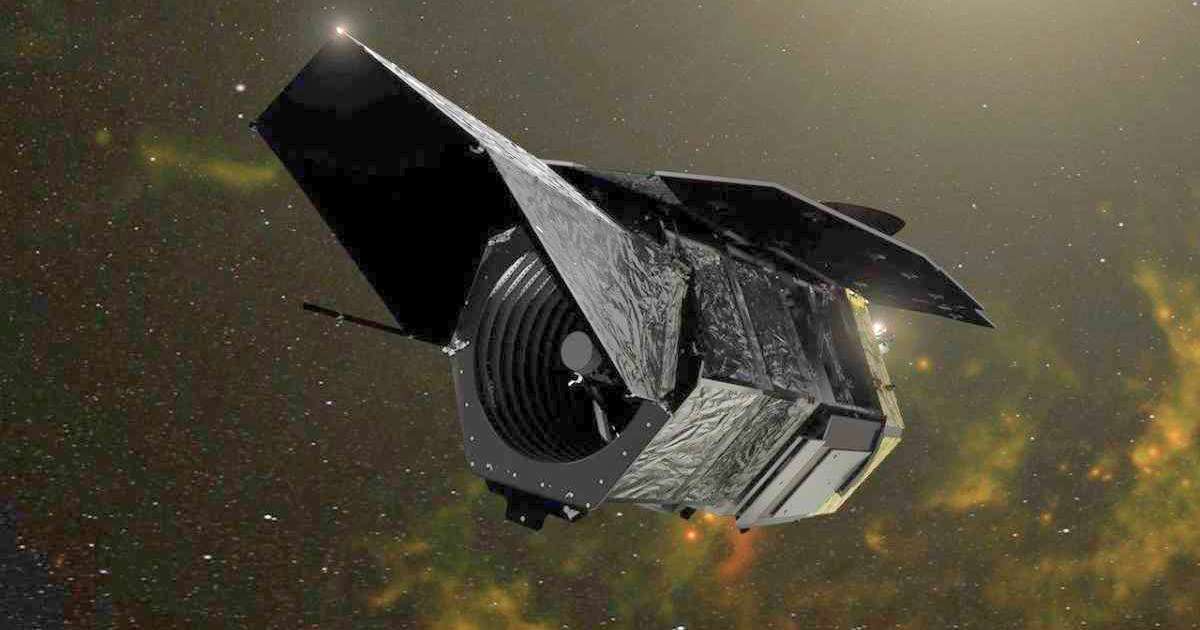
Roman's other major instrument, the Wide Field Instrument, is expected to power on in a couple of weeks. Both instruments will be tested throughout the mission's three-month commissioning period, and NASA expects to release Roman's first images in early 2027.
More on Starlust
NASA’s Nancy Grace Roman Space Telescope successfully deployed in space: What happens next?