NASA faces new helium flow issue after targeting March 6 for Artemis II launch
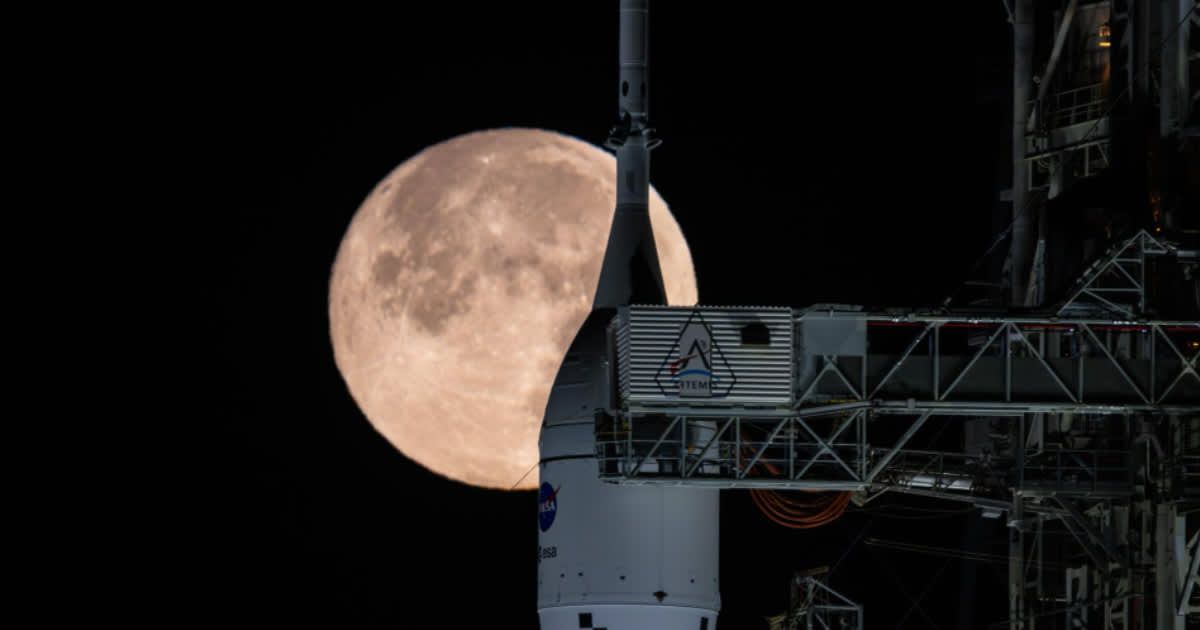
NASA is now planning to roll back the Artemis II rocket and the Orion spacecraft to the Vehicle Assembly Building (VAB) at the Kennedy Space Center, Florida, following a new helium flow issue. The agency detected the disruption within the Space Launch System (SLS) rocket’s interim cryogenic propulsion stage. This setback comes just a day after NASA had committed to March 6, 2026, as the earliest launch opportunity for Artemis II following a successful second wet dress rehearsal. NASA's Moon to Mars Program Manager Dr. Lori Glaze had announced the target date during a February 20 news conference. But in the latest update, the agency has stated that fixing the helium system will "almost assuredly impact the March launch window."
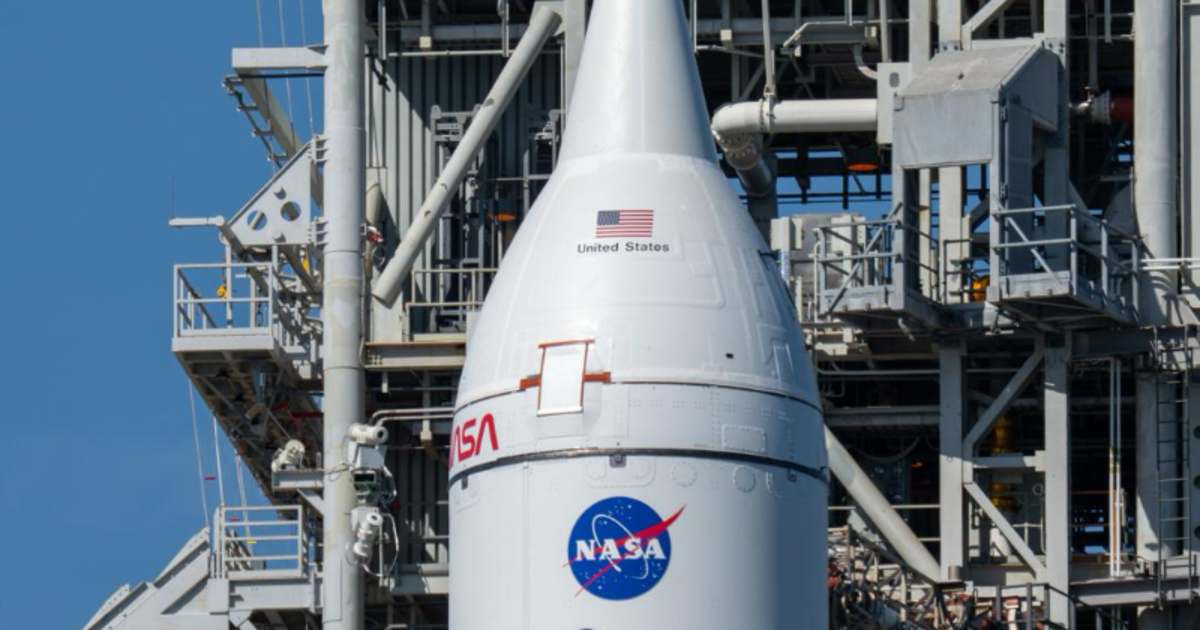
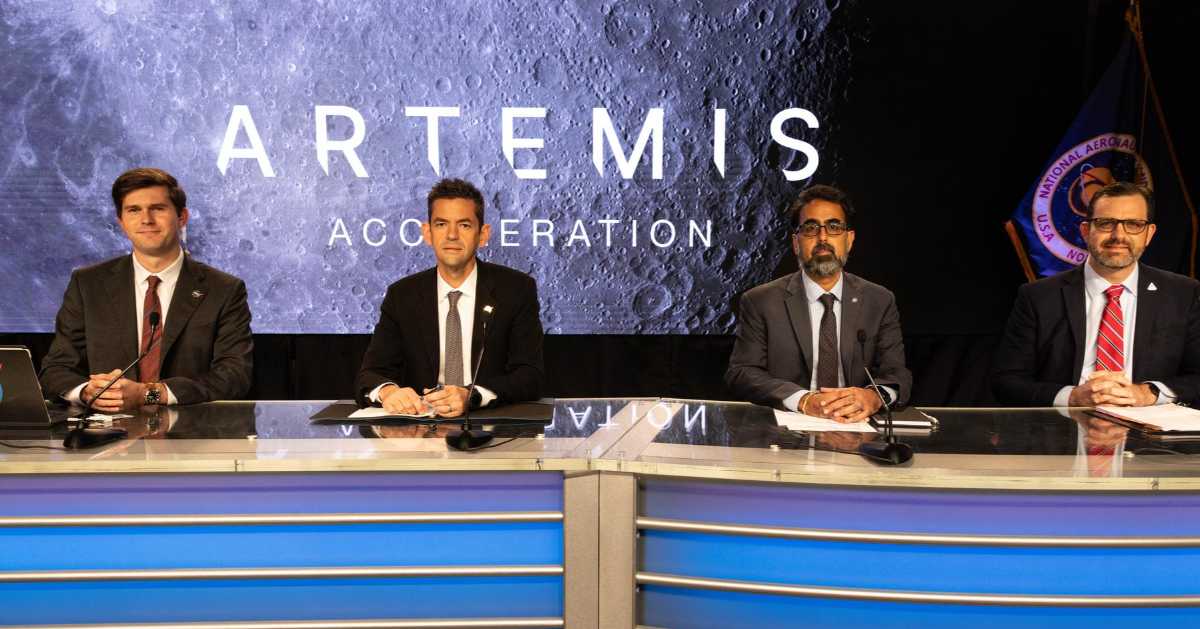
The interruption was noticed overnight on February 21. Resolving the helium issue is of the utmost importance because it is one of the key requirements for a safe launch. It pressurizes fuel tanks and helps push propellants through the system. With this, NASA is reviewing all technical data and preparing both Pad B and the VAB as the troubleshooting options because of wind-driven constraints. During the recent press conference, Dr. Glaze had said, "Following that successful wet dress yesterday, we're now targeting March 6 as our earliest launch attempt." She had also added a caveat about pending analyses and pad work but noted the crew's excitement, with astronauts entering quarantine on Friday evening, per NASA.
The second rehearsal had helped NASA get over the hydrogen leak troubles that halted the first wet dress rehearsal on February 3, 2026. Teams replaced seals in the tail service mast umbilical interface and ground system filters, achieving minimal leak rates, far below prior issues. Artemis II launch director Charlie Blackwell-Thompson had also reported at the conference, "I'm happy to report that yesterday both of those interfaces were rock solid. We saw maybe 1% or less in that 8-inch line in that interface, which is really solid and then actually it was a little less than that…about one and a half percent in the 4-inch. So really, no leakage to speak of. So it really performed well. The hardware was talking to us, so we listened."
The test loaded over 700,000 gallons of propellants, demonstrated crew module closeouts, and ran two terminal countdowns despite minor communications and avionics hiccups. The latter communication issues were restored within a space of 34 minutes.

Post-rehearsal pad operations were focusing on raising access platforms for flight termination system retesting in the core stage intertank and boosters, spanning several days. A flight readiness review is also set for late next week, with data reviews ongoing.
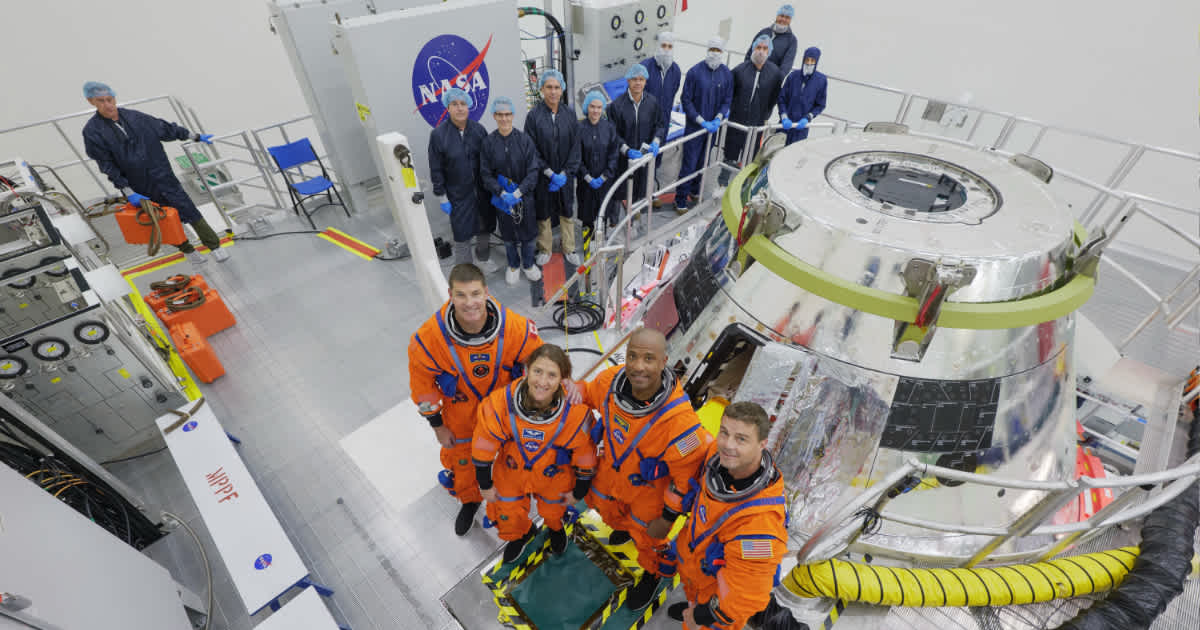
Crew members Reid Wiseman, Christina Koch, and Jeremy Hansen also observed proceedings from the firing room, mission managers informed. John Honeycutt, the Artemis II mission management team chair, had highlighted training results, "We've all gotten to a place where we want to be relative to how sharp we are and how we operate."
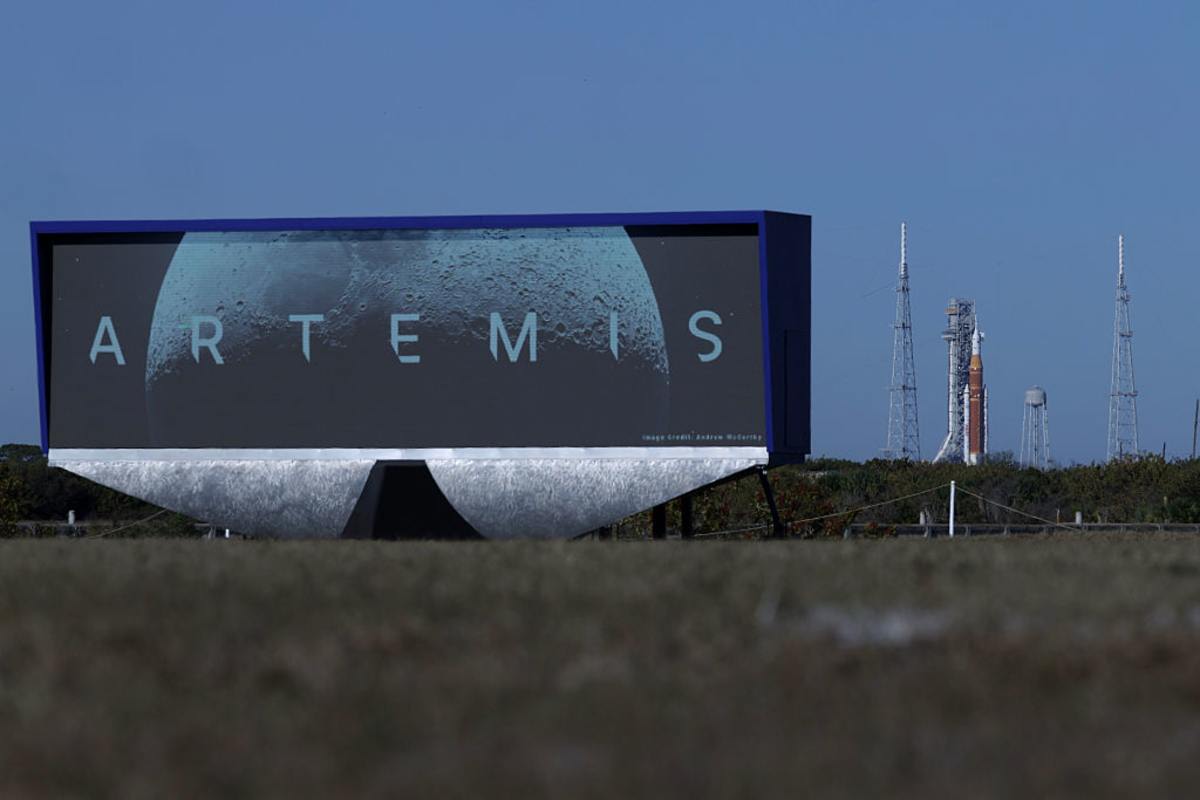
We are targeting no earlier than March 6 for the launch of Artemis II, pending completion of required work at the launch pad and analysis of test data.
— NASA Artemis (@NASAArtemis) February 20, 2026
The Artemis astronauts have entered quarantine to remain in good health before the mission. https://t.co/SEq4DPmluZ pic.twitter.com/udLNFXbn8P
If, for any reason, the launch window of March 6, 2026, is deemed not ideal, early April windows are said to be unavailable due to battery checks. However, later periods like April 30 onward remain under analysis for thermal, eclipse, and communications considerations. Dr. Glaze stressed transparency, stating, "If something happens that pushes us off away from March 6... we will certainly communicate that and be transparent about it."
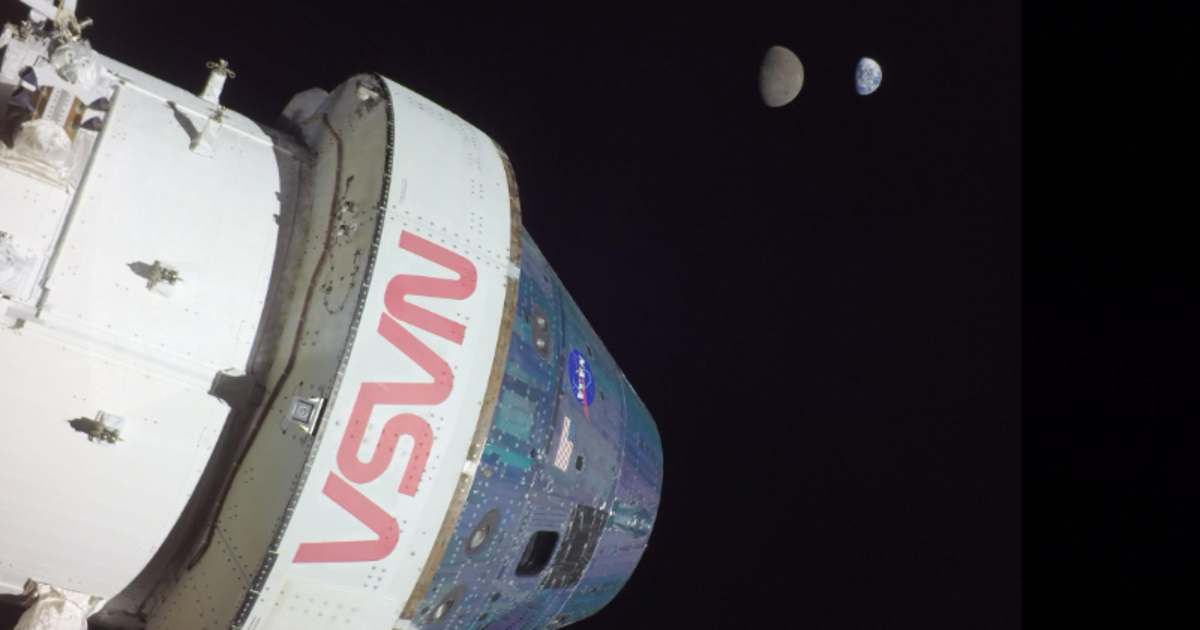
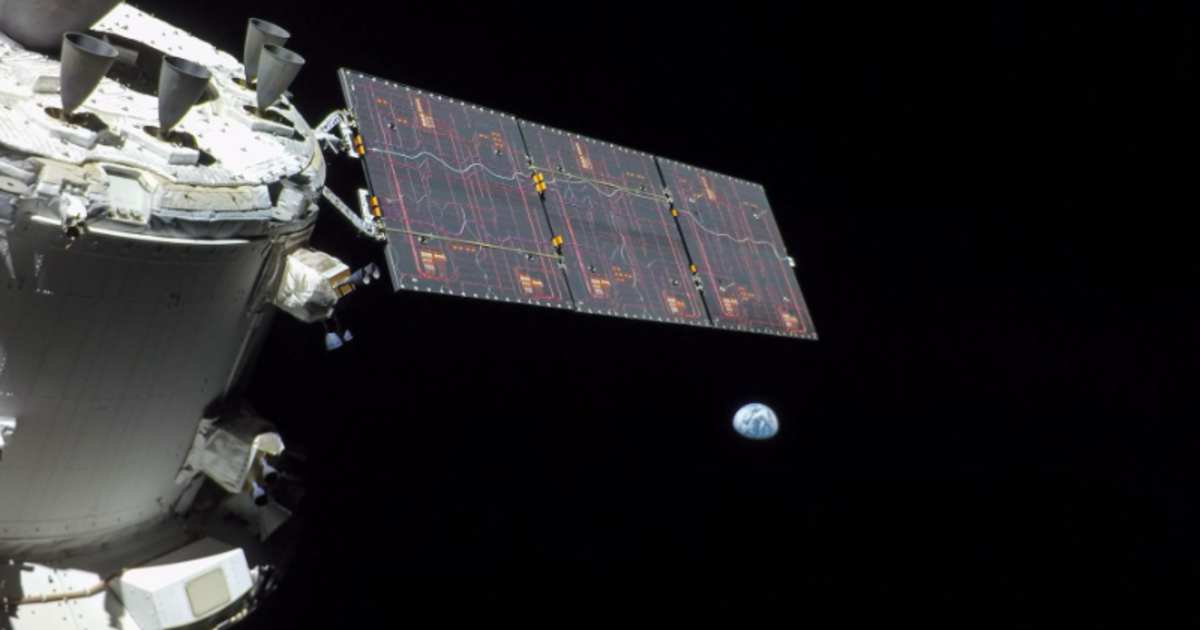
Artemis II will send astronauts on a 10-day lunar flyby, the first crewed Orion flight. It will be the first trip in over 50 years of humanity visiting its natural satellite in space. This mission will serve as a stepping stone for Artemis III's 2028 lunar landing and long-term, sustainable exploration through the Gateway outpost with Artemis IV.
More on Starlust
All hands on deck: The international collaboration behind Artemis II's SLS rocket and Orion capsule
How the Artemis II crew will eat and use the bathroom inside Orion