Will Artemis II rocket be rolled back into Vehicle Assembly Building? Here's what NASA said
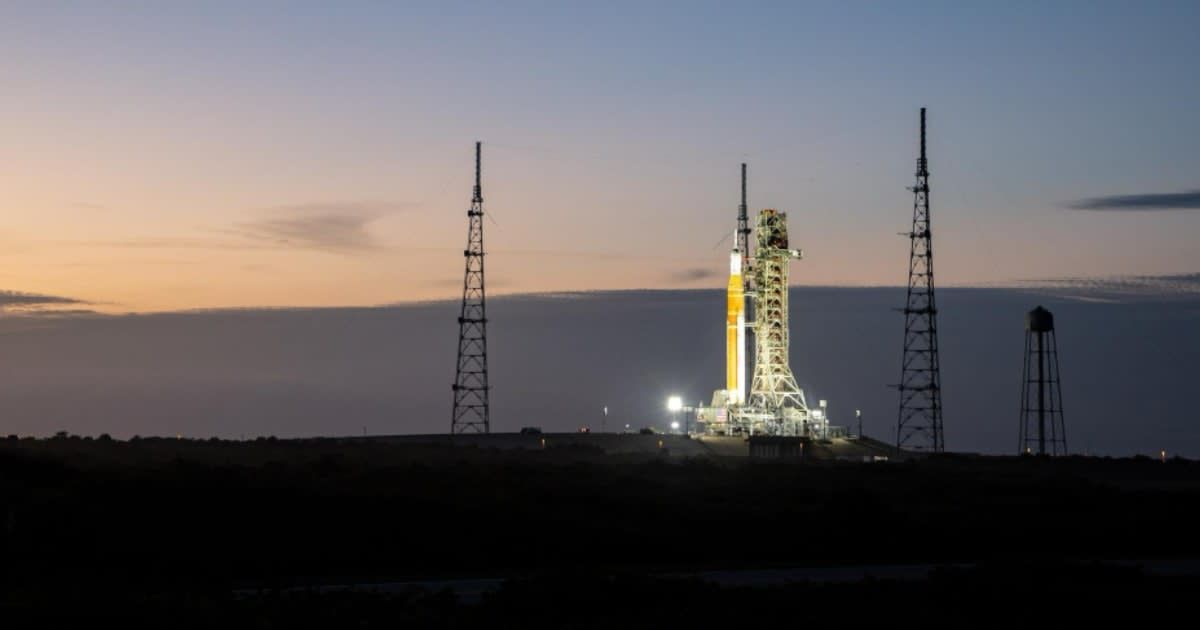
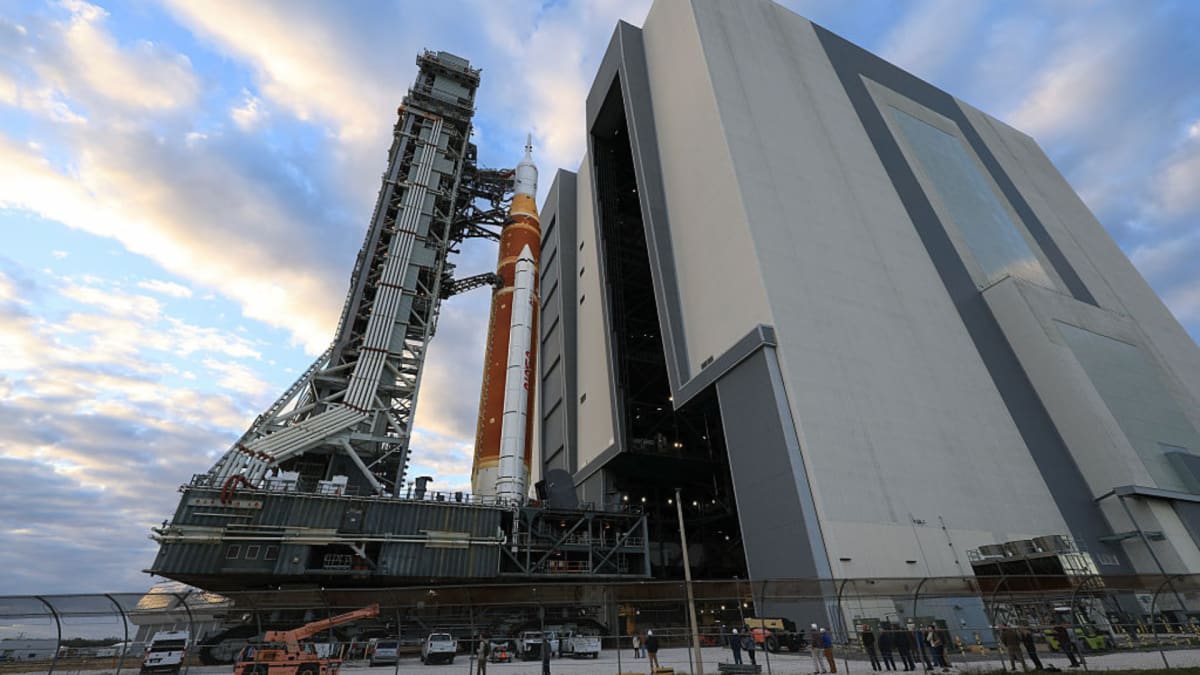
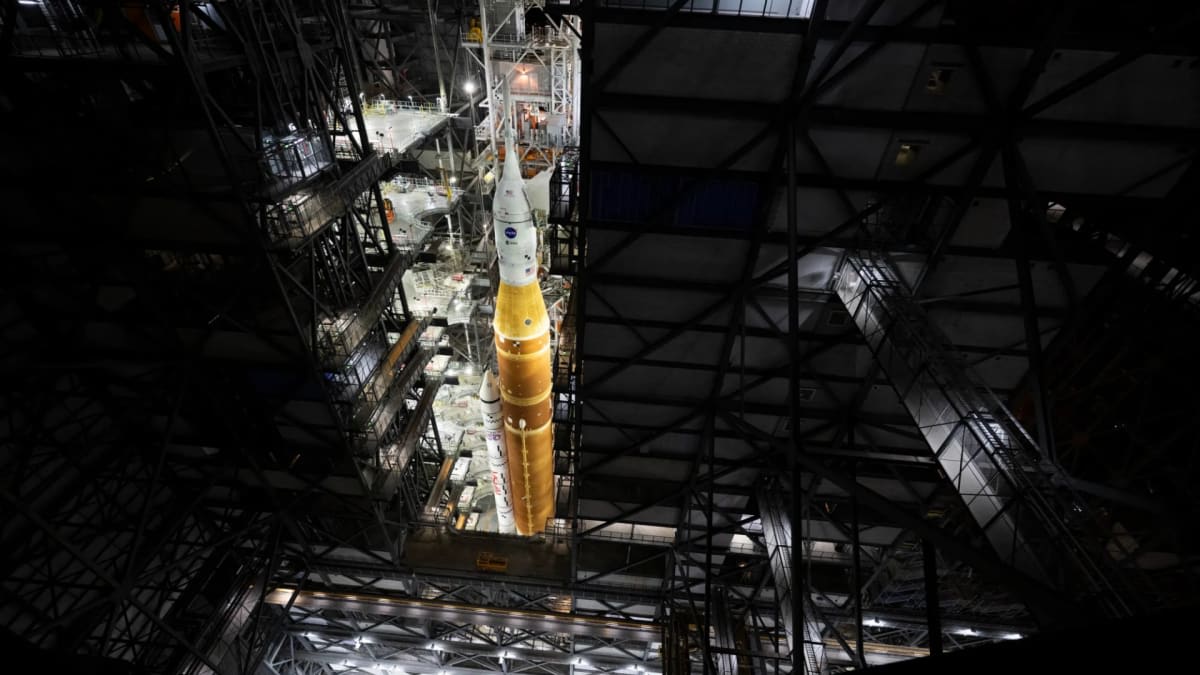
NASA officials said during the news conference yesterday that, despite the setbacks that forced the agency to move the earliest possible launch window of Artemis II to March, their contingency planning means they may not have to roll the Space Launch System (SLS) rocket back into the Vehicle Assembly Building (VAB) at Kennedy Space Center at Cape Canaveral. The press conference was hosted by NASA Associate Administrator Amit Kshatriya, Lori Glaze, Acting Associate Administrator for the Exploration Systems Development Mission Directorate, Artemis Launch Director Charlie Blackwell-Thompson, and John Honeycutt, chair of the Artemis II Mission Management Team.
Despite a hydrogen leak that brought the recent wet dress rehearsal’s terminal countdown to an end five minutes sooner than planned, NASA still sees the trial as a success, and the 322-foot-tall rocket can remain at Launch Pad 39B even with the possibility of going the safe route of rolling the rocket back having been made no secret of in the past. Should SLS stay at the pad, it is certain to be a significant relief for the schedule. After all, Artemis I saw a total of three rollbacks over the course of six months before it finally took off.
This confidence to remain at the pad stems from the fact that specialized equipment and procedures had already been developed based on the lessons from Artemis I in 2022. "During Artemis I, we found out that we can do some work on these plates at the pad. Now, I had hoped that we did not have to demonstrate that again for Artemis II, but we showed that we can go do this work at the pad and be ready for launch," Blackwell-Thompson stated. This capability allows the team to replace and test seals and troubleshoot the tail service mast umbilical in a controlled environment directly at the launch site.
On what went well during the wet dress rehearsal, Blackwell-Thompson said, “We had never loaded the core stage or the upper stage from the new 1.4 million gallon hydrogen sphere…we had gone through a complete verification and validation, but we didn't have the hardware to do it with the flight hardware. And so that went really well. The lessons learned from how we do the sequencers in the software also went well.” Among other things, she also mentioned how the modified replenish valve also impressed. Glaze, meanwhile, expressed that she was impressed by the enormous amounts of data the team gathered during the test and the promise it holds.
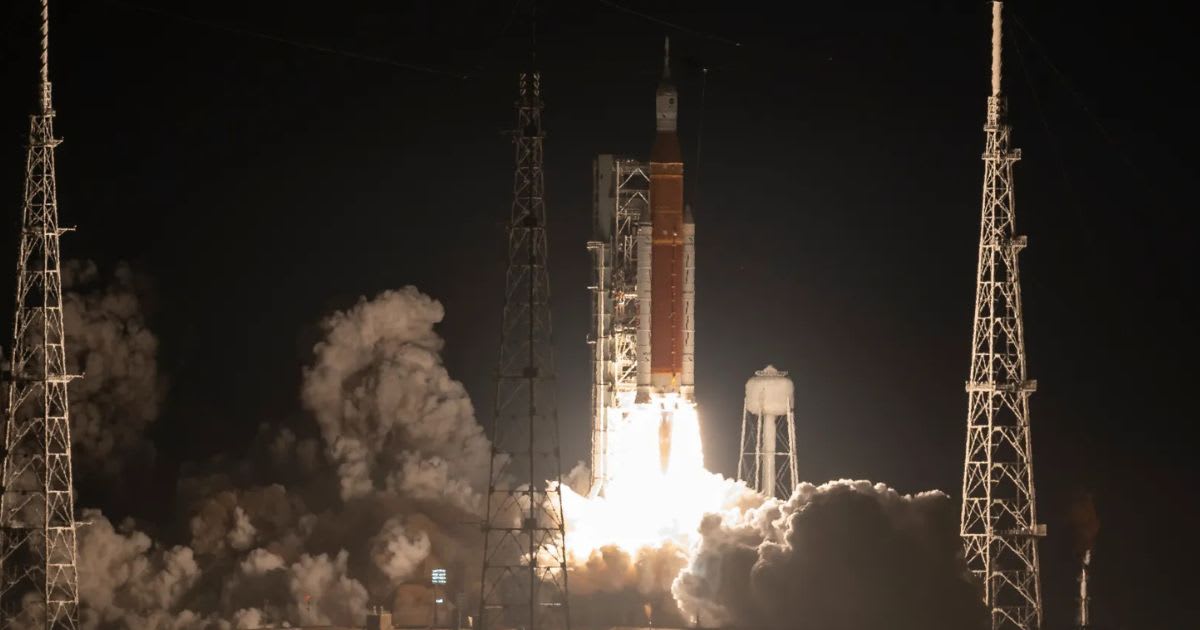
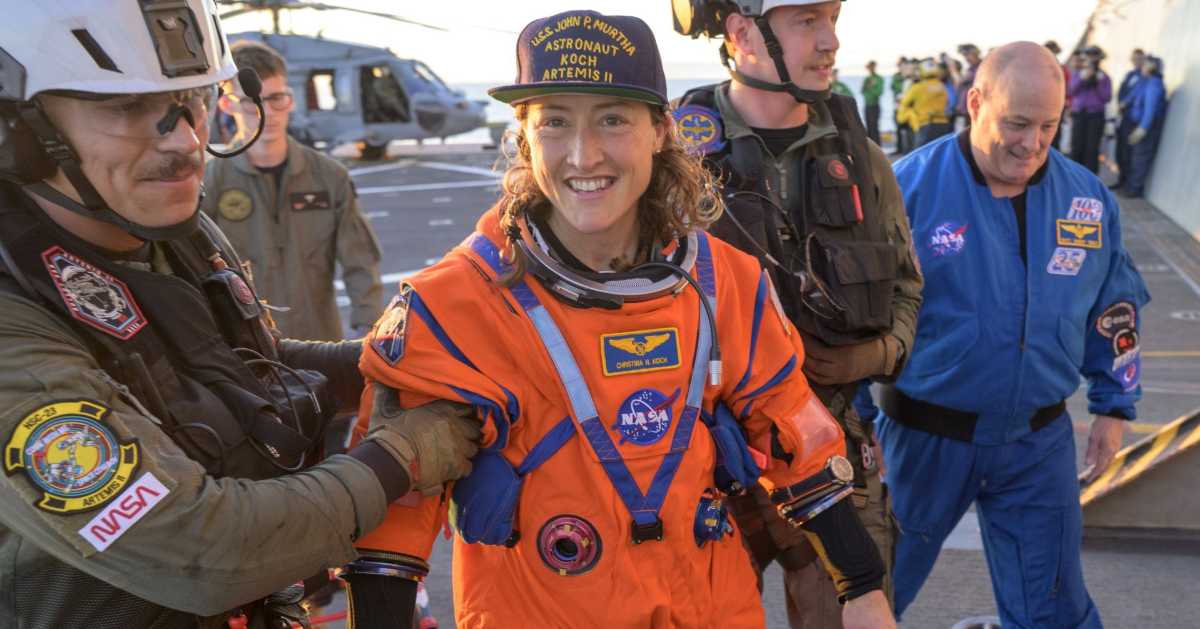
On being asked whether the team is feeling the pressure of the schedule, considering the administration is aiming for a Moon landing by 2028, Kshatriya noted that the goal of these rehearsals is not to rush the launch until the system is fully understood and verified, stating, “We feel the pressure to make sure that we're listening to the machine and we're doing the right thing for the crew. I would tell you that we put that pressure on ourselves to be successful, but we don't feel any schedule pressure on this particular subject.” As for the second wet dress rehearsal, the American space agency could not offer a tentative date, stressing that there's a variety of things that will be taken into consideration before a date is decided upon and announced. Meanwhile, Artemis II astronauts have been released from their fortnight-long quarantine, though they remain on standby for the next launch window.
More on Starlust
What part of the Moon will the astronauts get to see on the Artemis II mission?
Artemis II mission will take bone marrow cells on thumb-drive-sized chips to the Moon