NASA's Artemis II mission: Why astronauts are quarantined ahead of launch

As NASA’s ambitious Artemis II mission awaits launch, teams and the crew work around the clock to mitigate any risks that could derail a mission of historical importance. Of course, the preparations also include ensuring that the crew remains healthy before and through the duration of the mission. So, they must be kept in isolation for a certain period before the launch to avoid the risk of contracting illnesses before or during the flight to the Moon. This period of isolation, commonly known as a quarantine, was also observed by the crew of Artemis II before their release by February 3, 2026, per BBC Sky at Night Magazine.
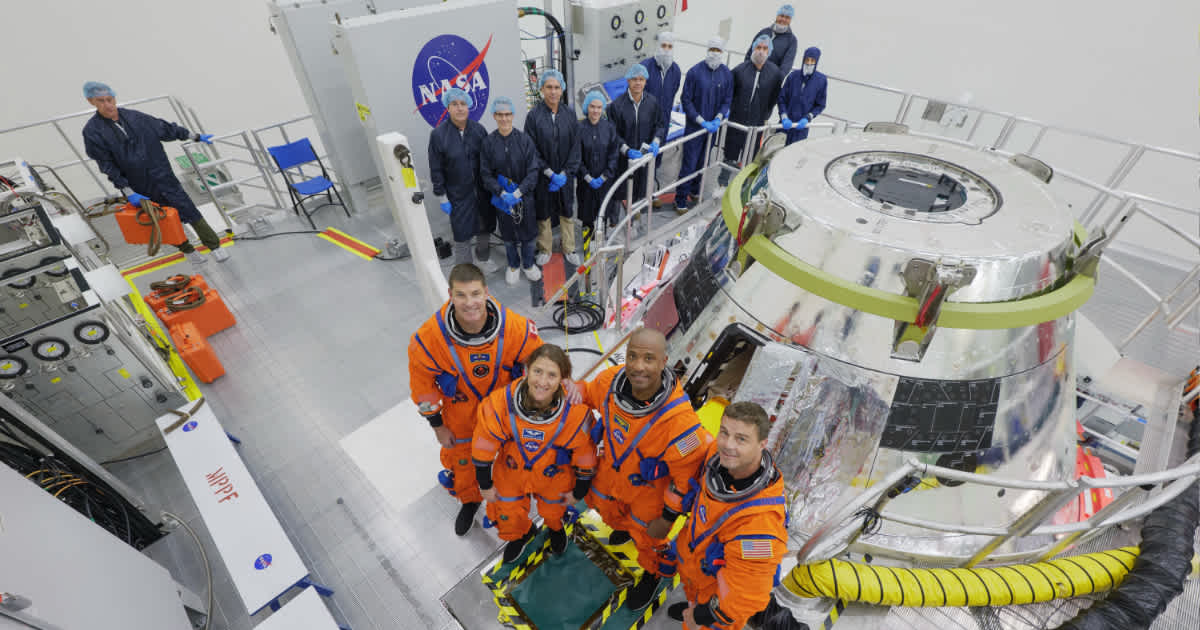
Having gone into quarantine in Houston on January 23, 2026, they were supposed to travel to the Neil A. Armstrong Operations and Checkout Building at Kennedy Space Center, Florida, on February 3, staying in isolation all the while, but were released owing to the postponement of Artemis II’s launch from its original February windows to those in March. The premature end to the quarantine is due to standard procedures requiring them to stay in quarantine for a fortnight just before launch, with no gaps. This is why the crew will enter another quarantine 14 days in advance of their next earliest launch opportunity on March 6, 2026. Through the duration of this process, which NASA refers to as the 'health stabilization program,' the astronauts are allowed to stay in touch with their friends and relatives. However, the latter must also observe the rules of the program, such as social distancing, wearing masks, and avoiding public spaces.

This health stabilization program was instituted in preparation for the flight of Apollo 14 in January 1971. This was done to prevent a recurrence of what had happened with the Apollo 13 mission, wherein a crew member was exposed to German measles, thereby necessitating a last-minute crew change. Apollo 11, 12, and 14 astronauts were even required to enter a post-flight quarantine in a mobile quarantine facility (MQF), which guarded against contamination of terrestrial environments from a possible lunar organism or the contamination of the lunar samples they returned.

With the likes of high-stakes missions like the Apollo and Artemis programs, it is apt that NASA has covered all bases throughout its earliest missions and perfected techniques to preserve the health of its astronauts. With the goal of ultimately reaching Mars after having established a long-term lunar presence with Artemis III’s human landings and Artemis IV’s objective of putting components for the Gateway space station into lunar orbit, it is vital that NASA puts its best foot forward, given the high-risk and long-term nature of its objectives on the horizon.
More on Starlust
NASA could give a shoutout to your own 'Moon crew' during the Artemis II coverage: Here's how
How will Artemis II astronauts stay connected to mission controllers on Earth?