NASA's new STORIE mission to provide fresh inside-out view of 'space doughnut' around Earth
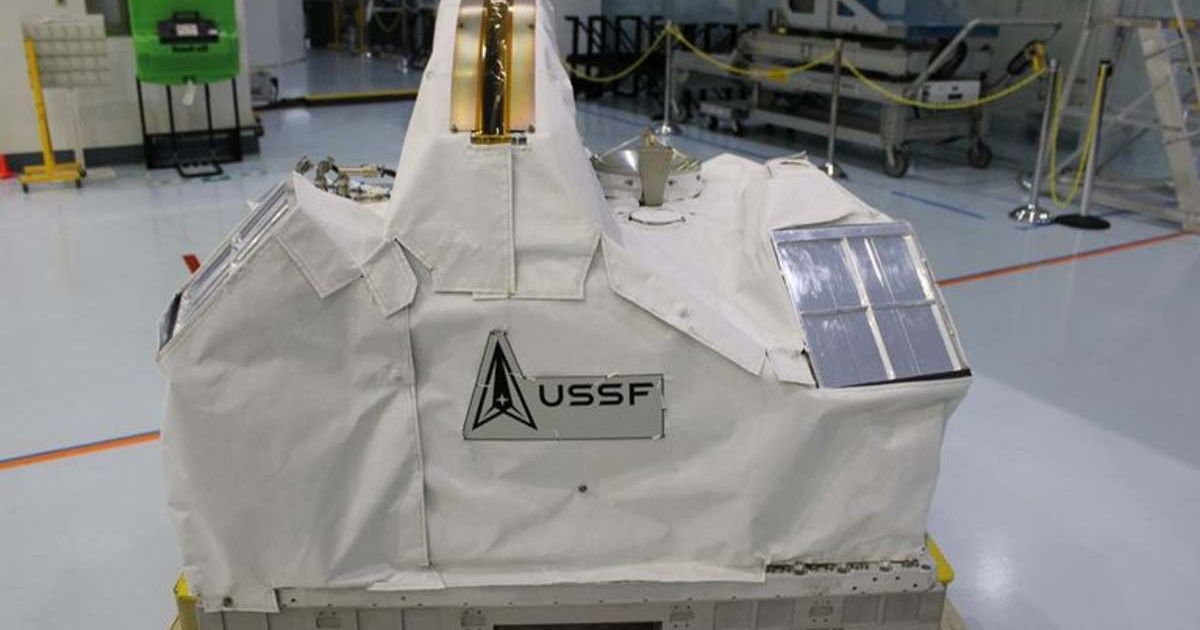
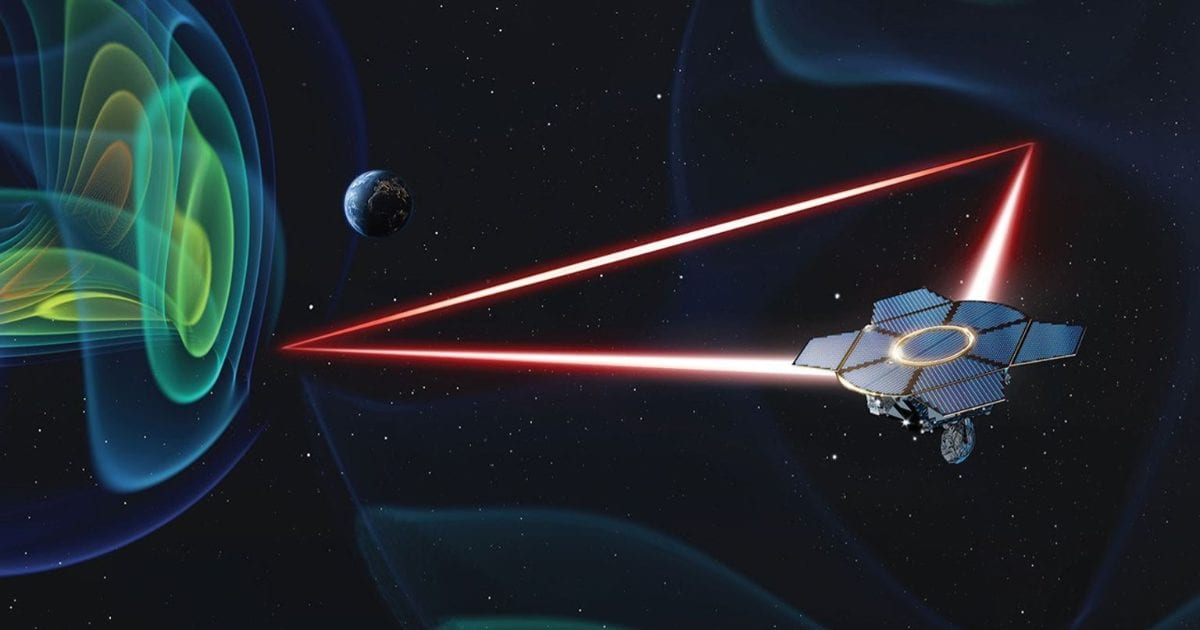
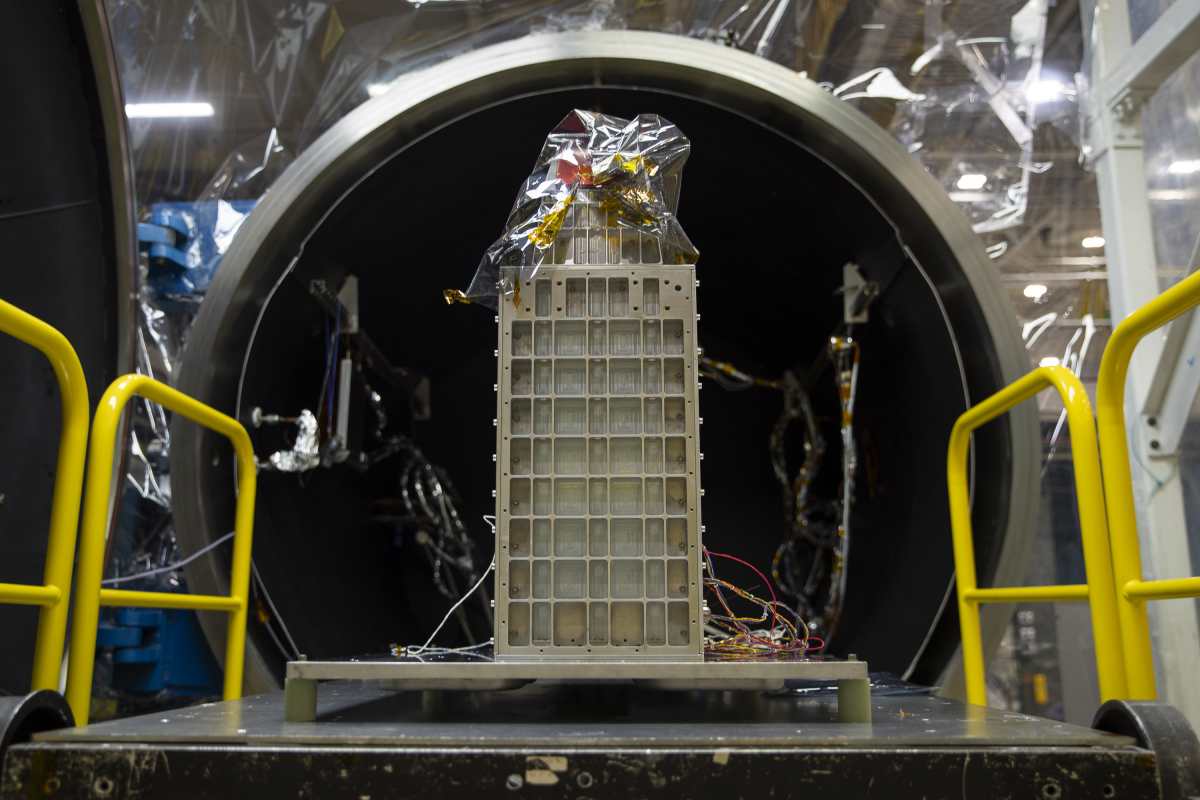
A new perspective in the sky is set to give fresh insights into Earth's ring current. Set to launch aboard the 34th SpaceX commercial resupply services mission to the International Space Station for NASA, the STORIE (Storm Time O+ Ring current Imaging Evolution) instrument will capture an "inside-out" view of the ring current and monitor changes, helping scientists understand how Earth reacts to space weather.
The ring current and its significance
The ring current is an invisible doughnut-shaped pen around Earth, where the planet's magnetic field lures and traps charged particles from space. These particles decide how Earth reacts to space weather, which, in turn, impacts technology deployed both in space and on the ground. “These particles have important space weather impacts,” said Alex Glocer, STORIE’s principal investigator at NASA’s Goddard Space Flight Center in Greenbelt, Maryland, where the instrument was designed and constructed. “We want to understand how that trapped population is built up, and where it comes from.”
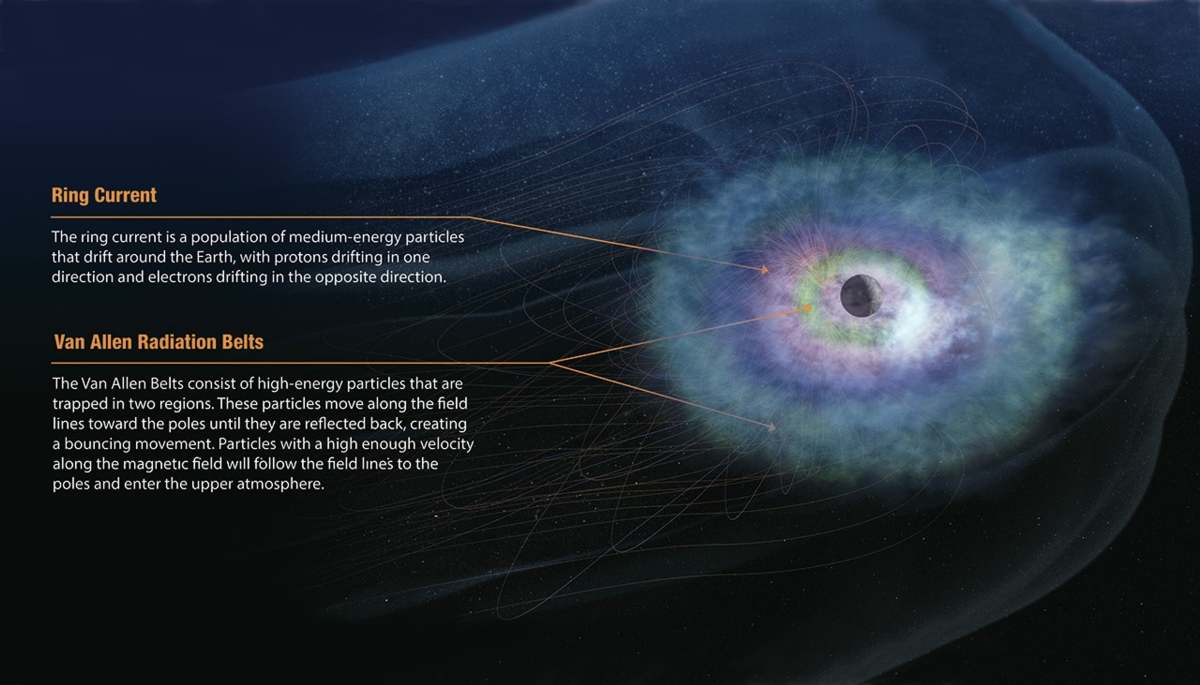
The ring current is not too different from Earth's Van Allen radiation belts. However, it is populated by lower-energy particles and has the tendency to change its shape, size, and intensity to a greater degree during solar storms. Moreover, positively and negatively charged particles in the ring current flow in opposite directions, giving rise to electrical currents. Changes in these currents can result in magnetic fluctuations and induced currents on the ground, which, in turn, can have an impact on pipelines and power lines. And that's not all. The ring current can also result in charge buildup on the surface of Earth-orbiting satellites, thereby causing spacecraft glitches. Lastly, when there's a bump in the energy inside the ring current, some of it travels to the upper atmosphere, causing it to heat, expand, and create more drag on satellites. Increased drag on a spacecraft may cause it to fall back to Earth sooner than planned.
NASA is launching a new experiment to track charged particles in a "space doughnut" encircling Earth. 🍩
— NASA Solar System (@NASASolarSystem) May 1, 2026
Installed on the @Space_Station, STORIE will study the ring current — a swarm of particles that can surge when a solar blast hits Earth, disrupting satellites & power grids. pic.twitter.com/ckpCS1pM3v
How will STORIE study invisible particles?
Studying the ring current is not easy because the electrically charged particles are not visible to the naked eye. Instead of looking at the particles directly, STORIE will track something called energetic neutral atoms (ENAs). These are formed when charged particles escape the ring current by picking up an electron from the outer atmosphere and becoming neutral. Once neutral, they escape the Earth's magnetic field and can travel freely. Measurement of the speed and direction of the ENAs could show whether the charged particles inside the ring current originate in the solar wind or from Earth. The STORIE instrument will pay special attention to positively charged oxygen atoms. That is because any oxygen detected is likely to come from Earth's atmosphere, as there is very little of it found in the solar wind. The instrument is also expected to help scientists figure out how fast the charged particles populate the ring current. “Is it like filling a lake with the steady flow of a waterfall or a bunch of raindrops?” Glocer asked.
The 'inside-out' perspective aboard the ISS
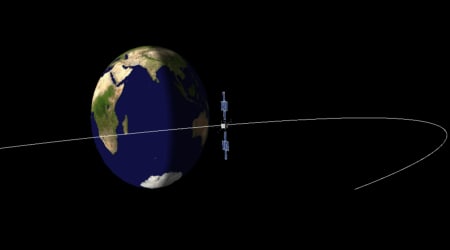
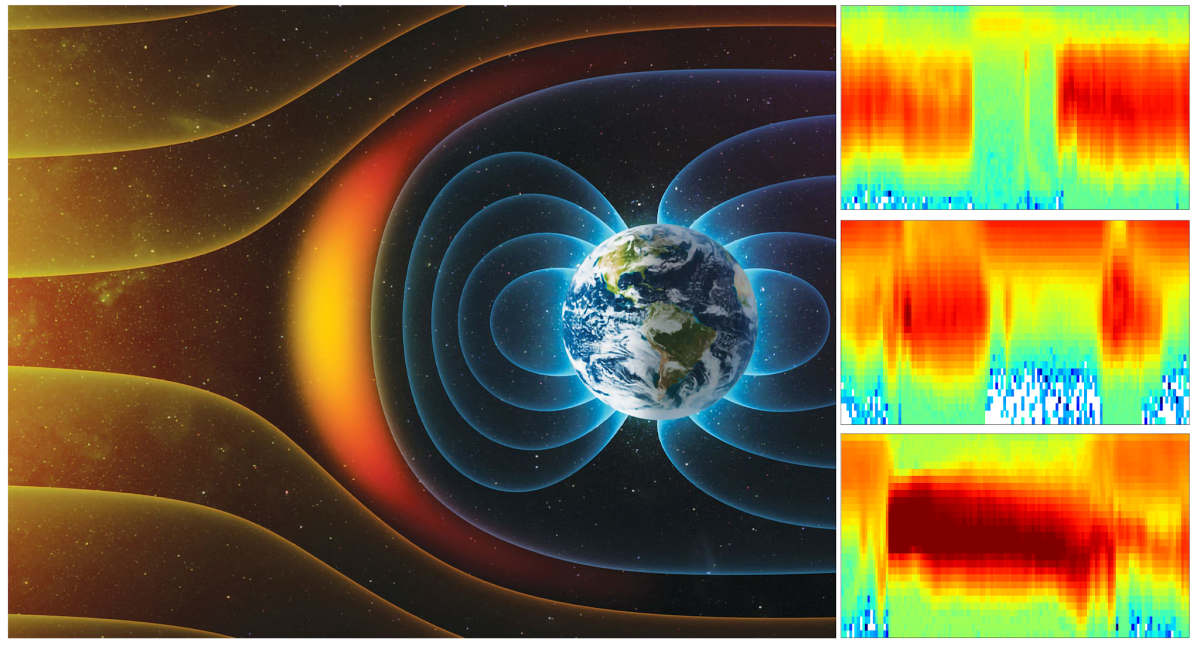
Earlier NASA missions like IMAGE (Imager for Magnetopause-to-Aurora Global Exploration) and TWINS (Two Wide-angle Imaging Neutral-atom Spectrometers) produced top-down views of the ENAs, which showed the entire ring current at once. However, such observations can face interference from the ultraviolet light reflected by the Earth, and the viewing geometry can make it very difficult to see trapped particles near the planet's equator. Over its six-month mission, STORIE will image one slice of the ring current at a time from the exterior of the ISS, building up a complete picture of the current every 90 minutes as the station orbits Earth. "From STORIE's inside-out perspective, you have Earth behind you, and you can see this trapped population near the equator that was hard for other missions to observe," Glocer said.
NASA's STORIE mission is officially moving toward its May 2026 launch from Kennedy Space Center. The instrument will sit on the ISS to provide an "inside-out" view of Earth's ring current, helping predict how solar storms impact our power grids and satellites. 🛰️…
— Orbital Insights (@orbital_station) May 2, 2026
The 34th SpaceX commercial resupply mission is currently scheduled to launch at 7:16 p.m. EDT on May 12, 2026. STORIE will be part of the 6,500 pounds of cargo stowed inside a SpaceX Dragon spacecraft, which will launch aboard a Falcon 9 rocket from Space Launch Complex 40 at Cape Canaveral Space Force Station in Florida.
More on Starlust
Earth's magnetic field may be able to protect NASA’s Moon Base from galactic cosmic rays
Hidden waves in Mars' ionosphere reveal secrets of the planet’s magnetic field