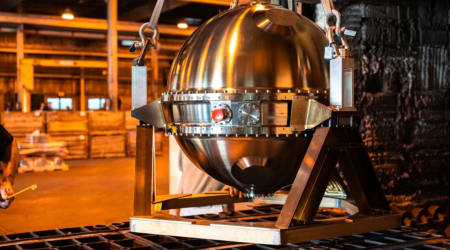
NASA discovers lava-like material that could help astronauts 'live off the land' on the Moon
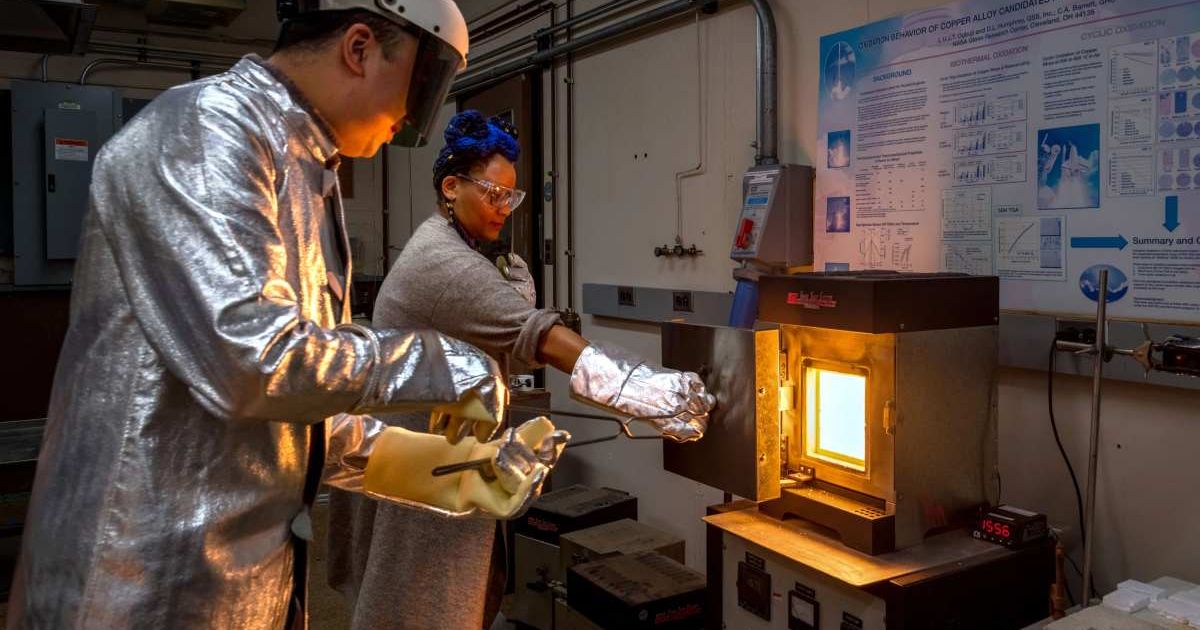
At NASA’s Glenn Research Center in Cleveland, a research team converted a mixture of simulated Moon dust and scandium oxide into something that no one had seen before. With preparations to build a Moon Base already underway, NASA is looking into ways astronauts can "live of the land" when they set up camp on our closest celestial neighbor. This new material could help the agency design technology that could house molten lunar rocks from where resources like metals and oxygen could be extracted. “You could call it lava, because it’s basically rocks that are crushed up and then melted,” said Dr. Kevin Yu, a technologist at NASA's Jet Propulsion Laboratory, in a statement. “It’s very corrosive, and it will very quickly eat through a lot of commonly used refractory, or heat-resistant, materials.” Dr. Yu, along with Dr. Jamesa Stokes, a materials research engineer at NASA Glenn, is researching how various substances react with molten Moon dust.
Dr. Yu and Dr. Stokes realized that they had chanced upon something new when the material they had created by heat treating simulated Moon dust and scandium oxide didn't match any of the more than 1 million substances in their X-ray analysis database. Being clueless about its identity, the team started from scratch. They set out to measure its chemical composition. They made small, isolated samples and tested how the samples reacted with molten Moon dust. They ground and mixed eight basic oxide components and then dissolved these materials in ethyl alcohol. Next, the blend was heated at more than 2900 degrees Fahrenheit inside a furnace.
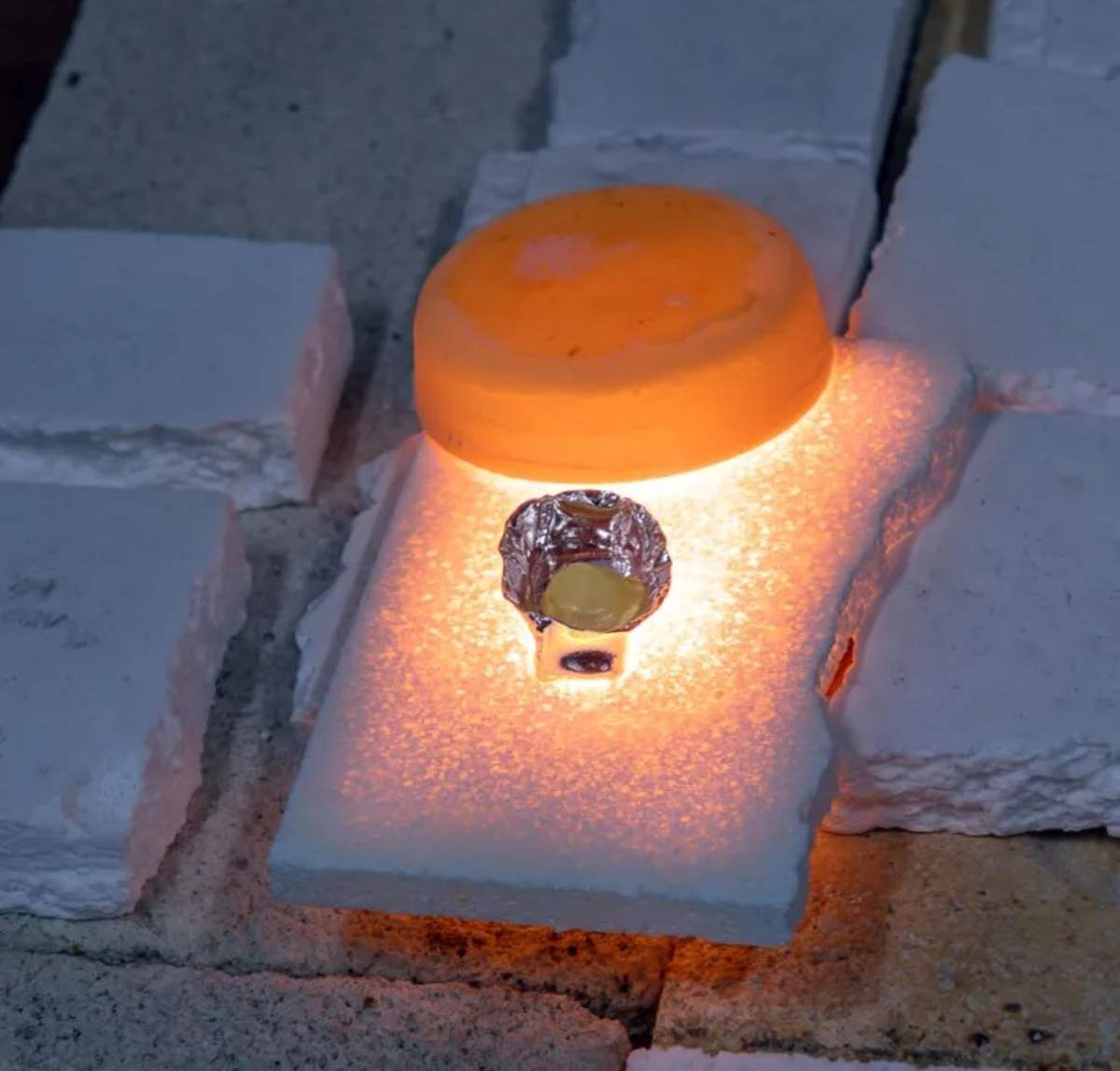
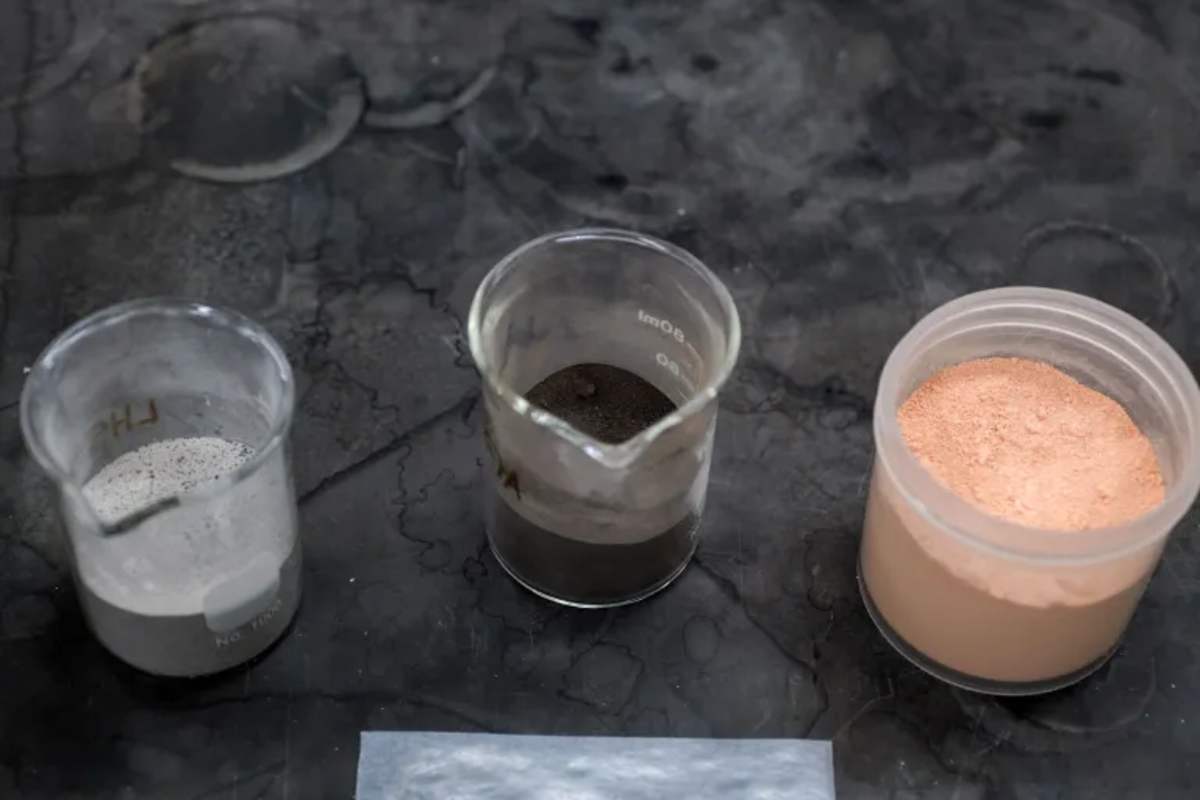
“It’s actually a very cool-looking powder; it goes in pink, almost like strawberry milk,” Yu said. “It has a built-in color indicator, so by the time you’re done with it, it turns to a light beige or tan color, and that’s how you know the reaction has proceeded the way you wanted it to.” The molten Moon dirt cannot corrode the new substance, which can tolerate high temperatures—up to six times hotter than a standard kitchen oven. And while scandium oxide is expensive, it costs less than precious metals like platinum that are usually used in these types of high-temperature processes.

The material’s heat tolerance could potentially be used for making coatings that can protect parts inside jet engines, which are exposed to extremely high temperatures. Being lighter and less dense, it can outperform the existing heat-resistant coating substances. The new material could also be used to make the pipes or basins holding molten dust inside such things. Yu and Stokes plan to fine-tune the process that was used to make the material, thereby making its production affordable. They think that materials research will play a key role in exploring the hostile environments of the Moon and beyond. “You can have the best idea in the world for a structure or a vehicle, but if you don’t have the materials that have the right properties to make your vision come true, it’s not going to succeed no matter how well you design it,” said Stokes.
More on Starlust
New research identifies where water is most likely to be found on the Moon
Scientist have found a new cheap route to the Moon—and it could have solved a major Artemis II issue