NASA's Parker Solar Probe makes surprising revelation about mechanism behind solar storms
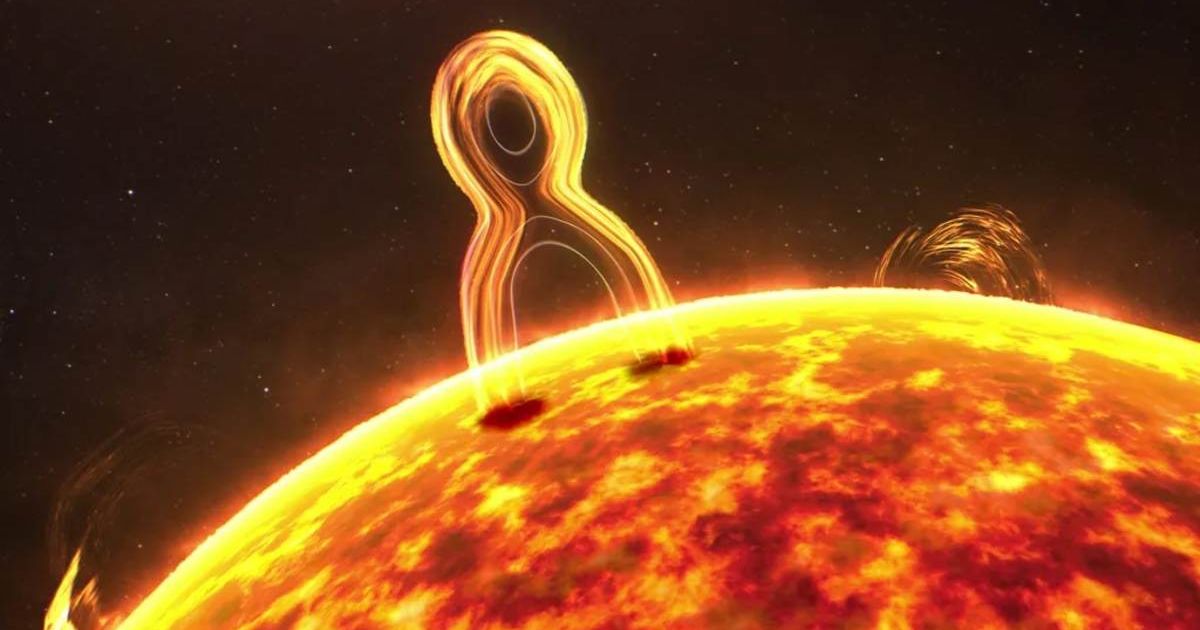
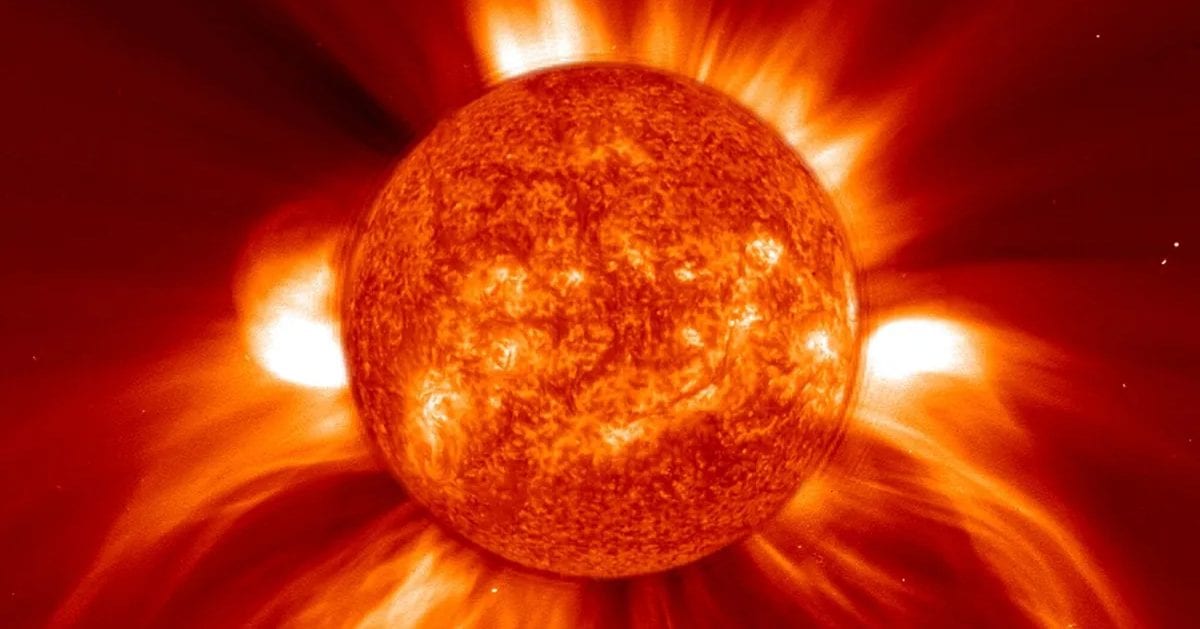
Observations from NASA’s Parker Solar Probe have provided new insights into magnetic reconnection, an explosive process that occurs on the Sun. After formation, such events unleash a lethal solar storm that speeds through space and hits the technology on Earth. The probe has unearthed fresh details about how magnetic reconnection accelerates charged particles to dangerous speeds. The research team responsible for this breakthrough, led by M. I. Desai at the University of Texas at San Antonio, has reported its findings in a paper published in The Astrophysical Journal.
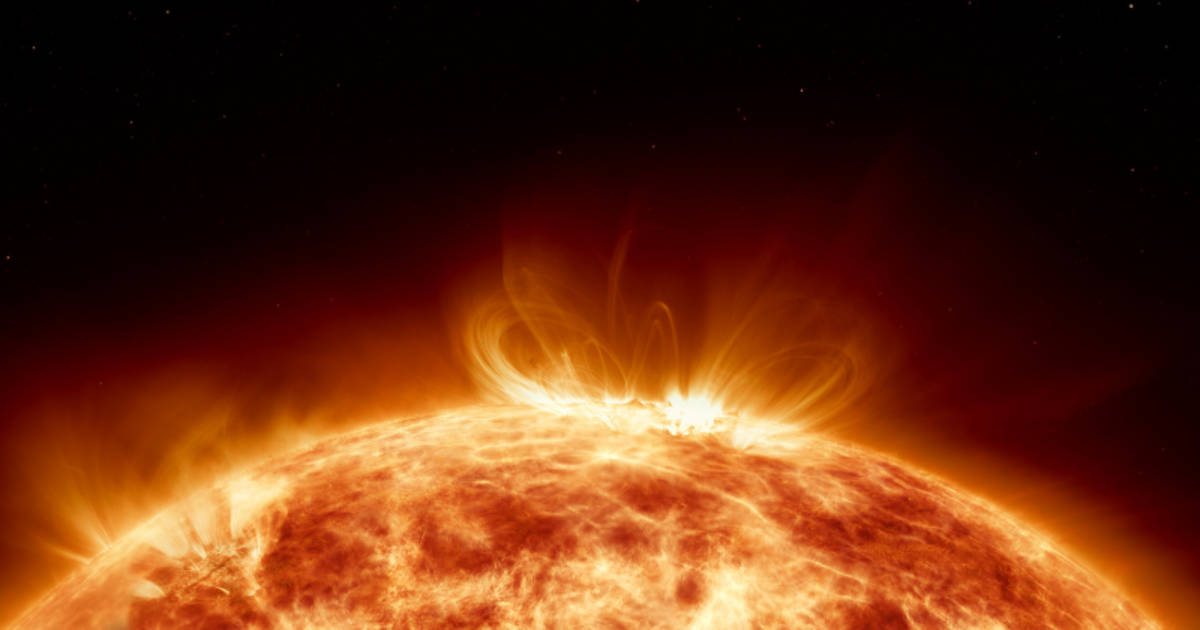
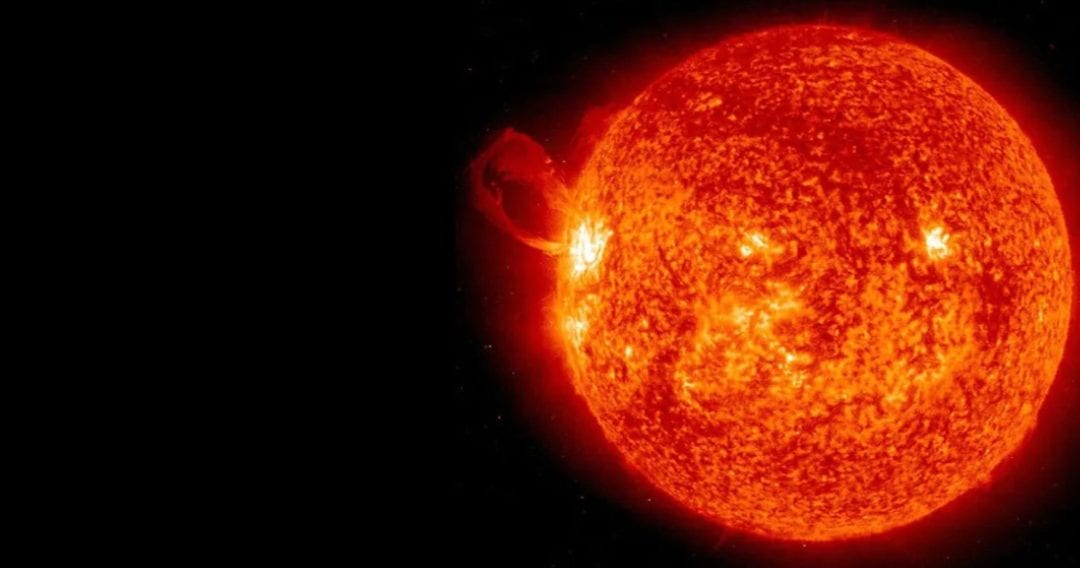
Magnetic fields are invisible, but they permeate all space. Earth itself acts like a large magnet, and its magnetic field can be felt hundreds of thousands of miles from it. The Sun’s magnetic field, shaped vastly differently from Earth's, is felt 10 billion miles away. A single magnetic field line cannot break because magnetic fields cannot have free ends. However, if a nearby stretched magnetic field line is pointing in the opposite direction, they can simultaneously break and cross-connect so that there is never a free end. This reconnection abruptly converts energy stored in magnetic fields to energy in charged particles, and results in phenomena such as solar flares and magnetic storms.
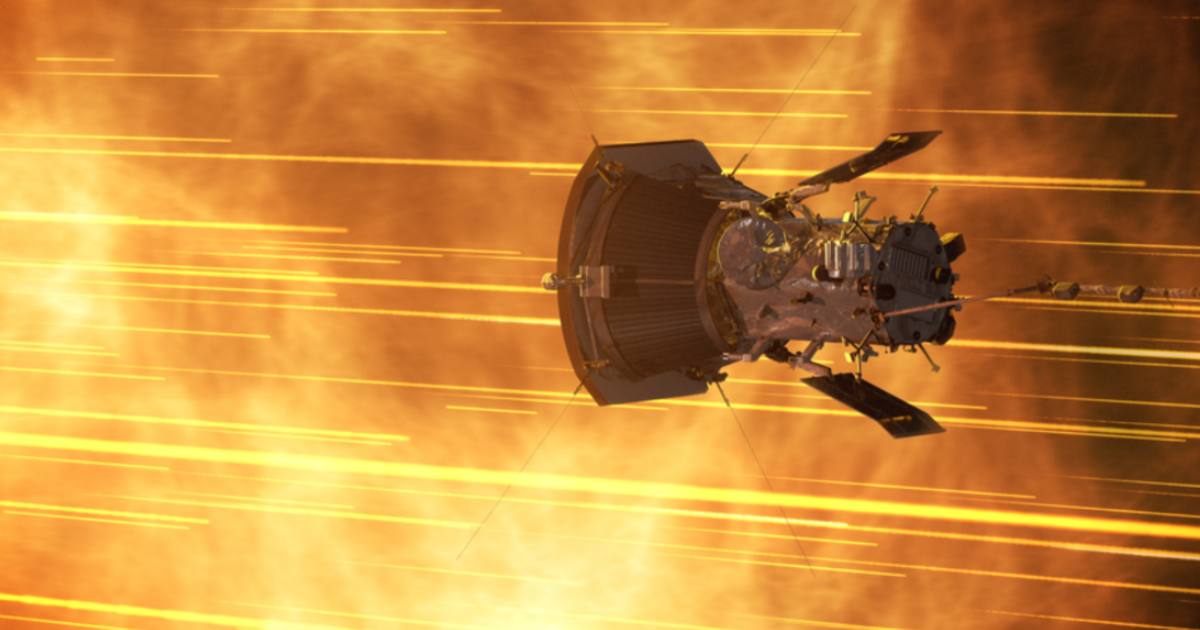
To better understand how magnetic reconnection shapes solar storms, the scientists used the data of the Parker Solar Probe, which is designed to swoop within about 4 million miles (6.5 million kilometers) of the Sun's surface. On a 2022 solar flyby, the Solar Probe came close to the Sun at the site of a magnetic reconnection event in the solar wind, the stream of particles and magnetic fields emitted by the star. Reconnection that triggers a solar storm takes shape in a place that is hard to access. The scientists wanted to take direct measurements of particles accelerated by magnetic reconnection. They got what they bargained for. The Solar Probe was able to do the measurements.
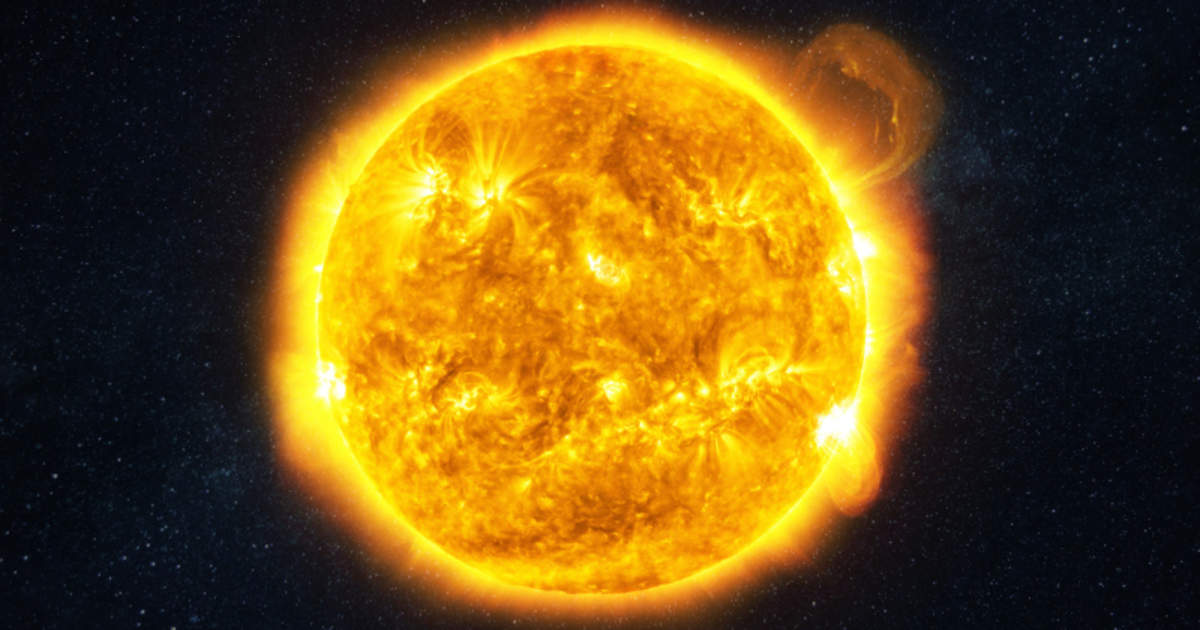
The Solar Probe observed how the Sun spewed a jet of particles made of protons and heavy ions—elements with extra electrons. But to their surprise, analysis revealed that protons and ions were accelerated in different manners. “Magnetic reconnection theories expect these two types of particles to be accelerated in the same manner, but the new observations showed the protons formed a dispersed beam, like that from a flashlight, while the heavier ions were directed in a straight line like a laser beam,” noted the press release by NASA. The findings will help scientists better understand how magnetic reconnection powers solar storms.
More on Starlust
Dangerous solar storms can now be predicted up to two years in advance, thanks to new study
Earth just faced the strongest solar radiation storm in over 22 years—here's what you need to know