Earth's magnetic field may be able to protect NASA’s Moon Base from galactic cosmic rays
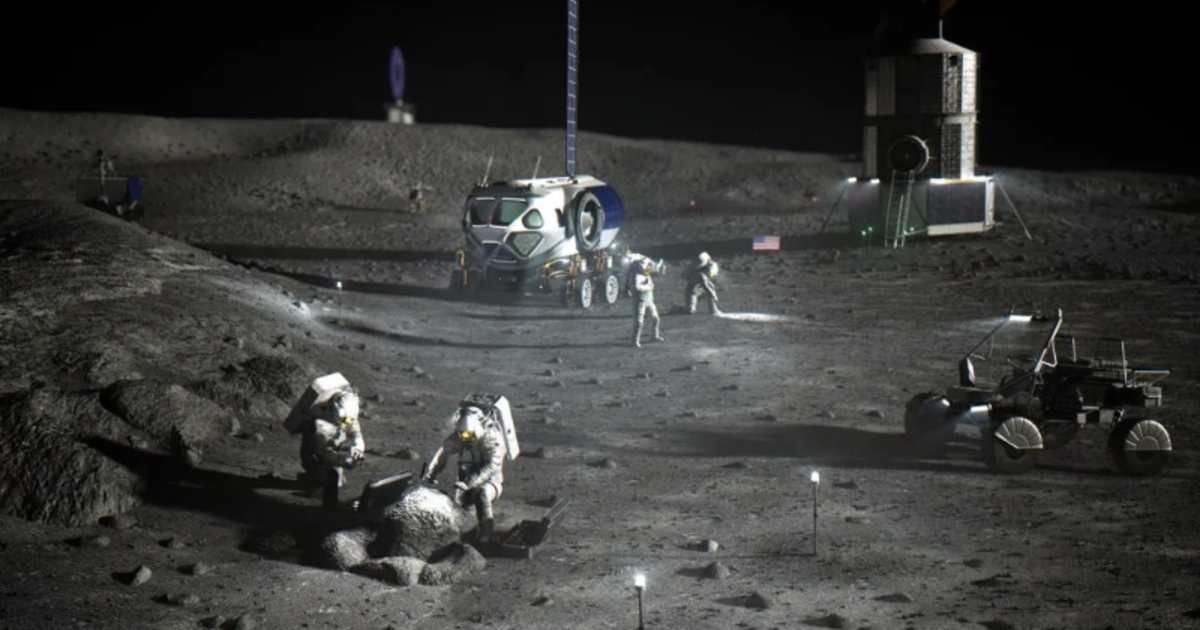
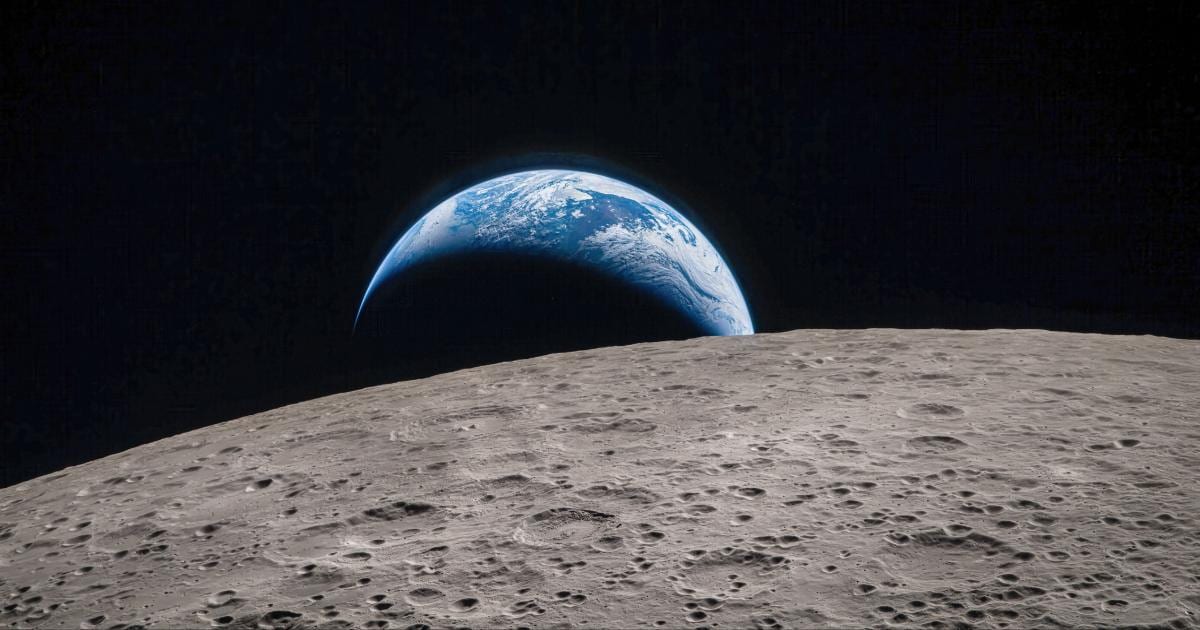
According to a new study published in Science Advances on March 25, 2026, which analyzed the readings from the Chinese lunar lander Chang’e 4, scientists have determined that the protective influence of the Earth’s magnetic field extends far beyond the lunar orbit. This means that ahead of NASA establishing a Moon Base in the southern polar region of our sole natural satellite, engineers will have to account for fewer galactic cosmic rays harming the astronauts and equipment than previously thought. NASA announced the commencement of phase 1 of building the Moon Base on March 24, 2026.
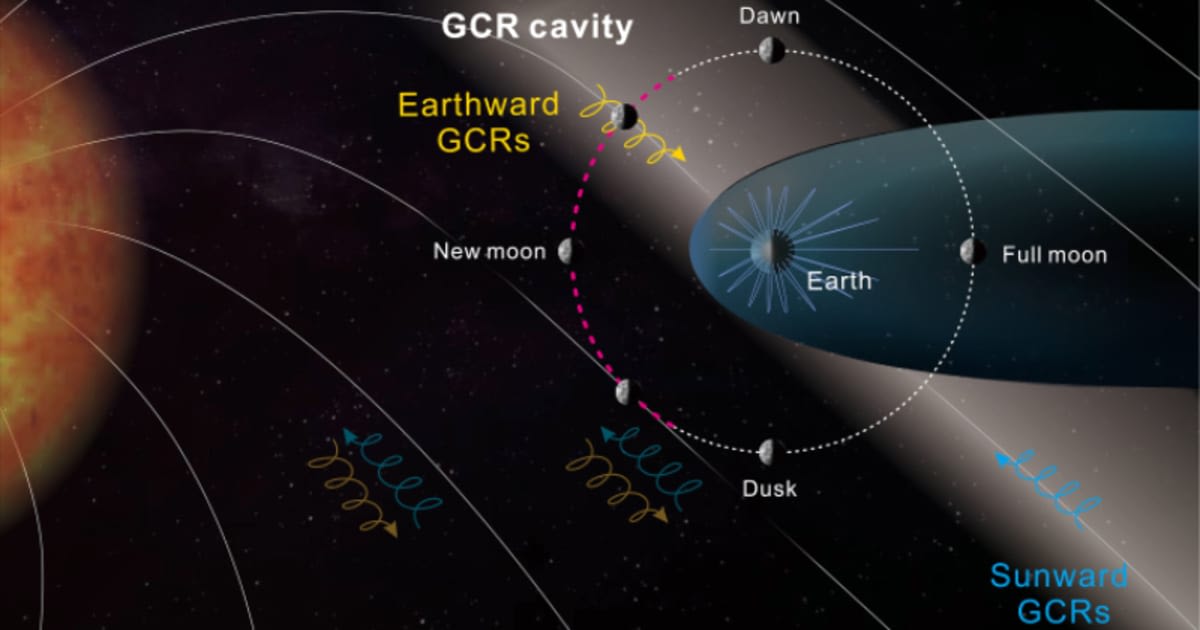
Chang’e 4 was the first lunar lander to find its way to the far side of the Moon. Among the many scientific instruments it was carrying was the Lunar Lander Neutron and Dosimetry experiment, aimed at measuring the radiation future astronauts might be subjected to on the Moon. Analysis of the readings from this experiment showed that there is an “energetic particle cavity” between Earth and the Moon, where cosmic rays are deflected by our planet's magnetic field. One of Chang’e 4’s upgraded iterations, Chang’e 7, is also currently slated to launch towards the south polar region of the Moon by the latter half of this year.
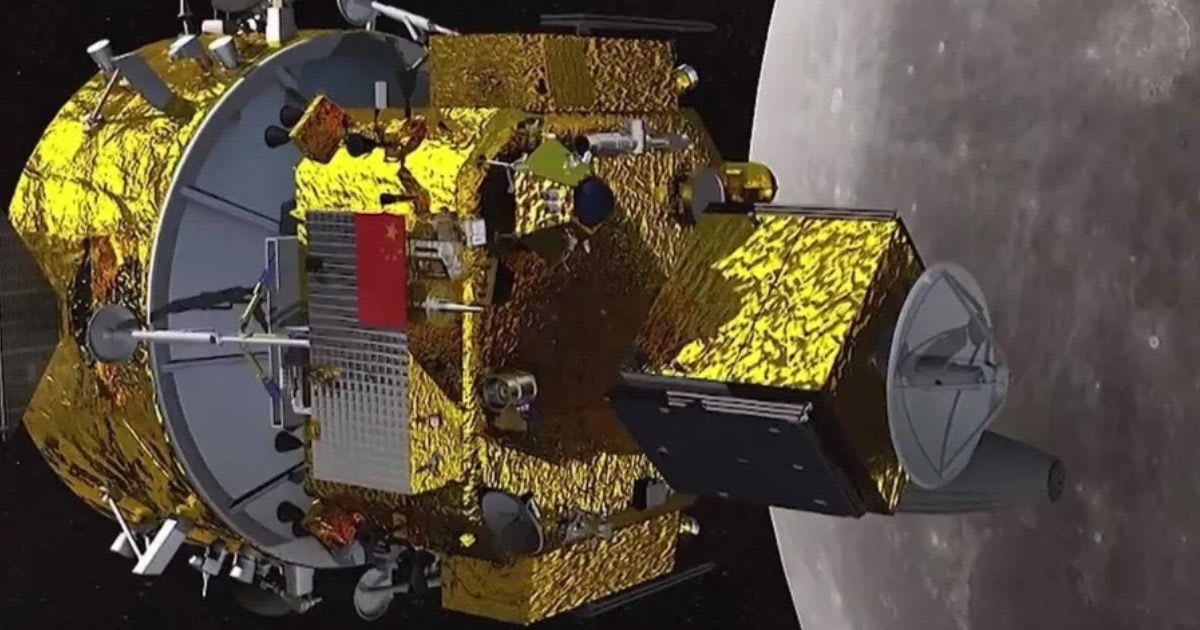
While scientists had noticed strange things about the observations of the experiment that suggested that the Moon was somewhat protected from galactic cosmic rays as far back as 2019, the finding was still very much a surprise. “Personally, I didn’t believe it for a long, long time. I thought it was an artifact in the data until we did a lot of statistical tests,” Robert Wimmer-Schweingruber, co-author of the study, told The Scientific American. A physicist at Kiel University in Germany, Wimmer-Schweingruber added, “These low-energy particles weren’t that interesting to us until we saw this effect, and then we realized this is actually important for the skin dose of astronauts.”

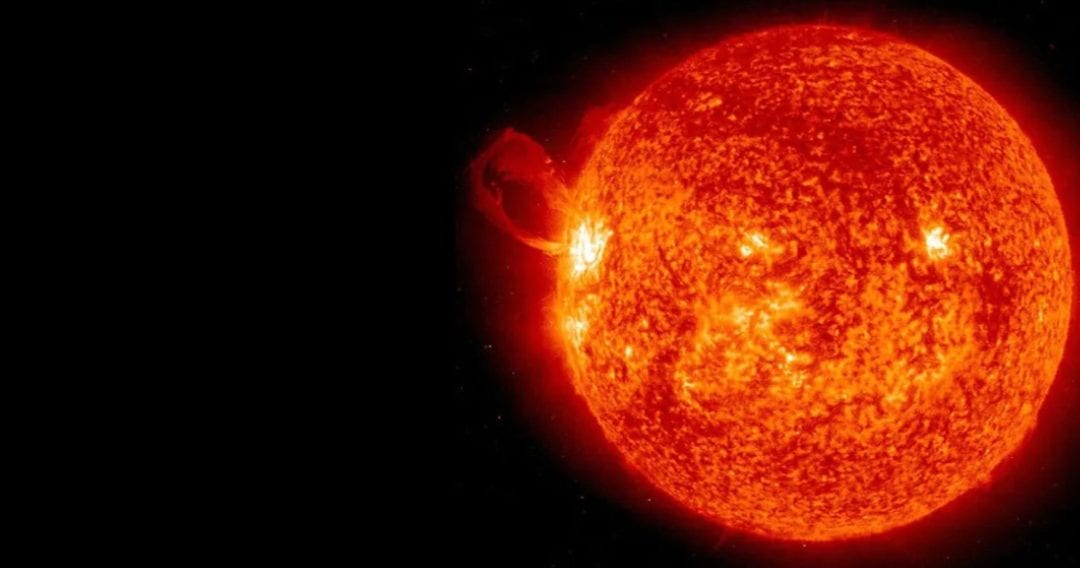
For the uninitiated, GCRs can originate from a whole host of sources in the universe, such as supernovae, black holes, or stars, including the Sun. And because they travel over a variety of distances, not all of the energy reaches our neighborhood. The higher energy particles whizz past the solar system, while the slower, lower-energy particles end up being the cause of the most concern to those exposed to them. As a result, this particular discovery could prove to be a huge factor in future lunar enterprises, and that includes NASA's Moon Base.
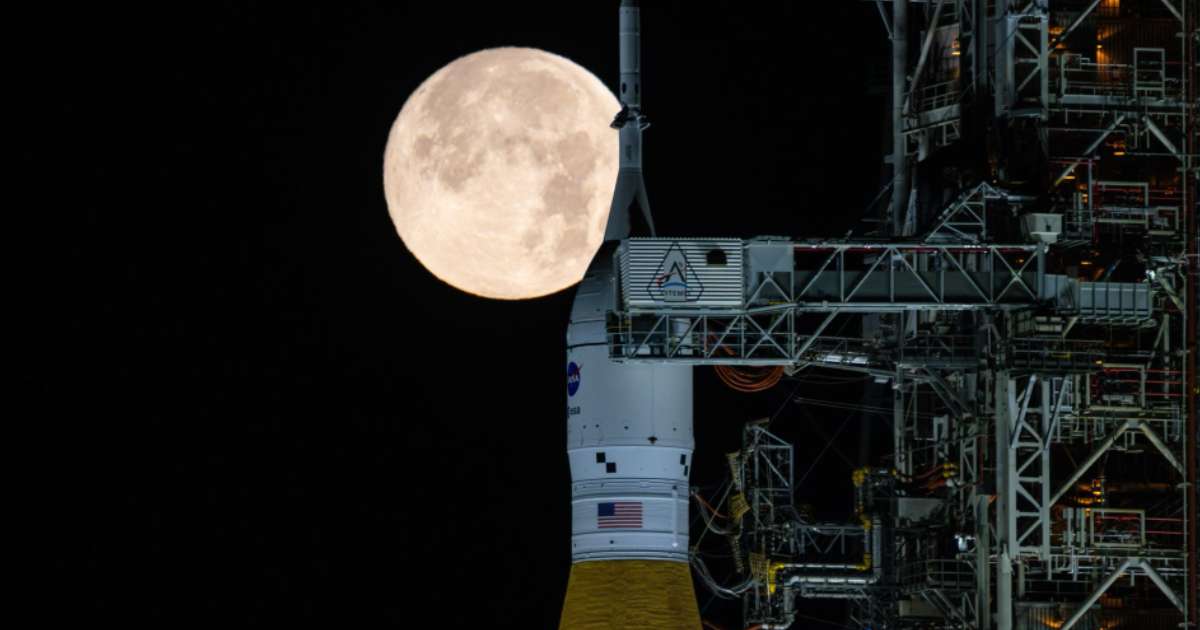
Artemis II is to become the first big step towards building the lunar habitat, following which the American space agency plans on sending missions to the Moon with an increased cadence. This upcoming mission is meant to test the life-sustaining capabilities of the Orion spacecraft, which will eventually return humans from the Moon on a free-return trajectory. Artemis III is expected to be launched in 2027 to test human landing systems, with Artemis IV, slated to launch the following year, potentially seeing NASA put astronauts on the Moon for the first time since the Apollo program.
More on Starlust
NASA 'pauses' Gateway lunar space station for Artemis, shifts focus to $20 billion moon base