
Nibedita Sen
Nibedita is a defence correspondent and aerospace journalist, trained by the Government of India in 2018, with over a decade of professional experience in journalism. She began her career as a cub writer with The Telegraph in Schools in 2007, steadily building a diverse and impactful body of work.
Over the years, she has received several accolades, including The Telegraph Award in 2014 for Best Cover Story, and the Best Journalist Award by the Government of Goa for her work in public health and hygiene in 2018, followed by recognition for rural reporting in 2019.
Her work reflects a commitment to continuous learning and evolving beyond achievements. Her articles on climate change and environmental issues have been published in leading platforms such as The Jerusalem Post, TRT World, Down To Earth, The Sikkim Chronicles, Gomantak Times, and several other regional newspapers, websites, and digital portals.
Latest From Nibedita Sen
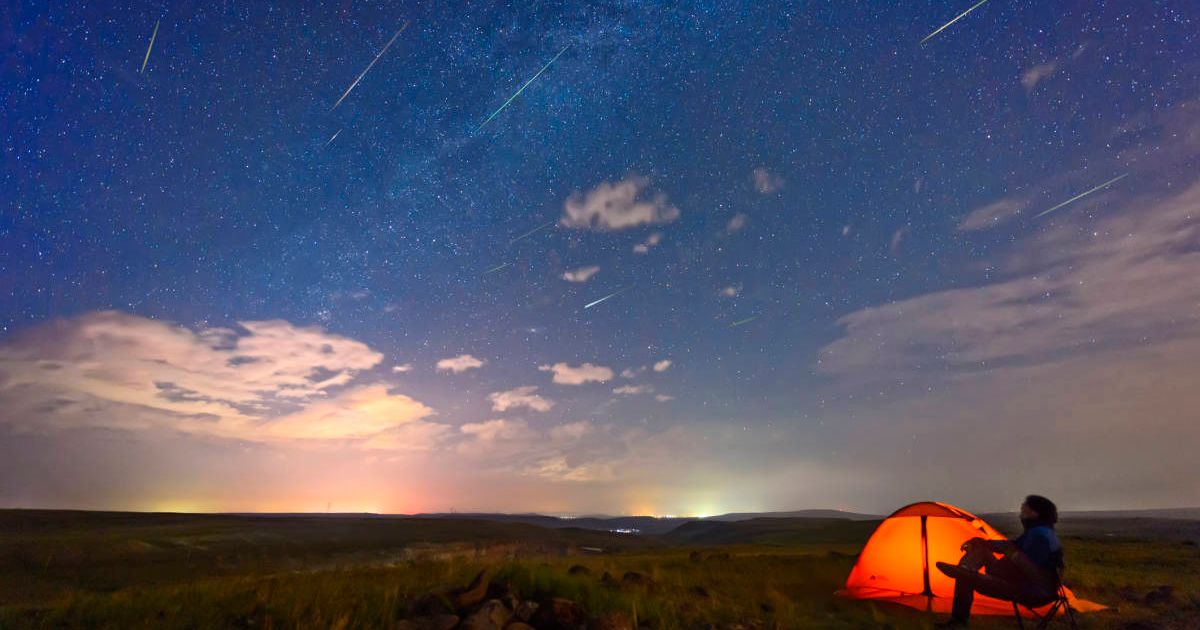
Meteor showers, Supermoons, and planetary alignments: Top skywatching events between June and December 2026
The first half of 2026 had a lot for skywatchers. And the second half of the year isn't going to be too different either.
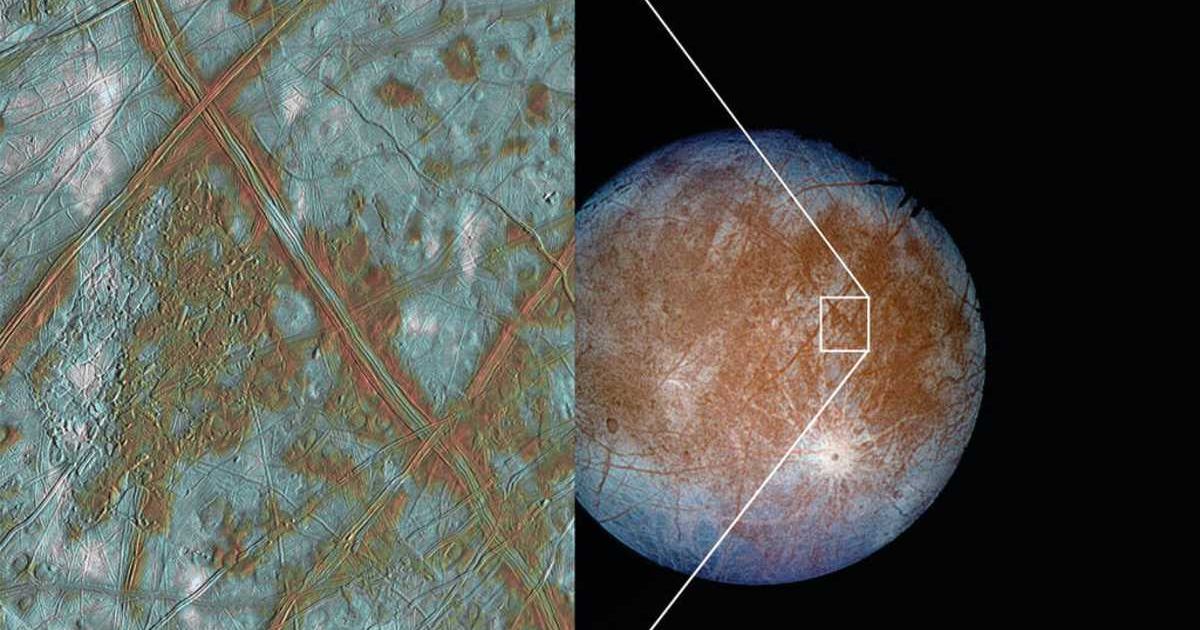
Water vapor plumes on Europa? New study questions earlier 'evidence' gleaned from Hubble data
Reanalysis of 14 years of Hubble data has weakened evidence of Europa’s hypothesized water plumes.
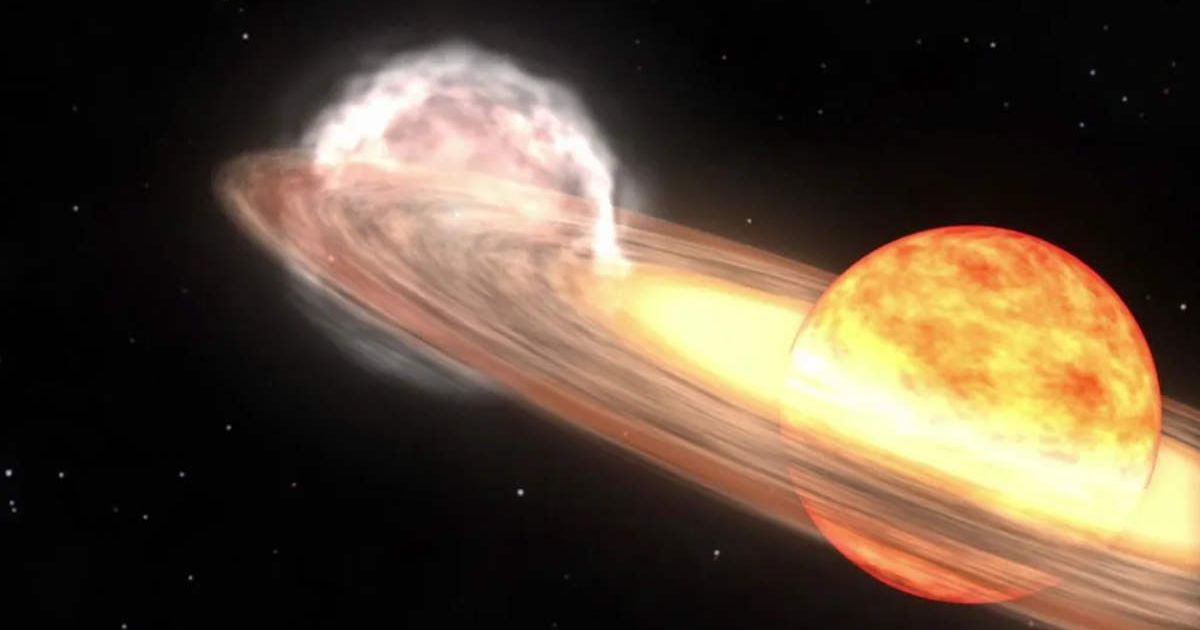
The Blaze Star could explode this year, but will it be visible from Earth? Here's all you need to know
The Blaze Star's previous known explosion is said to have taken place 80 years ago in 1946.
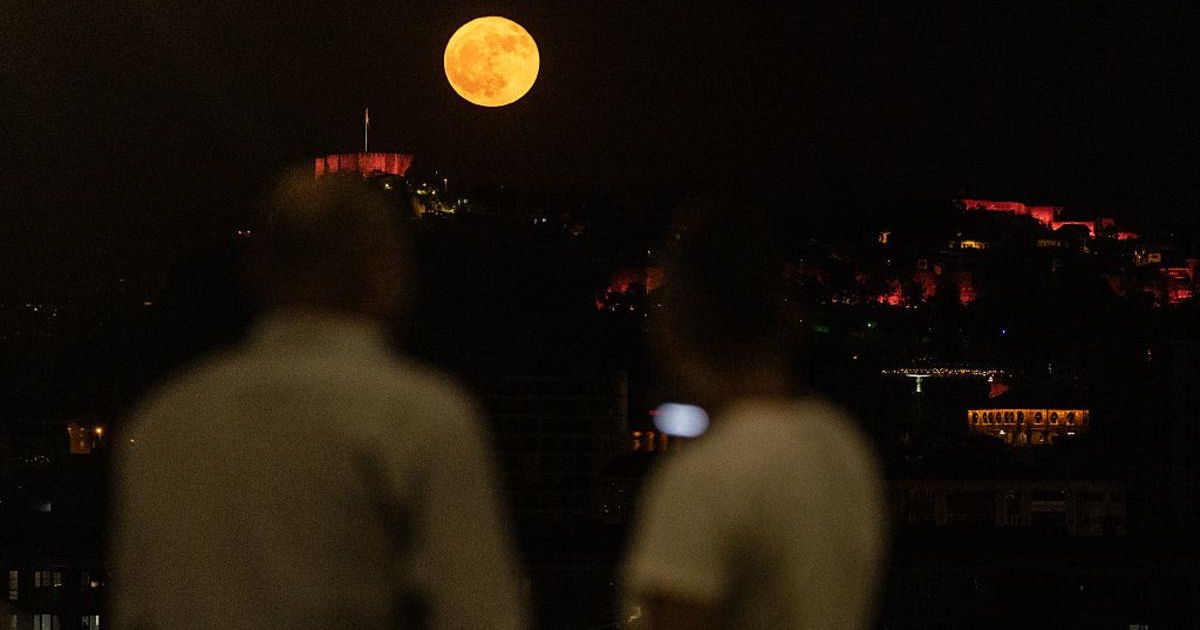
May 31 'Blue Moon' is also going to be a 'Micromoon'—here's what it means
The May 31 Full Moon will be the most distant Full Moon of 2026.
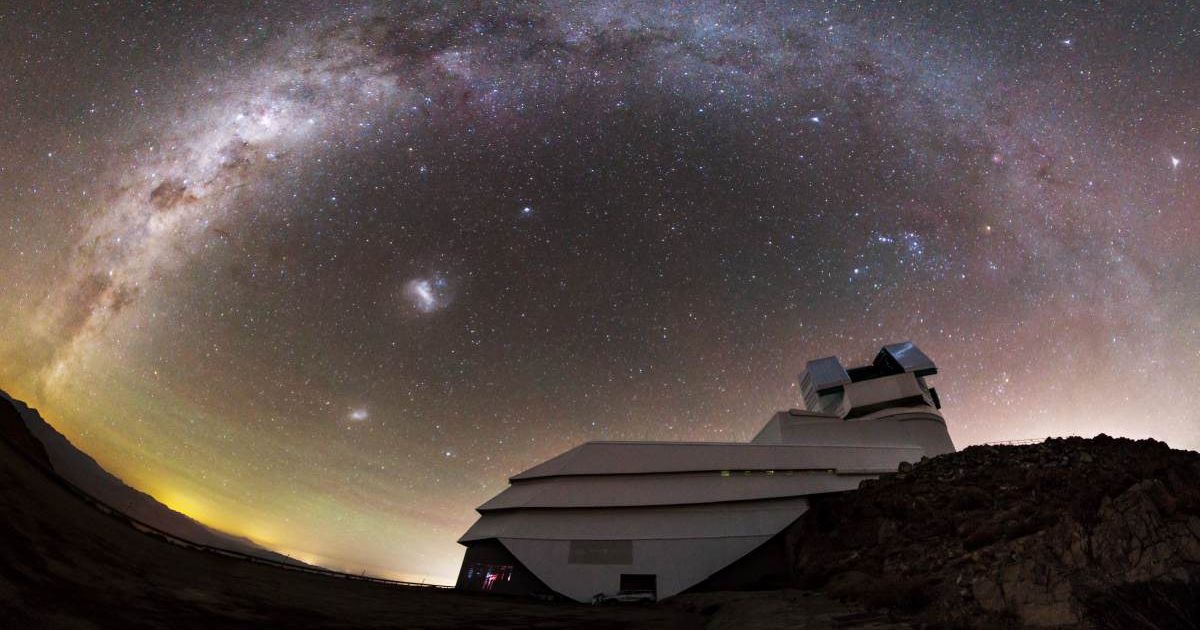
Skywatching tips for May 2026: What's next after the Flower Moon and the Eta Aquariids?
Here are the four events that skywatchers should look forward to as the month of May nears its halfway mark.
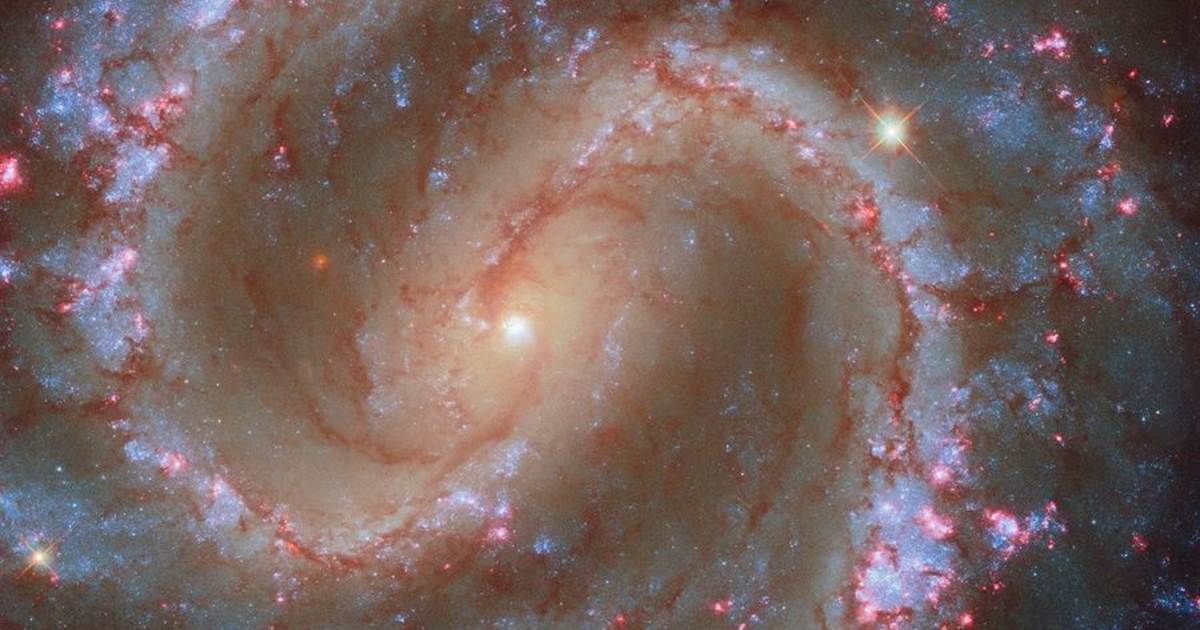
Astronomers identify 20 stars as remnants of Loki, a dwarf galaxy consumed by the Milky Way
This discovery of ancient stars provides insights into the chaotic evolution of the early Milky Way.
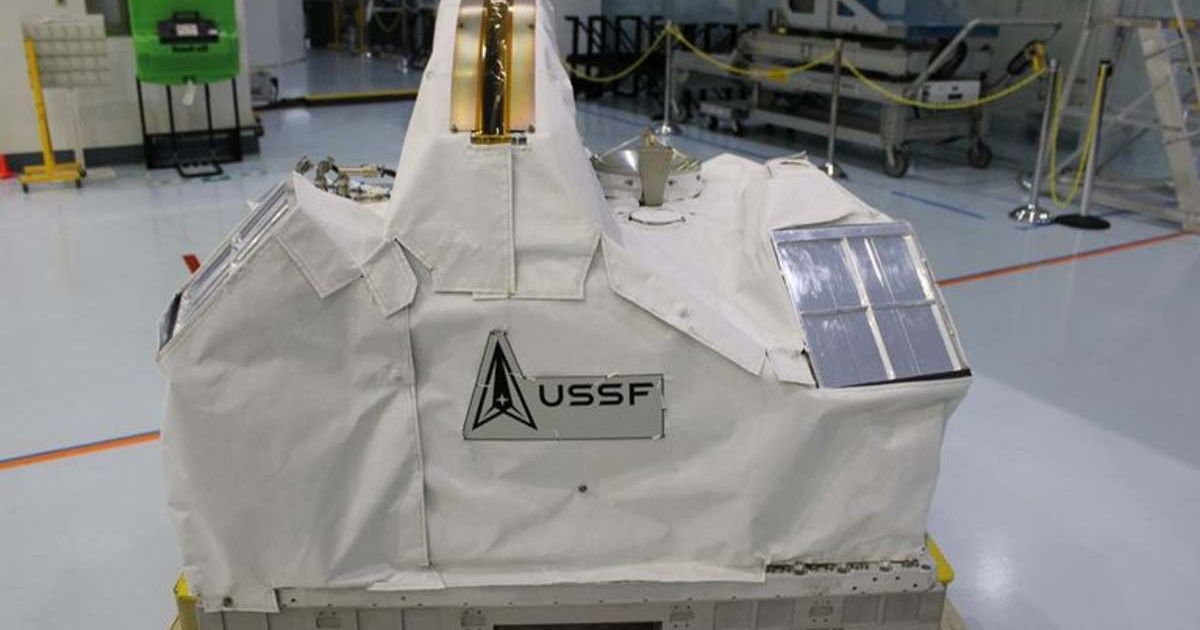
NASA's new STORIE mission to provide fresh inside-out view of 'space doughnut' around Earth
The STORIE instrument will be installed on the exterior of the International Space Station, from where it will measure the speed and direction of energetic neutral atoms in the ring current.
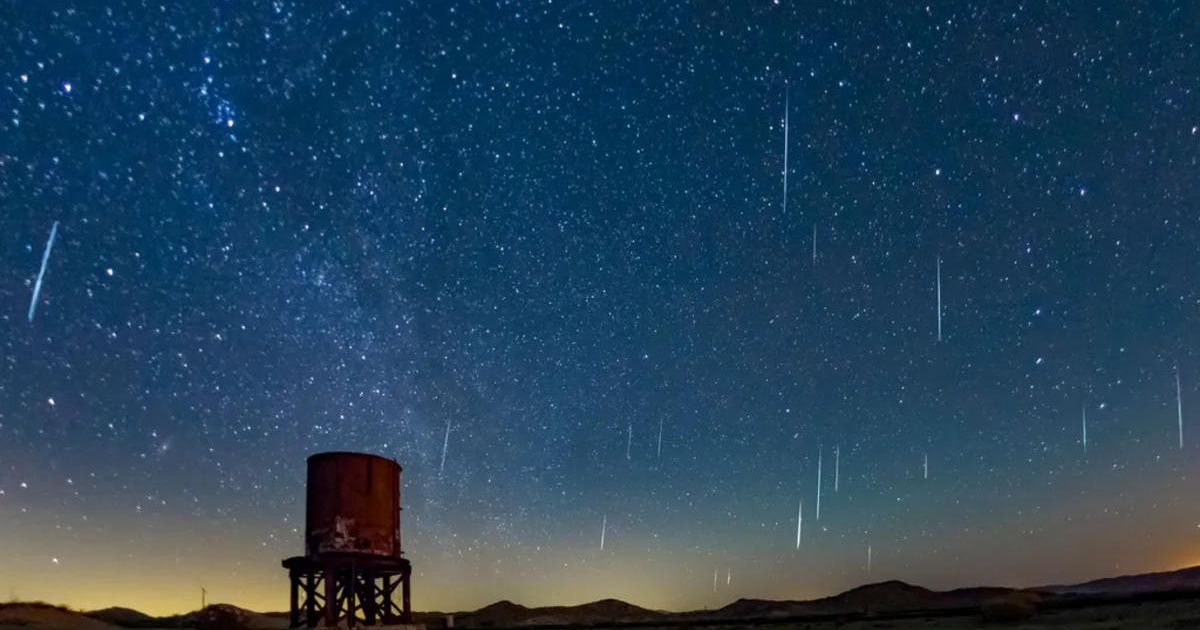
The Eta Aquariid meteor shower will peak on May 6, 2026. Here's all you need to know
Moonlight may affect the visibility of the Eta Aquariids meteor shower this year. Check details here
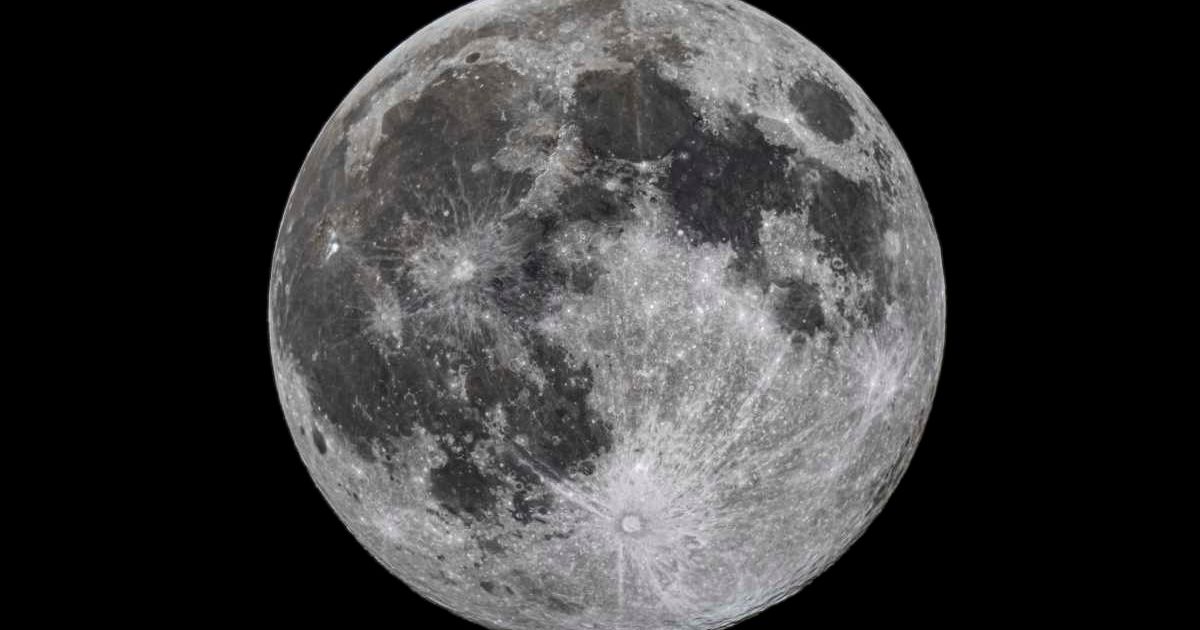
SpaceX Falcon 9 rocket to collide with Moon on 5 August, 2026: Impact time, risks—everything to know
The Falcon 9's upper stage will hit the Moon at seven times the speed of sound. Details here.
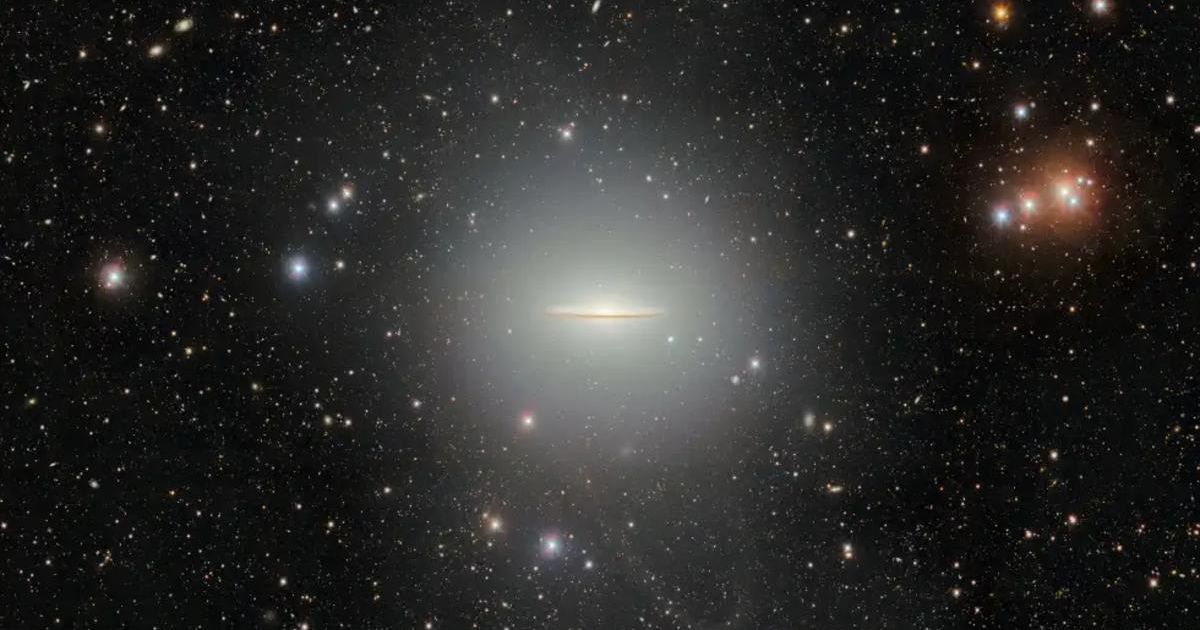
Astronomers uncover Sombrero Galaxy’s elusive halo in unprecedented detail using Dark Energy Camera
570MP DECam image unveils giant halo, star stream, and clues to ancient galactic collision.
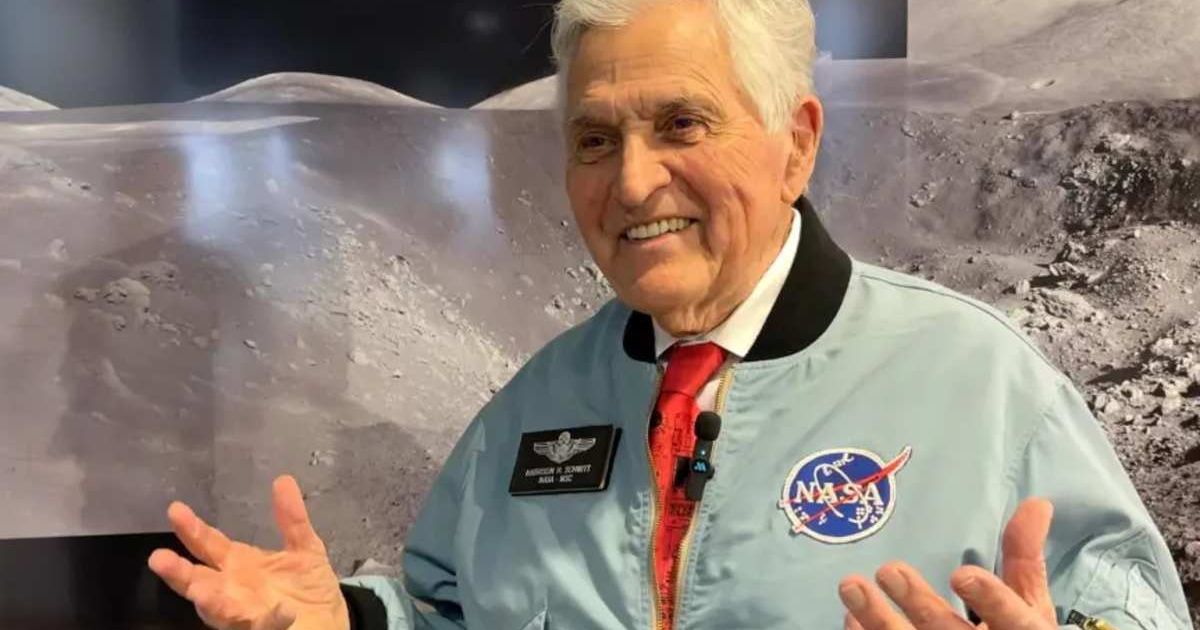
Even at 90, Apollo 17 astronaut Harrison Schmitt would be more than happy to go back to the Moon
Apollo 17 astronaut Harrison 'Jack' Schmitt explains why exploring the Moon continues to be important.
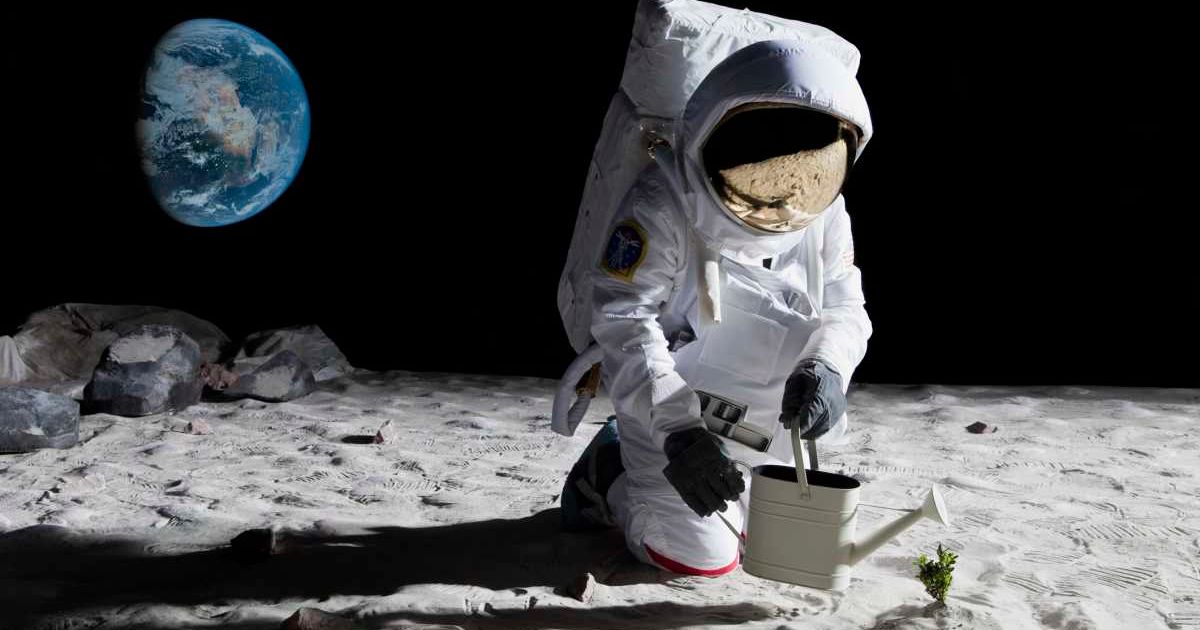
Scientists turn lunar dust from a threat into a building material for Moon bases
New study shows abrasive lunar regolith can boost composites, cutting cost for future Moon missions
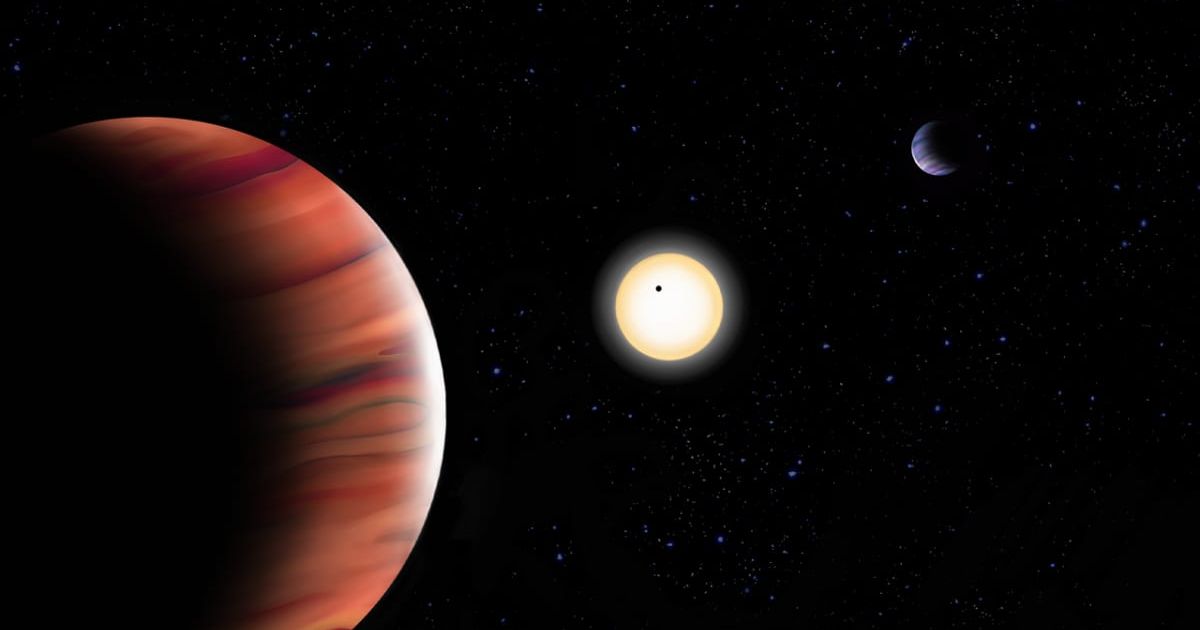
Scientists discover an exoplanet system that is constantly changing on human timescales
TOI-201 is one of the few systems whose changes can be observed by humans in real time.
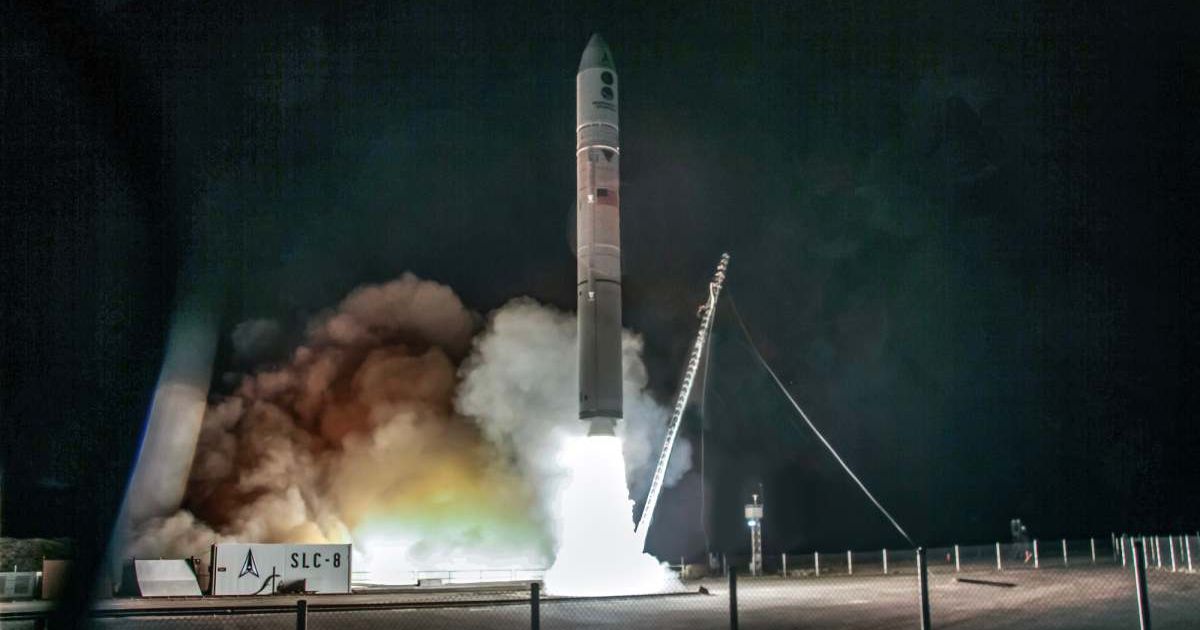
NASA launches CANVAS CubeSat to track lightning-born radio waves from Earth into space
The mission will study very low frequency waves to map impact on satellites, GPS, and space weather.
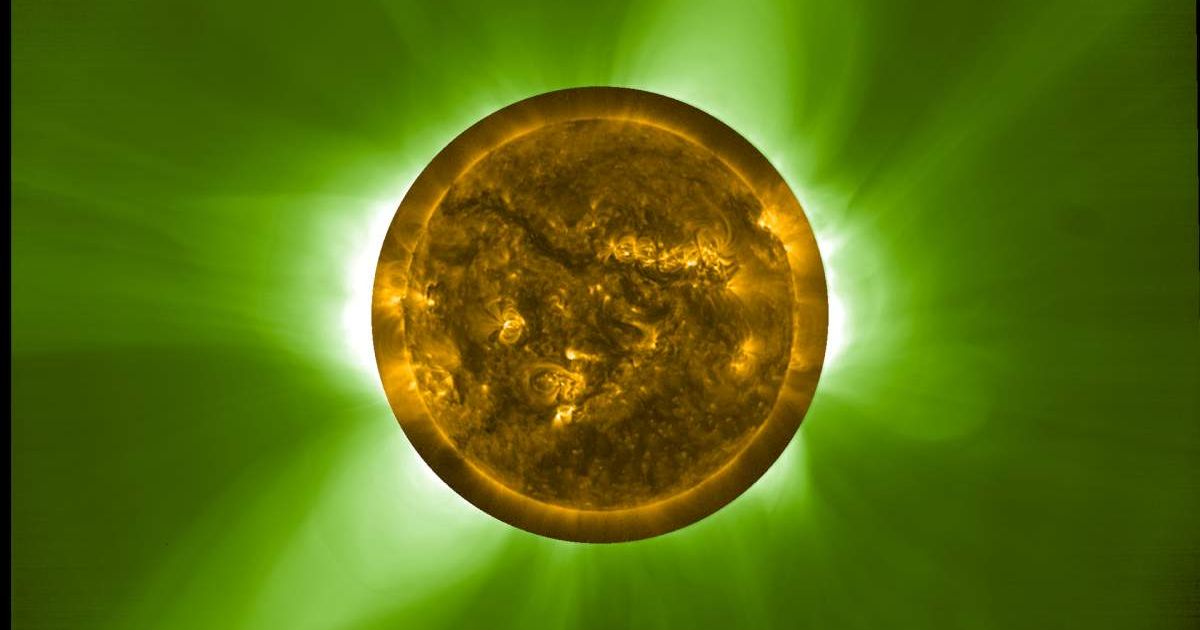
Are slow solar winds really that slow? ESA's Proba-3 makes surprising revelation
“In the inner corona, a region very difficult to observe, we saw slow solar wind gusts moving three to four times faster than expected.”
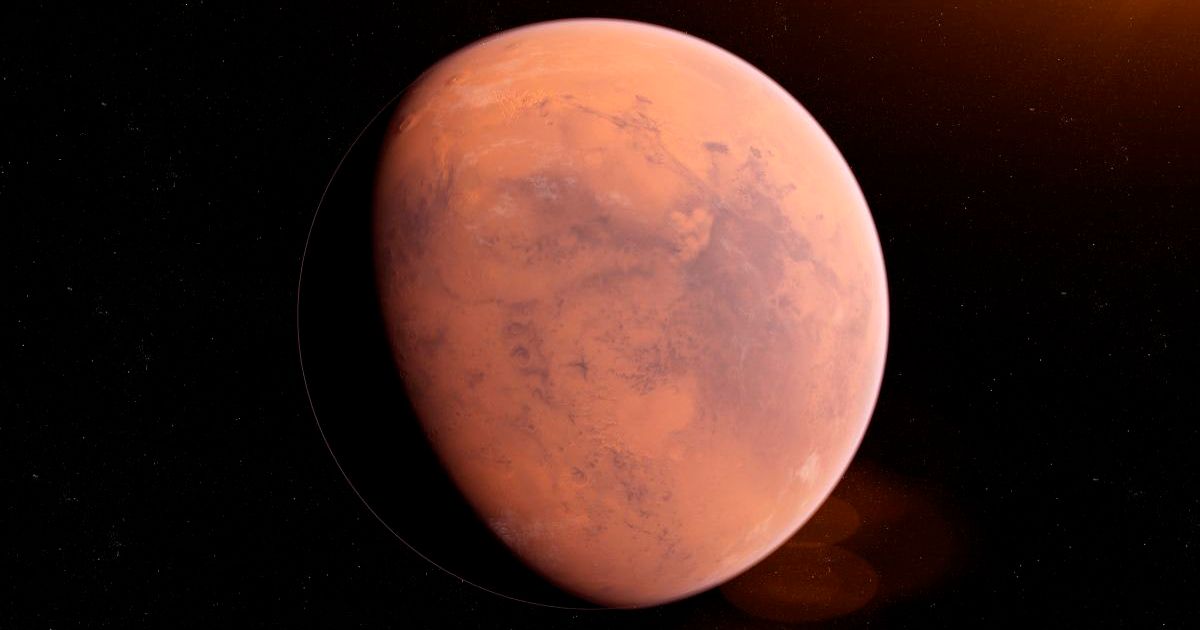
Hidden waves in Mars' ionosphere reveal secrets of the planet’s magnetic field
A study finds atmospheric waves alter electron content, helping scientists map the hidden magnetic fields on Mars.
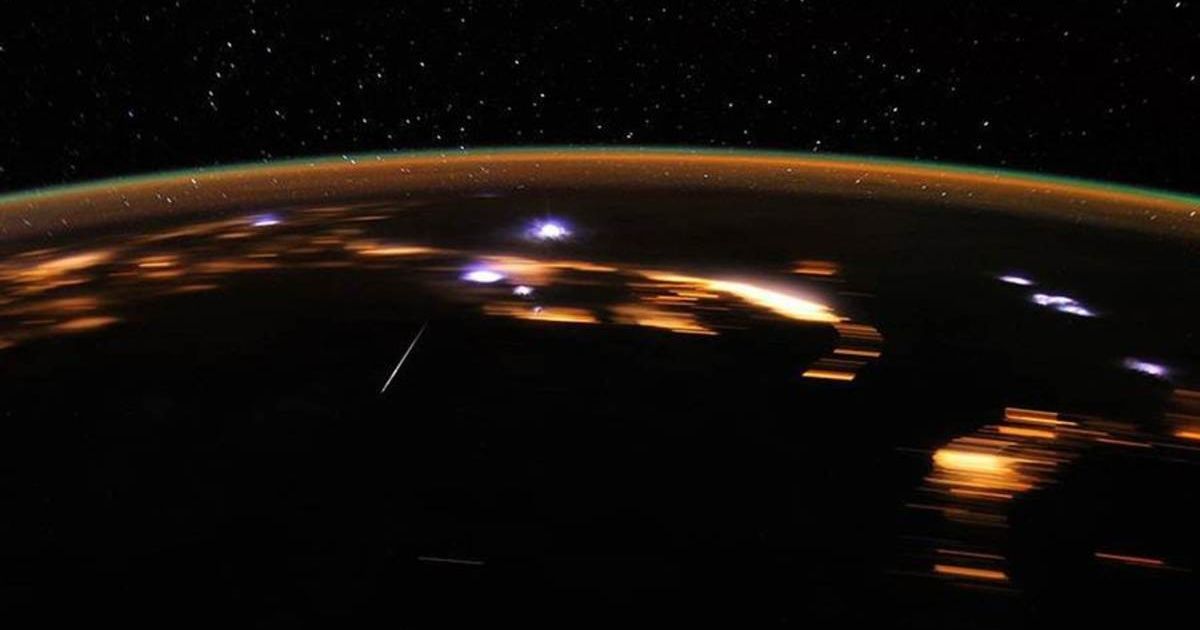
The Lyrid meteor shower will peak later this month: Here's all you need to know
The shower is best seen in the Northern Hemisphere with low moonlight and bright fireballs.
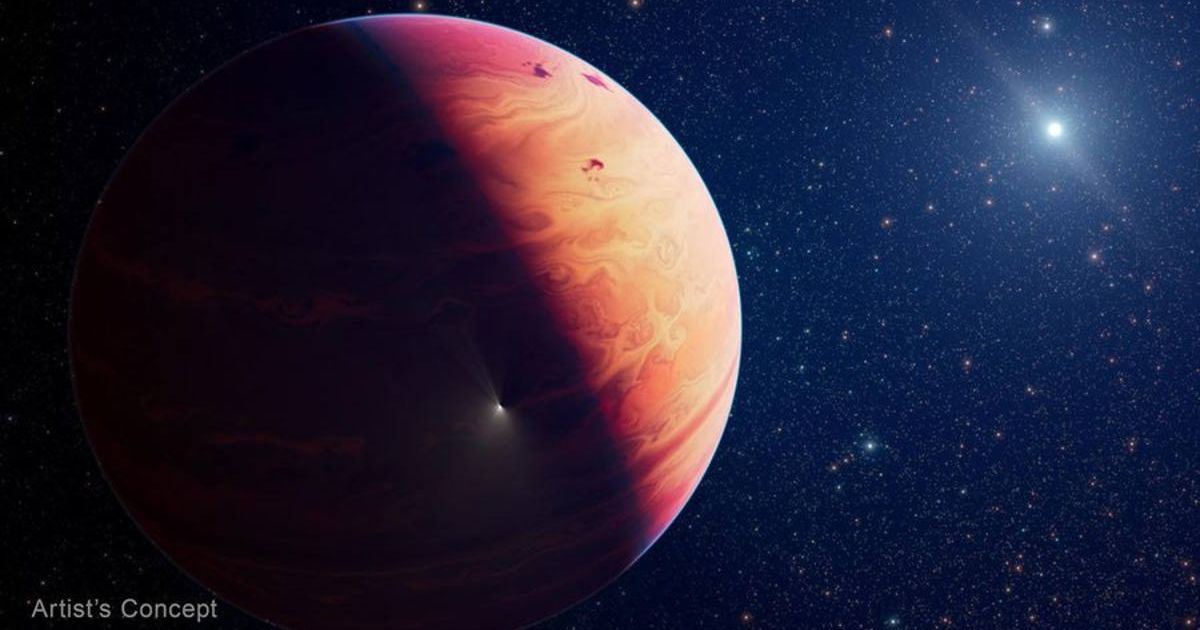
Is it a star or a planet? What NASA's James Webb Space Telescope found as it looked into 29 Cygni b
29 Cygni b is 15 times the weight of Jupiter and occupies a borderline position between a star and a massive planet.
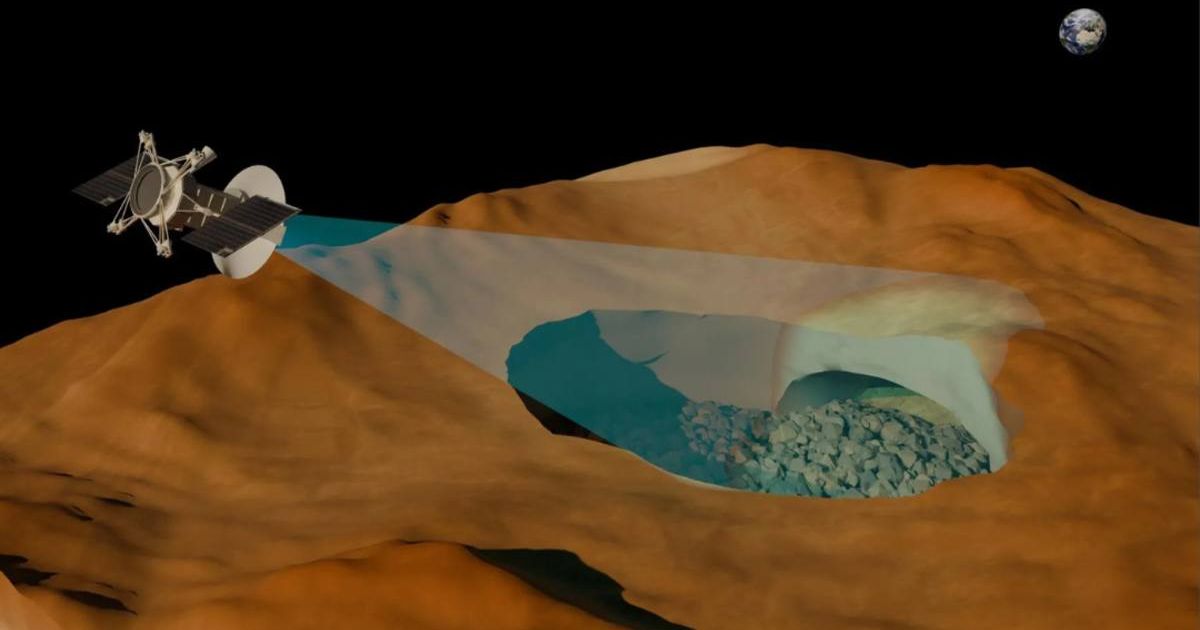
A giant volcanic tunnel on Venus has been confirmed. It dwarfs Earth’s caves.
NASA radar data show a huge underground feature beneath Nyx Mons that changes Venus' geology.
Flower Moon and Blue Moon 2026: Dates, time and how to watch May’s two stunning full moons
This occurs when the Moon’s 29.5-day cycle doesn’t align exactly with the calendar month, allowing two full moons to fall within the same month.