Could scientists have missed signs of alien life? Study highlights risk of 'false negatives'
Life may not be as rare as we think. It may lurk somewhere beneath the dusty, barren landscape of Mars, hide under the icy shell of Europa, or drift through the atmosphere of a distant exoplanet. The problem? We may simply be failing to detect it. According to a new study published in Nature Astronomy, a research team from Utrecht University and the University of Amsterdam warns that the greatest danger in the search for extraterrestrial life may not be false excitement, but silent failure. For decades, astrobiologists have been terrified of "false positives"—strange chemistry mistakenly interpreted as biology. The opposite scenario, known as a "false negative," has received far less attention. A false negative occurs when life is (or was) present, yet our instruments, theories, or assumptions miss the signs.
“We should be aware of these false-negative results,” said lead author Inge Loes ten Kate, a professor of astrobiology at Utrecht University and the University of Amsterdam. “It means there are shortcomings in recognizing the existence of life. These shortcomings are not yet high on the research agenda.” Multiple factors can lead to a false negative. The specific geological environments we sample may have failed to preserve biological traces, the remnants might be too faint to detect, or our instruments might be looking for the wrong signatures altogether. “We therefore advocate for the development of a targeted research strategy that systematically addresses these risks, in which we must combine laboratory experiments with modeling research and fieldwork,” Ten Kate added.
Currently, space missions and their onboard instruments are designed to detect widely accepted, potential signs of life, but the inherent risk of overlooking something unfamiliar is rarely factored in. The team argues that the search should be driven by better-defined questions and testable hypotheses to justify specific observation targets. To combat this blind spot, AI-based pattern recognition could help scientists identify subtle or completely unfamiliar signals that human researchers might miss. Instead of searching exclusively for predefined biosignatures based on Earth-centric biology, AI could detect hidden relationships or recurring anomalies in the data. “Because then you might well uncover things that we would never be able to see on our own," Ten Kate pointed out. "And with new observations, you can then work out how and where they fit into such a pattern,” she added.
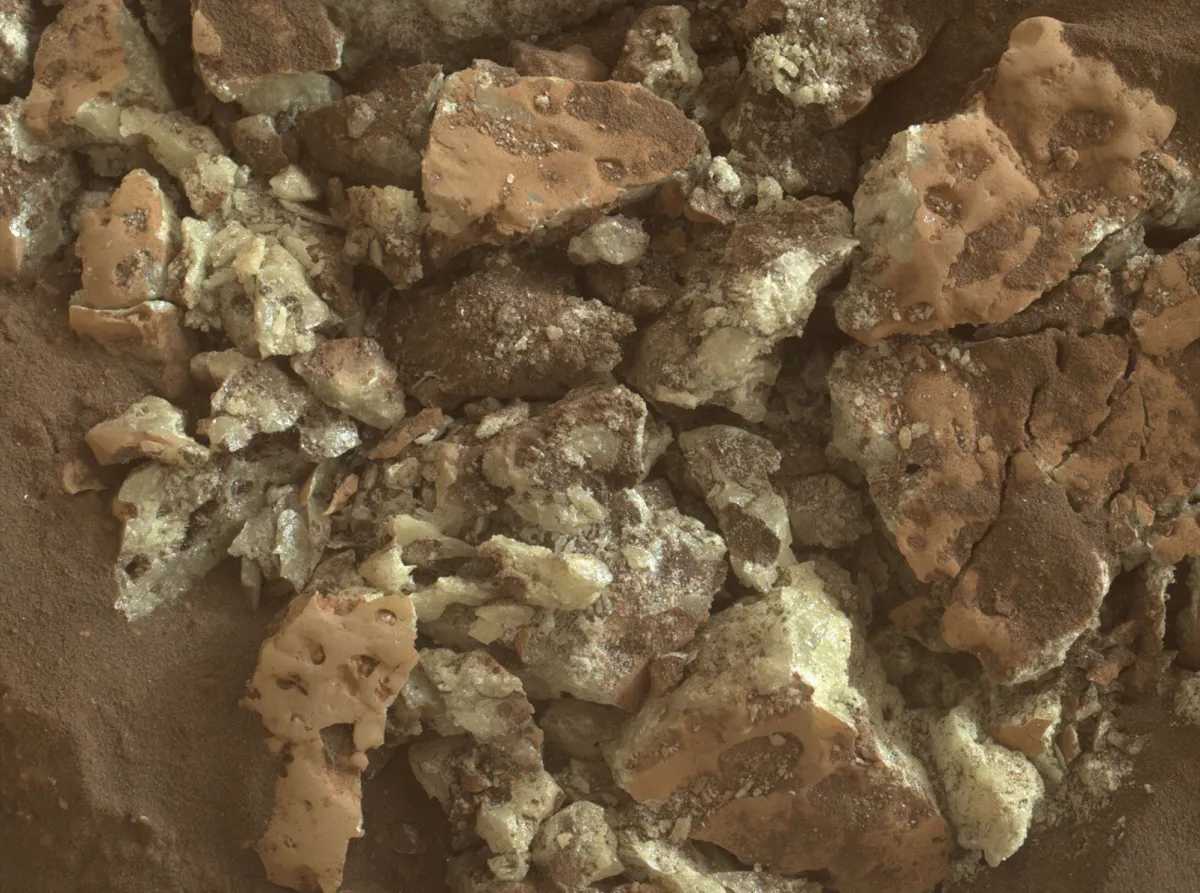
Failing to account for false negatives fundamentally skews mission priorities. Researchers might assign low importance to certain instruments or overlook promising environments simply because standard techniques wouldn't work there. “A simplified example: if there is life under a rock, and you only look at that rock from above, that life will go unnoticed,” Ten Kate explained. “So, investigate thoroughly whether the conditions for the existence of life forms are present in the environment, and whether you can recognize patterns on the surface of a celestial body.”
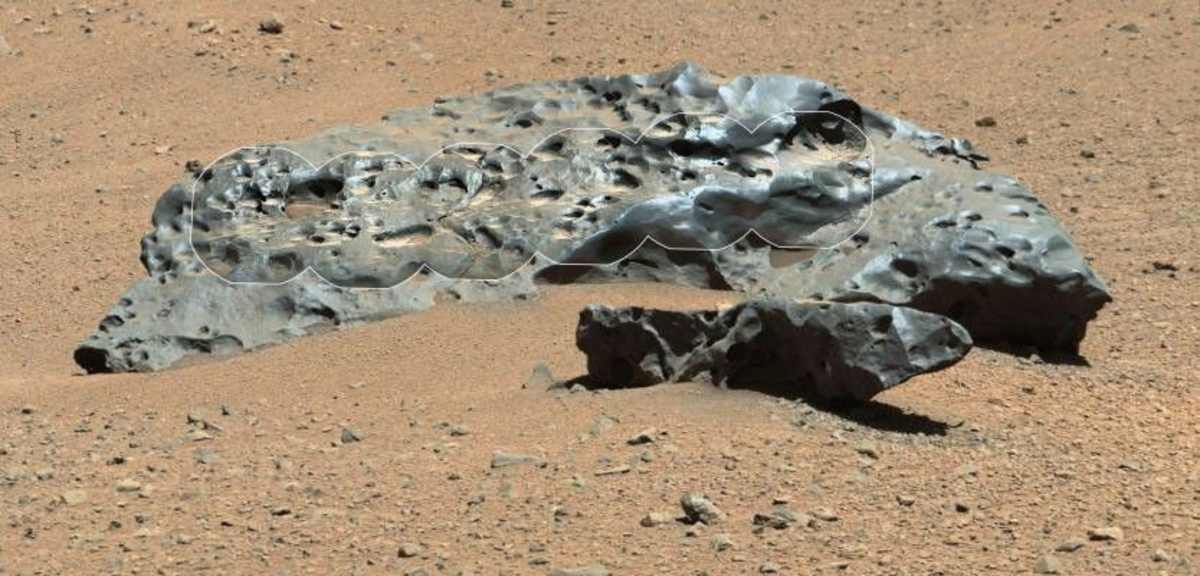
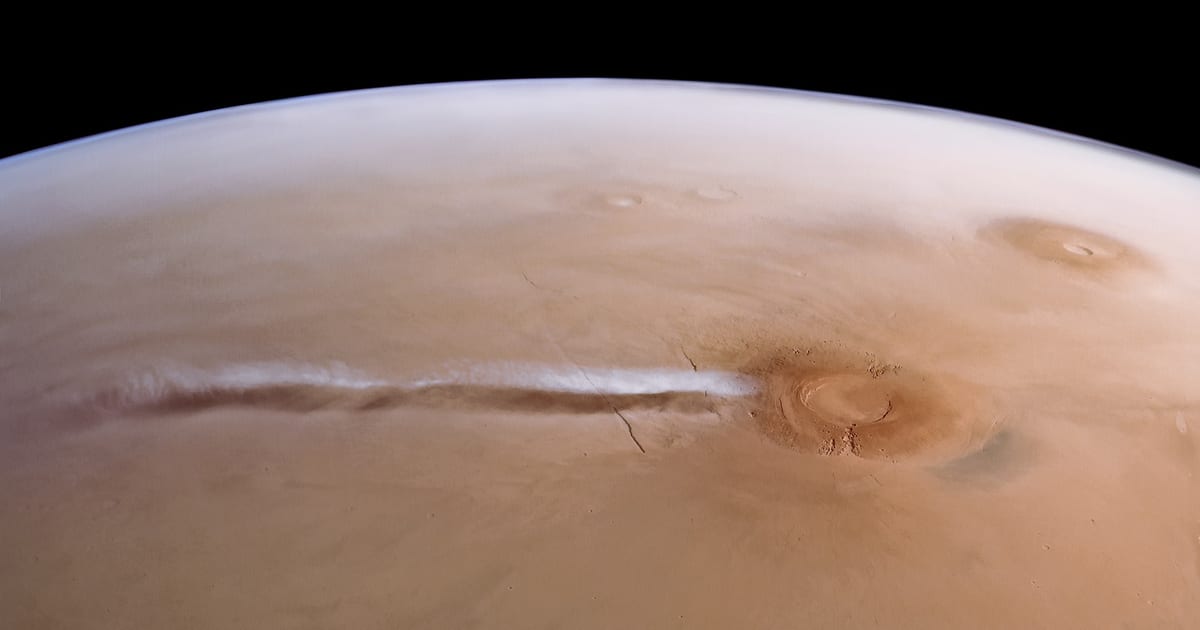
But how do we probe for life that remains effectively invisible to our preconceived notions? “That question goes to the heart of our problem, because we tend to look for things we already know," Ten Kate said. "We therefore need to understand very clearly what kind of life is possible in a particular place, what the conditions for that life are, and how we can recognize the traces of that life. And even then, we might overlook things.” She cited the example of highly oxidized, iron-bearing minerals recently discovered on Mars. These minerals exhibit an oxidation state drastically different from that of the surrounding rocks. “On Earth, we only see such differing oxidation as a result of the presence of life. But does that necessarily mean that we are dealing with life in an extraterrestrial context?”
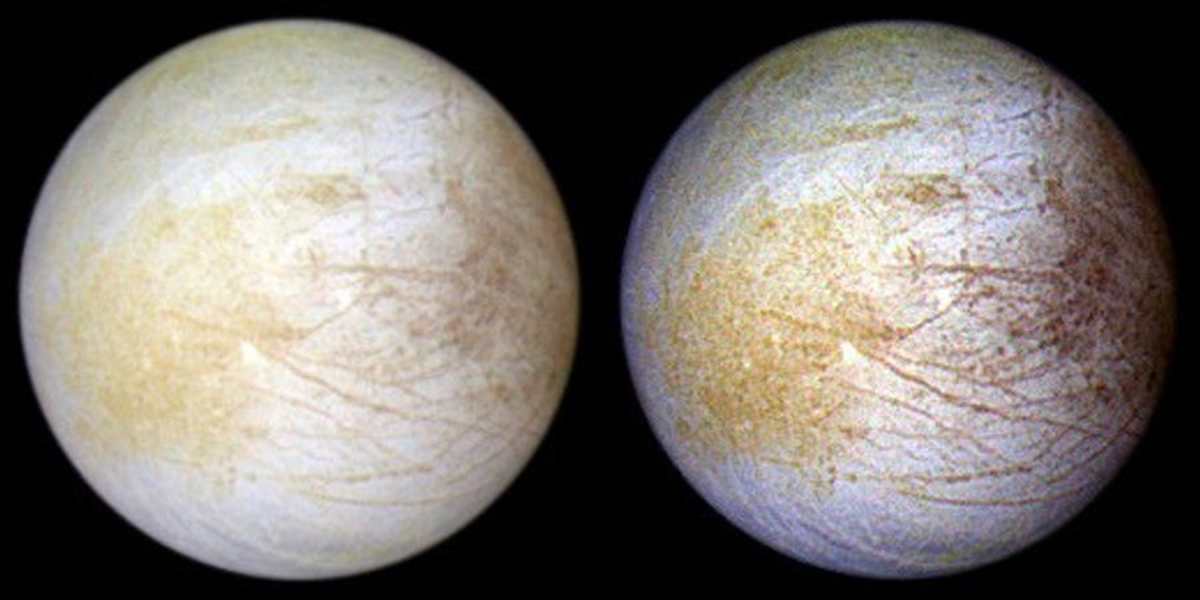
While these anomalous minerals are not definitively a false negative—because scientists do not yet know how they formed—they perfectly illustrate the risk. If astrobiologists simply dismiss them as the outcome of a weird abiotic process to avoid a false positive, and do not investigate further, it could inadvertently become a false negative. “So, we need to understand even better how the geochemistry works, and how the underlying chemical reactions operate in such situations," Ten Kate noted. "That will also help you try to rule out false-negative results,” she explained.
More on Starlust
We may be missing signals from alien civilizations. Astronomer reveals why