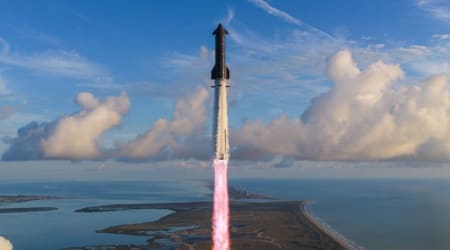
NASA's Artemis III update: Two of the four RS-25 engines arrive at Kennedy Space Center
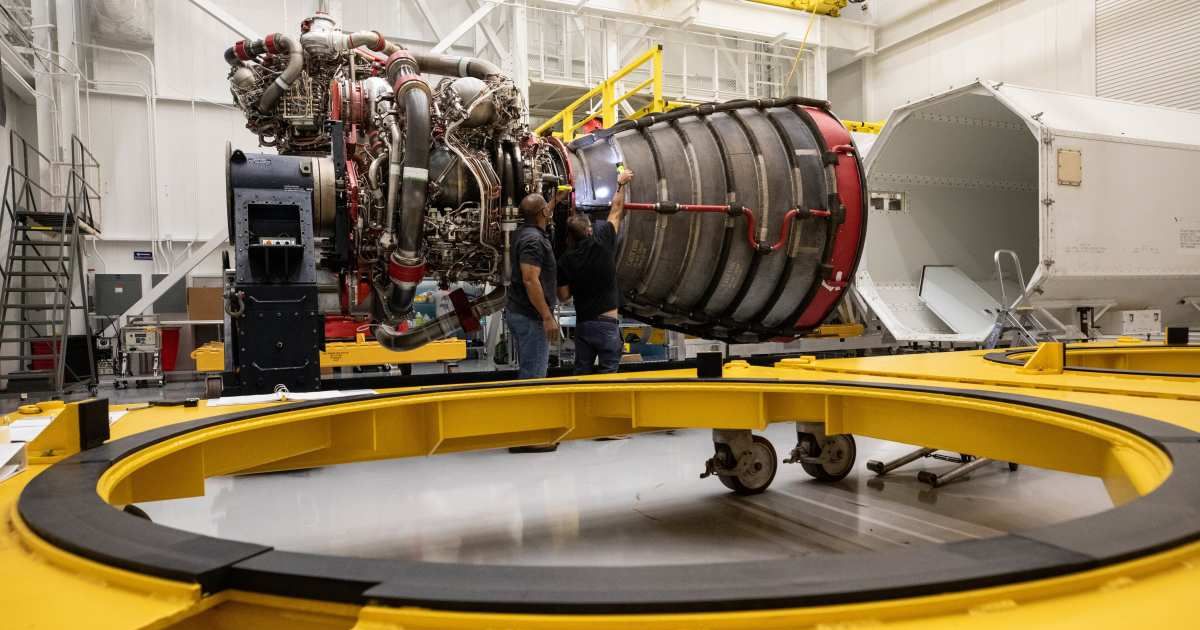
NASA has received the second of four RS-25 engines at the Kennedy Space Center in Florida, marking another important step in the assembly of the Space Launch System (SLS) rocket for the upcoming Artemis III mission. The engine was offloaded inside the Vehicle Assembly Building on June 23, 2026, following the arrival of the first engine just a week earlier. This update comes on the heels of a series of logistical milestones for the agency, including the delivery of the massive SLS core stage in April, and the solid rocket booster segments last month. Technicians are now preparing to integrate and stack these elements to get the giant Moon rocket ready for its journey to Earth orbit.
Two of the four RS-25 engines that will help launch @NASAArtemis III have arrived at @NASAKennedy. Together, the engines generate over 2 million pounds of thrust at liftoff, powering the SLS rocket for the first 8 minutes of flight.
— NASA Marshall (@NASA_Marshall) July 2, 2026
🔗 https://t.co/njPcmlrih0 pic.twitter.com/slppTn006w
As a class of engines, the RS-25 powered all 135 Space Shuttle missions, making it one of the most thoroughly tested large rocket engines in history. The engine's extensive legacy includes over 3,000 starts and more than a million seconds of combined ground and flight firing time. For the Artemis missions, the four core-stage engines will ignite for eight minutes, collectively contributing 2 million pounds of thrust to the rocket's overall 8.8 million pounds of maximum thrust generated at liftoff. Maintained and delivered by the Florida-headquartered company L3Harris (which acquired the engine’s original manufacturer, Aerojet Rocketdyne), each engine weighs exactly 7,750 pounds, measures roughly 14 feet long, and is a little less than 8 feet in diameter.
Artemis III is coming together, piece by piece.
— NASA Artemis (@NASAArtemis) June 26, 2026
The second of four RS-25 rocket engines was recently offloaded at @NASAKennedy. These rocket engines will power the Space Launch System rocket during the launch of Artemis III, propelling the Orion spacecraft into Earth orbit. pic.twitter.com/E8nDwUAt19
About Artemis III mission's SLS rocket
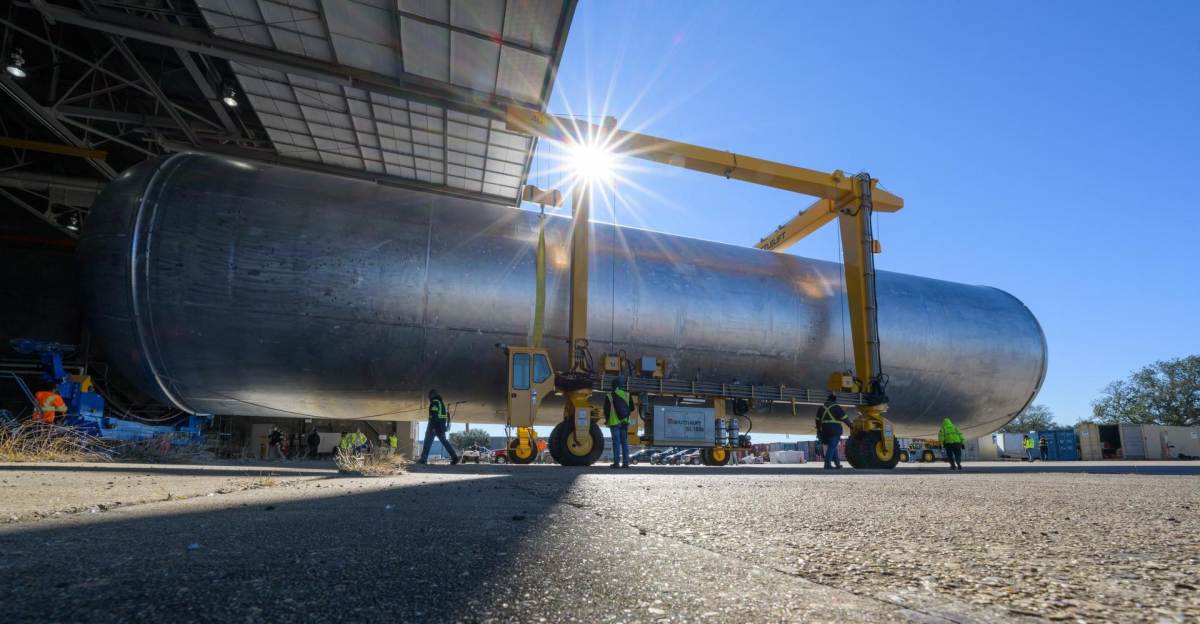
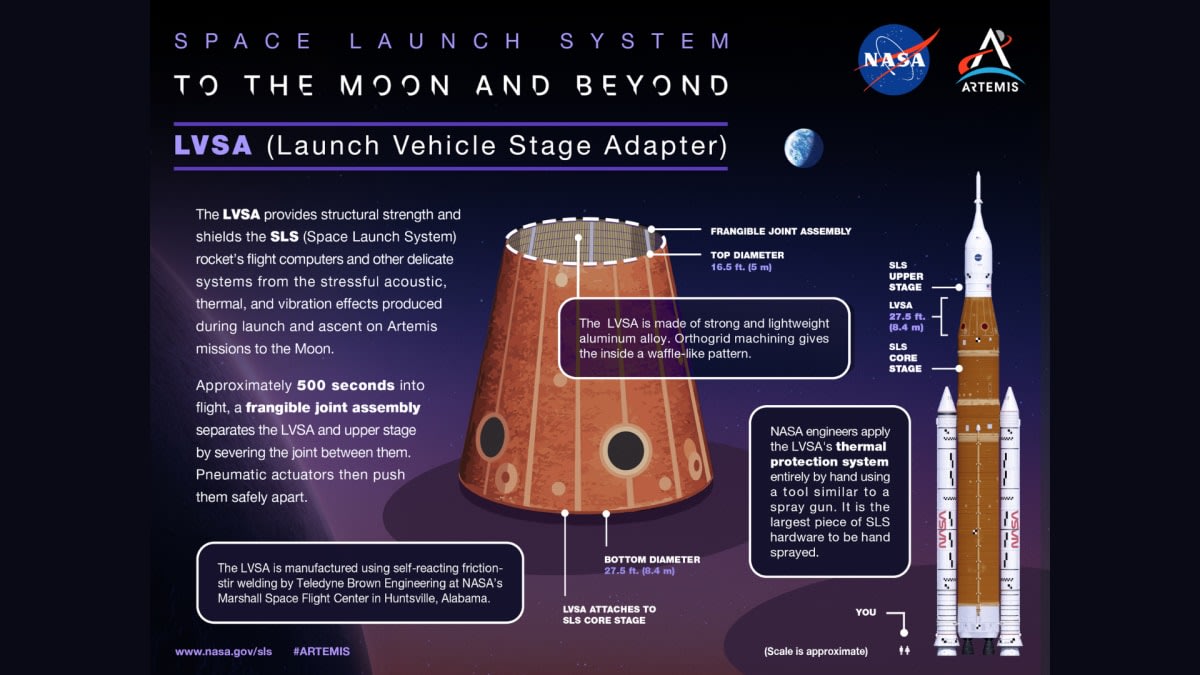
For next year's Artemis III crewed flight, NASA will employ the SLS rocket in a configuration noticeably different from Artemis II's SLS rocket. Instead of utilizing a fully functional interim cryogenic propulsion stage (ICPS)—or the upper stage—engineers will substitute an inert structural spacer that lacks independent propulsion. This spacer is meant simply to replicate the dimensions and interface connection points of the standard upper stage between the Orion stage adapter and the launch vehicle stage adapter. Once the rocket delivers the Orion capsule and its four Artemis III crew members into space, the spacecraft's European Service Module will provide the remaining propulsive burn needed to make the orbit circular.

Choosing low Earth orbit for the mission's operations will allow NASA to test advanced rendezvous and docking capabilities with lunar landers, or Human Landing Systems (HLS). Long after the RS-25 engines have shut down and the Orion spacecraft finds itself floating free, it will interact with the SpaceX-built Starship HLS test article and Blue Origin's Blue Moon pathfinder. As per the concept of operations divulged so far, the crew will participate in a two-day docking period with the latter. During this window, the astronauts will open the hatch and physically enter the Blue Moon test article to evaluate its life-support and operational systems. A separate, day-long docking maneuver will also be performed between Orion and Starship HLS (though without entering, as the pathfinder lacks a crew cabin). These are fundamental spacecraft maneuvering skills that will be required when the Artemis program turns its attention towards the Moon again for Artemis IV.
The data gathered during what NASA is calling a 'complex launch campaign', owing to three heavy-lift rocket launches (SLS, SpaceX Starship, and Blue Origin's New Glenn) will enable NASA leadership to evaluate risks ahead of the subsequent Artemis IV mission. For now, the immediate focus is on getting the SLS stacked and helping the agency's commercial partners tick items off their agendas despite development setbacks of their own. While Artemis III acts as a crucial stepping stone, NASA has set the ultimate objective of establishing the Artemis Base Camp on the lunar surface, with a whole host of commercial robotic landers and cargo missions scheduled to launch in the coming months to pave the way.
More on Starlust:
Artemis mission update: NASA tests hardware for refueling spacecraft in low-Earth orbit
All hands on deck: The international collaboration behind Artemis II's SLS rocket and Orion capsule