Starship Flight 13 delayed again—why did Space X scrub the launch? New launch date and other details
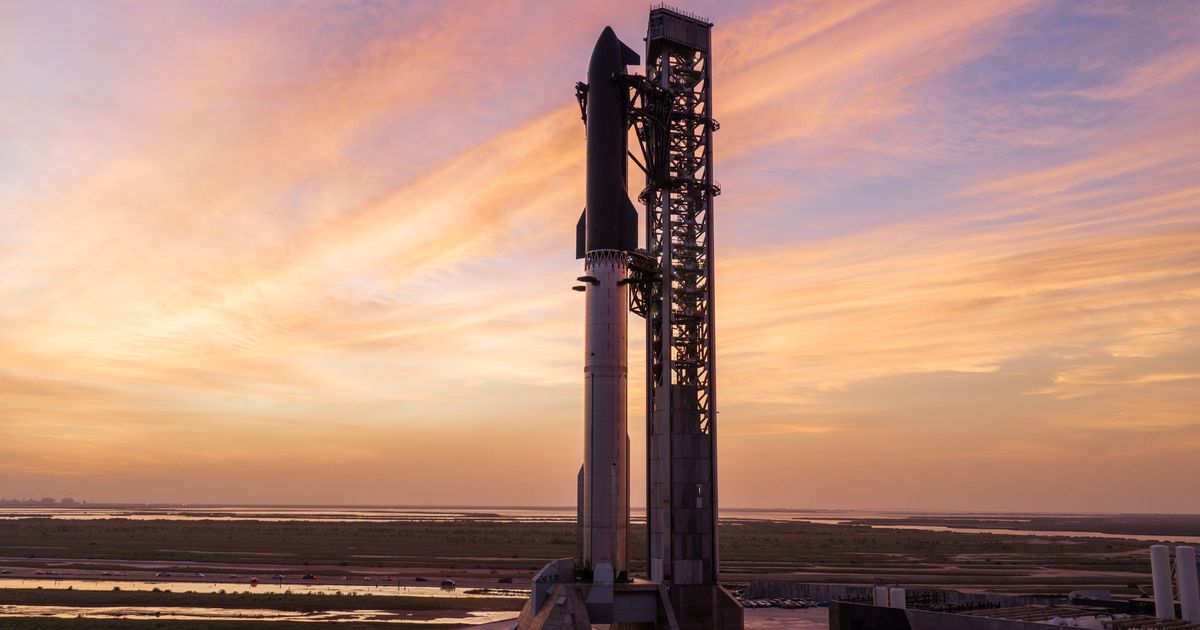
SpaceX on Thursday, July 23, postponed the launch of Starship Flight 13 yet again, marking the second delay to the second test flight of the launch vehicle's most powerful iteration.
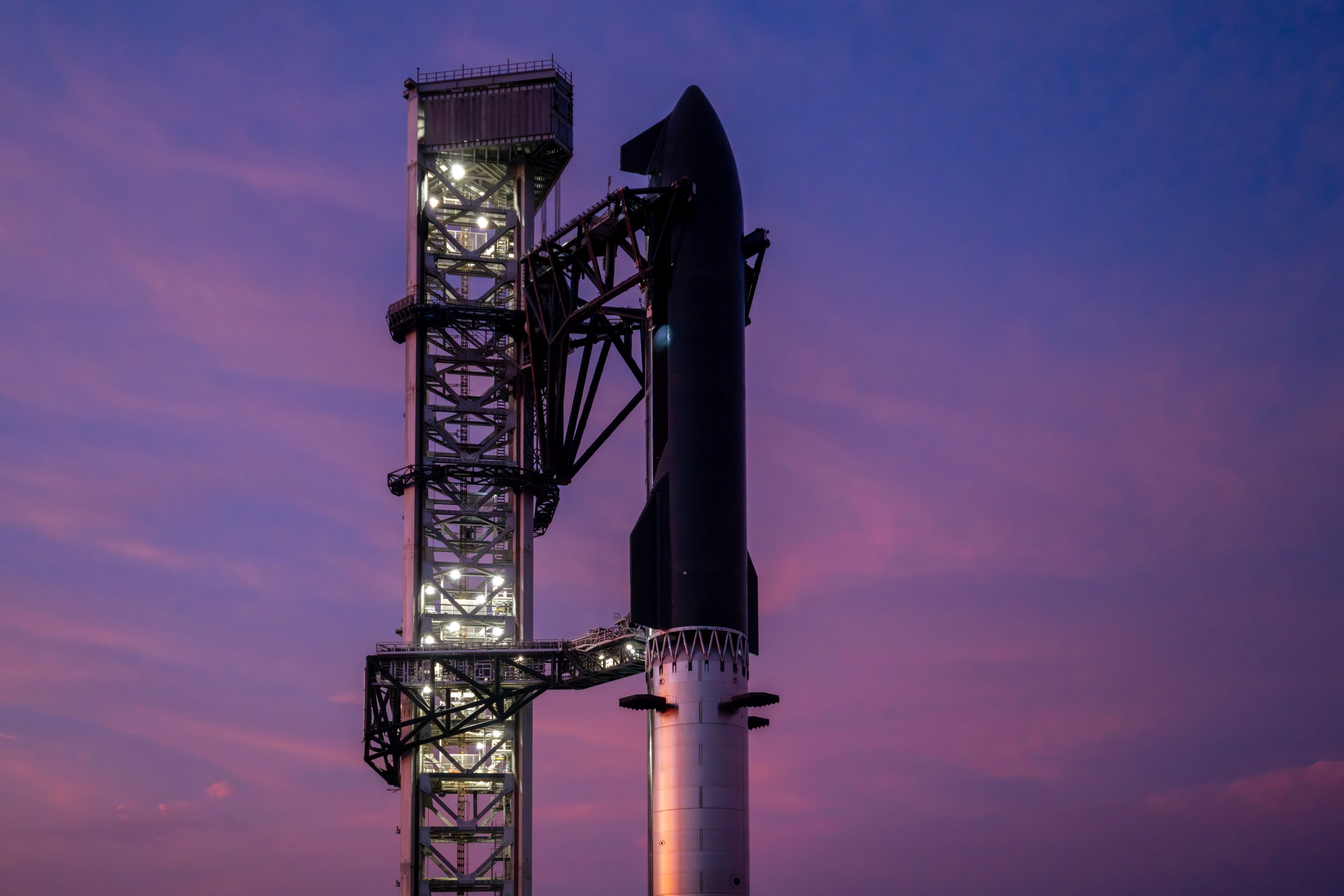
Originally scheduled for launch on July 16, Flight 13 had been delayed earlier due to a technical issue. Thursday's postponement, however, was due to weather. "A key objective for the flight test is to get clear imagery from the ground of Starship’s heatshield as it flies at a higher dynamic pressure during ascent, which won't be possible with today's weather conditions," wrote the Elon Musk-owned company on X. Here's everything you need to know about the postponement and SpaceX's revised launch schedule.
When will Starship Flight 13 launch now?
The much anticipated test flight to bring Starship's Version 3 (V3) closer to operational status had a 90-minute launch window on Thursday, July 23, beginning 5:45 p.m. CDT (10:45 p.m. UTC). That window has now shifted by exactly 24 hours, and SpaceX is now targeting a launch on Friday, July 24. "Visibility is forecast to be ideal for a Friday attempt," the company said about the rescheduled launch.
Now targeting Friday, July 24 for Starship’s thirteenth flight test, due to weather.
— SpaceX (@SpaceX) July 23, 2026
A key objective for the flight test is to get clear imagery from the ground of Starship’s heatshield as it flies at a higher dynamic pressure during ascent, which won't be possible with today's… pic.twitter.com/O4qyJaXjVs
Where to watch Starship Flight 13 launch on Friday?
Livestream options remain unchanged—SpaceX will stream the launch on its official website and X handle, with the webcast slated to begin 30 minutes prior to the start of the launch window, that is, at 5:15 p.m. CDT (10:45 p.m. UTC).
Starship Flight 13 delays
Starship Flight 13 was initially scheduled to launch on July 16, but that launch was scrubbed at the last minute due to issues with the Super Heavy booster's engines. "Some of the engines didn’t start, triggering an automatic launch abort," wrote Elon Musk at the time.
Some of the engines didn’t start, triggering an automatic launch abort.
— Elon Musk (@elonmusk) July 16, 2026
Now offloading propellant.
Next launch attempt hopefully in a few days.
Thursday's now-scrubbed launch was slated to be the second attempt. While SpaceX had earlier announced that the Super Heavy booster had completed additional pre-flight testing, it had raised concerns about weather, which ultimately proved to be the spoilsport.
Why is weather important for Starship Flight 13?
Starship Flight 13 was slated to launch 20 Starlink V3 satellites, six of which contain a specialized suite of cameras designed to scan and image Starship's heatshield during atmospheric reentry. Given that the durability of Starship's heatshield is crucial for its reusability, Flight 13 is also slated to test upgrades and experiments with the heatshield.
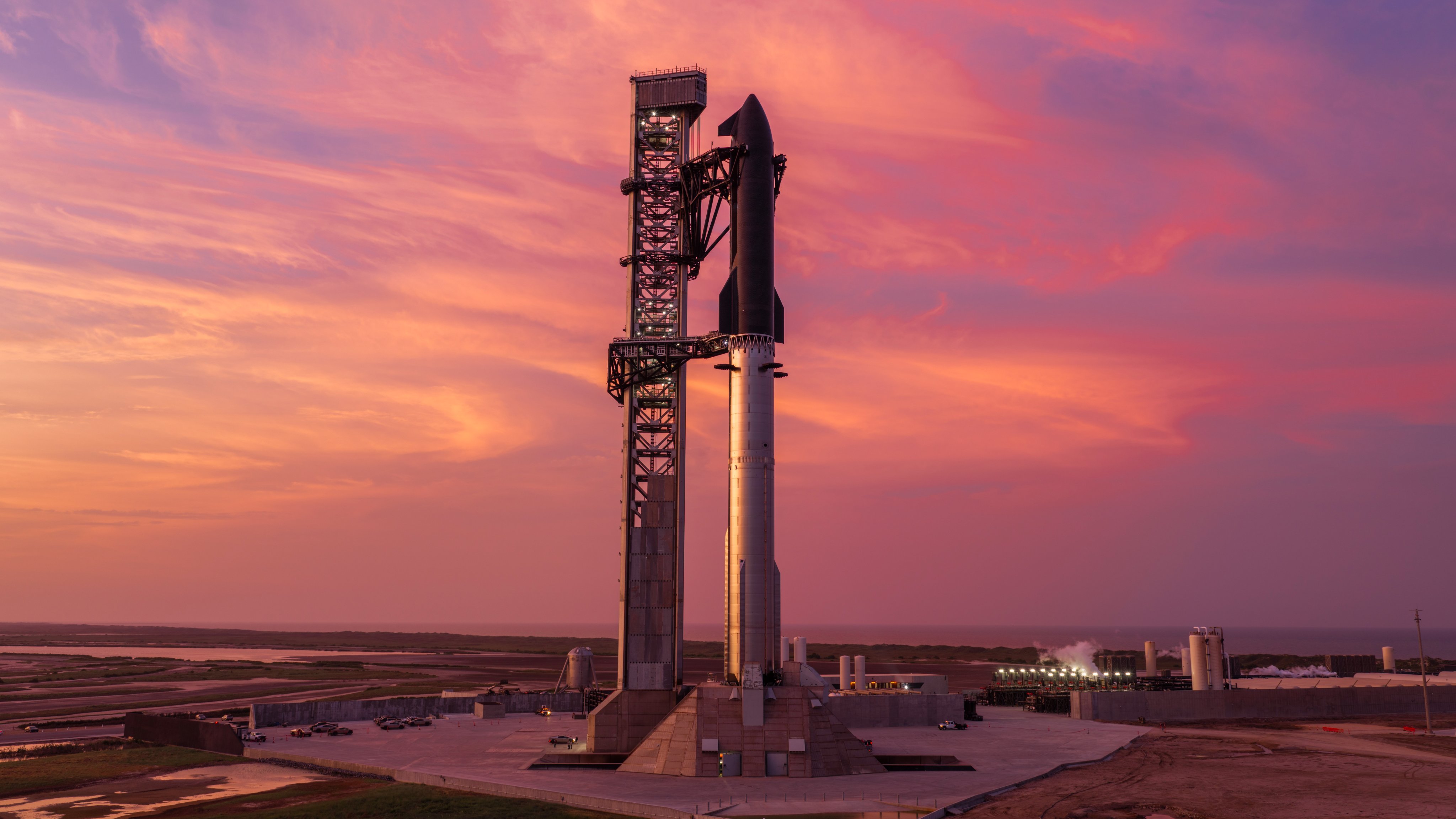
This imaging-driven visual examination of the heatshield, however, will not be possible today due to cloudy weather, thus necessitating a postponement.
What are other objectives for Starship Flight 13?
Flight 13 is meant to be an improvement over the largely successful Flight 12—which debuted Starship V3, as well as its booster, the Super Heavy V3—and thus has similar objectives.
Starship V3 takes flight for the first time → https://t.co/2gZQUxS6mm pic.twitter.com/Jv71tvm18w
— SpaceX (@SpaceX) May 23, 2026
Although Flight 12 was largely a success, it faced some issues with five of the Super Heavy's 33 Raptor 3 engines failing to fire while attempting to re-light. The second stage's flight was also not incident free, with it losing one of its three engines a mere 40 seconds after stage separation.
Onboard views from Starship and Super Heavy V3, which are equipped with upgraded cameras capable of streaming 4K video through every phase of flight via @Starlink pic.twitter.com/uX9wWFGgaK
— SpaceX (@SpaceX) May 23, 2026
Flight 13 is slated to test rectifications made to correct the aforementioned problems. Additionally, it will also launch 20 Starlink V3 satellites, which, after testing their solar arrays and synchronization with the Starlink constellation, will deorbit and burn up in the atmosphere 20 minutes after initial deployment.
Bringing Starship Flight 13 back to Earth
After deploying the Starlink satellites, Starship's upper stage will carry out a controlled reentry, followed by a splash down in the Indian Ocean. The launch vehicle's Super Heavy V3 booster, meanwhile, will execute a boostback burn and a landing burn to splash down at an offshore landing point in the Gulf of America approximately seven minutes after launch.