Artemis: Blue Origin New Glenn rocket test by NASA, RS-25 arrival at Kennedy and more updates
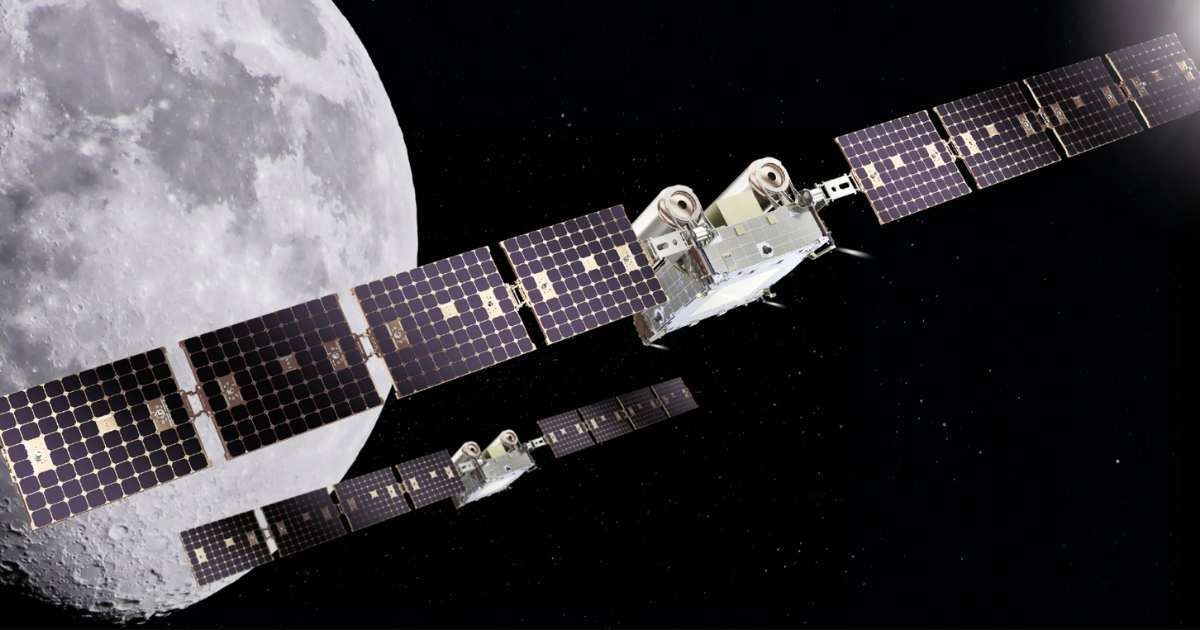
NASA's ambitions for establishing a Moon Base with Artemis missions ferrying astronauts to and from the lunar south pole are becoming increasingly tangible. Over the previous week, the agency has announced a few developments that will not only help get next year's Artemis III Low Earth Orbit test mission off the ground, but also provide advanced capabilities to achieve its wider goals for the exploration of the Moon. This included the introduction of a new mission, known as CAPSTONE 02, which will help understand how much radiation lunar crews and infrastructure will have to contend with, among other technology demonstrations.
Making Space for Progress!💪
— NASA Marshall (@NASA_Marshall) July 24, 2026
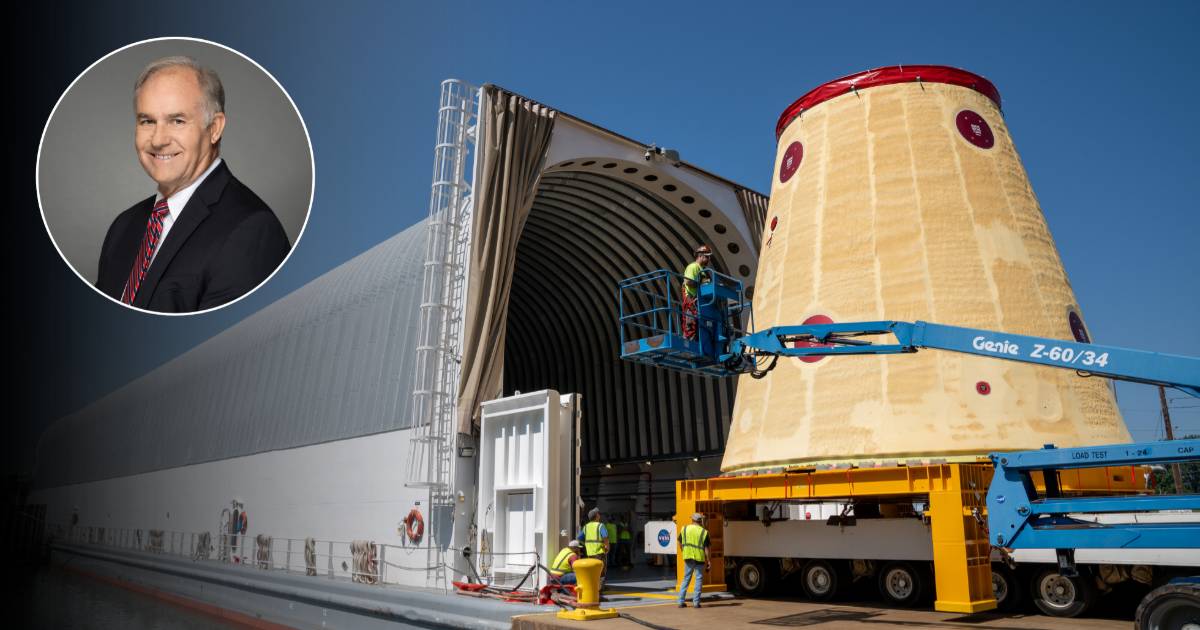
After @NASA announced that Artemis III would be a low Earth orbit mission, teams at Marshall began building a spacer that would take the place of the ICPS.
Now, the final friction stir weld is complete, and inspections are underway. Stay tuned! pic.twitter.com/DAyGmppbZV
All SLS RS-25 engines reach Kennedy
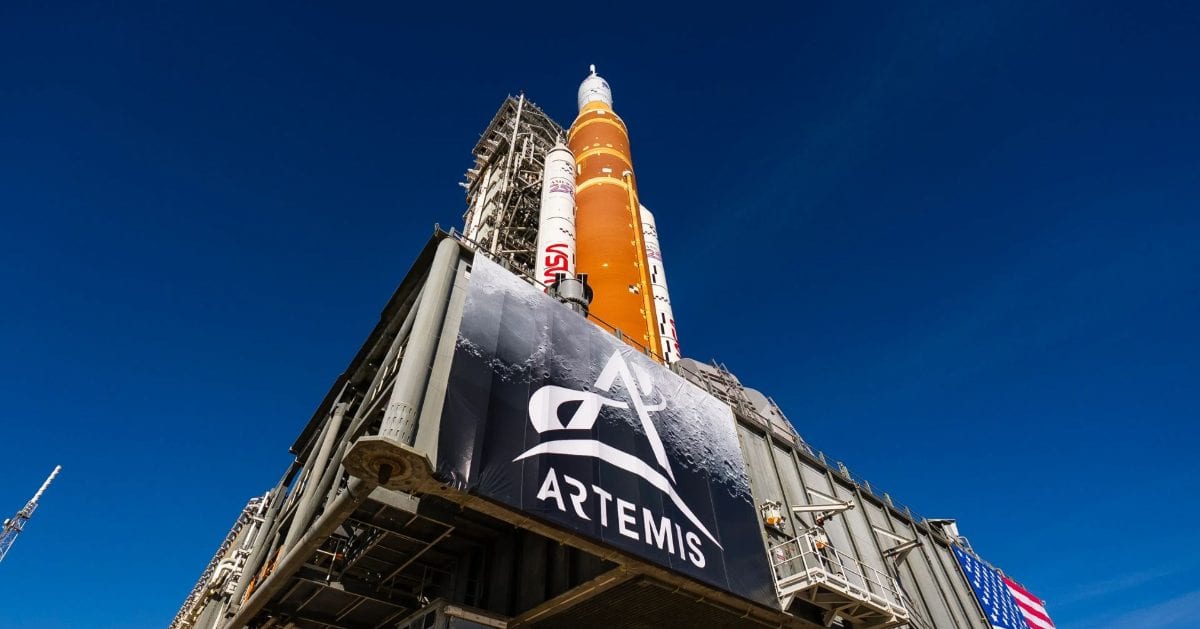
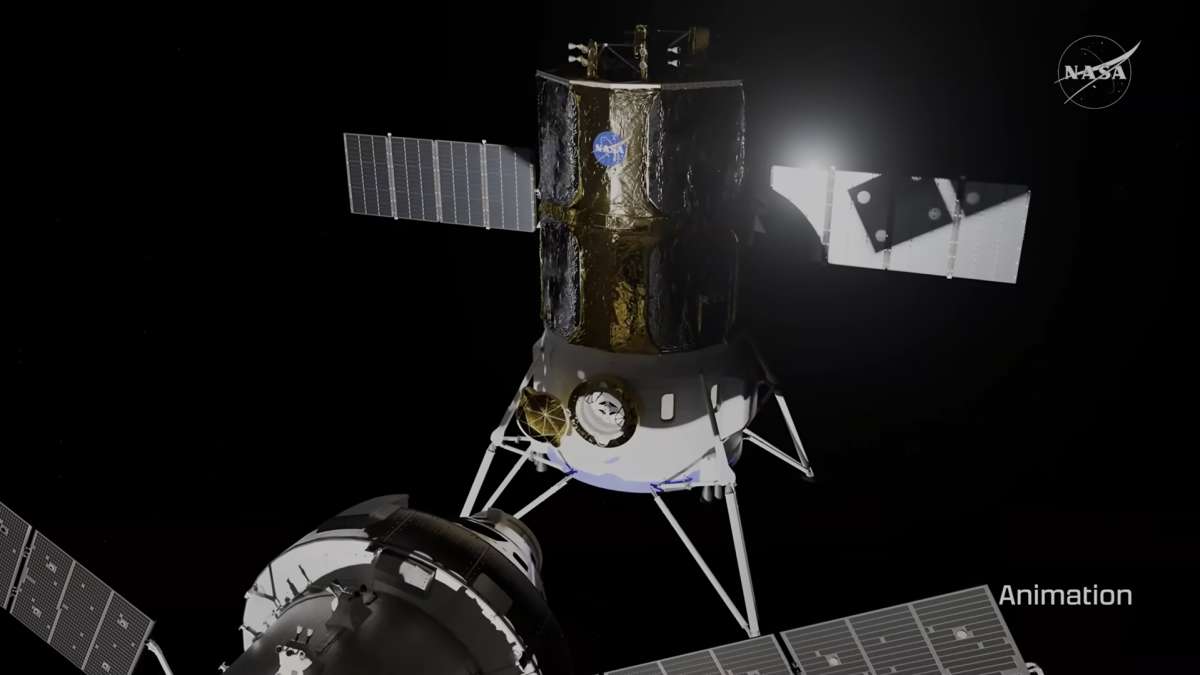
The last of four RS-25 engines that will power NASA's Space Launch System rocket for Artemis III has arrived at the agency's Kennedy Space Center in Florida. Here, the rocket's stacking has already begun with the solid rocket boosters being put together first, before the core stage is integrated between them. The four RS-25 engines will be fitted underneath the core stage, and together, will generate over 2 million pounds of thrust at launch. The SLS rocket will be the one carrying the Artemis III crew into space, before Orion separates and conducts rendezvous operations with SpaceX and Blue Origin's respective HLS test articles. SLS' non-propulsive spacer—a component that will take the place of the Interim Cryogenic Propulsion Stage for this mission—has also begun construction at NASA's Marshall Space Flight Center in Huntsville, Alabama.
Engine 4 has entered the chat🔥
— NASA Marshall (@NASA_Marshall) July 26, 2026
The final RS-25 engine for Artemis III has made its way to @NASAKennedy where it will soon be integrated with the SLS core stage along with the other engines.
Together, they will provide around two million pounds of thrust at launch! pic.twitter.com/6OXRrpH4Ic
New Glenn rocket to use NASA facility for testing
Artemis III will feature the launch of three heavy lift rockets built by NASA, SpaceX, and Blue Origin respectively. Earlier this year, Blue Origin's New Glenn rocket development took a major blow when a static fire test led to a catastrophic explosion at Cape Canaveral Space Force Station's LC-36. While major repairs and revamps are still ongoing, Blue Origin and NASA announced reaching an agreement on July 24, 2026, whereby the Jeff Bezos-owned company will perform static fire tests at the agency's Stennis Space Center. The second stage of New Glenn, called the GS2, will use the Bay St. Louis, Mississippi-based center's B-2 test stand. Designed to test full rocket stages, this test stand, or position, will be used to measure the performance of two BE‑3U engines that the GS2 comes equipped with that use liquid oxygen and liquid hydrogen as fuel.
The B-Test Complex at @NASAStennis helped take Americans to the Moon. Now it will help take us back. We have signed an agreement with @NASA to use the historic facility for New Glenn second stage hotfire testing.
— Blue Origin (@blueorigin) July 24, 2026
Read more: https://t.co/JTwzpIpxD2
📷: NASA pic.twitter.com/HIEL0mVB1J
Each of these BE-3U engines can produce up to 200,000 pounds of thrust in space, helping power massive amounts of payloads and Artemis astronauts to the Moon. Besides Artemis III commitments, which include launching a Blue Moon Mark 2 test article to Earth's orbit, the company is set to deliver its Blue Moon Mark 1 Endurance lander on the lunar surface as a part of the Moon Base I mission. While earlier this mission was due for this fall, the latest from NASA leadership points to a launch in 2027. The company has already been awarded a crewed Artemis mission (Artemis V), subject to their spacecraft performance in the missions scheduled for them so far. Blue Origin will be aided by NASA's experience of testing heavy lift rockets like the Saturn V at its Stennis test stand since the 1960s, which will be shared with the company to make their testing more productive.
The new CAPSTONE 02 mission
Since NASA is looking to have both humans and robotic spacecraft operate on the Moon as a part of its Artemis IV and V, as well as Moon Base missions, the agency has felt the need to refine its understanding of the lunar environment. While this was achieved in part thanks to the original CAPSTONE (Cislunar Autonomous Positioning System Technology Operations and Navigation Experiment) mission, a follow-up mission will perhaps be updated in line with the change in NASA's lunar plans since that mission launched. CAPSTONE 02 will launch next year, and the Colorado aerospace company Advanced Space has been awarded the contract for the mission.
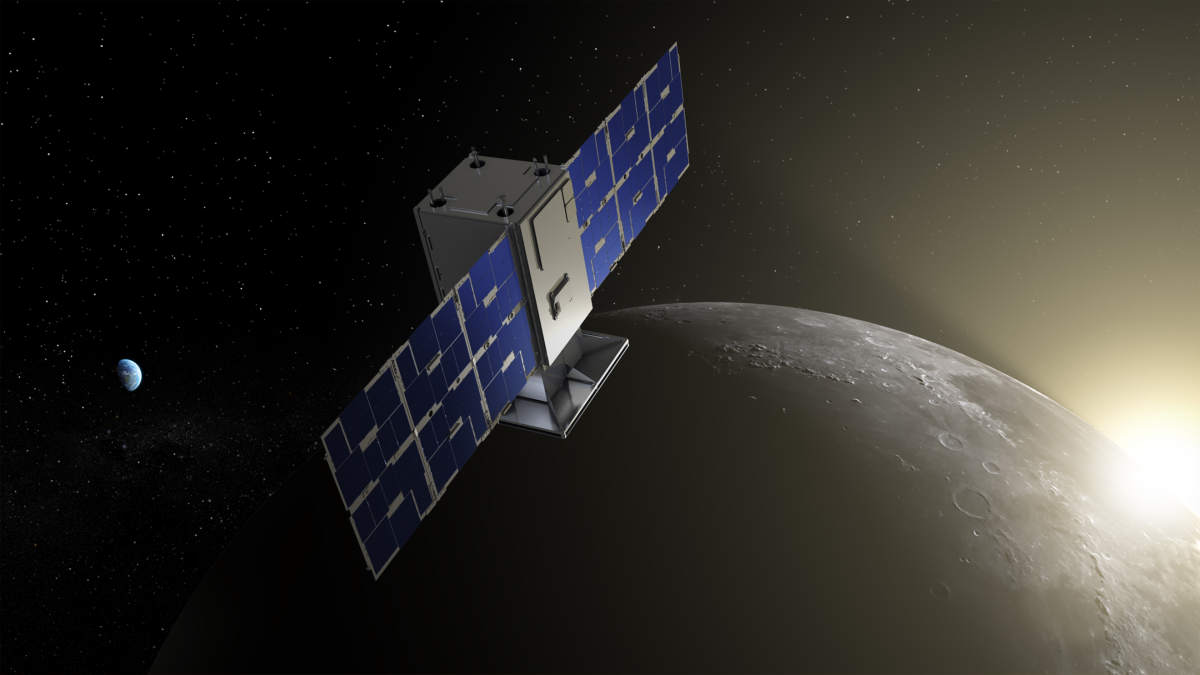
The mission will feature twin satellites meant to demonstrate advanced relative navigation technologies for rendezvous and proximity operations, something which will be necessary during Artemis missions given the multitude of spacecraft involved in the overall program architecture. Each satellite, built by Terran Orbital Systems, Inc., weighs over 880 pounds and will alternate between being the 'chaser' or 'target’ for performing maneuvers. Their coordinated trajectories with the gravitational influence of both Earth and the Moon are meant to build confidence in docking capabilities in cislunar space. CAPSTONE 02 will feature Autonomous Positioning System navigation software which will reduce reliance on Earth-based tracking systems for future lunar spacecraft, while also testing advanced communications, networking, and data transfer capabilities.
More on Starlust:
How ESA's Moonlight program aims to provide navigation and communications services on the Moon
NASA reveals finer details of how Artemis III's design will shape future crewed lunar missions