What happens to astronauts' bodies on the ISS? A look at how space affects bone, blood and eyes
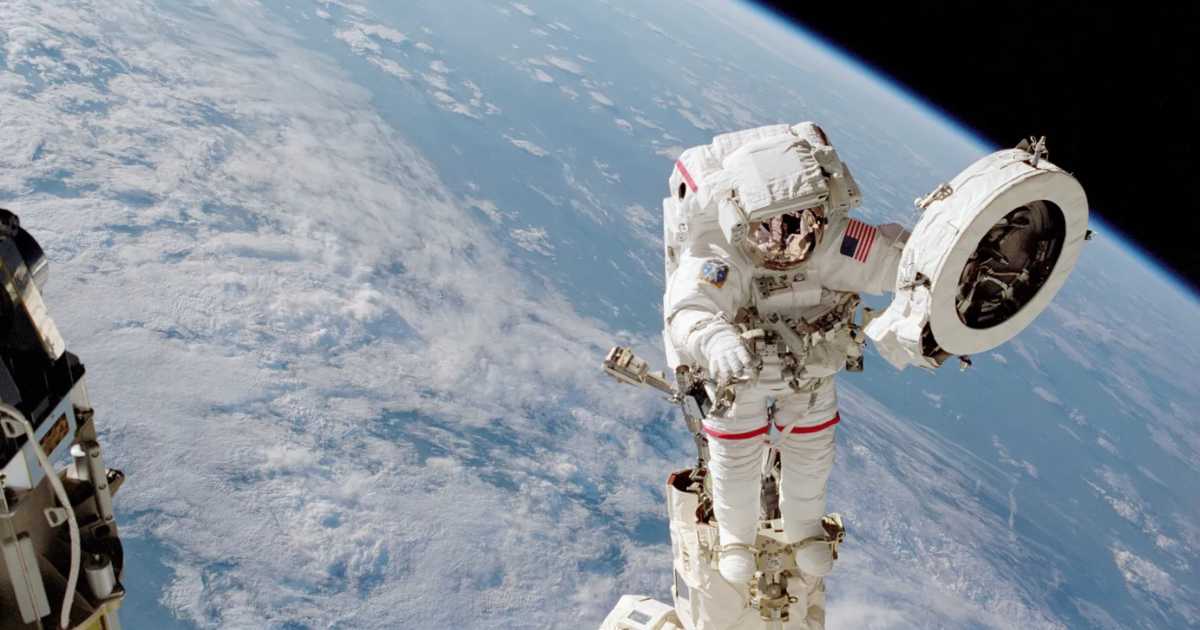
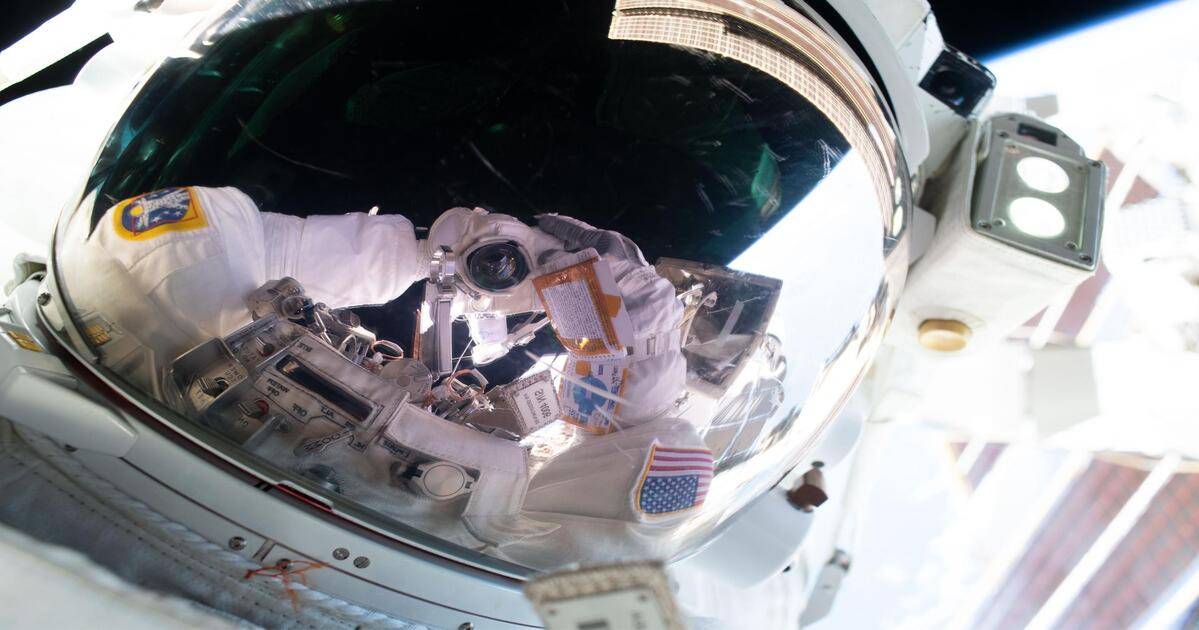
Astronauts aboard the International Space Station (ISS) appear to be floating completely free of gravity, but this is an illusion. In orbit, gravity does not disappear; rather, the ISS, and the astronauts in it, are in a state of continuous freefall. This removes the mechanical stress experienced by the human body on Earth, forcing the body to adapt in unusual ways. Given that trips to the ISS typically last months, scientists have made considerable strides in understanding what such prolonged exposure to microgravity does to human health, and findings show that nearly every organ system changes in space. Without the effects of gravity, bones lose their density, blood circulation patterns change, muscles weaken, and even the structural shape of our eyes can change. Although some of these changes are reversible, others might persist permanently. Here, we take a look at how space alters the human body.
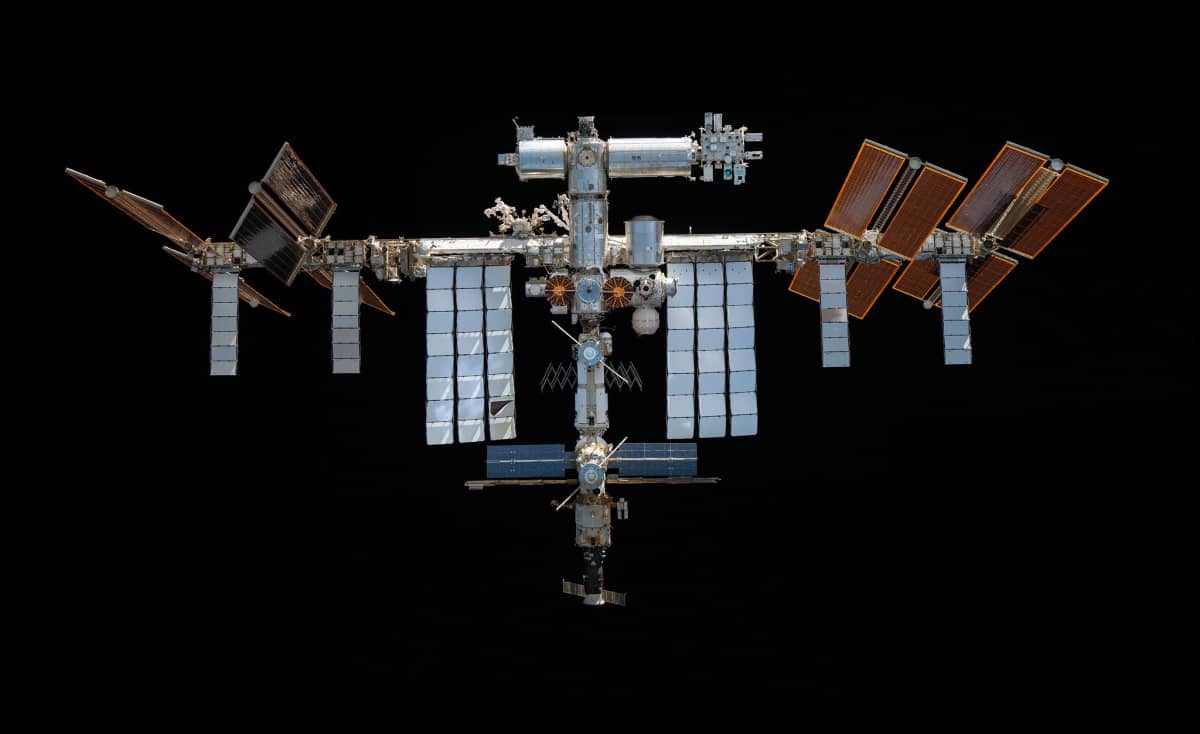
What happens to bones in space?
Bones are not a static, rigid framework, but rather living tissue that is constantly being renewed. Throughout life, specialised cells called osteoclasts remove old bone tissue while osteoblasts build new material. On Earth, due to gravity, walking, lifting, and general movement create mechanical stress, signaling the body to maintain strong bones. In microgravity, this is absent. Without the need to support weight, bone formation slows down while bone breakdown continues as usual. As a result, astronauts begin losing bone mineral density, particularly in weight-bearing regions such as the hips, pelvis, and lower spine.
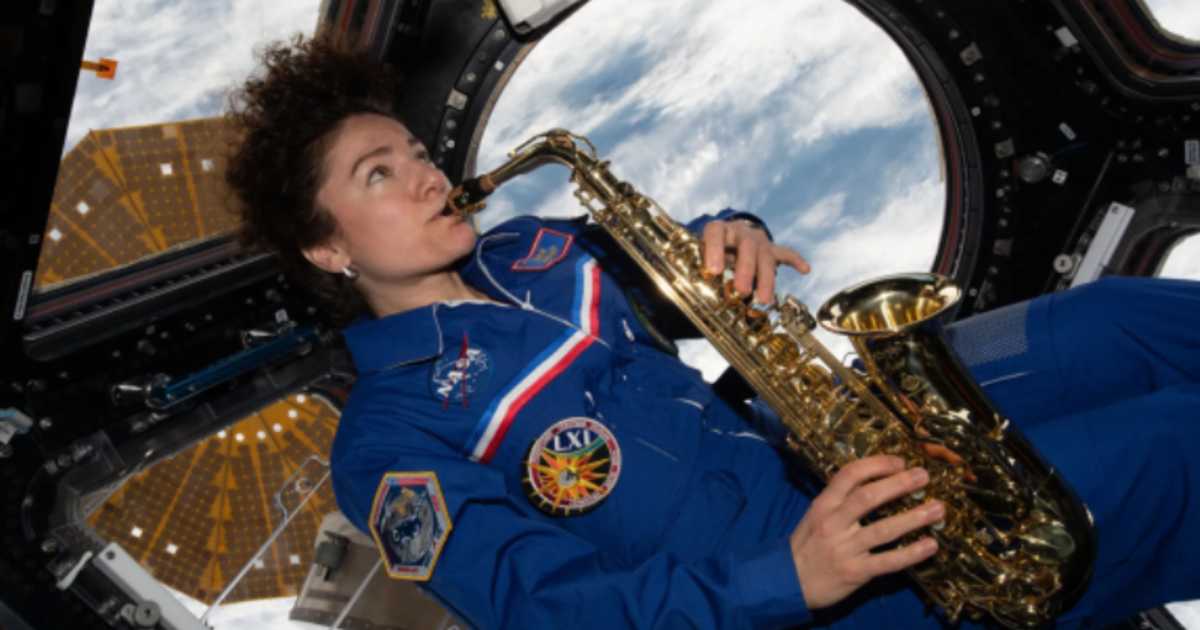
This loss can be rather pronounced, with NASA reports stating that astronauts can lose around 1% to 1.5% of their bone mineral density every month during long-duration missions if effective countermeasures are not used. Over several months, this can lead to losses in bone density comparable to a decade of age-related bone density loss on Earth. But the problems don't end there—as bone tissue breaks down, excess calcium is released into the bloodstream before being excreted through urine. This, however, increases the risk of developing kidney stones, which can complicate missions in space where advanced medical care is not available.
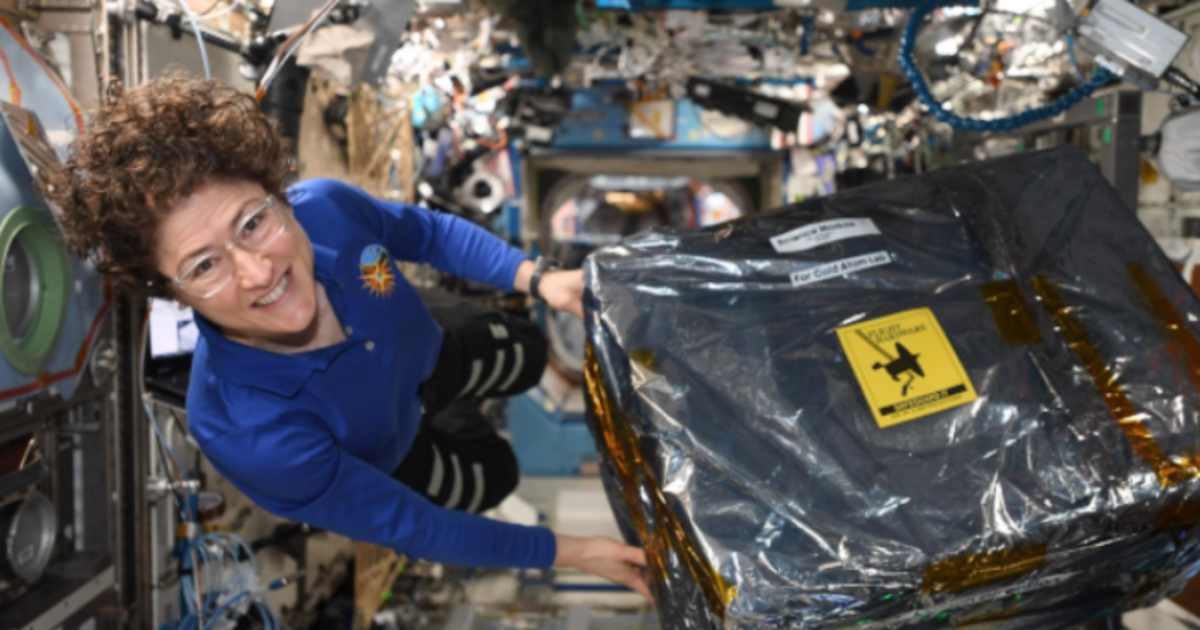
To reduce these risks, astronauts take countermeasures that include exercising every day using treadmills, stationary bicycles, and the Advanced Resistive Exercise Device (ARED), which simulates weightlifting in microgravity. Astronauts also stick to nutrition rich in calcium and vitamin D, and use medication such as bisphosphonates to help minimize bone density loss. While these countermeasures mitigate the risk to an extent, the problem still persists and cannot be entirely eliminated. As a result, astronauts landing back on Earth are often found to have lost bone density, which takes years to recover, and some never fully regain pre-flight bone strength in certain areas.
What happens to blood circulation in space?
The body's circulatory system also undergoes changes in space. While on Earth, gravity pulls blood towards the lower body, in microgravity things change. The absence of gravity means that fluids within the body shift upward towards the chest and head, giving astronauts puffy faces and thinner-looking legs, a condition described as "puffy face, bird legs". Further, the human body in space also misinterprets this shift in fluid to the upper body as excess blood volume, and therefore directs the kidneys to remove water and salt. The result? Total blood plasma volume in space can fall by as much as 20%.
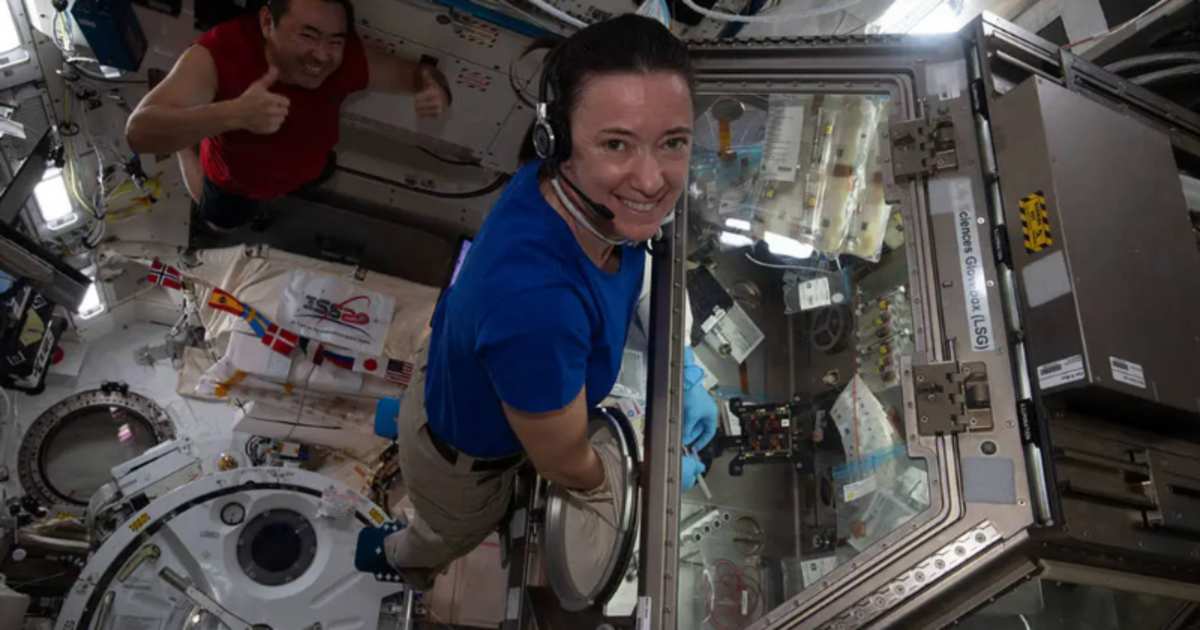
A 2022 study published in Nature Medicine concluded that astronauts continuously destroyed about 54% more red blood cells during six-month ISS missions than they do on Earth. The researchers described this process as “space anemia,” but noted that astronauts do not experience severe anemia symptoms while in orbit. This is because their bodies adjust to the lower plasma volume and require less oxygen in weightlessness. The true consequence of this adaptation arises when astronauts return to Earth. As gravity once again pulls blood towards the legs, the cardiovascular system faces difficulty maintaining blood flow to the brain, making returning astronauts feel dizzy or faint.
What happens to eyes in space?
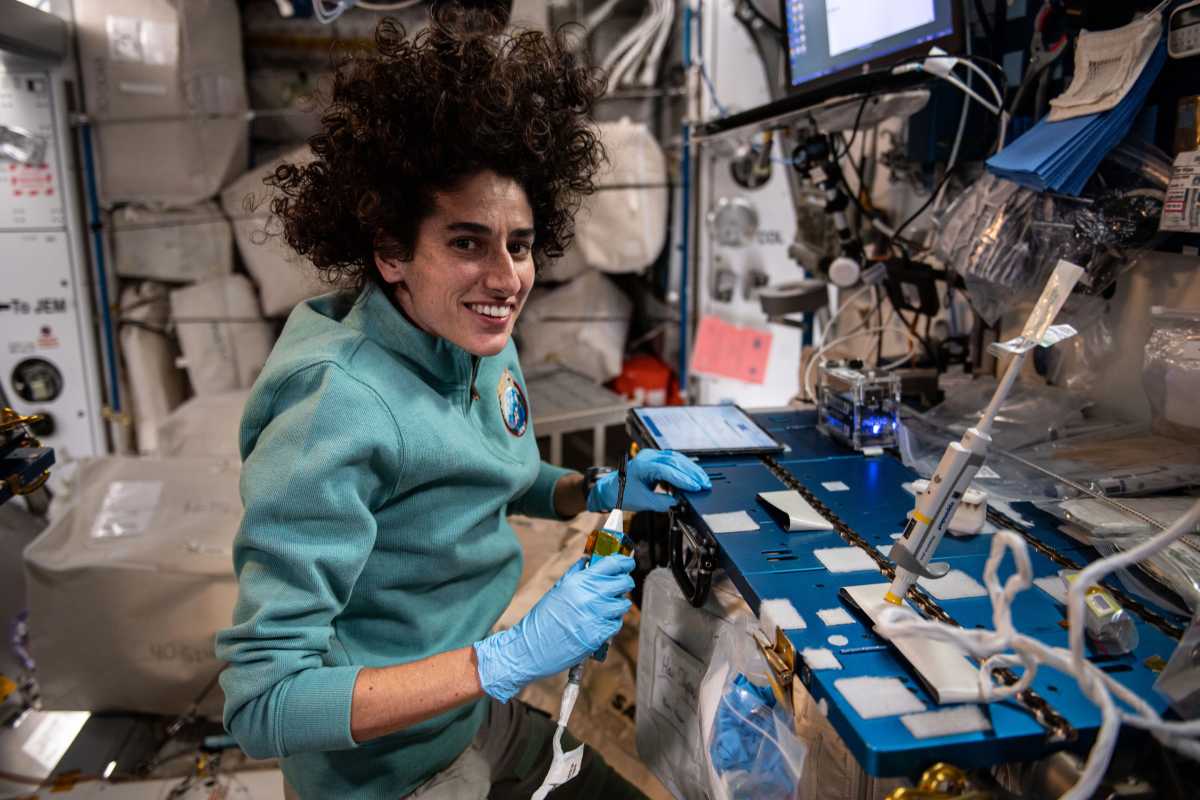
Perhaps one of the most surprising effects of space travel is the impact of weightlessness on an astronaut's vision. Just as blood flows towards the head in space, so do other bodily fluids, including the cerebrospinal fluid surrounding the brain and optic nerve. Scientists believe this persistent flow of fluid towards the head changes the pressure within the skull, pressing directly against the back of the eyes. This condition is known as spaceflight-associated neuro-ocular syndrome (SANS), and carries frightening symptoms.
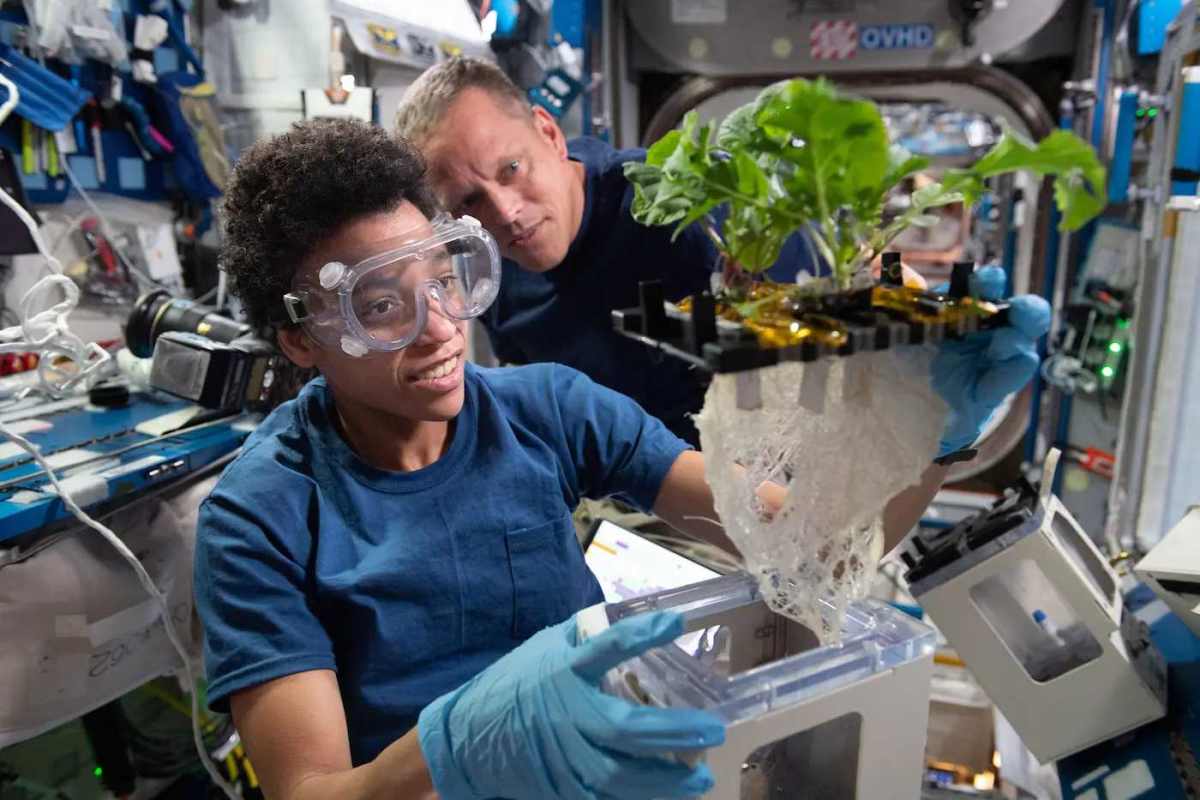
SANS manifests through swelling of the optic disc, flattening of the back of the eyeball, folds in the retina, and changes in vision. Some astronauts become more farsighted during missions, while others experience blurred vision that continues after returning to Earth. According to NASA, around 70% of astronauts on long-duration ISS missions show at least some symptoms associated with SANS. Scientists are now investigating lower-body negative pressure suits, specialised exercise routines, and artificial gravity concepts as possible countermeasures to this. However, as of now, no definitive solution has been found.
Tip of the iceberg
Changes to bones, blood, and eyes are just part of the story. Long-duration missions in space also reduce muscle mass, alter immune function, change the gut microbiome, affect sleep patterns, and expose astronauts to cosmic radiation. Many of these systems interact, which makes space medicine one of the most complex areas of human physiology.
More on Starlust:
Space accidents that changed history (1960s-1990s)
What are gamma-ray bursts? Scientists make milestone findings on cosmos' most energetic events