'None of us will be able to avoid the war zone': Retiring U.S. Space Force Chief issues stark warning
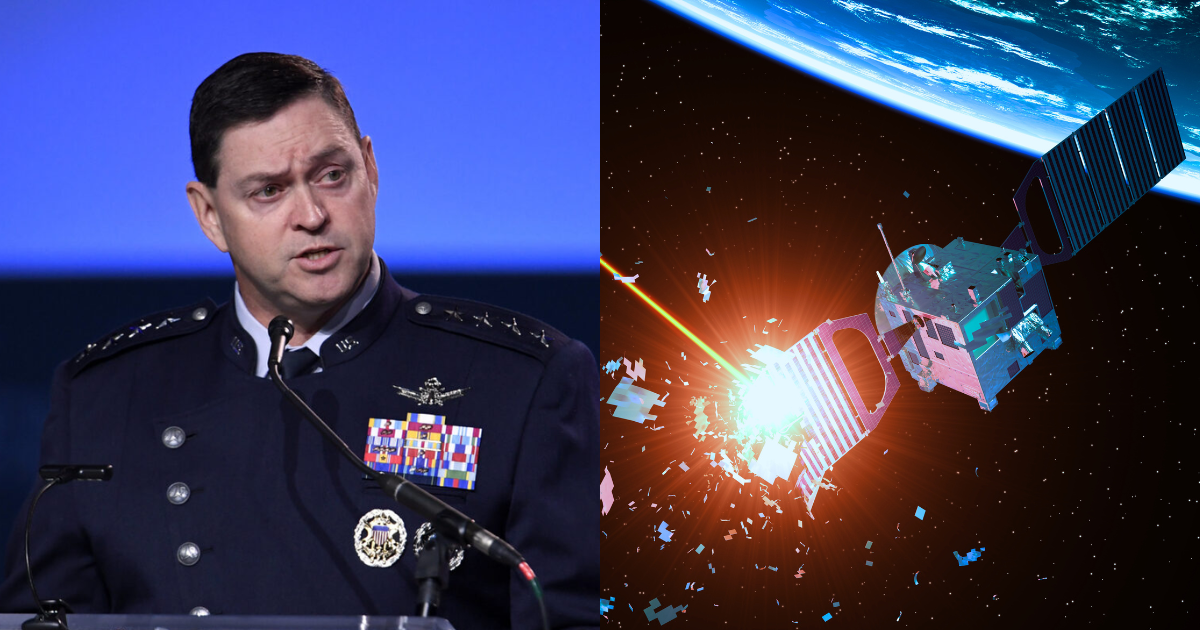
On July 15, 2026, Gen. Chance Saltzman, the outgoing Chief of Space Operations for the U.S. Space Force, delivered a stark warning during his final public speech at the Global Air and Space Chiefs Conference. He shared that if an armed conflict ever reaches orbit, no country will be able to stay out of it.
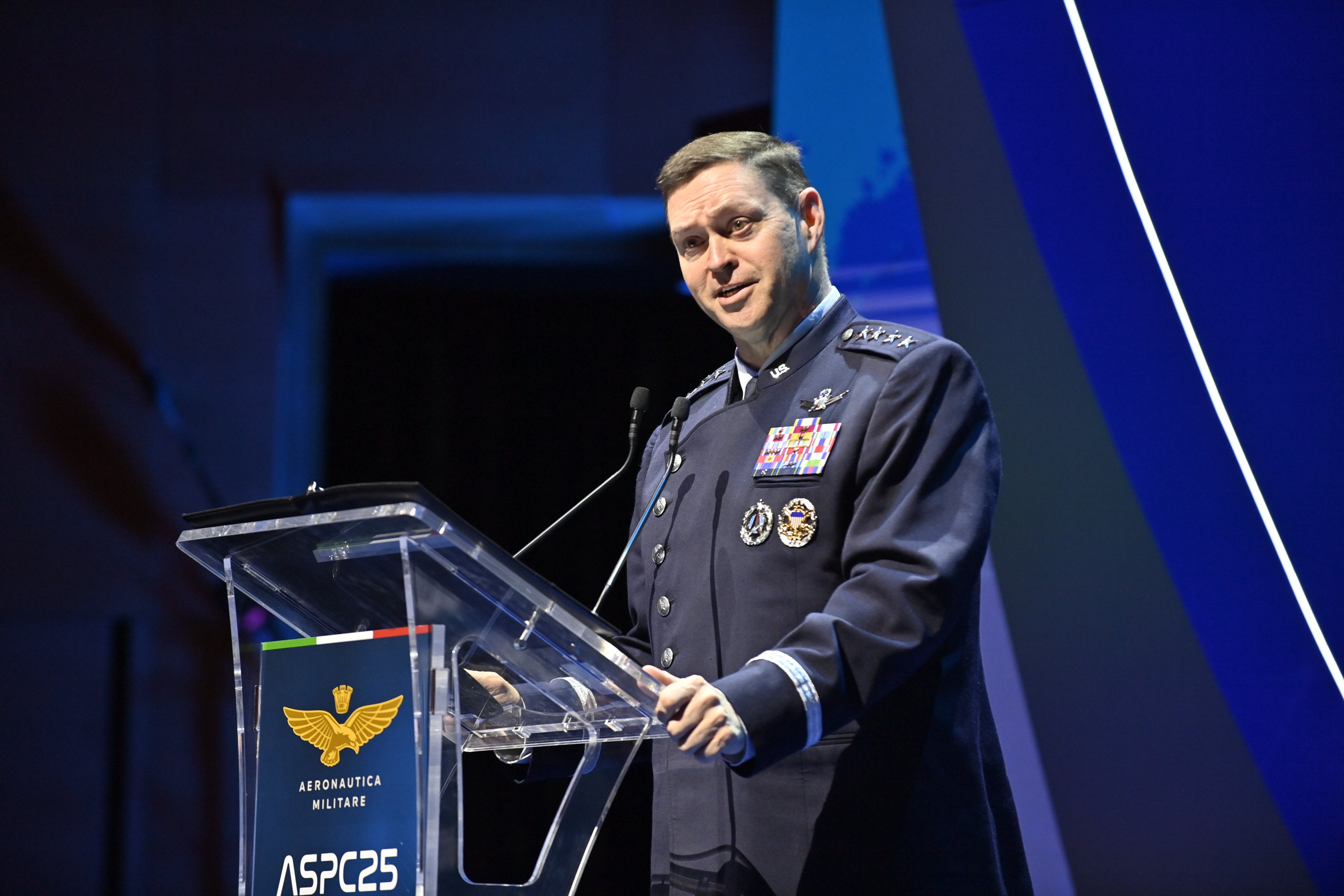
During the speech, Saltzman explained that unlike other combat zones, there's no way to simply avoid a war zone in space once one exists. "If a conflict extends into space, none of us will be able to avoid the war zone. Unlike a combat zone in the air, land, or sea, we will not be able to steer clear," he said. He added that "whether we want to be in the combat zone or not, orbital mechanics will put all of our space capabilities into the space war zone."
And a crowded sky will make things even worse
Part of the problem comes down to how packed certain orbits already are. Some altitudes above Earth hold thousands of spacecraft at once, and when even one of them breaks apart, the debris can endanger everything nearby, and this includes spacecraft carrying astronauts. This is because spacecraft don't sit still above one spot on Earth. They travel in fixed paths around the planet at high speed, and those paths often cross through crowded regions.

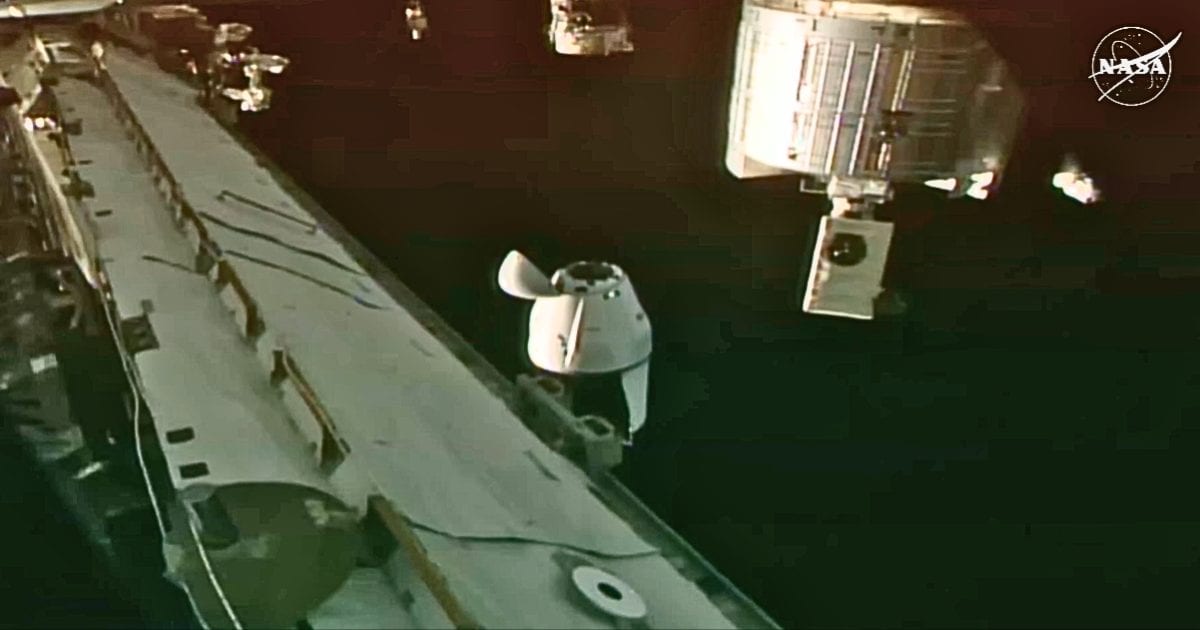
When Russia blew up a satellite with a missile in 2021, the test scattered debris that is still floating in orbit today. This forced the International Space Station to maneuver out of its path more than once. If a future conflict destroyed even one satellite, that single event could set off a chain reaction of collisions, potentially rendering entire sections of Earth's orbit too dangerous to use for years.

Despite the seriousness of his warning, Saltzman steered his remarks toward teamwork rather than fear. "We will share the consequences; therefore, we should share the responsibility for a safe, secure, and stable space domain," he said, adding that "these widespread consequences of conflict in space should make deterrence a goal for all of us." When introducing the Space Force's International Partnership Strategy back in 2025, Saltzman called defending peaceful space use "the ultimate team sport," noting that "the domain is too big, too complex, too dynamic, for a single nation to secure alone."
What comes next for the Space Force?
Saltzman leaves behind a Space Force that he says has grown into a "combat-credible" branch during his tenure. Speaking earlier this year at the Space Foundation's 41st Space Symposium, he said, "We aren't just talking about theories or plans anymore. We're talking about real operational combat, space effects, and the Guardians who deliver them."
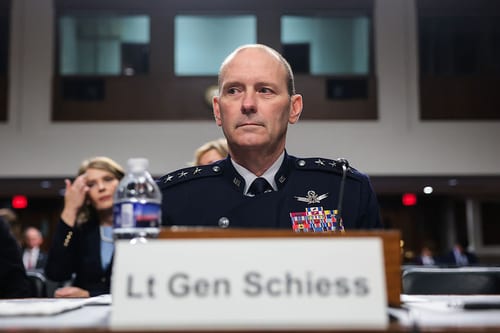
He's set to retire in August 2026, and he has served since 2022 as only the second Chief of Space Operations in the Space Force's short history. President Trump has nominated Lt. Gen. Douglas A. Schiess, currently acting as Deputy Chief of Space Operations for Operations since November 2025, as his successor. During a recent confirmation hearing, Schiess defended the branch's $71 billion budget request, saying it's needed to counter China's growing military space capabilities: "The 71.1 billion dollars that the president has asked for is exactly what we need," he added.
More on Starlust
MS-28 astronauts prepare for departure from ISS this weekend after 8-month-long stay
Size matters: A planet needs to be at least as big as Mars for alien life to survive on it