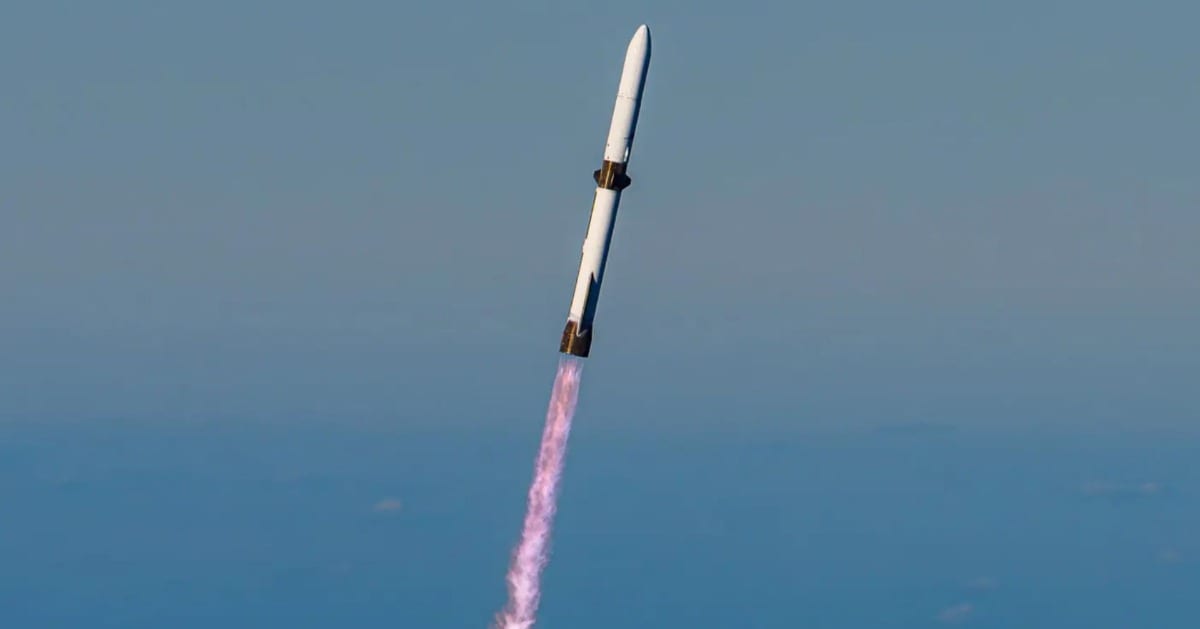
Starship Flight 13 to launch today—liftoff time, livestream details, objectives and more

Update: The Starship Flight 13 launch has been postponed now due to weather. The new 90-minute launch window will open at 6:45 p.m. EDT (10:45 p.m. UTC) on Friday, July 24.
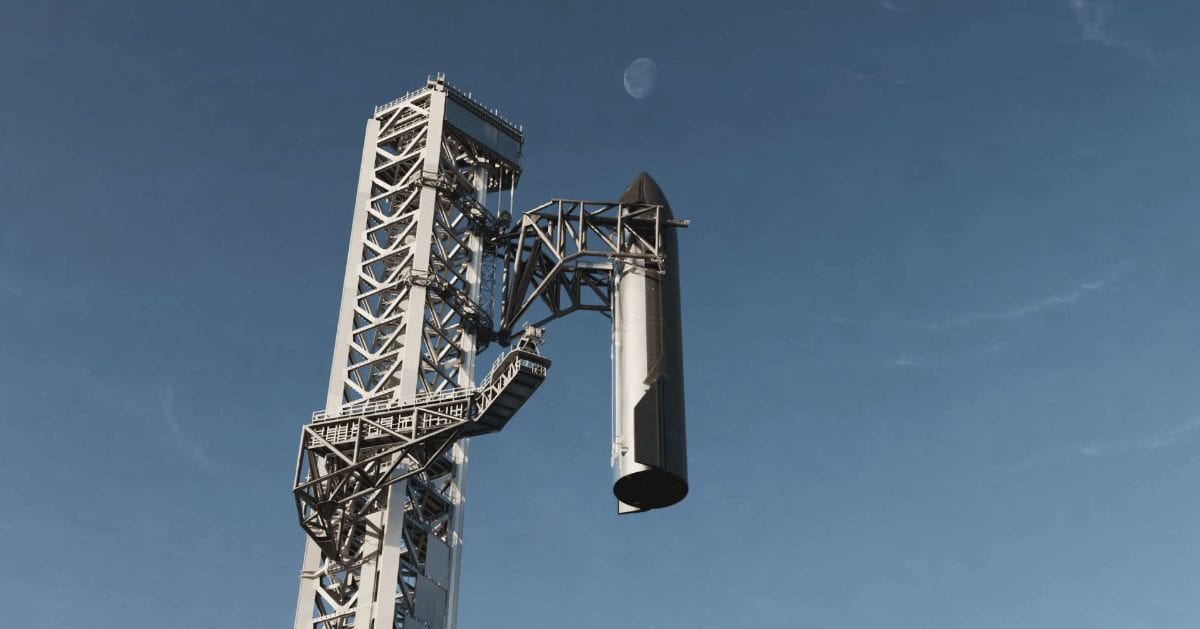
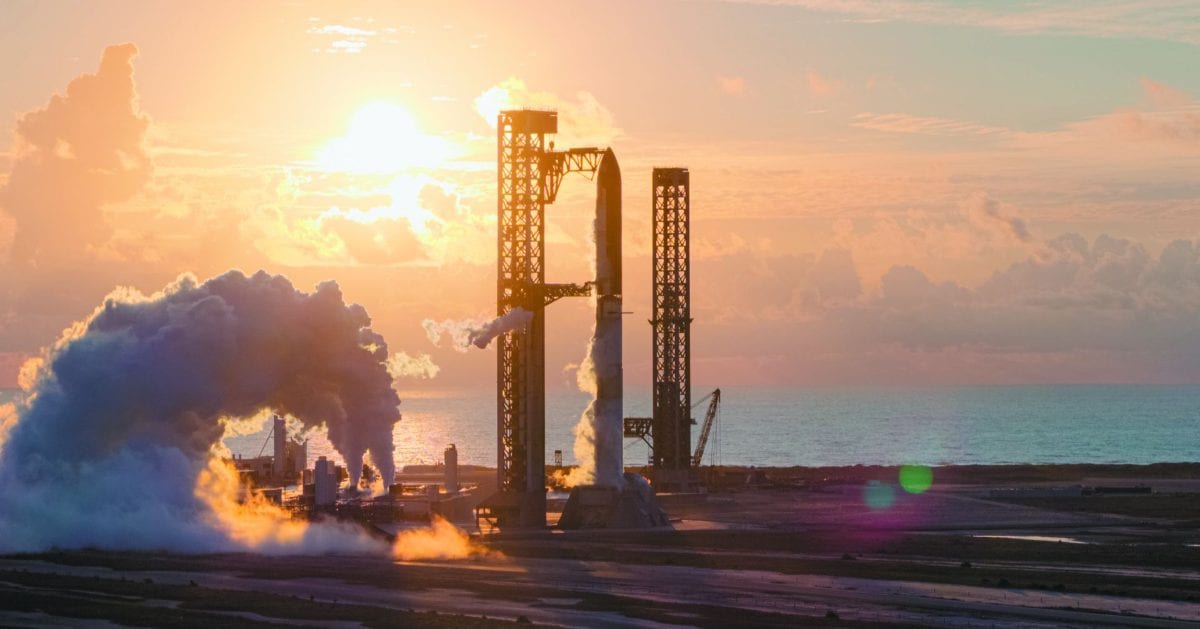
SpaceX is gearing up for the 13th flight test of the over 400-foot-tall Starship—slated to be used for Artemis III and beyond and eventually for trips to Mars.
Additional preflight testing on Super Heavy complete. Now starting preparations to launch Starship as soon as tomorrow, Thursday, July 23. Weather is currently a significant watch item for launch pic.twitter.com/NtMbwNmoBU
— SpaceX (@SpaceX) July 22, 2026
Originally scheduled to launch on July 16, Starship was grounded when SpaceX scrubbed the flight at the last second due to a technical issue involving some of the engines. With its second launch attempt now upon us, here's everything you need to know about Starship Flight 13.
When will Starship Flight 13 lift off?
The launch will take place from SpaceX's Starbase in Texas, near Boca Chica. Given that space launches are subject to weather conditions and other variables, SpaceX has fixed a 90-minute launch window for Flight 13, with said window opening at 6:45 p.m. EDT (10:45 p.m. UTC) on Thursday, July 23.
When and where to livestream the Starship Flight 13 launch?
SpaceX will livestream the launch of Starship Flight 13 on its official website and its X handle. The live webcast will begin about 30 minutes before liftoff, the company has said.
What are the objectives of Starship Flight 13?
The second launch test of Starship Version 3 (or V3), the test flight, if successful, will be a major step in bringing the rocket closer to operational status. SpaceX has said that the objectives of Flight 13 will largely be similar to those of Flight 12, given that the latter suffered from some issues.
In case you missed it, check out the 2nd episode of our Starship series. “Critical Path” follows SpaceX engineers through the final days before launch of the first Starship V3 and the challenges that come with development of the world’s most powerful and fully reusable rocket →… pic.twitter.com/iJCelTo8A3
— SpaceX (@SpaceX) July 16, 2026
However, Flight 13 will have an additional set of objectives, which will include launching 20 next-gen Starlink V3 satellites. These satellites, however, will not remain in orbit but will instead test their solar arrays and antennas and attempt to sync with the Starlink constellation in orbit before burning up in the atmosphere 20 minutes after deployment. The upper stage, meanwhile, will execute a controlled reentry and splash down in the Indian Ocean.
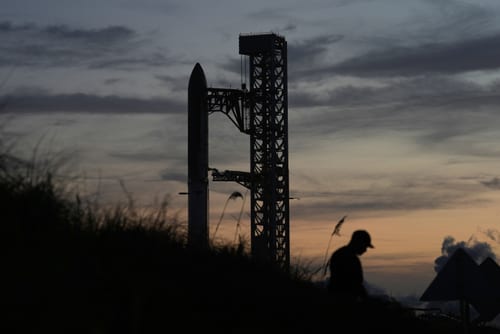
Starship's booster—the Super Heavy V3—meanwhile, will aim to execute a successful launch, ascent, and stage separation before a boostback burn and a landing burn bring it back to an offshore landing site in the Gulf of America.
What went wrong with Starship Flight 12?
Despite largely being a success, Starship Flight 12 brought to the fore certain issues that SpaceX will look to rectify in this flight.

During stage separation for Flight 12, the directional flip of the booster was off by approximately 90 degrees. This was caused by slight differences in engine startup on the upper stage and is something that Flight 13 will attempt to address via a modified and more robust startup sequence. Additionally, five of the 33 Raptor 3 engines powering the Super Heavy V3 faced issues during Flight 12's return to Earth, resulting in the booster crashing into the Gulf of America.