Light could power interstellar spacecraft—until it starts slowing them down
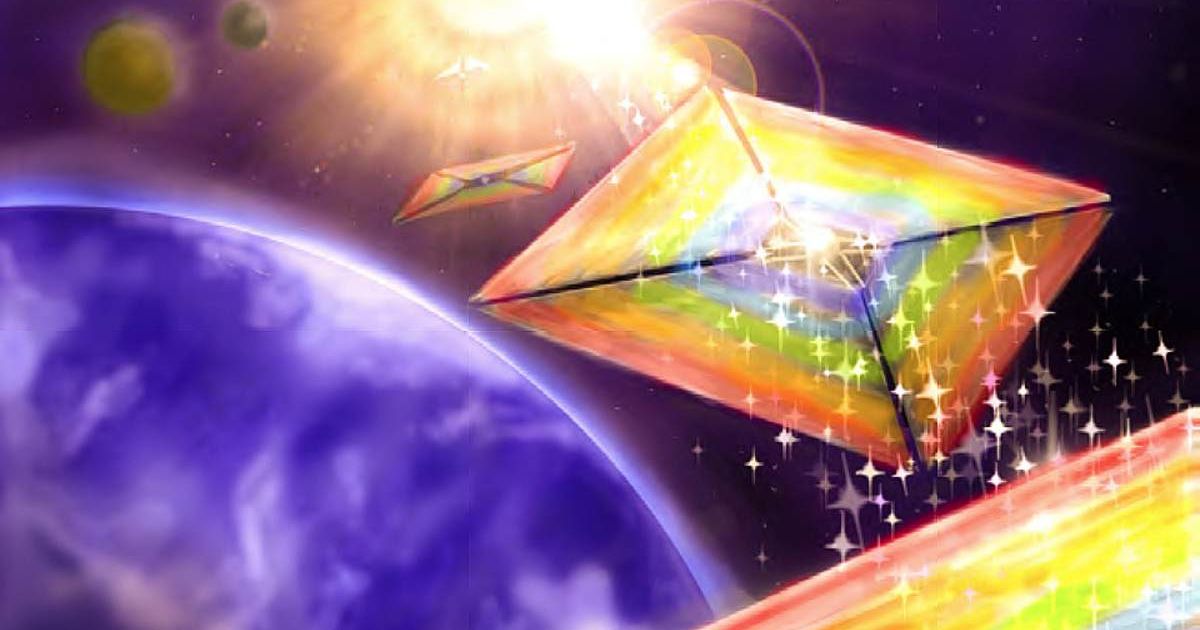
Despite being one of the most promising means of interstellar travel, lightsailing may not be a totally seamless affair. The very photons that power the light sails could also slow it down, according to a new study published on the arXiv preprint server. The study, done by Chao Shen and Jiaze Li of the Harbin Institute of Technology in China, describes that once light sails, also known as solar sails, reach a significant percentage of the speed of light, they face a drag force exerted by the light itself.
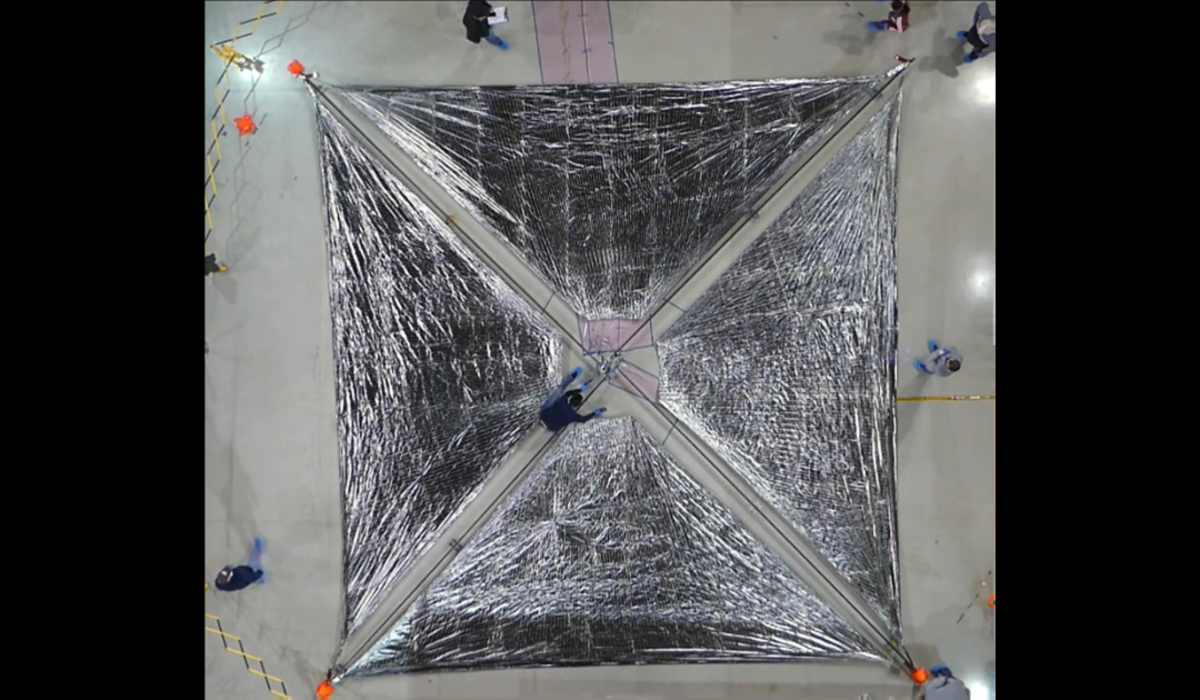
Lightsailing harnesses the power of photons, coming from either the Sun or artificial light sources, that exert radiation pressure on a large, highly reflective sail. A spacecraft being propelled by this pressure can potentially travel at a speed on the order of that of light without using any conventional fuel. In fact, over the past two decades, the technology has been successfully applied to several space missions. For instance, the IKAROS probe, launched by the Japan Aerospace Exploration Agency (JAXA) in 2010, became the first spacecraft to use lightsail technology in interplanetary space as it flew by Venus.
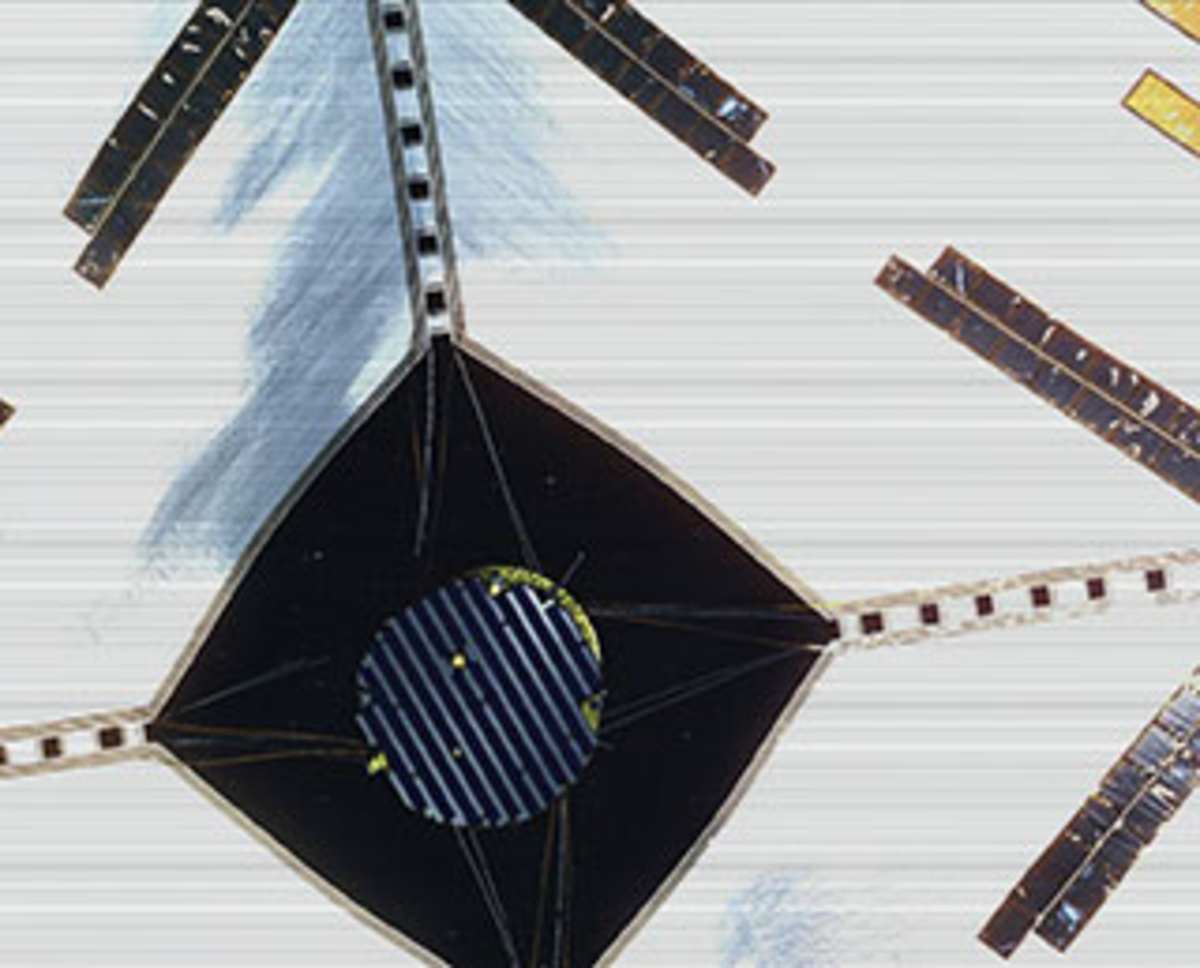
But Shen and Li describe how the technology may face problems by breaking down three forces photons exert on a solar sail when they hit it. The first one is the incident light—the raw momentum with which photons crash against the sail. The second is specular reflection, or the momentum from when photons bounce perfectly off the sail. And the third is diffuse scattering, which is the momentum from the photons that are absorbed by the sail and then pushed out haphazardly.
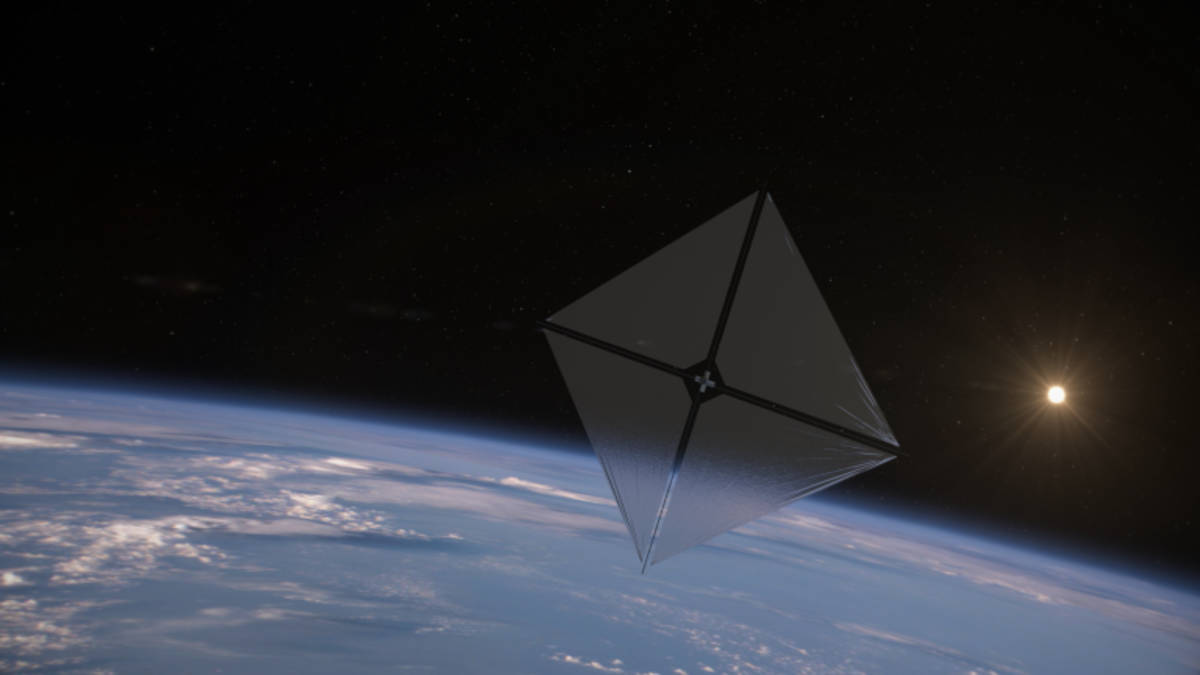
The researchers say that problems begin to manifest when the solar sail starts to gain velocity and start approaching the speed of light. It faces a severe Doppler effect as it rushes away from its light source. The thrust generated by all three components of light decreases as the frequency of light declines. This makes acceleration difficult. The biggest problem, however, arises when the solar sail reaches 75% of the speed of light, as it gets subjected to relativistic light aberration at this point. While the diffusely scattered light is directed in the direction of the sail's motion, it also generates an equal and opposite reaction, which exerts an active drag on the sail. The resulting drop in efficiency is significant even though the net force of the laser remains positive.
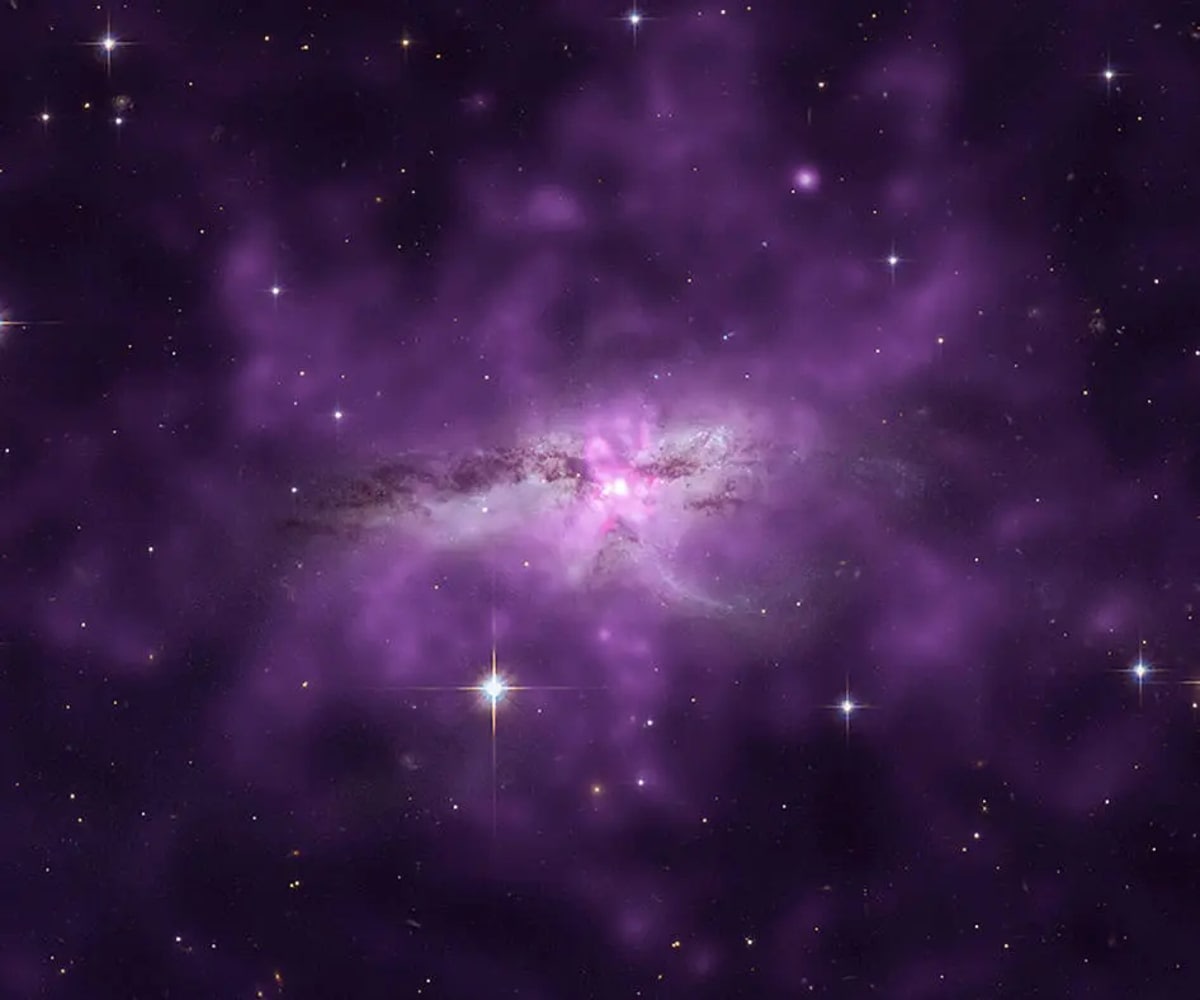
What is also important to note is that the study does not take non-radiative factors, such as drag from interstellar gas and dust, into account. Any limitations that the sail material might have, including its thermal tolerance, have also not been considered. Moreover, there are a host of other problems that interstellar travel may bring forth. But then again, we are not planning to undertake a journey of that scale anytime soon.
More on Starlust
Can solar sails send humans to another star? Study reviews current state of 'sci-fi' technology
Future satellites could use light as fuel in outer space: 'Propellant-free propulsion future'