Meteor showers, Supermoons, and planetary alignments: Top skywatching events between June and December 2026
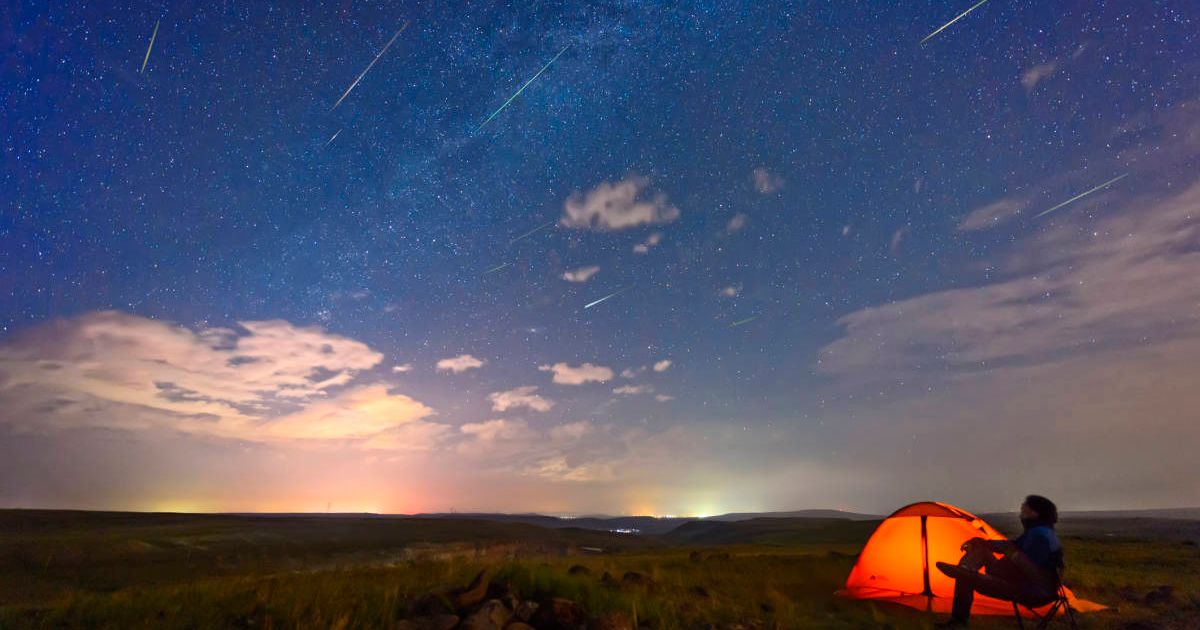
Multiple meteor showers, a planetary parade, and a total lunar eclipse—the first half of 2026 had a lot for skywatchers. And the second half of the year isn't going to be too different either. Of course, some events will be more prominent than the others, but it's going to be an eventful six months nonetheless.
June: Venus and Jupiter light up the evening sky
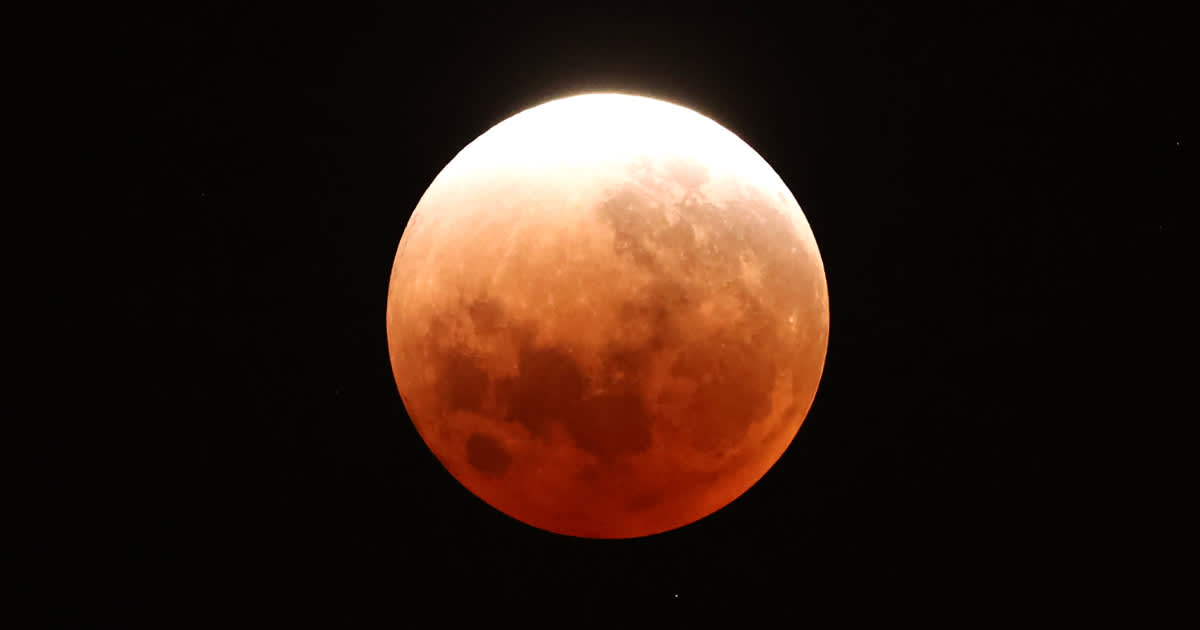
June begins with a stunning conjunction of Venus and Jupiter on June 8 and 9, 2026. Once you look west after sunset, you'll find Venus first, with Jupiter, which will be a little fainter, appearing next a little higher than its companion. It's important to note that the event is not just restricted to just the two evenings, and those interested can spot the pair even on days approaching the aforementioned dates. That being said, June 8 and 9 will be the dates on which the two planets will be the closest to each other at just 1.5 degrees apart. That's basically the length of your pinky finger held at arm's length. And while optical aid won't be necessary to catch the conjunction, even an ordinary pair of binoculars is sure to enhance the viewing experience.

July: Two meteor showers peak, but the Moon plays spoilsport
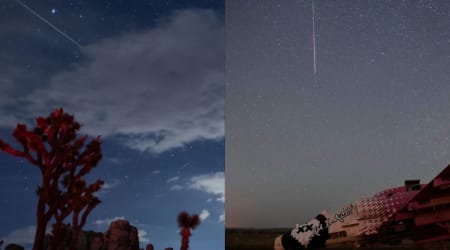
Two meteor showers, the Southern Delta Aquarids and the Alpha Capricornids, are going to reach their peak between July 30 and 31, 2026. The Delta Aquariids are best seen from the southern side of the world. The visibility is not as good in the Northern Hemisphere owing to the radiant (the area in the sky where the meteors seem to come from) lying lower in the southern sky. The Alpha Capricornids, on the other hand, are seen equally well on either side of the equator and produce bright fireballs. All that said, the visibility of both showers will be affected as their peaks will coincide with a 98% illuminated Moon.

August: The Perseid meteor shower and a total solar eclipse
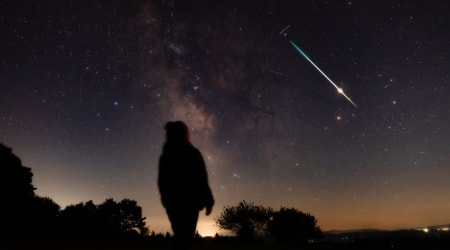
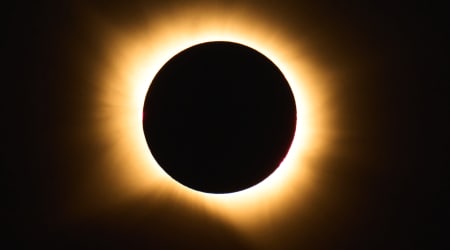
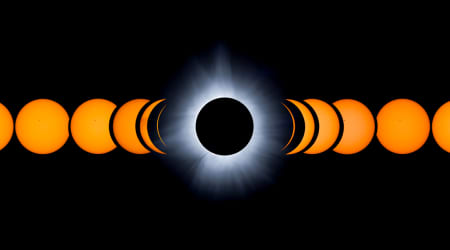
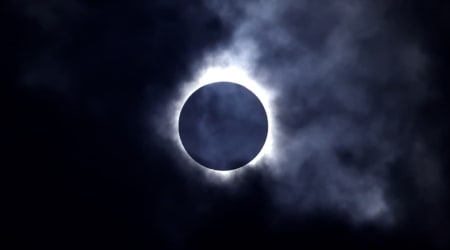
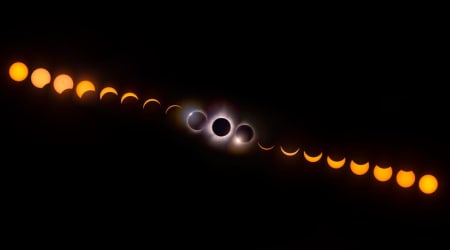
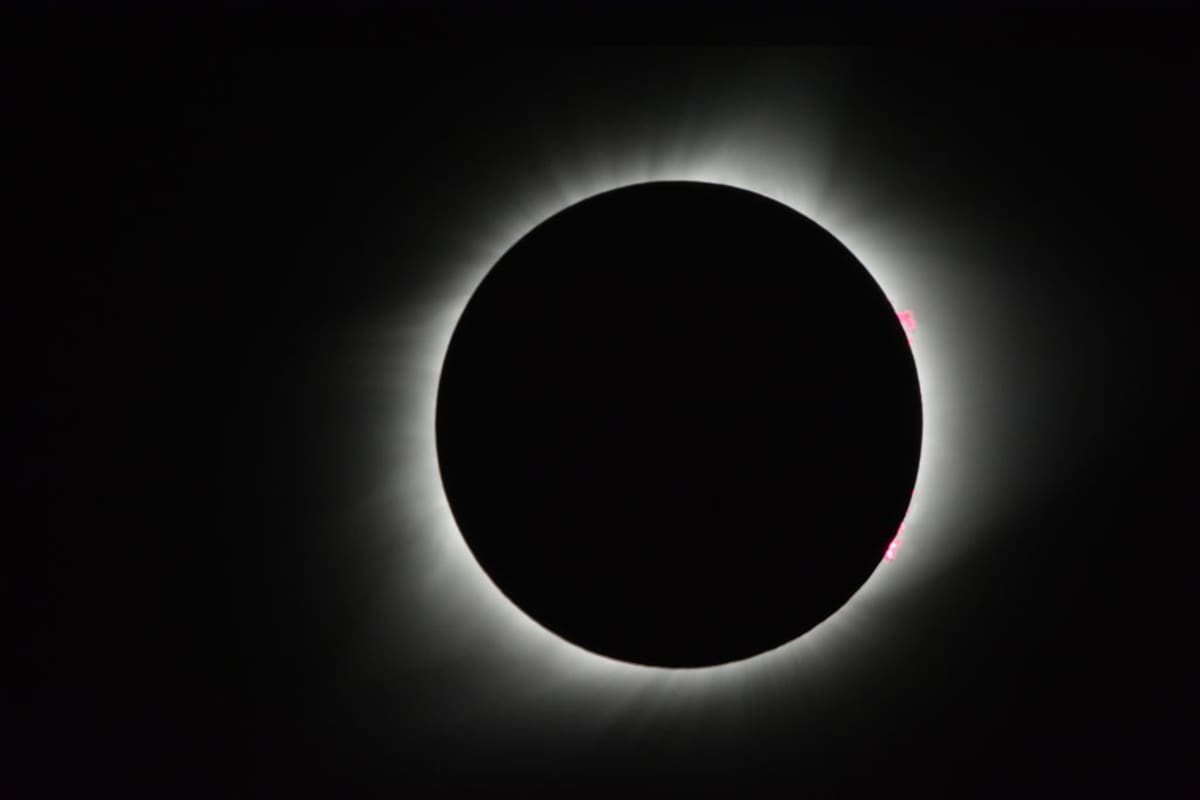
The celestial events in August begin with the peaking of the Perseid meteor shower on August 12 and 13, 2026. With the New Moon in the sky, viewing conditions are set to be optimum too, as long as the weather is kind enough. Rural locations with minimum light pollution can get to see as many as 30-50 meteors an hour during the shower's peak. August 12 will also see a total solar eclipse, with the path of totality crossing Greenland, Iceland, Spain, and a small area of northeastern Portugal. Other parts of Europe will see a partial solar eclipse.
September: Neptune reaches opposition
On September 25, 2026, the Earth will come between the Sun and Neptune, thereby placing the distant planet opposite to our host star in our sky. This phase, called the opposition, will see Neptune venture the closest to our planet and shine the brightest. That being said, observers will still need a pair of decent binoculars or a telescope to view the planet as it's at about 30 times the distance from the Sun.

October: Saturn reaches opposition
After Neptune, Saturn will reach its opposition on October 4, 2026, and will be brighter than usual, shining throughout the night. Later in the month, on October 21 and 22, the Orionid meteor showers will peak. The Moon, however, will be 80% at the time, so expect the visibility of the shower to be affected.

November: More meteor showers and a stunning Supermoon
The Southern and Northern Taurids will peak on November 4-5 and 11-12, 2026, respectively. The Southern Taurids are known for being rich in fireballs, and with the Moon at just 18% illumination during the peak, observers could be in for a show. Later in the month, on November 24, the first in the series of three consecutive Supermoons (November, December, and January) will reach its peak, appearing larger and brighter than a typical Full Moon.
December: A Christmas Eve Supermoon closes out 2026
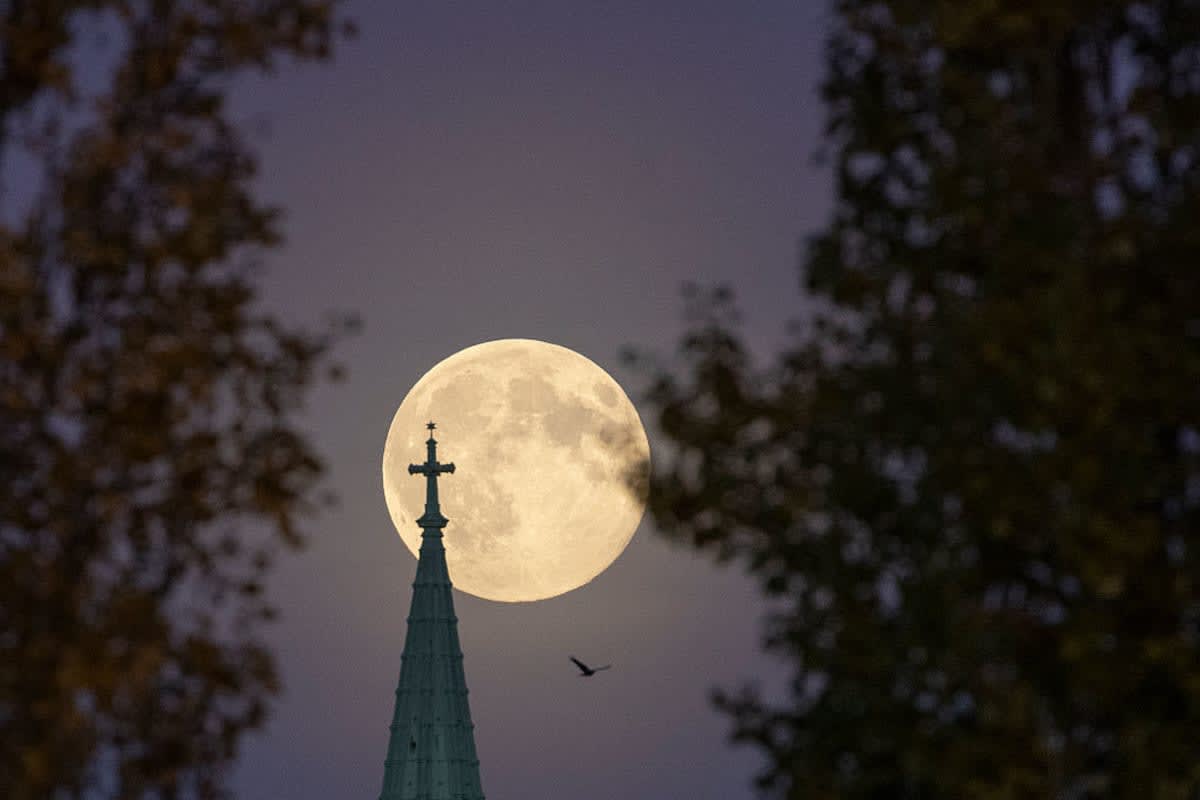
The Geminid meteor shower, known for its green meteors, will peak on December 13 and 14, 2026. Then, on December 24, as the Christmas spirit lights up every household, the final Supermoon of the year will also light up the sky.
More on Starlust
May 31 'Blue Moon' is also going to be a 'Micromoon'—here's what it means
Skywatching tips for May 2026: What's next after the Flower Moon and the Eta Aquariids?