Spot Jupiter and Venus this May ahead of their conjunction in June 2026—here's how

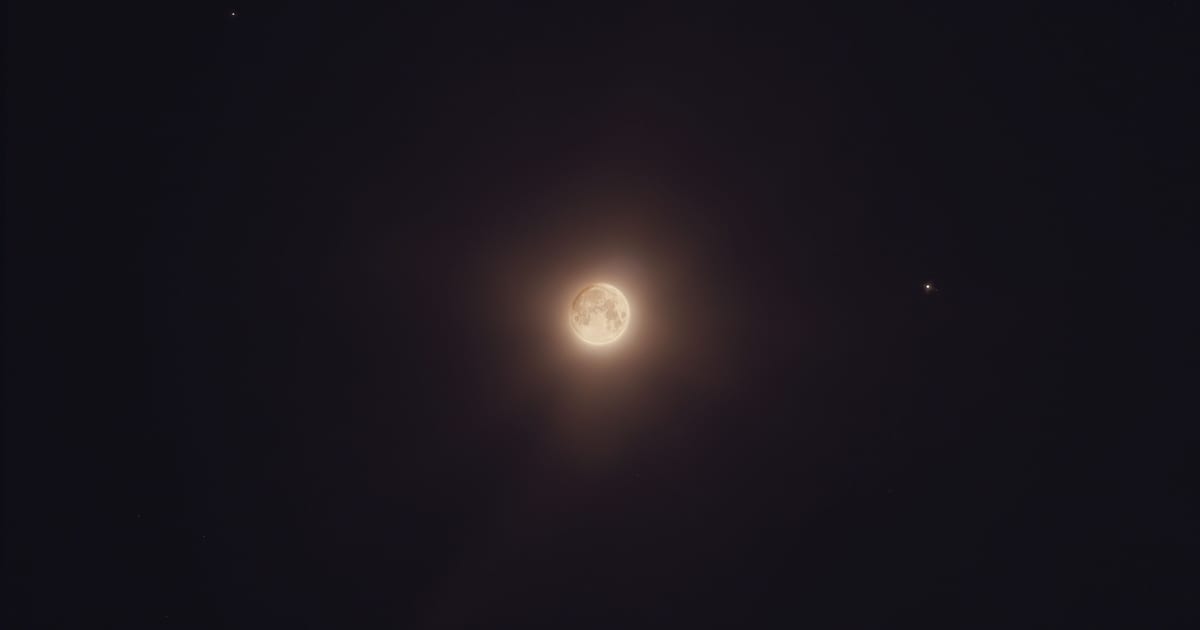
Stargazers across both hemispheres here on Earth are in for a series of spectacular celestial displays this May, ahead of the highly anticipated conjunction of Venus and Jupiter in June 2026. Earlier this week, between May 18 and 20, stargazers were treated to a striking sight on the western horizon, as a waxing crescent Moon glided into the vicinity of Jupiter, the second-brightest planet in the night sky, while positioning itself right above Venus, which happens to be the brightest planet our naked eyes can see.
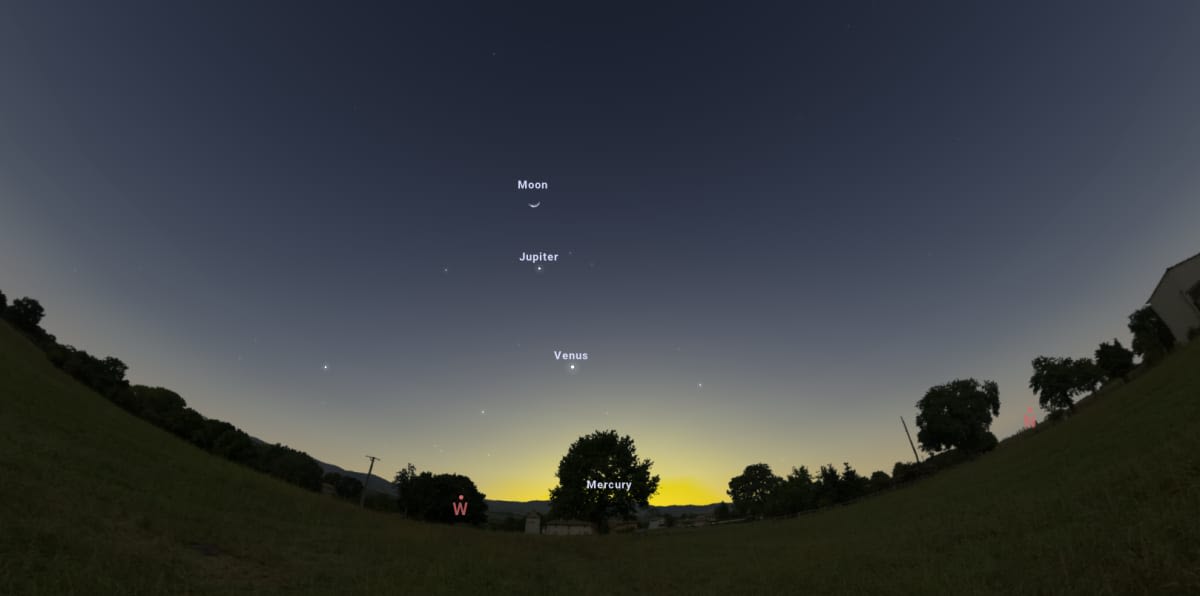
Catching this ongoing convergence of these celestial bodies does not require any kind of visual aid: stargazers can simply look to the west after sundown to watch this phenomenon as it unfolds over two weeks. Throughout this time, it will be Venus that will appear closer to the horizon, rising slightly higher with each passing day, while Jupiter sinks. By the end of the month, on May 31, 2026, viewers in both the Northern and Southern Hemispheres will get to see a new addition to the night sky. This is when Mercury begins to make its appearance low above the western horizon at dusk. In spite of a fully illuminated Blue Moon in the sky, and despite its apparent proximity to Venus and Jupiter, Mercury will still make a prominent presence when it comes into view.
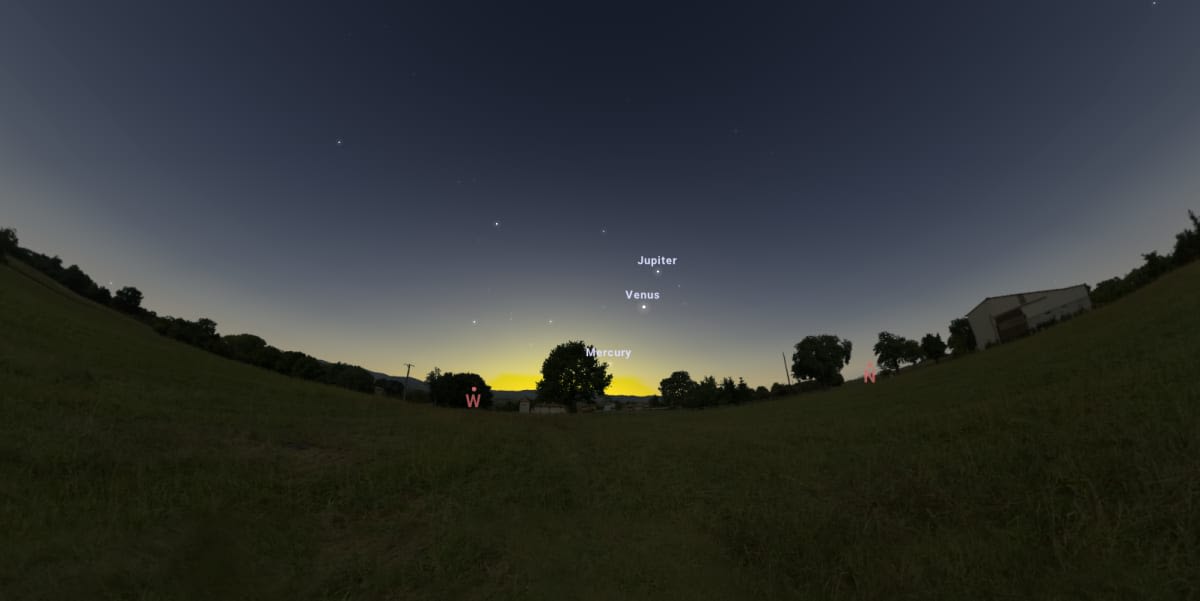
To make out the differences in the visual characteristics of Venus and Jupiter, such as color, one can peer through binoculars when the planets near conjunction. According to Earthsky, a subtle color difference will be visible, with Venus looking white in color and Jupiter appearing slightly yellowish due to its gaseous cloud tops. Furthermore, binoculars might also bring into view a few of Jupiter's four largest moons: lo, Europa, Ganymede, and Callisto. These Galilean moons will appear arranged in a line that roughly aligns with the gas giant's equator, although their individual features will be hard to distinguish. The window for observing these planets during this time is also short: one must ensure that the observation is made within a couple of hours of sunset, as all three planets mentioned will quickly follow the Sun below the horizon.
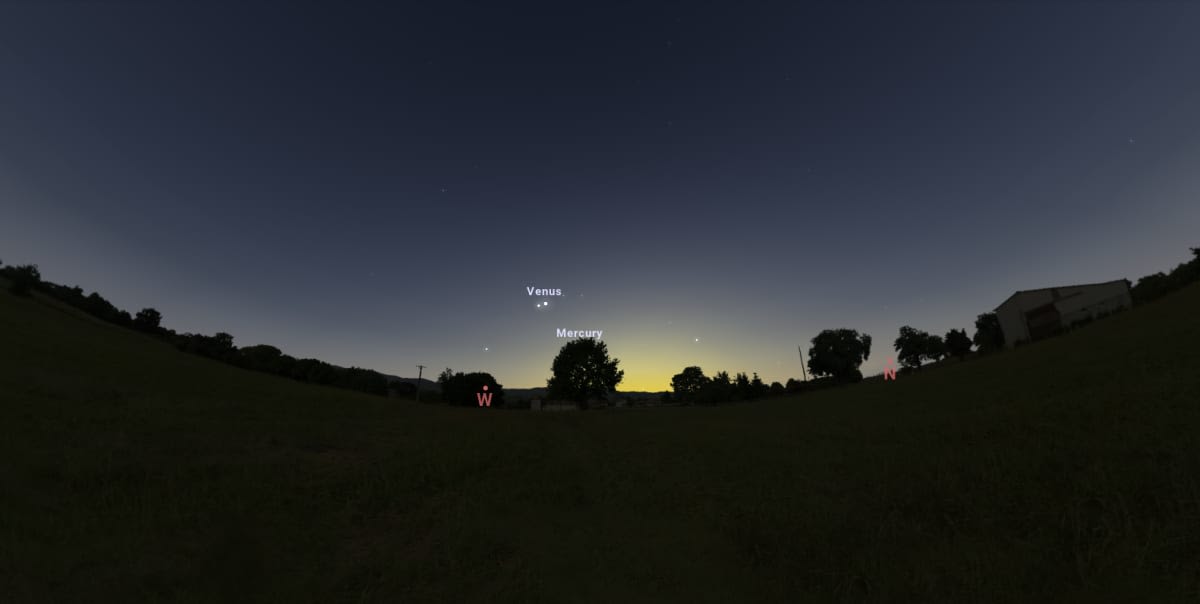
Although Jupiter and Venus are roughly the same apparent size in our night sky, it must be noted that they are vastly different in size and hundreds of millions of kilometers apart. The similarity of their appearance from our perspective on Earth is merely an optical illusion, as Venus is currently about 111 million miles (180 million kilometers) from Earth, whereas Jupiter is located much farther away at 560 million miles (900 million kilometers) from us. Moreover, Venus is covered with thick clouds that are quite good at reflecting sunlight. Specifically, Venus reflects about 70% of the sunlight that strikes it. In comparison, Jupiter reflects a lesser, but nevertheless a significant amount, with it returning about 52% of the incoming sunlight back into space.
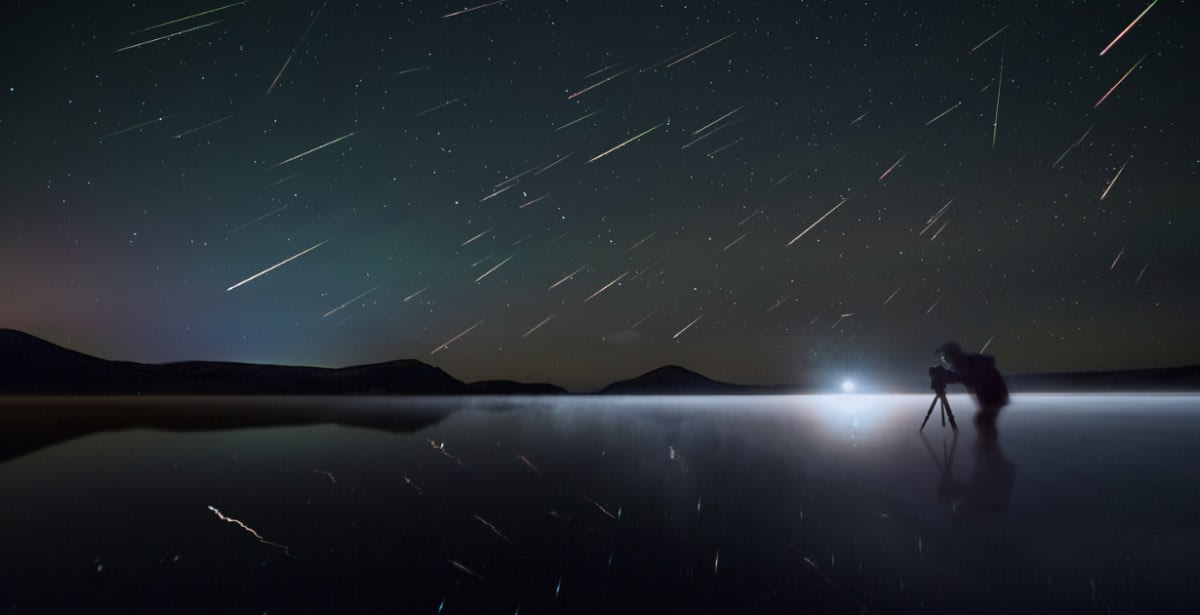
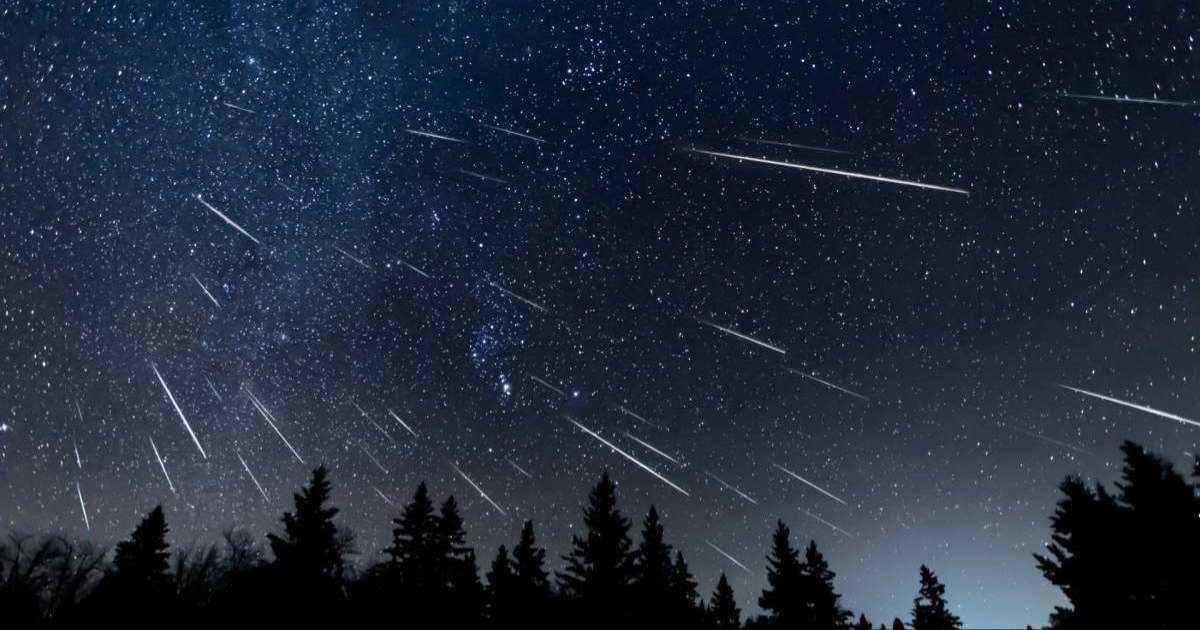
This planetary conjunction will culminate on June 8 and 9, 2026, when Venus and Jupiter close the gap in the sky. During this time, the two planets, from our perspective, will only be a mere finger's width apart, before they start drifting away from each other. However, this will not mean the end of other spectacular skywatching events for this year's summer: the Perseids meteor shower will peak on August 12 and 13, 2026, when over a 100 meteors an hour will streak across the sky.
More on Starlust
Flower Moon and Blue Moon 2026: Dates, time and how to watch May’s two stunning full moons
NASA's top skywatching events for 2026: Total lunar eclipse, Perseid meteor shower and more