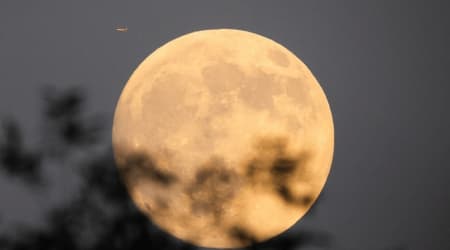
May 31 'Blue Moon' is also going to be a 'Micromoon'—here's what it means
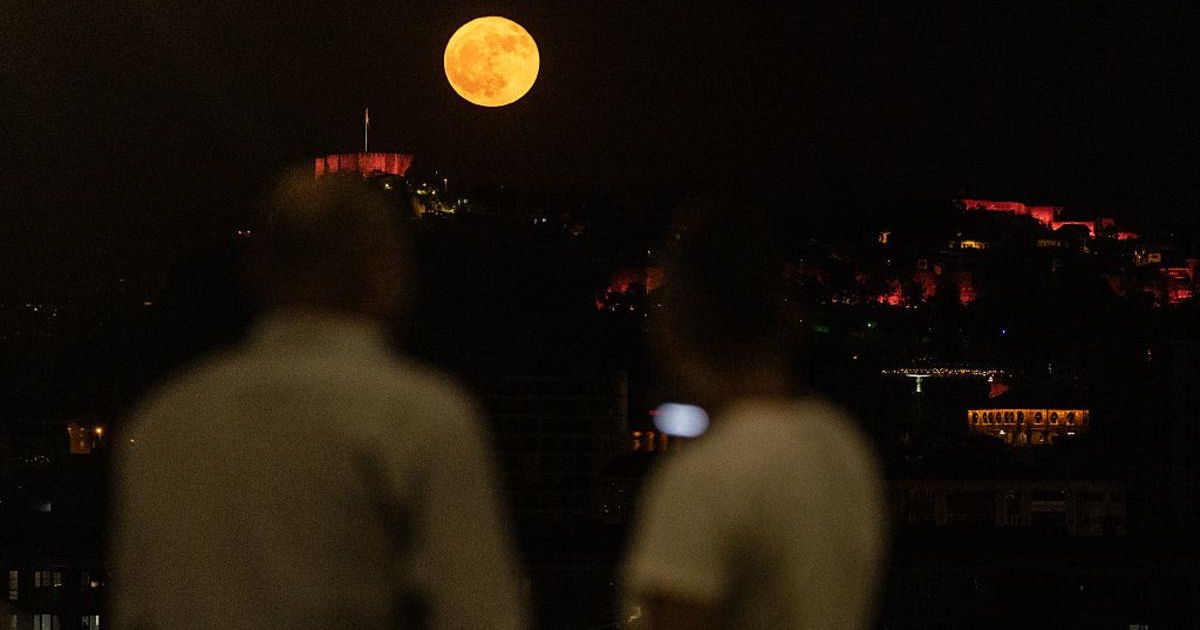
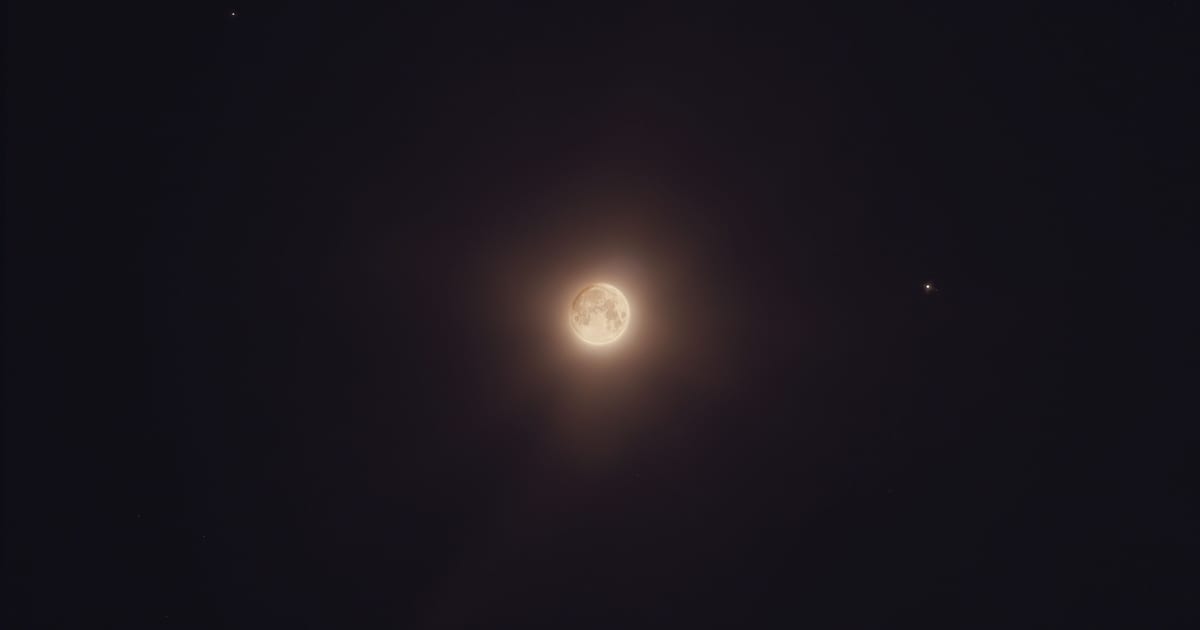
A rare celestial event will be taking place on May 31, 2026, as a Full Moon will grace the sky for the second time in the same month after the Flower Moon on May 1. According to NASA, this second Full Moon within a month is called a Blue Moon. What makes it more interesting is that, besides being a Blue Moon, this Full Moon on May 31 is also being considered a Micromoon.
What is a Micromoon?
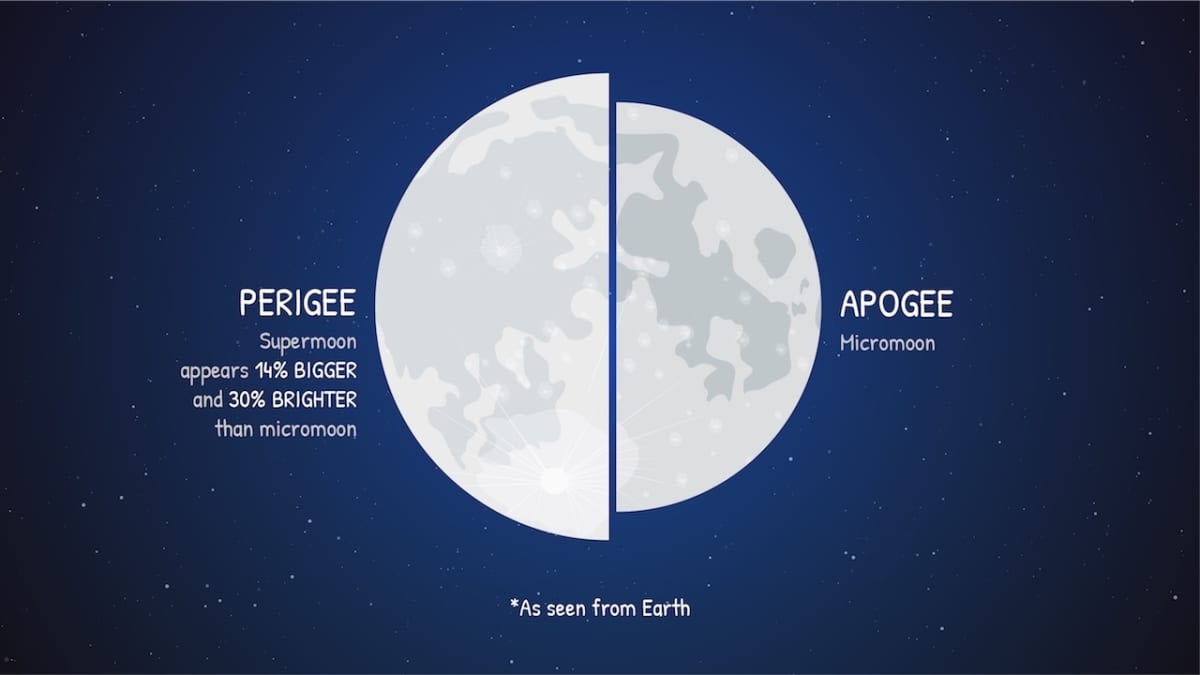
The Moon revolves around the Earth in an elliptical orbit, and so it has a nearest point (perigee) and a farthest point (apogee) with respect to our planet. When a Full Moon occurs near its farthest point from the Earth, it is called a Micromoon. In contrast, when a Full Moon occurs around its nearest point to the Earth, it is called a Supermoon. According to EarthSky, the May 31 Full Moon will be the most distant Full Moon of 2026. It will be 252,360 miles (406,135 kilometers) away as opposed to the average distance of 238,900 miles (384,472 km). As far as its size is concerned, a Full Micromoon appears around 12-14% smaller than a Full Supermoon and around 7% smaller than a Full Moon at an average distance.
The moonrise timings for May 31
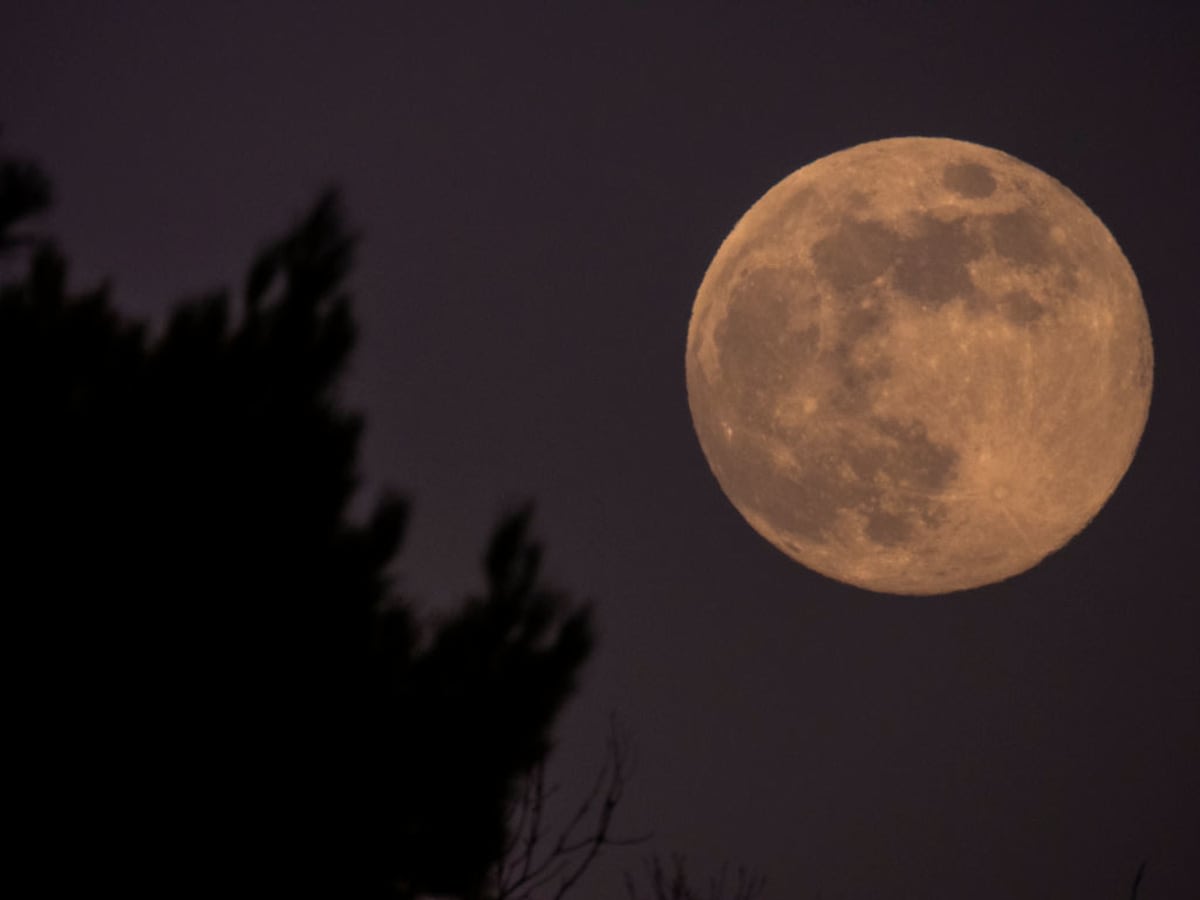
The Micromoon on May 31 will peak at 8:45 UTC. The moonrise timings for some of the major cities in local time, per Time and Date, are as follows:
New York: 21:12
San Francisco: 21:21
Toronto: 21:47
Montréal: 21:33
London: 22:04
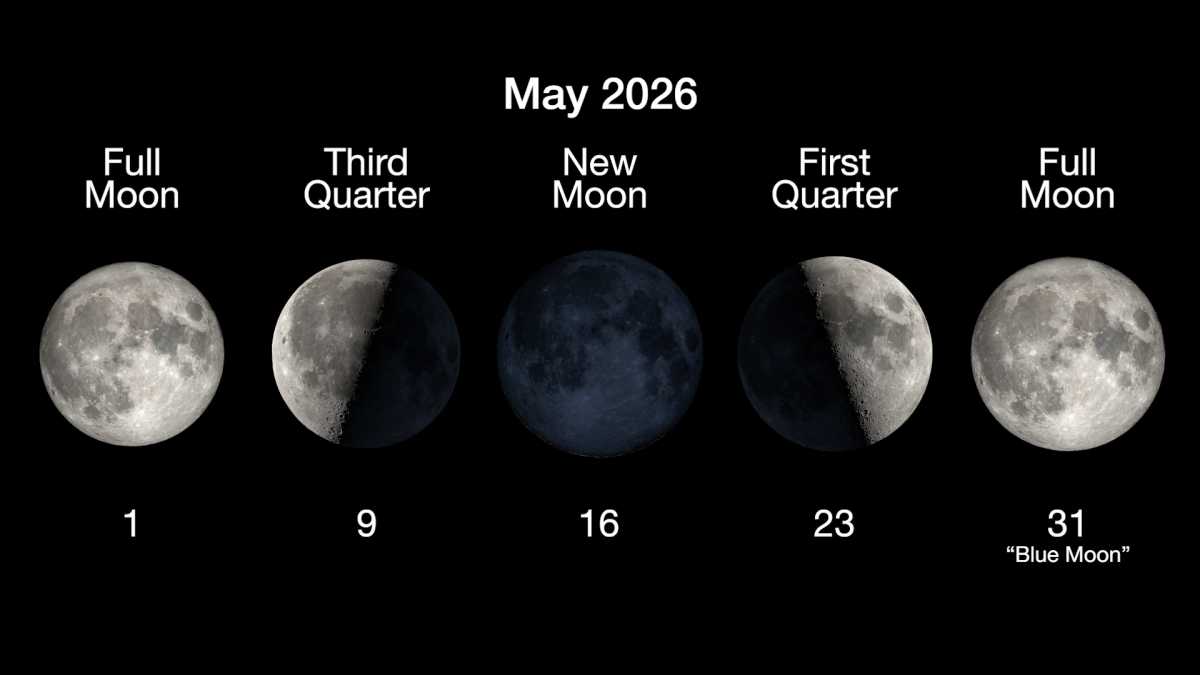
Can a Micromoon affect Earth's tides?
The biggest variation in high and low tide is noted around the time of the Full Moon and the New Moon, as the combined gravitational force of the Moon and the Sun pulls the ocean's water in the same direction. A Micromoon, on the other hand, causes a small variation of about 5 cm (2 inches) in tides, which are called apogean spring tides.
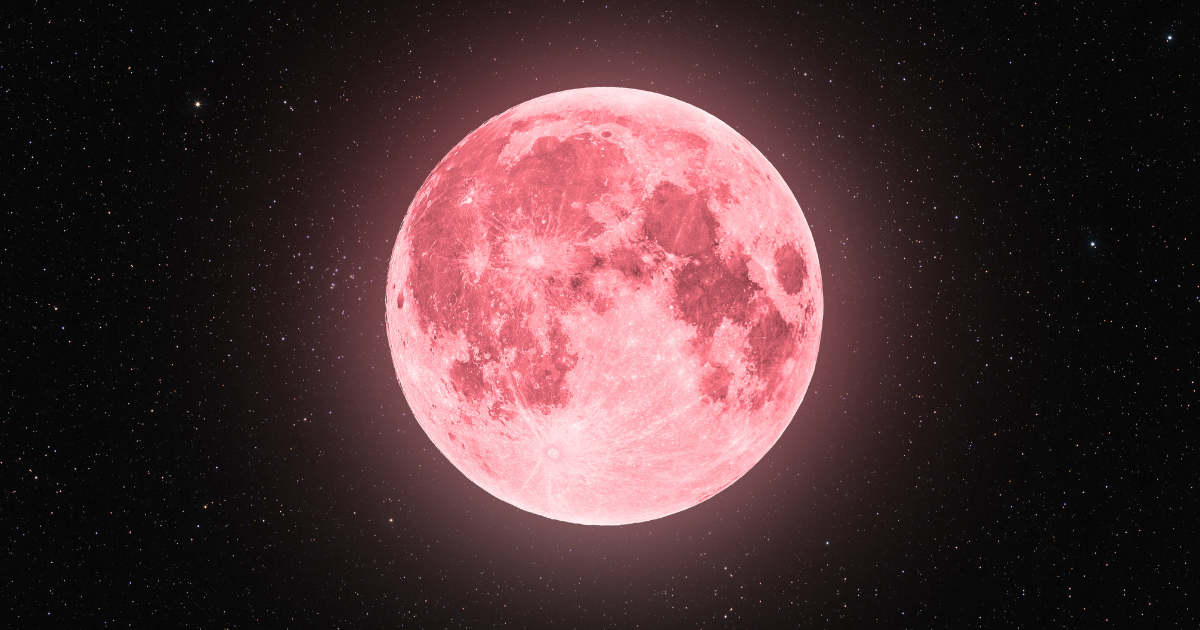
After May 31, the next Full Micromoon of the year will arrive on June 29. On account of being the last Full Moon of spring or the first of summer—an event used by many Native American people to mark the ripening of June-bearing strawberries—June's Full Moon is often called the Strawberry Moon, per the Almanac.
More on Starlust
Flower Moon and Blue Moon 2026: Dates, time and how to watch May’s two stunning full moons
Skywatching tips for May 2026: What's next after the Flower Moon and the Eta Aquariids?