Life on Mars? Astrophysicist Neil deGrasse Tyson and astrobiologist David Grinspoon break down NASA's latest discovery
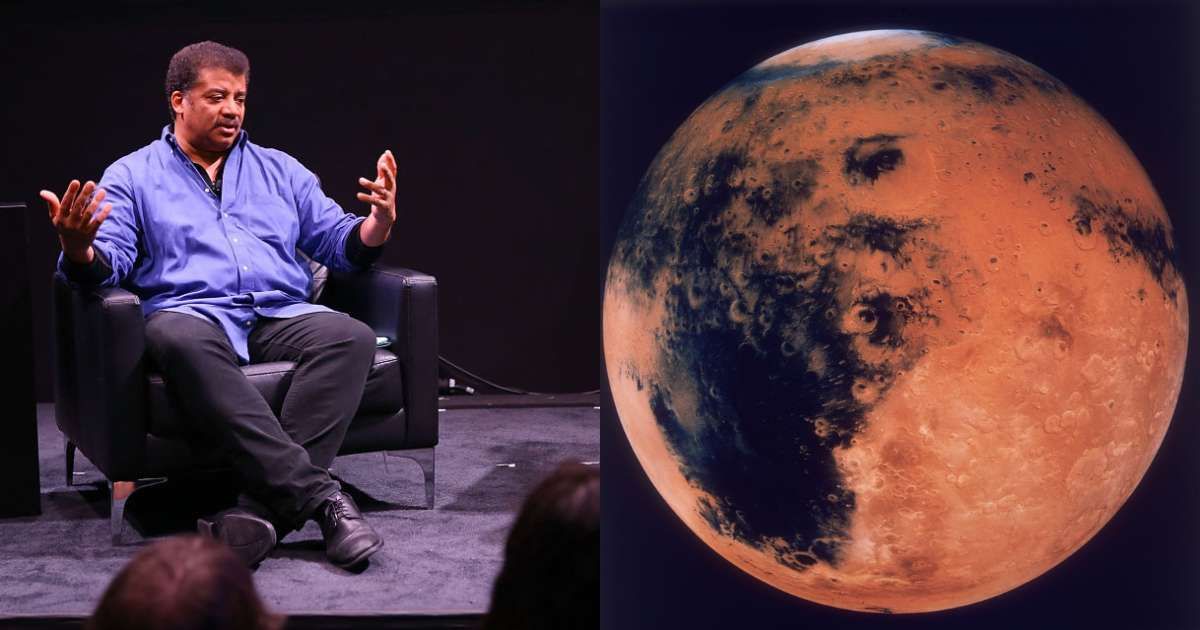
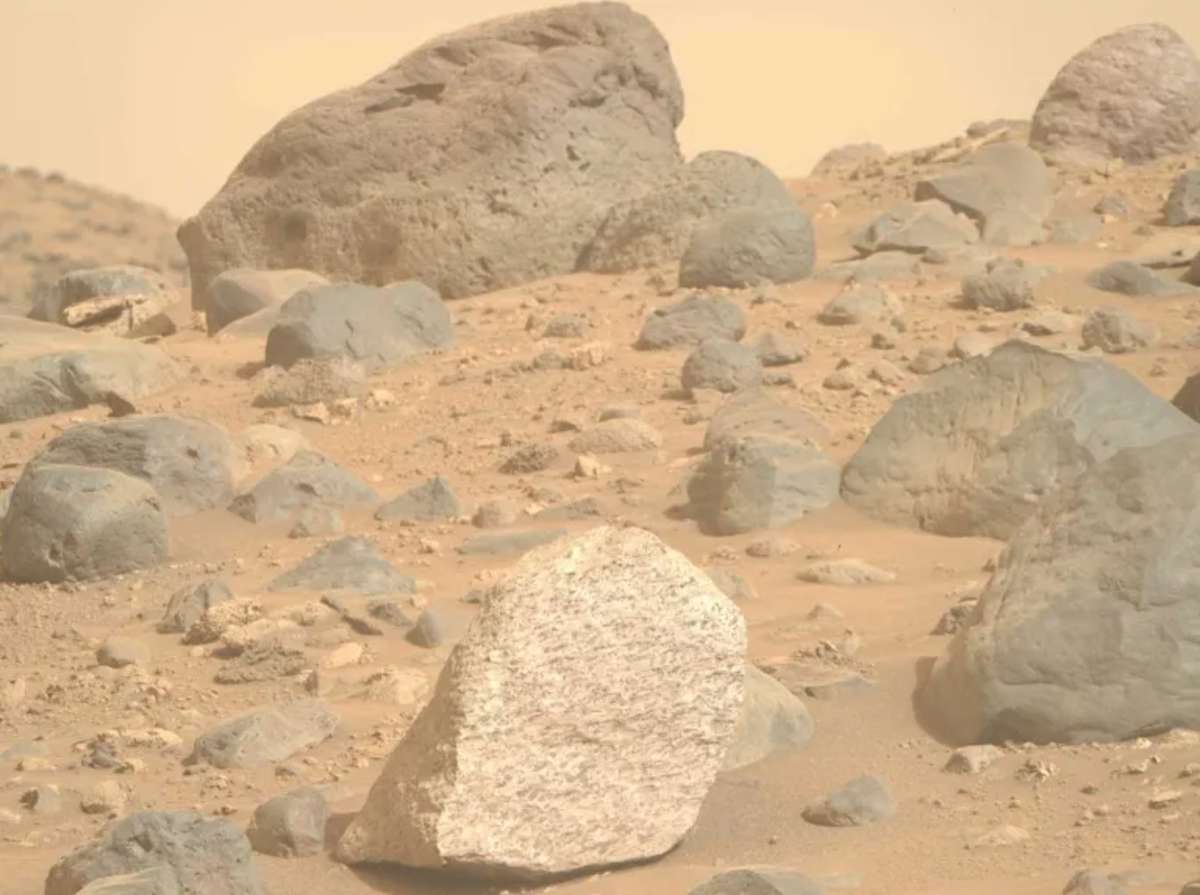
In a groundbreaking announcement that has reignited the debate about life beyond Earth, NASA's Perseverance rover has discovered compelling evidence suggesting the presence of ancient microbial life on Mars. The discovery, detailed in a new scientific paper, reveals a rock sample containing mineral and organic signatures that, on Earth, are almost exclusively linked to biological activity, as per Neil deGrasse Tyson's YouTube video.

While astrophysicist Neil deGrasse Tyson and astrobiologist David Grinspoon caution against declaring a definitive finding, they emphasize the significance of the discovery. "If we say NASA just found life on Mars, we're getting a little bit out over our skis," Grinspoon said, explaining that the evidence points to possible life billions of years ago, not today. "This seems to be legitimately the best evidence we've found for something on Mars that needs life to explain it."
Why was the evidence not found earlier?
The discovery was made in a region of Mars called the Cheyava Falls, where the Perseverance rover found a rock with unusual "leopard spots." Upon closer analysis, these spots were found to contain iron minerals known as vivianite and greigite, which are commonly associated with microbes on Earth. Notably, these minerals were discovered alongside organic compounds, the fundamental building blocks of life.
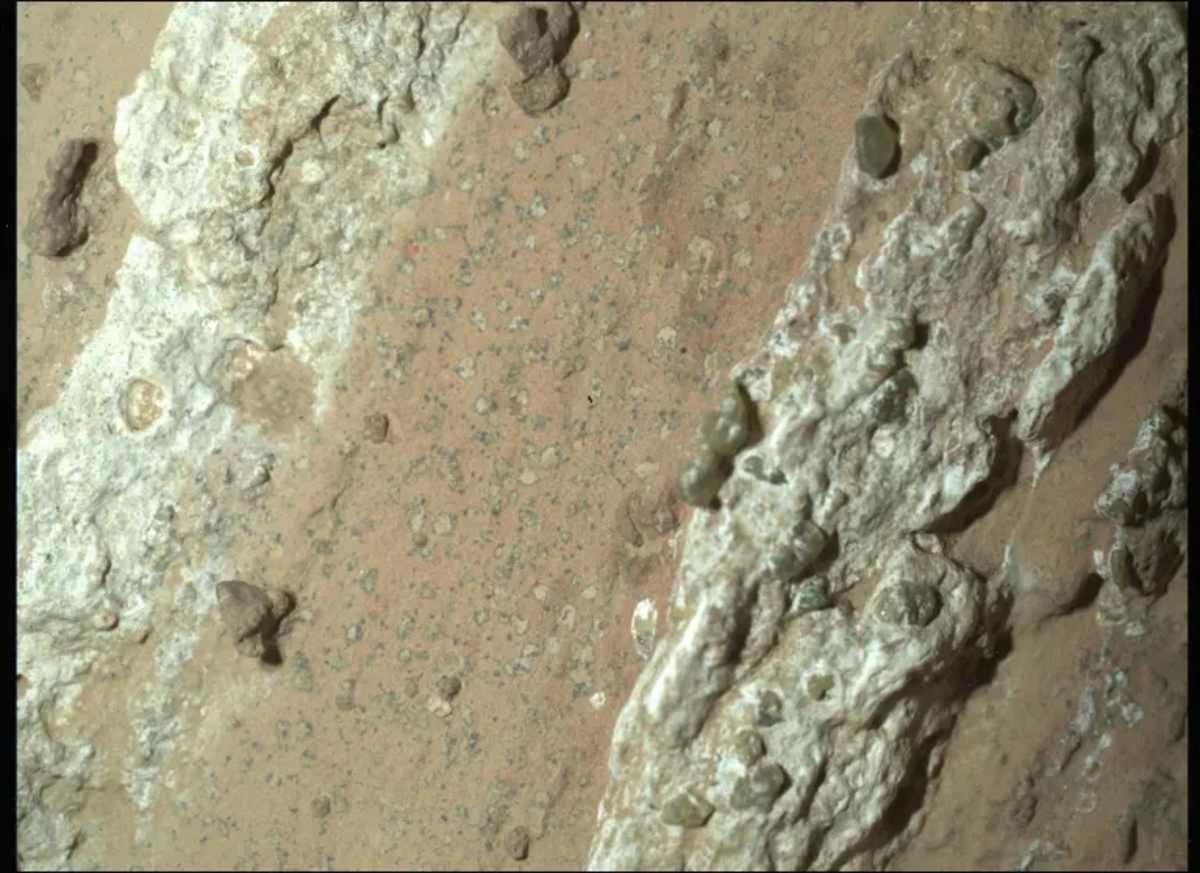
This combination of organic matter and specific biogenic minerals in a single location is what makes the discovery so compelling. According to Grinspoon, other explanations for the minerals' presence, such as high temperatures or an acidic environment, have largely been ruled out by the rock's chemistry. This specific type of deposit has not been found anywhere else on Mars, which explains why previous missions might have missed it. The Perseverance landing site, a former river delta, was chosen precisely for its potential to harbor signs of ancient life, validating the years of reconnaissance and planning.
Is there really life on Mars currently?
While the new evidence points to a potential "smoking gun" for ancient Martian life, the question of whether life exists on the planet today remains open. When asked by Tyson if there's any chance of finding life currently, Grinspoon stated, "We don't know that. I mean, I'm personally skeptical, but you will find a wide range of opinions on that."
The astrobiologist explained that a confirmed discovery of ancient life would increase optimism for finding current life, as it could have evolved and survived in subterranean environments. Scientists believe that liquid water could exist in aquifers beneath the Martian surface, heated by the planet's interior. However, whether these isolated environments could sustain a robust biosphere over billions of years is a matter of ongoing debate.
The Mars-Earth connection: Are we related?
The findings have also prompted a renewed discussion on the theory of panspermia, the idea that life can be transferred between planets. Given that meteorites from Mars have been found on Earth, it's plausible that microbes could have hitched a ride on these rocks. If the DNA of ancient Martian life were ever to be recovered and found to be similar to Earth's, it would suggest that humanity could, in fact, be descendants of Martians. The lead author of the paper is Joel Horowitz of Stony Brook University, part of a large team of scientists on the Perseverance mission.
More on Starlust
New research reveals how volcanic gases may have made early Mars a cradle for life
Mars has one more thing in common with Earth—scientists finally resolve a longstanding mystery