Mars has one more thing in common with Earth—scientists finally resolve a longstanding mystery
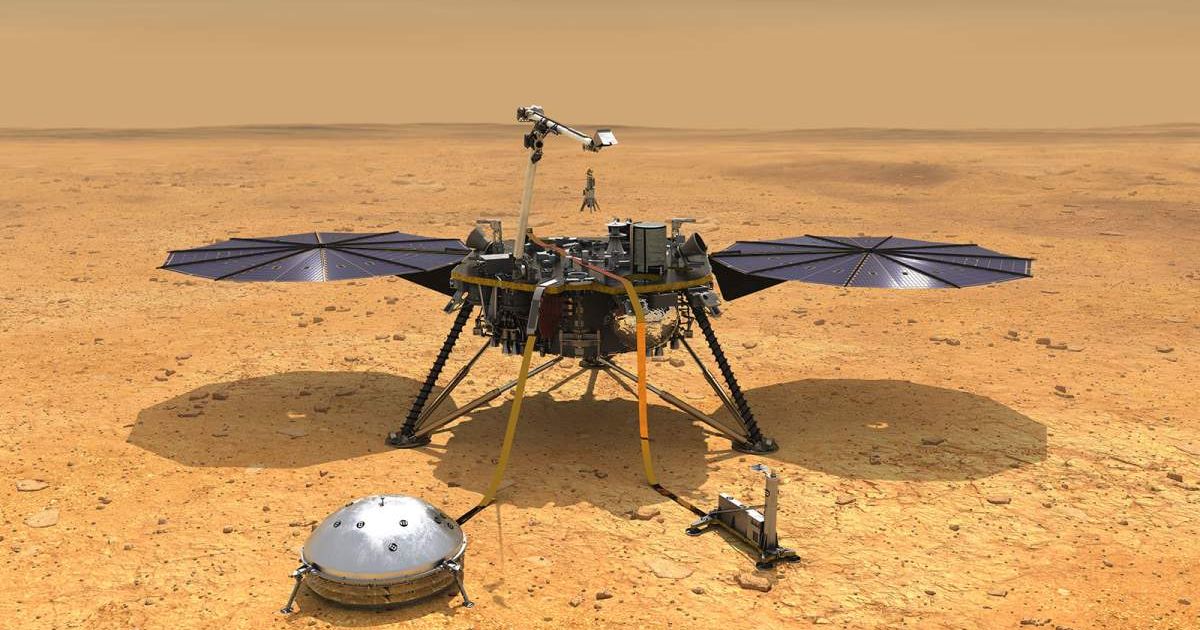
A new study suggests Mars possesses a solid inner core of iron and nickel, a striking parallel to Earth’s own internal structure. The research, led by a Chinese team, leverages data from NASA's now-retired InSight lander to revise long-held assumptions about the red planet's interior, per Phys.org.
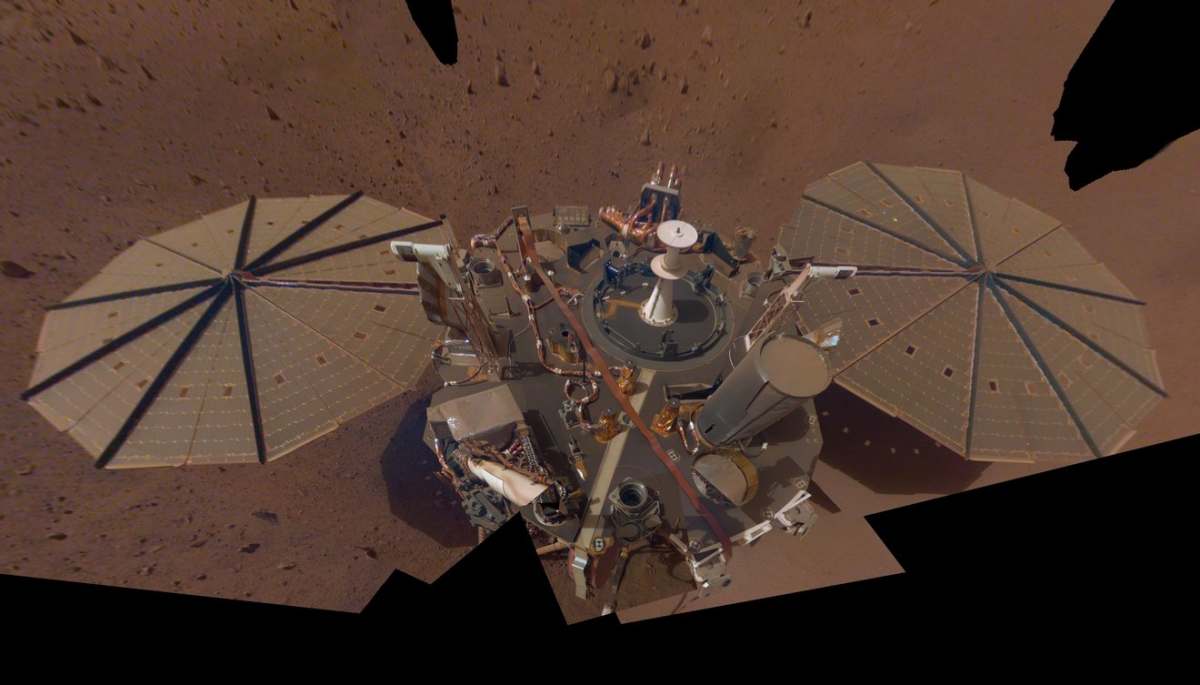
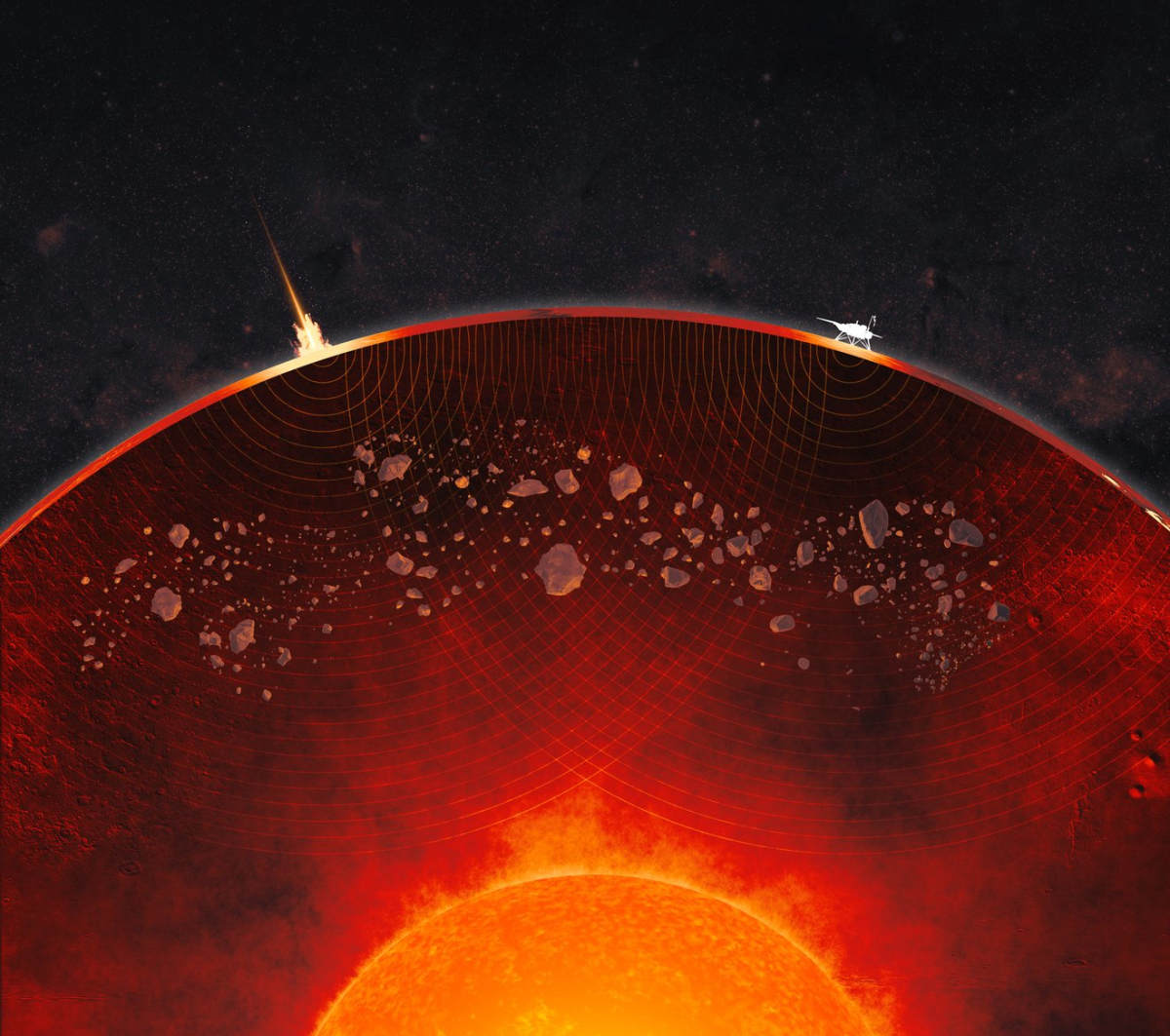
Published in the journal Nature, the findings challenge prior models that depicted Mars as having an entirely liquid core. Instead, scientists now believe the planet’s core is composed of a solid, metallic inner sphere surrounded by a molten outer layer. The core’s solid portion extends outward from the planet's center to a radius of approximately 380 miles. This solid mass, likely made of iron and nickel, is surrounded by a larger liquid outer core that reaches up to 1,100 miles from the center.
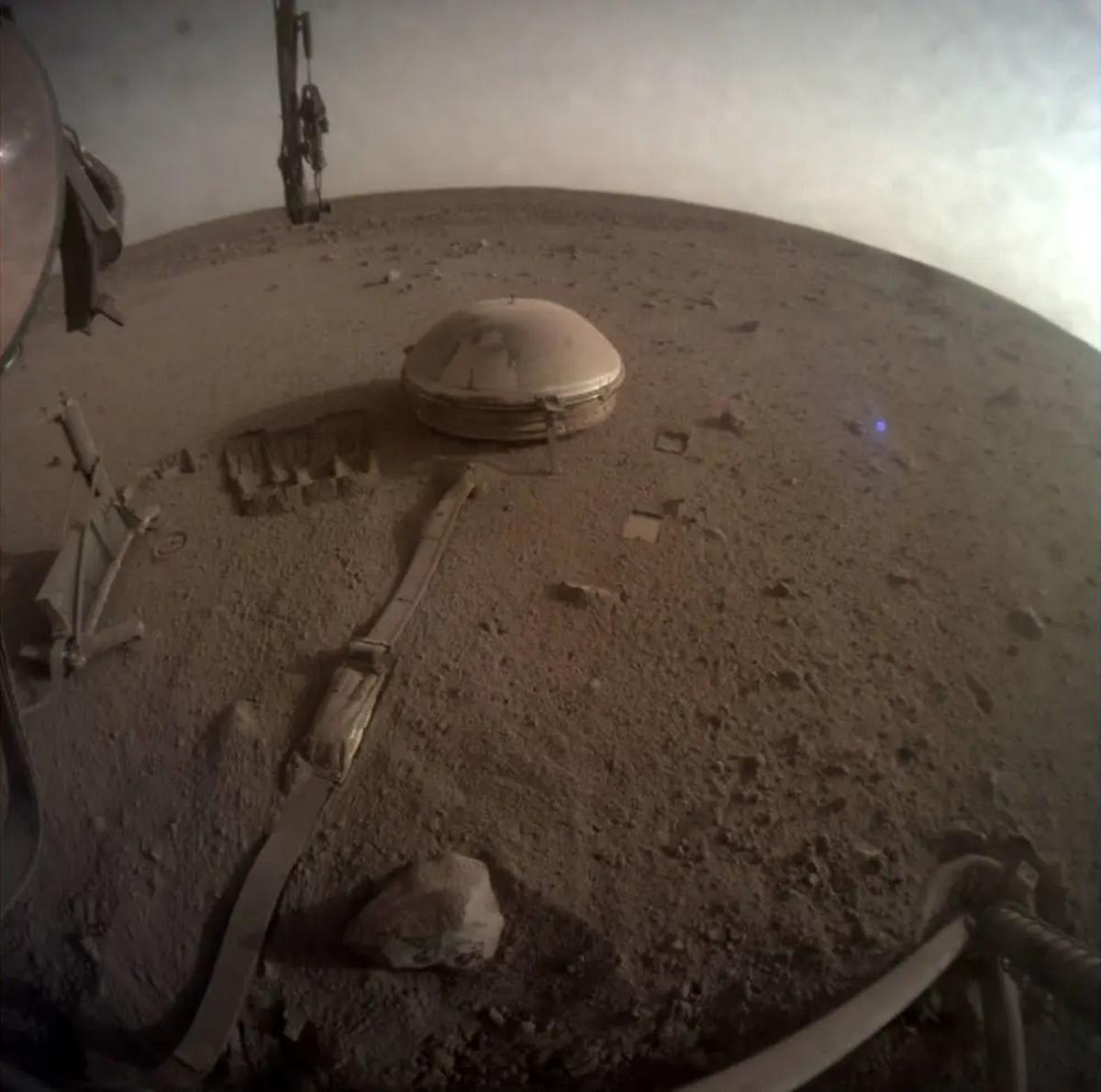
Researchers from the University of Science and Technology of China based their conclusions on seismic readings from over a dozen marsquakes. These tremors, recorded by InSight before its mission ended in 2022, provided crucial clues about the planet’s deep interior. According to lead investigator Daoyuan Sun, the crystallization of the inner core may be an ongoing process. While the discovery offers a significant leap in understanding, it also raises new questions. For example, it remains unclear whether the liquid outer core contains any solid material or whether there might be "a mushy zone" near the boundary between the inner and outer cores," he said.
Nicholas Schmerr, a geophysicist at the University of Maryland not involved in the study, acknowledged the importance of the new data but cautioned that many questions about Mars’ core remain unanswered. With InSight no longer operational, scientists lack a new source of seismic information, limiting their ability to create more detailed models of the core and its history. "There are a lot of details about the exact shape of the inner core and composition of the inner and outer core of Mars that will require a network of InSight-like seismometer stations to resolve," Schmerr said. Sun’s team hopes that further modeling will help clarify how the inner core formed and what it reveals about the history of Mars’ magnetic field, which is currently non-existent. Schmerr speculates that the slow crystallization of the core may be a factor in Mars’ lack of a magnetic field today.
Meanwhile, another team of scientists suggests that Marsquakes could be a new tool in the search for liquid water on the red planet. According to research led by Penn State scientists, seismic activity on Mars may generate electromagnetic signals if it passes through underground aquifers. While traditional methods used to detect water on Earth are not effective on Mars, this new approach could help locate water buried miles beneath the surface. The study, published in the journal JGR Planets, lays the groundwork for future analyses of data from Mars missions, according to Penn State.
“The scientific community has theories that Mars used to have oceans and that, over the course of its history, all that water went away,” said Nolan Roth, a doctoral candidate at Penn State and the study's lead author. “But there is evidence that some water is trapped somewhere in the subsurface. We just haven’t been able to find it. The idea is, if we can find these electromagnetic signals, then we find water on Mars.”
More on Starlust
NASA discovers rocky lumps in the Mars mantle, evidence of a violent past with impacts and quakes
Emirates Mars Mission's Hope probe unveils first-ever complete picture of Martian nighttime clouds