NASA finds signs of ancient microbial life on Mars in 'groundbreaking discovery'—what it means for humanity
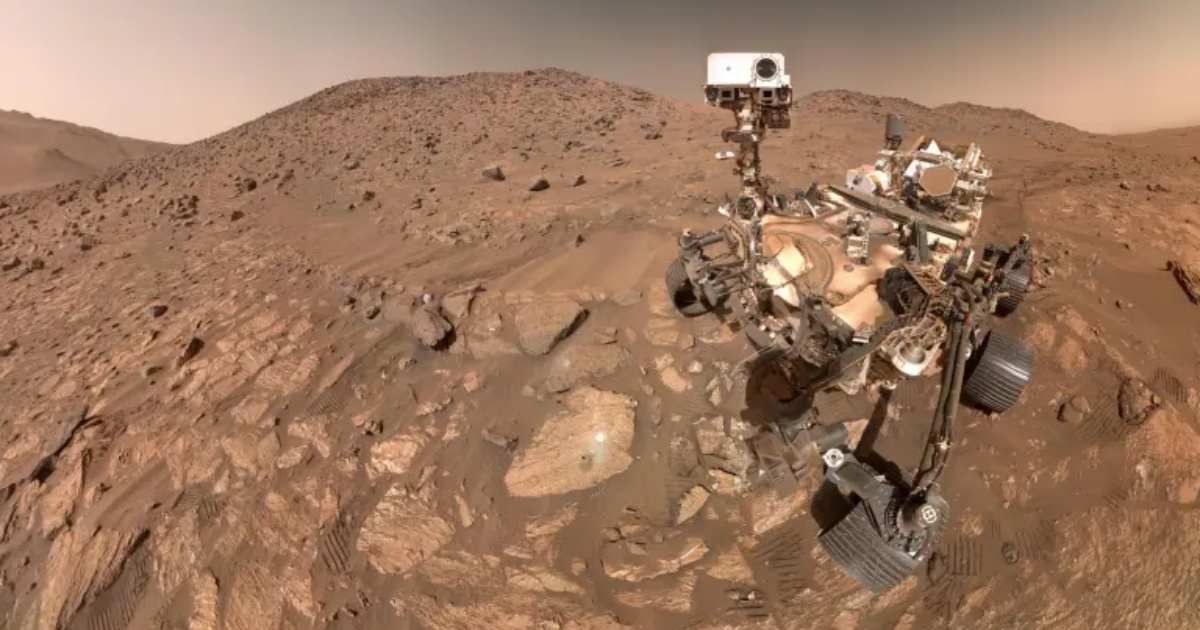
NASA's Perseverance rover has discovered a potential biosignature — a substance that may indicate past life — in a rock core collected from an ancient riverbed on Mars. The discovery, detailed in a new paper published September 10 in the journal Nature, marks a significant step in the search for extraterrestrial life.
After a year of scientific scrutiny, a rock sample collected by the Perseverance rover has been confirmed to contain a potential biosignature. The sample is the best candidate so far to provide evidence of ancient microbial life on Mars. https://t.co/0BAO1dhMG8 pic.twitter.com/JsOXgrNDmY
— NASA Mars (@NASAMars) September 10, 2025
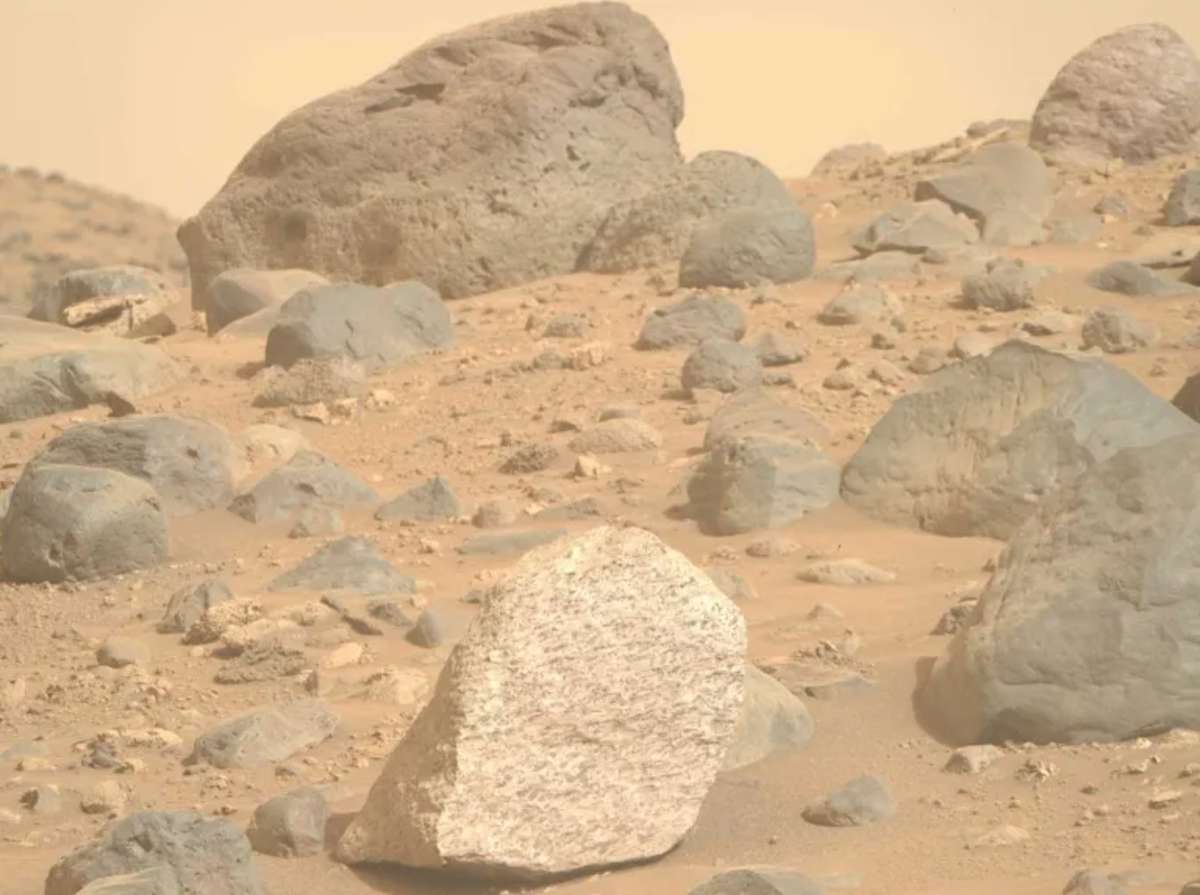
The sample, dubbed "Sapphire Canyon," was drilled last year from a rock named "Cheyava Falls" located in Jezero Crater. According to NASA, the find is the closest humanity has come to discovering evidence of life on the Red Planet. “The identification of a potential biosignature on the Red Planet is a groundbreaking discovery,” said acting NASA Administrator Sean Duffy. And this discovery, "will advance our understanding of Mars,” said Duffy.
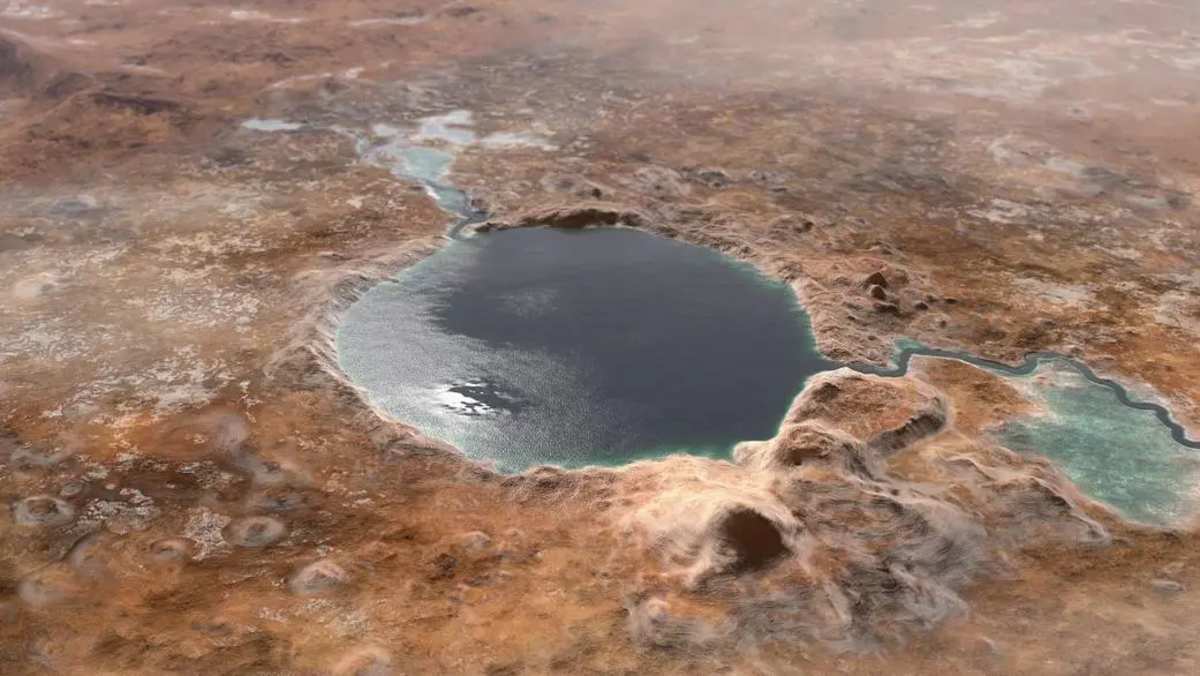
The rock, part of a formation known as “Bright Angel,” is composed of clay and silt — materials that are excellent at preserving microbial life on Earth. The sample is also rich in organic carbon, sulfur, and phosphorous, elements essential for life. Lead author Joel Hurowitz, a scientist at Stony Brook University in New York, explained that the combination of these chemical compounds could have been a rich energy source for ancient microbes.
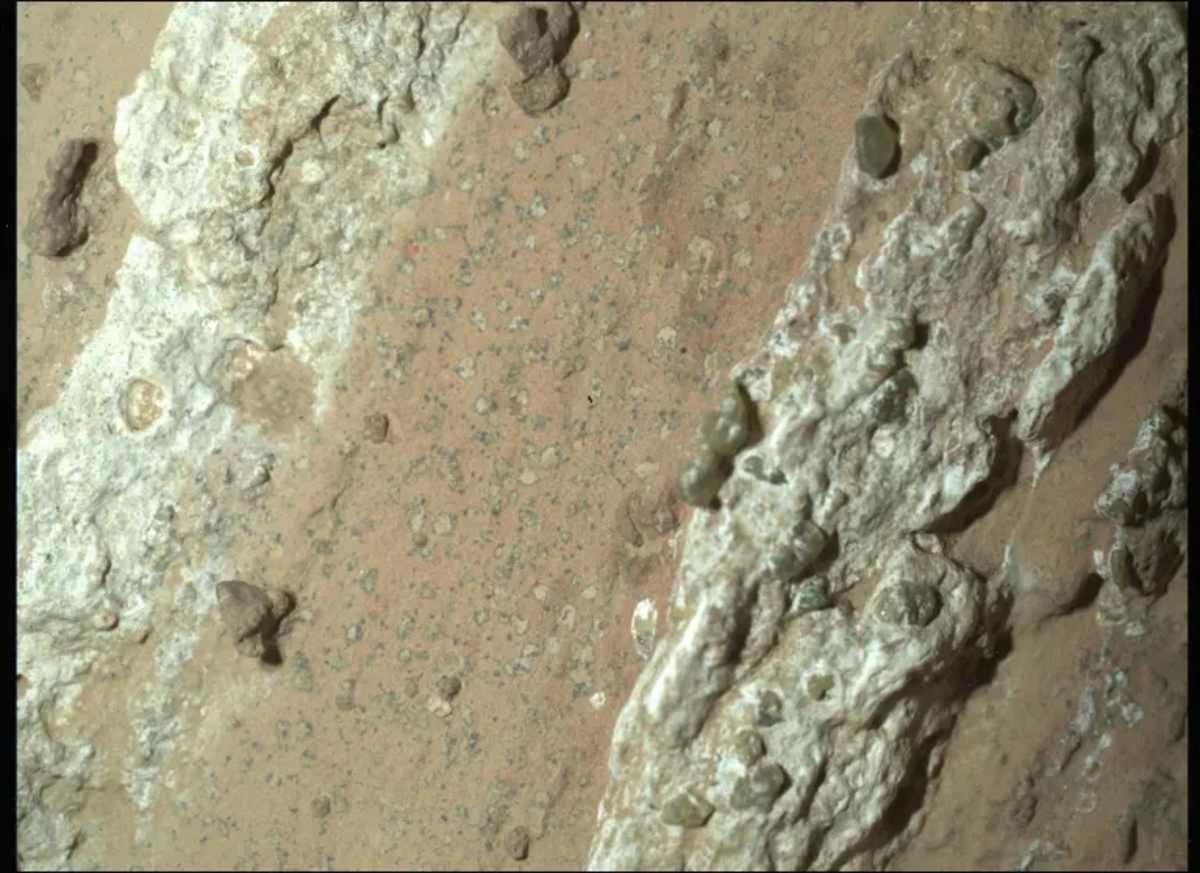
High-resolution imaging of the rock revealed distinct "leopard spots," a pattern of minerals arranged in reaction fronts. Scientists found two iron-rich minerals — vivianite and greigite — that are often associated with microbial activity on Earth. While these minerals can also form without life, the specific arrangement found in the rock suggests a biological origin. The study noted that the rock showed no evidence of high temperatures or acidic conditions, which are other ways these minerals can form. Formed by "electron-transfer," this interaction between sediment and organic matter produces energy to sustain growth.
“Astrobiological claims, particularly those related to the potential discovery of past extraterrestrial life, require extraordinary evidence,” said Perseverance project scientist Katie Stack Morgan. She emphasized that while abiotic explanations for the findings are unlikely, they cannot be completely ruled out. The discovery is particularly notable because the rock is one of the youngest sedimentary formations the rover has investigated. This suggests that Mars may have been habitable for a longer period of its history than previously believed. The Sapphire Canyon sample is one of 27 rock cores collected by the rover since it landed in February 2021. The samples are slated to be returned to Earth for further analysis by a future mission.
Perseverance is also providing new insights into Mars’ turbulent volcanic history. The rover recently arrived at a new location named "Westport," a geological crossroads where clay-rich rock formations meet a distinct layer of olivine-bearing rock. Scientists believe these olivine-rich rocks may be an intrusive igneous unit, evidence of ancient magma that pushed its way up from deep within the Martian interior before cooling and solidifying beneath the surface. If confirmed, this finding would offer a crucial window into a turbulent chapter of Mars' history, revealing how molten rock once forced its way into pre-existing geological structures.
More on Starlust
Perseverance rover captures stunningly clear panoramic view of Martian landscape
NASA's Perseverance Mars Rover strikes gold, discovers a trove of ancient rocks on Jezero Crater