✕
Astronomy Constellation Deep Sky Objects Skywatching Instruments Spaceflight Videos
Home / Galleries

Astronomer reveals one of the biggest misconceptions about alien life

Astronomy Jul 28, 2026
BY DISITA SIKDAR
Stock illustration of two space aliens in black jumpsuits against the background of space and the planet. (Image Credits: Lena_graphics/Getty Images)
Could our biggest assumptions about extraterrestrials be wrong? A scientist explains why we're searching the wrong way.
6 Photos
1 / 6
Scientist offers a fresh perspective on the search for aliens
IMAGE SOURCE: CHAINATP/GETTY IMAGES

Scientist offers a fresh perspective on the search for aliens

When we speak of aliens, the first image that comes to mind is that of a monstrous being. But University of Victoria, British Columbia’s Professor Jon Willis has an entirely different take on what alien life might look like. In his book ‘The Pale Blue Data Point,’ Willis tries to break down what extraterrestrial beings (if any) are and what might be the best way to find them. 

2 / 6
What do Aliens really look like?
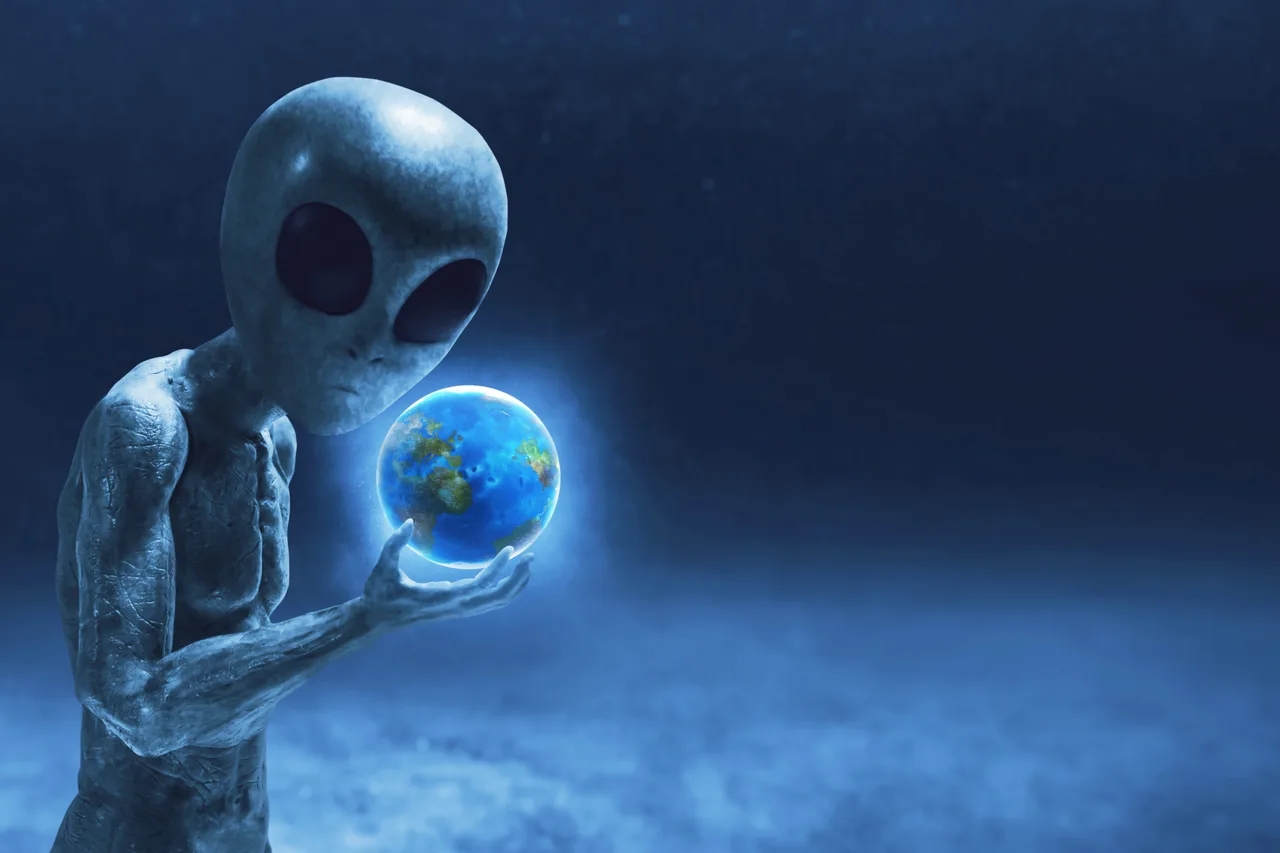
IMAGE SOURCE: FOTOKITA/GETTY IMAGES

What do Aliens really look like?

According to Professor Jon Willis, aliens might not be the ones with an elongated head. Rather, alien life can be as simple as a single-celled organism. And the biggest example of the same is Earth itself. Our very own Blue Planet consists of a vast array of single-celled organisms. Thus, Professor Willis feels that scientists must redirect their search for extraterrestrials towards more basic lifeforms. 

3 / 6
How do scientists search for alien life?

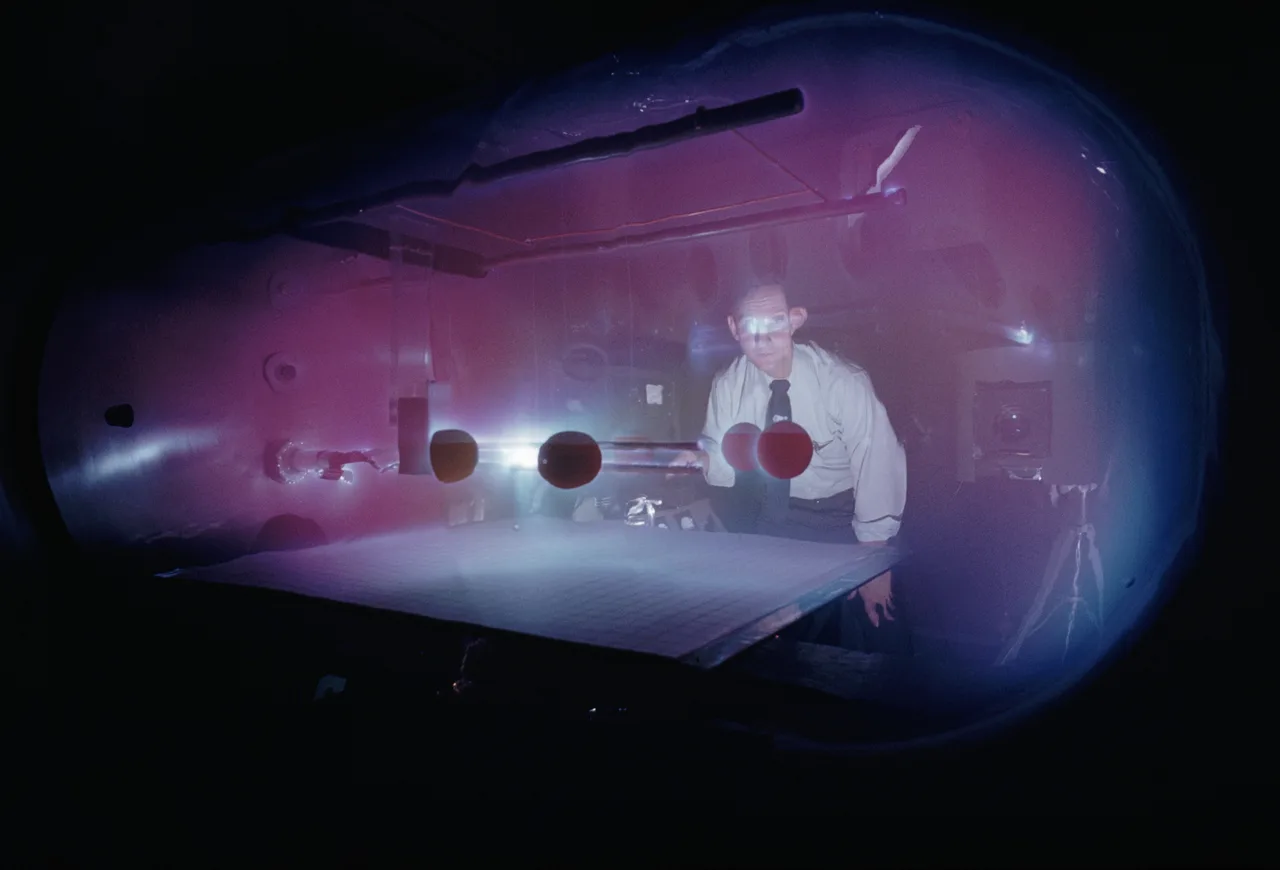
IMAGE SOURCE: DEAN CONGER/CORBIS/GETTY IMAGES

How do scientists search for alien life?

In his book ‘The Pale Blue Data Point,’ Professor Willis has made an important statement. While researchers are trying to answer the question “Where is everybody?” they might want to look a bit differently. As put by Professor Willis, scientists must try to understand what life actually is. He further explains that life does not refer to a particular appearance. Rather, it is a process. Thus, Professor Willis believes that scientists must question, “Does it metabolize?” “Does it create order?” and “Does it perform unique biological processes?” Looking for these signatures might make it easier for scientists to trace life beyond Earth. 

4 / 6
Science doesn't have all the answers—yet
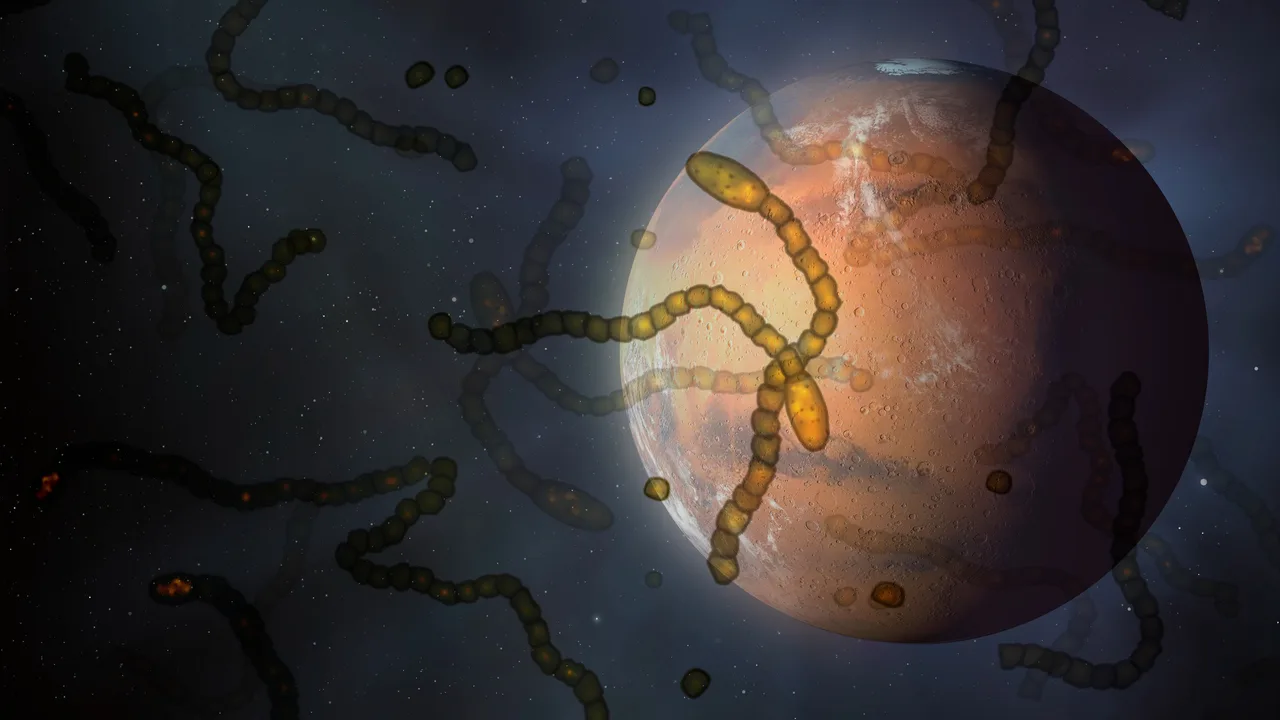
IMAGE SOURCE: MARK GARLICK/SCIENCE PHOTO LIBRARY/GETTY IMAGES

Science doesn't have all the answers—yet

While there is no proven ‘right way’ to search for alien life, the process involves speculation. Professor Willis suggests educated speculations that unlock new doors of possibilities are always welcome. He gave an example of how every new exoplanet discovered has baffled scientists further, while opening new doors. In fact, Professor Willis also pointed out how back in 1995, scientists only knew about one exoplanet. But as the years passed by, educated speculation, coupled with streamlined efforts, made the scientists discover over 6000 exoplanets till now. 

5 / 6
Earth is our best alien laboratory
IMAGE SOURCE: MARK GARLICK/SCIENCE PHOTO LIBRARY/GETTY IMAGES

Earth is our best alien laboratory

Scientists usually assume that life can only survive under favorable, Earth-like conditions. However, Professor Willis wants scientists to study Earth closely to understand extraterrestrial life. After all, there are extreme environments on Earth where life thrives. For example, there is life thriving in the deep-sea hydrothermal vents. Interestingly, these places resemble conditions on distant icy moons like Enceladus and Europa. Additionally, organisms known as extremophiles can be found living in hostile environments like hot springs. Thus, Professor Willis states that researchers can use this information to further streamline their search for alien beings elsewhere. 

6 / 6
Scientists might not be searching the right way
IMAGE SOURCE: FOTOKITA/GETTY IMAGES

Scientists might not be searching the right way

Professor Willis also has a stern warning for our scientists. Till now, all the attempts humans have made to establish alien contact have yielded no verified results. This might be because of one key mistake. Scientists have assumed that alien beings would communicate like us. According to Professor Willis, this might be untrue. In his book, he proposed that intelligent beings (if any) might operate on varying timescales and also use particles unfamiliar to humans. In fact, they might even use methods that would be beyond human comprehension as of now. 

MORE GALLERIES

What if dark matter is just hiding in another dimension? Here’s what a new study says 5

What if dark matter is just hiding in another dimension? Here’s what a new study says

Sep 14, 2026
20 photos that changed space history forever 21

20 photos that changed space history forever

Sep 12, 2026
Curiosity images mysterious 'pits' on Martian soil: What does NASA have to say about them? 4

Curiosity images mysterious 'pits' on Martian soil: What does NASA have to say about them?

Sep 11, 2026
The Sun's most detailed images yet reveal whirlpools never spotted before 5

The Sun's most detailed images yet reveal whirlpools never spotted before

Sep 10, 2026
Scientists say the universe could tear itself apart. Here's how 6

Scientists say the universe could tear itself apart. Here's how

Sep 10, 2026
The Golden Record: When humanity sent a message specifically for aliens 5

The Golden Record: When humanity sent a message specifically for aliens

Sep 10, 2026
20 unforgettable photos from humanity’s first Moon landing 21

20 unforgettable photos from humanity’s first Moon landing

Sep 9, 2026
Nobel Prize winner now questions the standard model of the universe, says it might be wrong 5

Nobel Prize winner now questions the standard model of the universe, says it might be wrong

Sep 9, 2026
Strange repeating radio signal from deep space case finally cracked; Here's what it is 5

Strange repeating radio signal from deep space case finally cracked; Here's what it is

Sep 8, 2026
Is the 'empty' space in our universe really empty? Here's what a new study found 5

Is the 'empty' space in our universe really empty? Here's what a new study found

Sep 7, 2026
Could we ever reach a parallel universe? Here's what physicists really think 5

Could we ever reach a parallel universe? Here's what physicists really think

Sep 7, 2026
A 'skull' rock on Mars? The eerie formation NASA can't yet explain 5

A 'skull' rock on Mars? The eerie formation NASA can't yet explain

Sep 5, 2026
Did our universe begin inside a quantum multiverse? One physicist thinks so 5

Did our universe begin inside a quantum multiverse? One physicist thinks so

Sep 5, 2026
330 million light-years of darkness: The mystery of The Great Nothing—the Boötes Void 5

330 million light-years of darkness: The mystery of The Great Nothing—the Boötes Void

Sep 5, 2026
What if Earth-like planets existed before the first galaxies? Scientists have an answer 4

What if Earth-like planets existed before the first galaxies? Scientists have an answer

Sep 4, 2026
Strange 'spiderweb' formations spotted on Mars: NASA explains what's really going on 5

Strange 'spiderweb' formations spotted on Mars: NASA explains what's really going on

Sep 3, 2026
What if black holes are actually doorways to another universe? 6

What if black holes are actually doorways to another universe?

Sep 3, 2026
What if the universe is a loop? This study suggests the Big Bang may not have been the beginning 5

What if the universe is a loop? This study suggests the Big Bang may not have been the beginning

Sep 3, 2026
‘Time mirrors’ are actually real: physicists confirmed a 65-year-old theory in a new study 6

‘Time mirrors’ are actually real: physicists confirmed a 65-year-old theory in a new study

Sep 2, 2026
September 2026 skywatching guide: Planetary conjunctions, Full Harvest Moon, and more 7

September 2026 skywatching guide: Planetary conjunctions, Full Harvest Moon, and more

Sep 2, 2026
Starlust.org is part of the Scale Content Inc. publishing group.

Google Source

About Us
Editorial Guidelines
Privacy Policy
Cookie Policy
Terms of Use
Contact Us
Link to Facebook
Link to Instagram

© Scale Content Inc. 1178 Broadway, 3rd Floor #3469, New York, NY 10001, United States